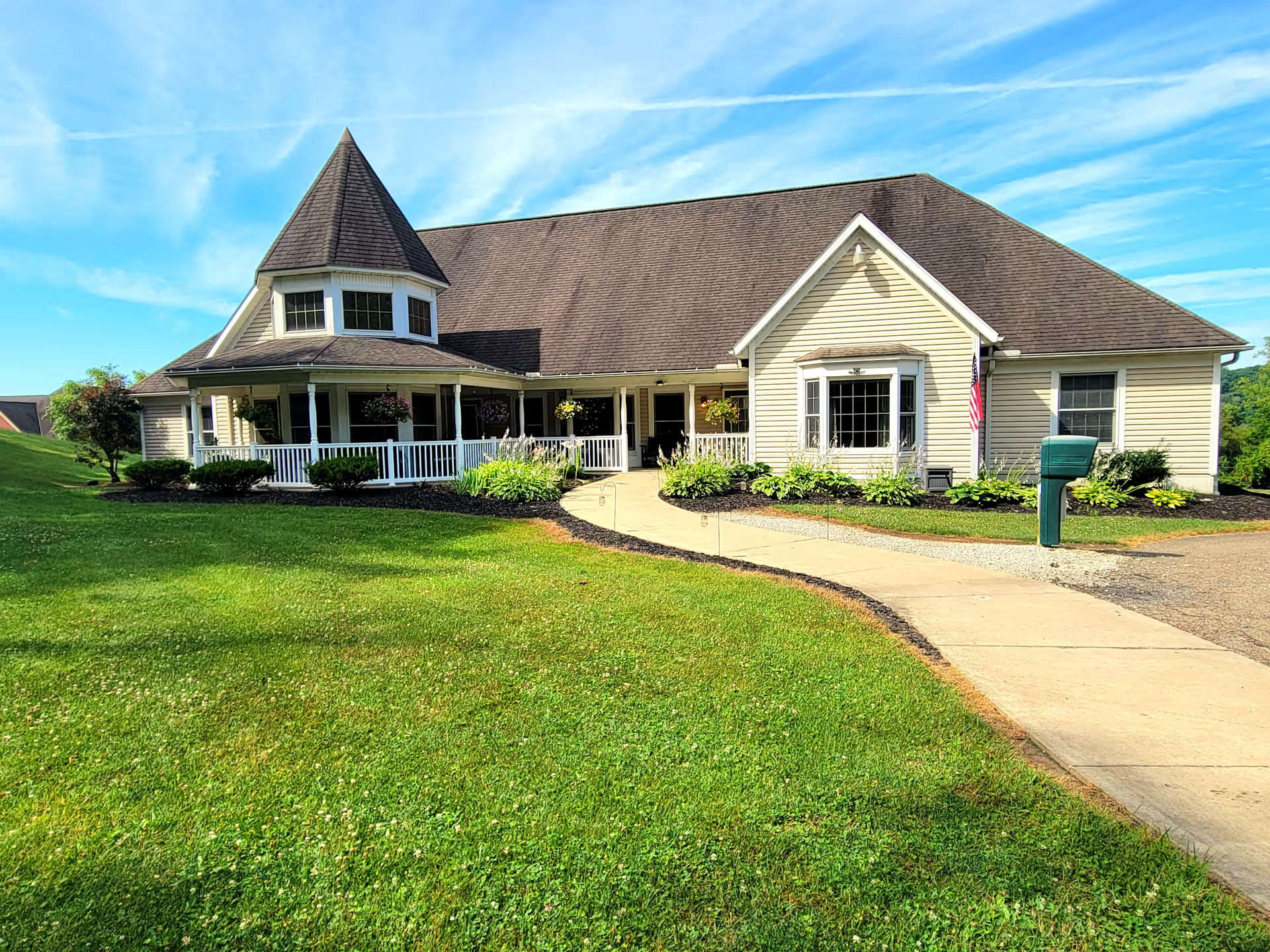
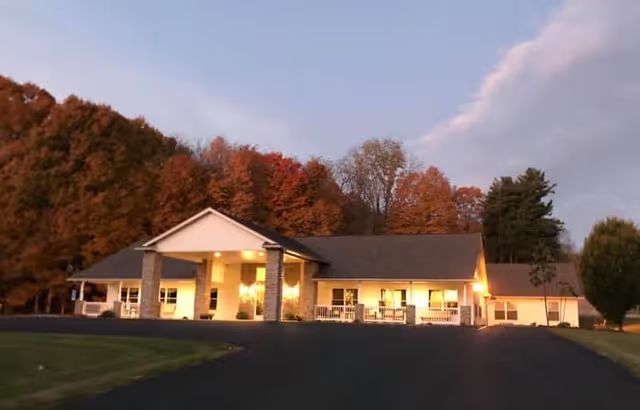
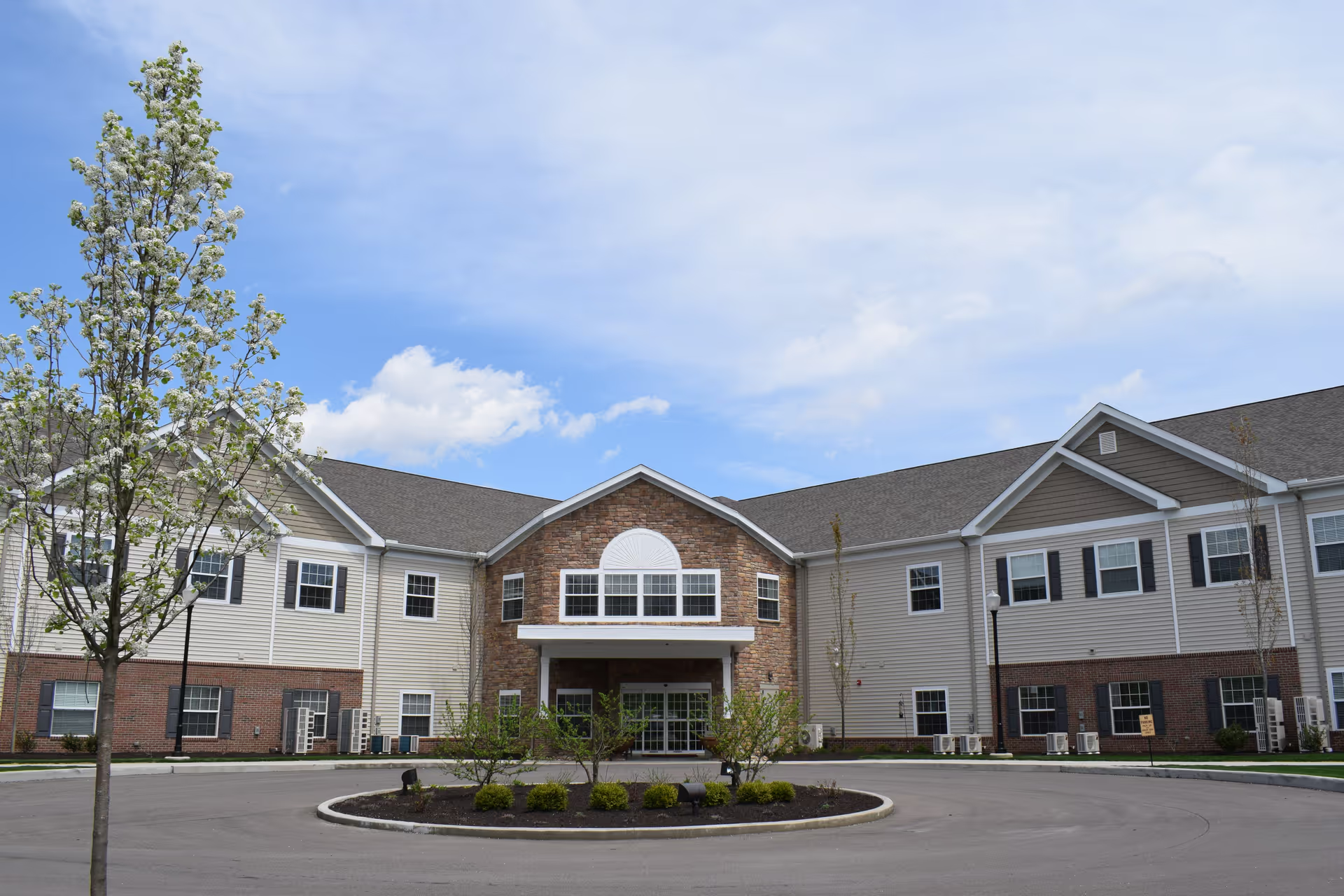
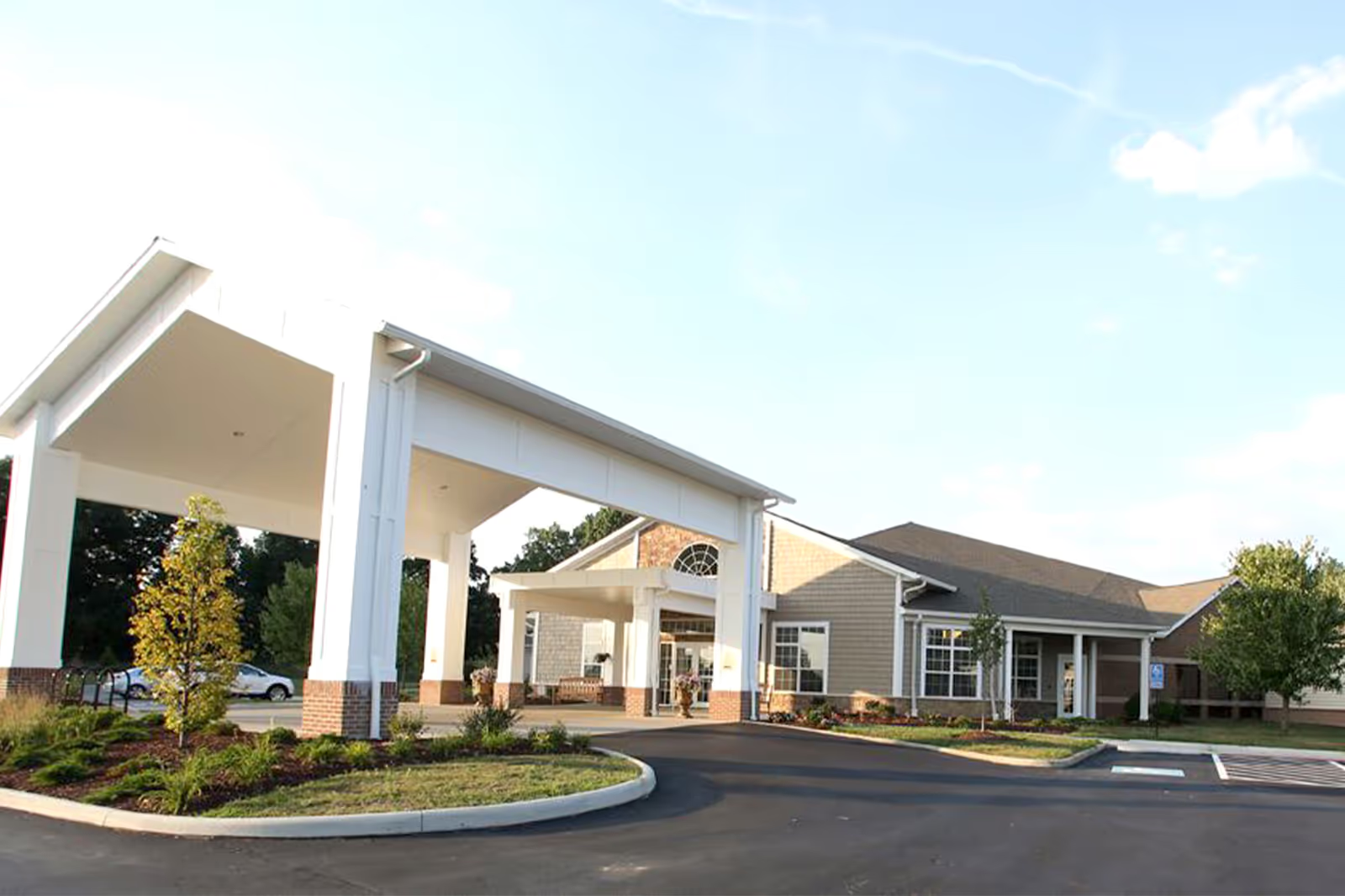
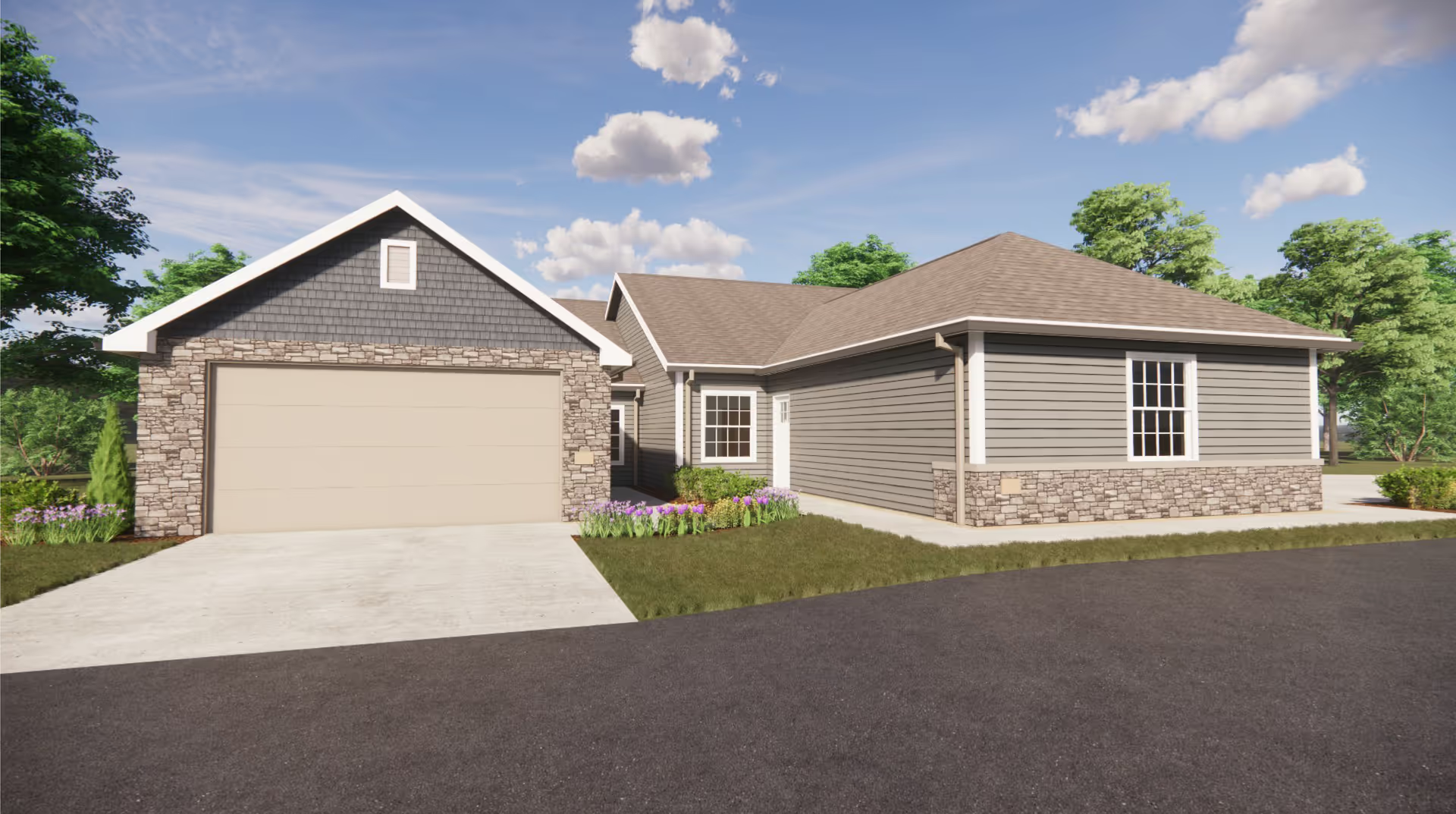
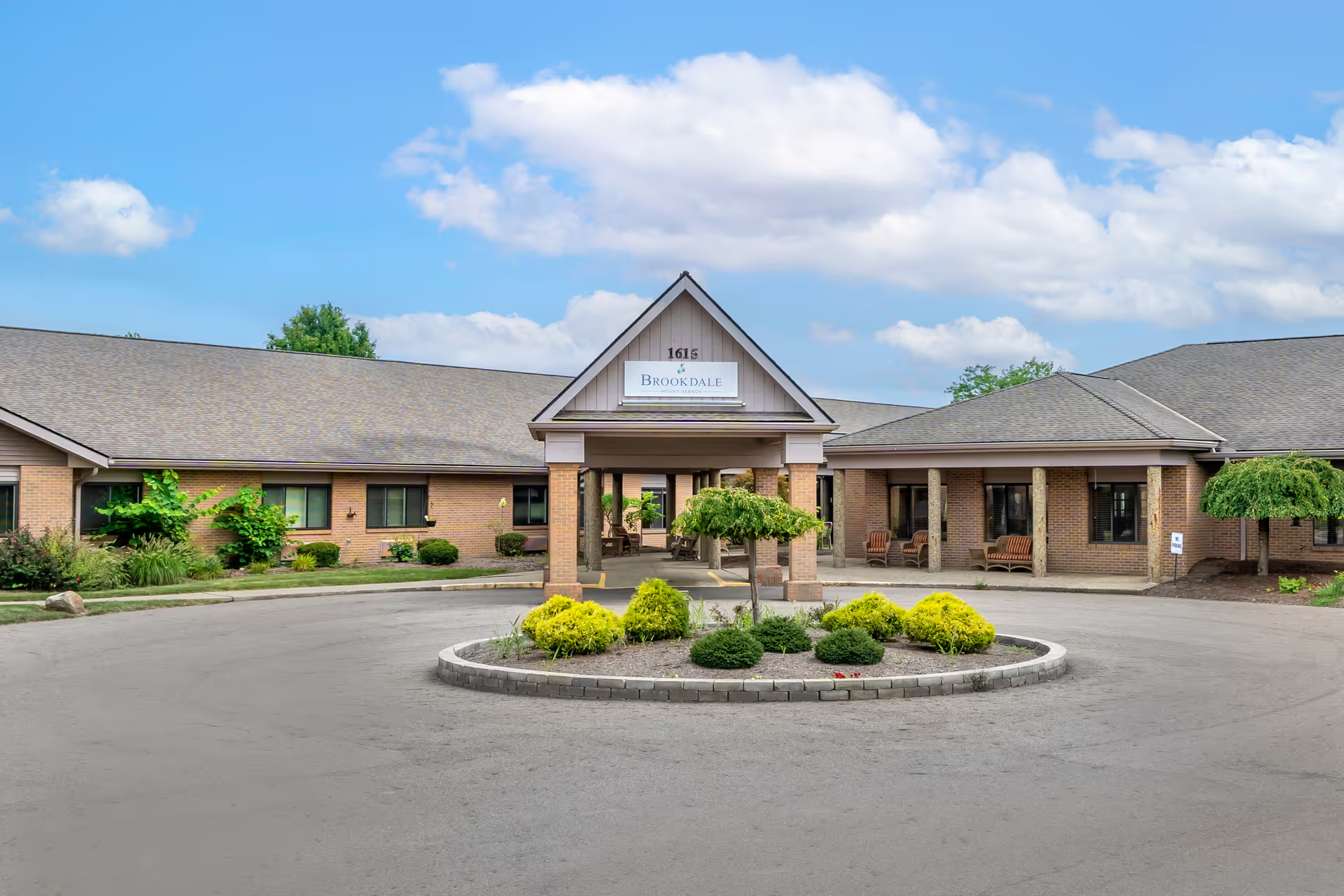
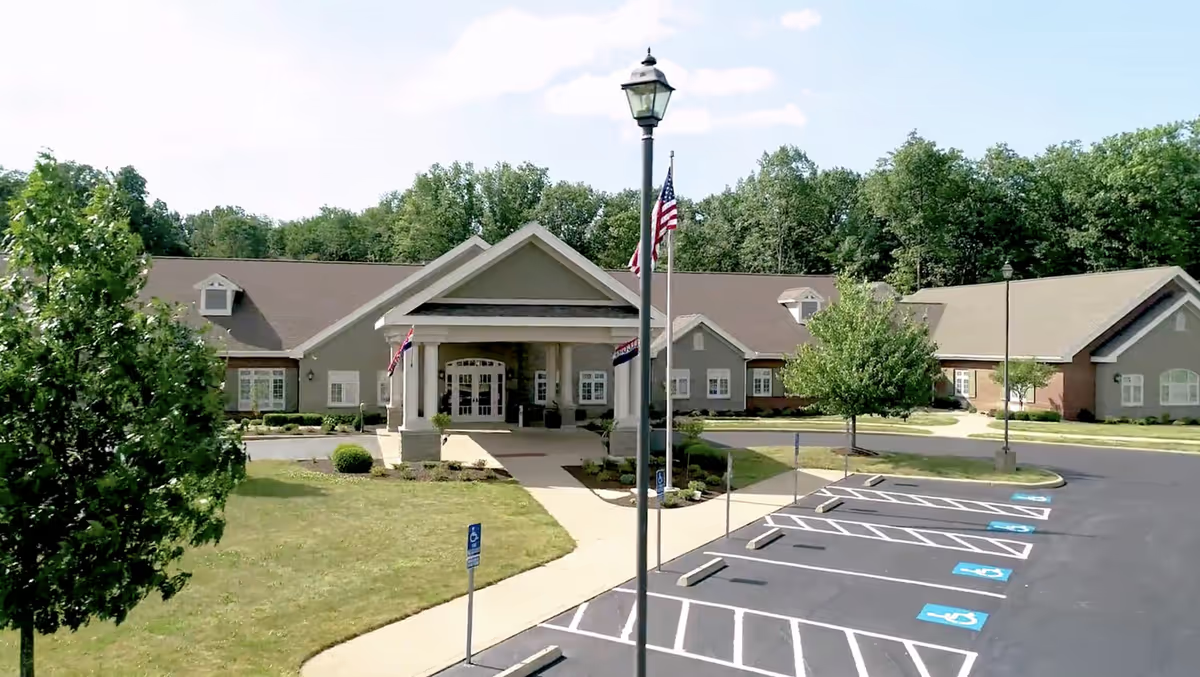
Danbury Millersburg is frequently praised for its physical environment, dining, and many aspects of resident life. The campus includes newer single‑story villas and an updated main building; reviewers highlight bright, well‑planned rooms, high ceilings, the ability to furnish units, and accessible features such as grab bars and walk‑in pantries. Grounds and outdoor landscaping are consistently described as attractive, and emergency preparedness (generator backup during storms) has been noted positively. Unit layouts range from studio to spacious one‑ and two‑bedroom configurations, and there is clear emphasis on making spaces feel home‑like.
Dining is a clear strength. Multiple reviewers describe restaurant‑style service, creative menus, varied daily specials, and generally high‑quality, flavorful meals with flexible dining times. Catering and special‑event offerings are also noted. At the same time, there is some variability in perceptions of meal suitability for older adults and occasional comments about food not matching expectations; prospective families may wish to sample menus and discuss dietary accommodations during a visit.
Activities and community life are strong selling points for many residents. The facility offers daily programs, social opportunities, and a family‑oriented atmosphere; residents and families often cite active social interactions and good engagement. However, several reviewers noted inconsistency in programming—particularly weekend activities and follow‑through on scheduled events—so enrichment offerings may vary by day and season.
Care quality and staff behavior elicit mixed but informative feedback. Many families praise compassionate nurses, aides, and rehabilitation staff, and memory‑care and therapy outcomes are often described as excellent. At the operational level, recurring concerns center on staffing: shortages, high turnover, and uneven experience among aides. Those operational issues have been linked to measurable care consequences in some accounts—delays in responding to call lights, infrequent or inconsistent bathing schedules, and aide unfamiliarity with safe transfer techniques. There are also mentions of management addressing and improving some issues when engaged, indicating responsiveness in certain instances.
Management and communication appear to be a relative strength when leadership is engaged; reviewers specifically named on‑site managers and an executive director as accessible and helpful. Still, others describe lapses in administrative follow‑through, occasional unresponsiveness, and promises that were not consistently upheld. Coordination with outside providers (doctors, therapists, pharmacies) is generally presented as convenient and supported, which is useful for families wishing to preserve continuity of care.
Overall pattern: the facility offers strong amenities, appealing dining, robust therapy and memory‑care programs, and a welcoming community environment. The principal operational risk to weigh is staffing stability and training—issues that can affect response times, transfer safety, and consistency of daily care and programming. Prospective residents and families should tour the campus, observe staffing at different times (including weekends), request information on staffing ratios and transfer training, sample meals, and discuss contractual promises and maintenance concerns (for example, hard‑water effects) before making a placement decision.