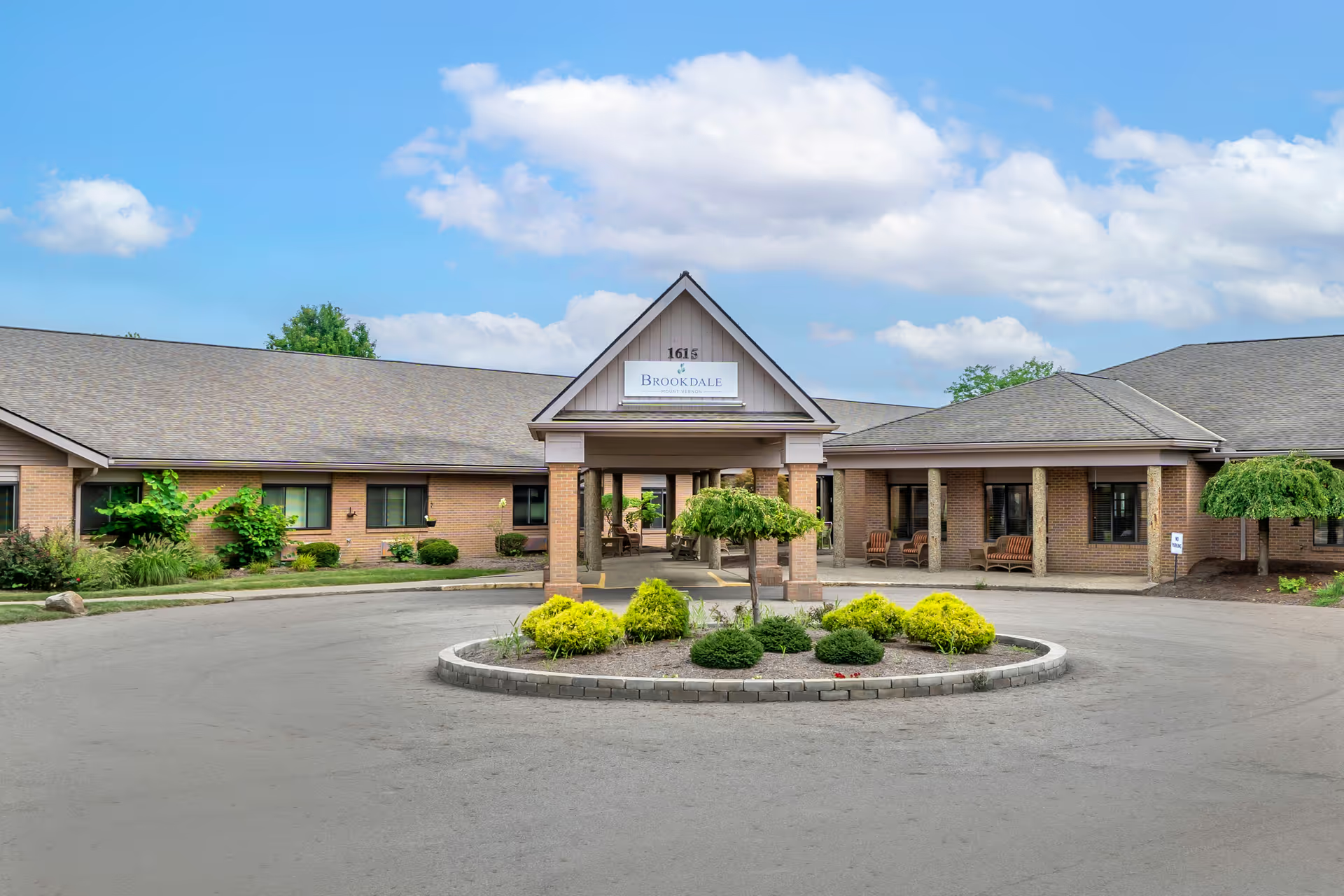
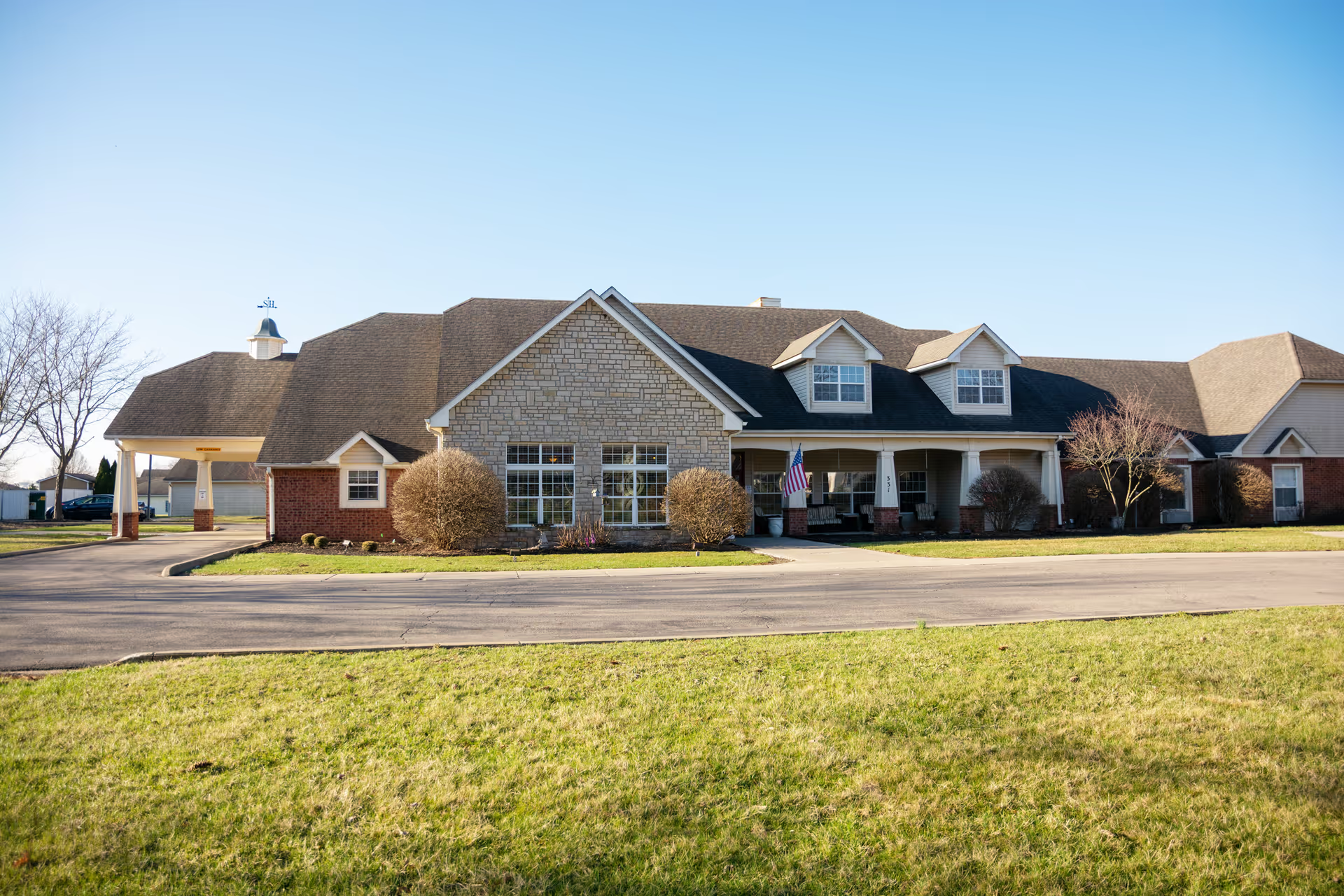
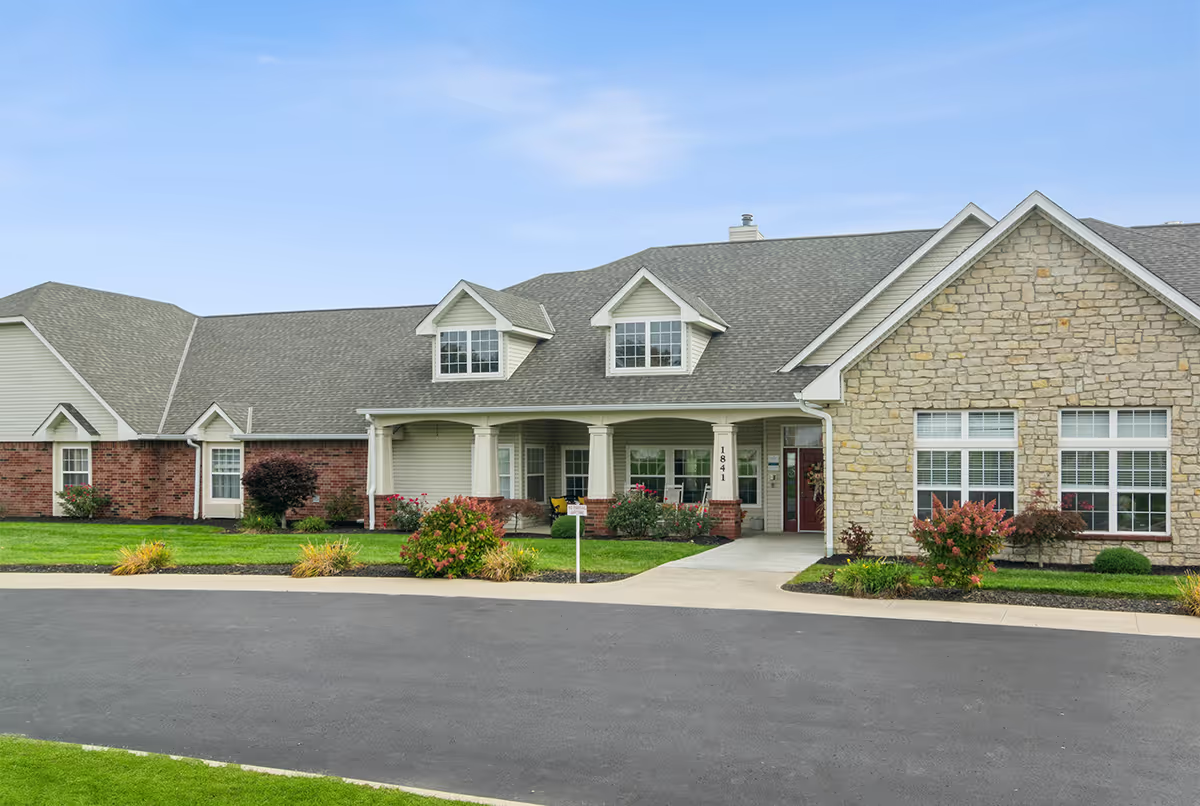
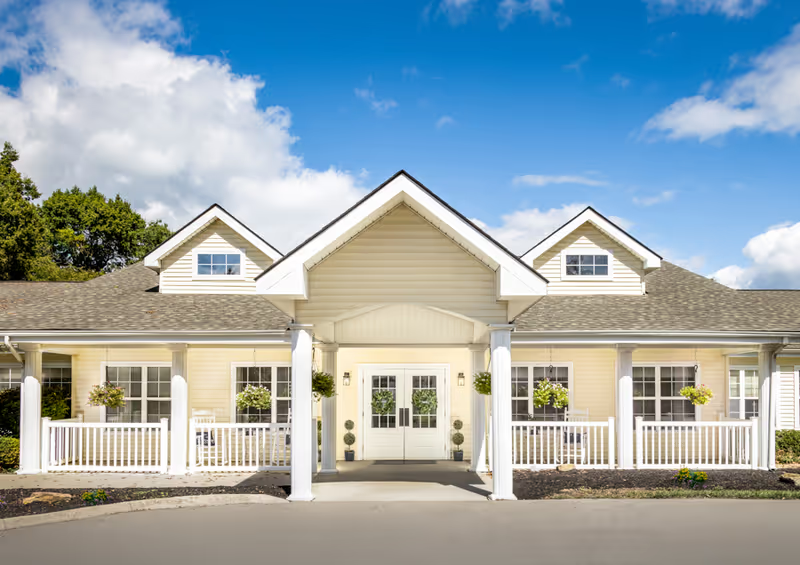
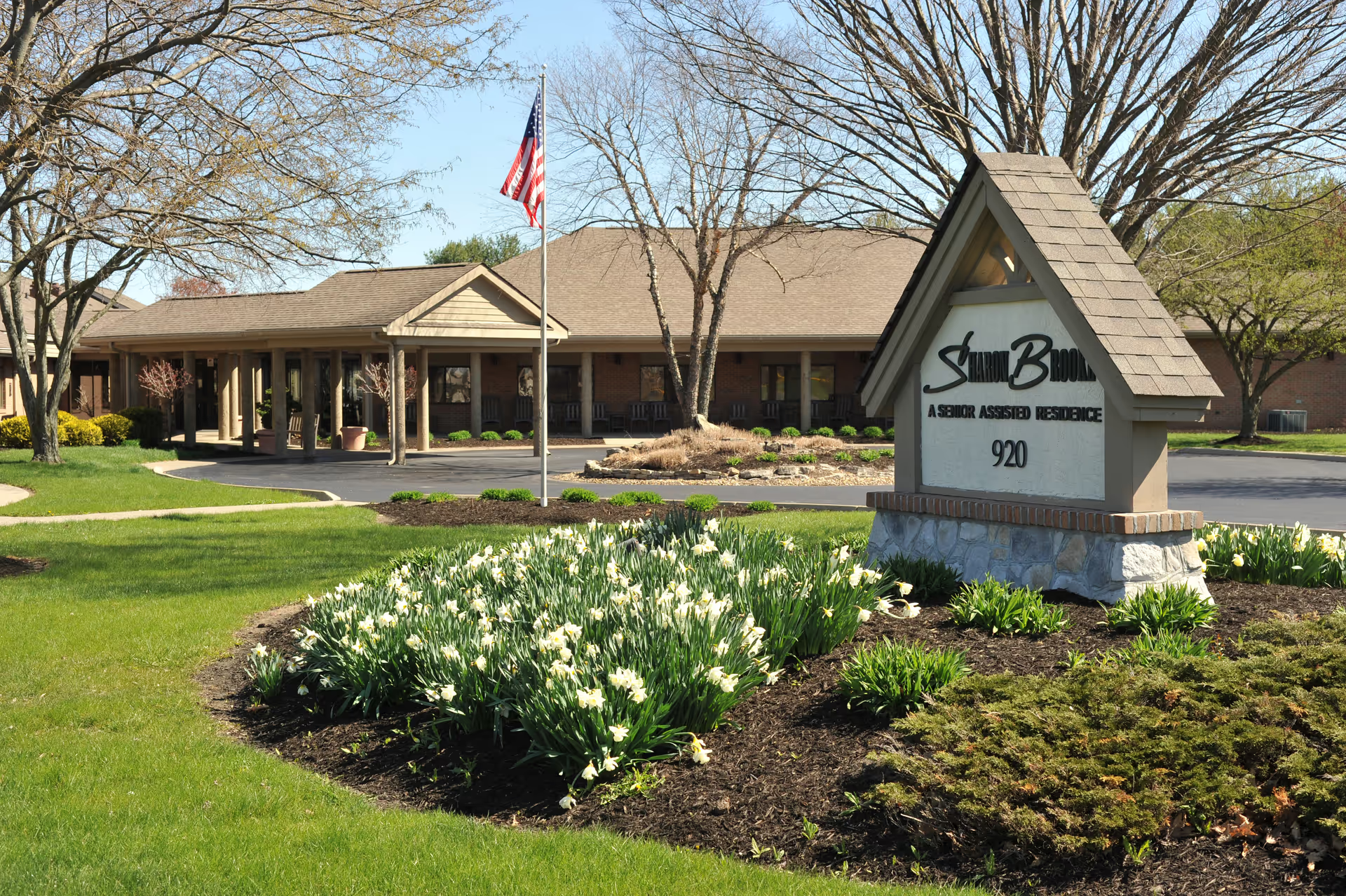
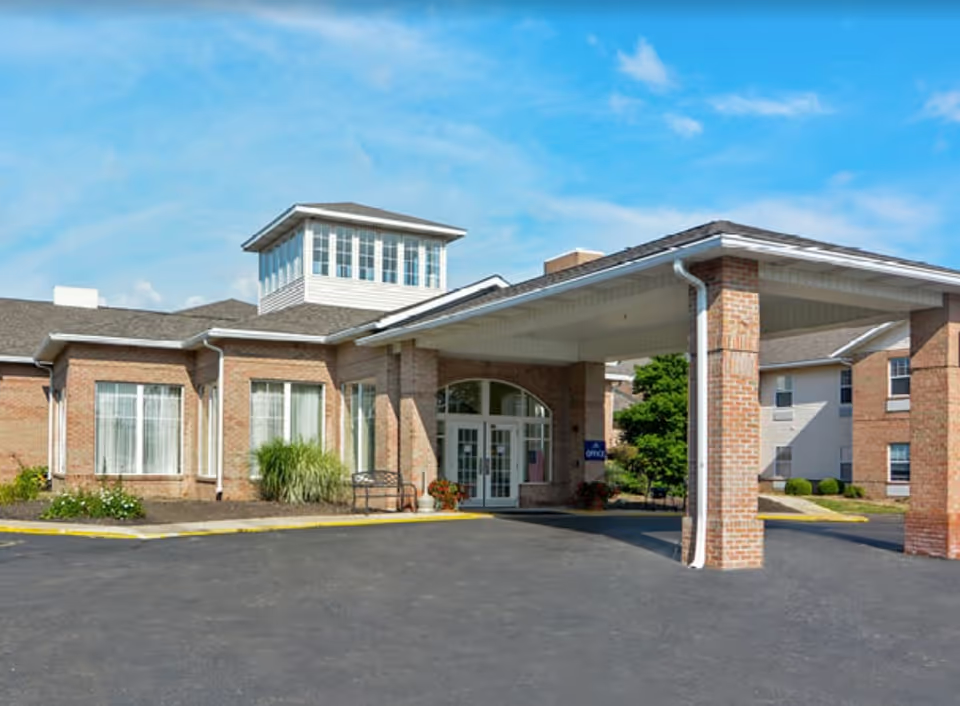
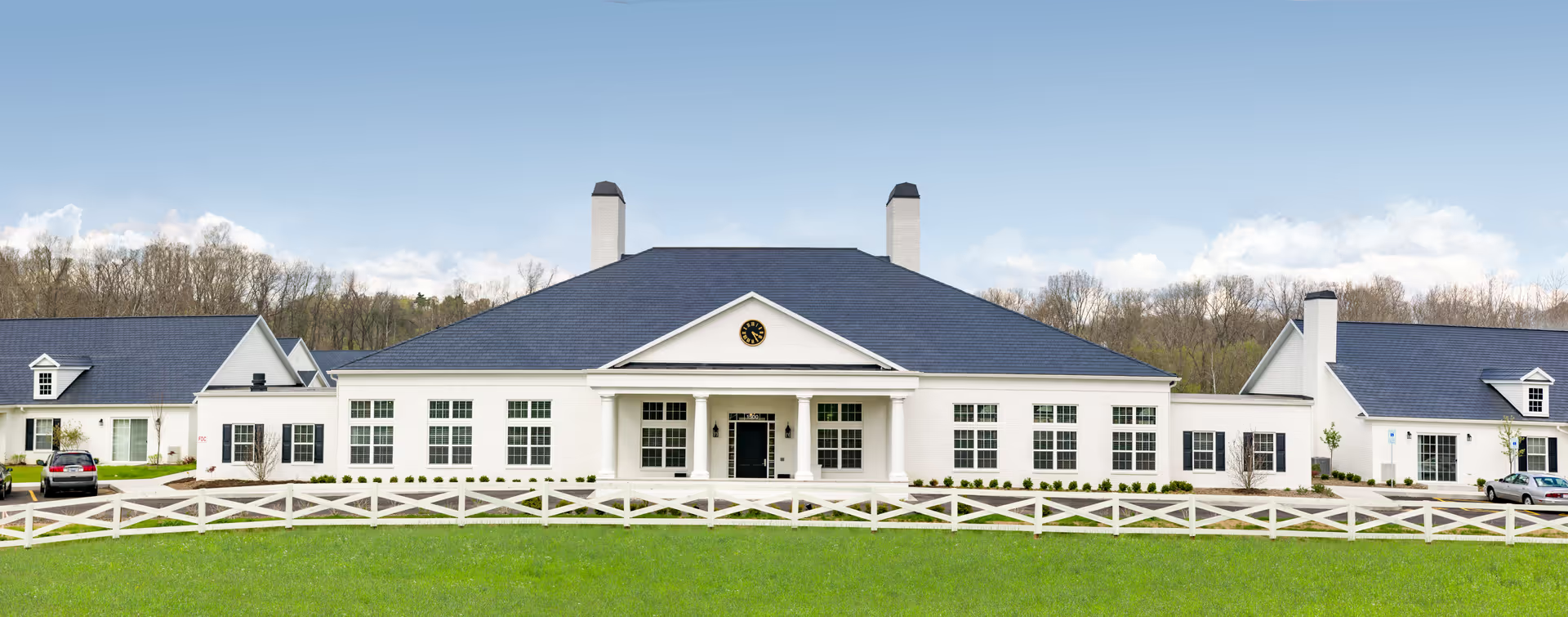
Danbury Mount Vernon is consistently described as a modern, well‑maintained senior living community with a strong emphasis on resident engagement and a family‑style culture. Reviewers repeatedly note a bright, clean physical environment, a variety of apartment configurations, and built‑in safety features that support independence. Common areas and grounds are described as comfortable and inviting, and move‑in processes are generally characterized as organized and supportive.
Care quality is a prominent strength. Families and residents describe staff across nursing, caregiving, housekeeping, and administration as compassionate, attentive, and proactive. Memory care receives particular positive attention, with on‑site nursing coverage and staff trained to support residents with dementia. The community also offers in‑house rehabilitation and therapy services and works collaboratively with hospice providers when needed, which reviewers cite as helpful for transitions in care and end‑of‑life support.
Dining and daily life are emphasized as well. Dining is frequently described as above average, with varied menus and a new chef noted in multiple comments. Activity programming is robust — exercise classes, crafts, music, outings, holiday events, and social hours are regular features — and contributes to an active social environment where residents form new friendships and families feel their loved ones are engaged. Housekeeping and laundry services are highlighted for keeping rooms and common areas clean and orderly.
Leadership and administration receive repeated praise for visible involvement and responsiveness; specific staff and directors are named positively for their roles in admissions, coordination, and family communication. At the same time, a few operational patterns emerge as tradeoffs. The community’s pricing places it at a higher tier and may limit access for some families. Preferred room types and smaller units are not always available, and there are occasional administrative follow‑through inconsistencies around room assignments and communications. Reviewers also describe episodic gaps in coordination with external medical providers and in internal communication, which can complicate medical appointments or care transitions.
A small number of comments point to variability in staff engagement during certain shifts and an occasional mismatch between activity offerings and individual resident preferences (for example, requests for more male‑oriented activities). These issues are described as intermittent rather than systemic, and several reviewers noted prompt responsiveness when concerns were raised. Overall, the pattern of feedback indicates a facility with strong clinical and social programming, attentive staff, and high standards for the physical environment, balanced against cost and occasional operational inconsistencies that prospective residents and families should confirm during a tour and admission discussion.