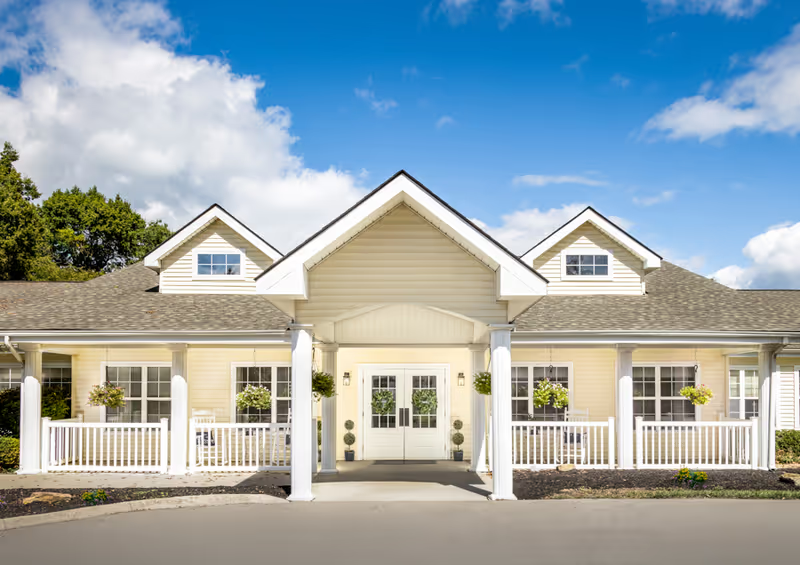
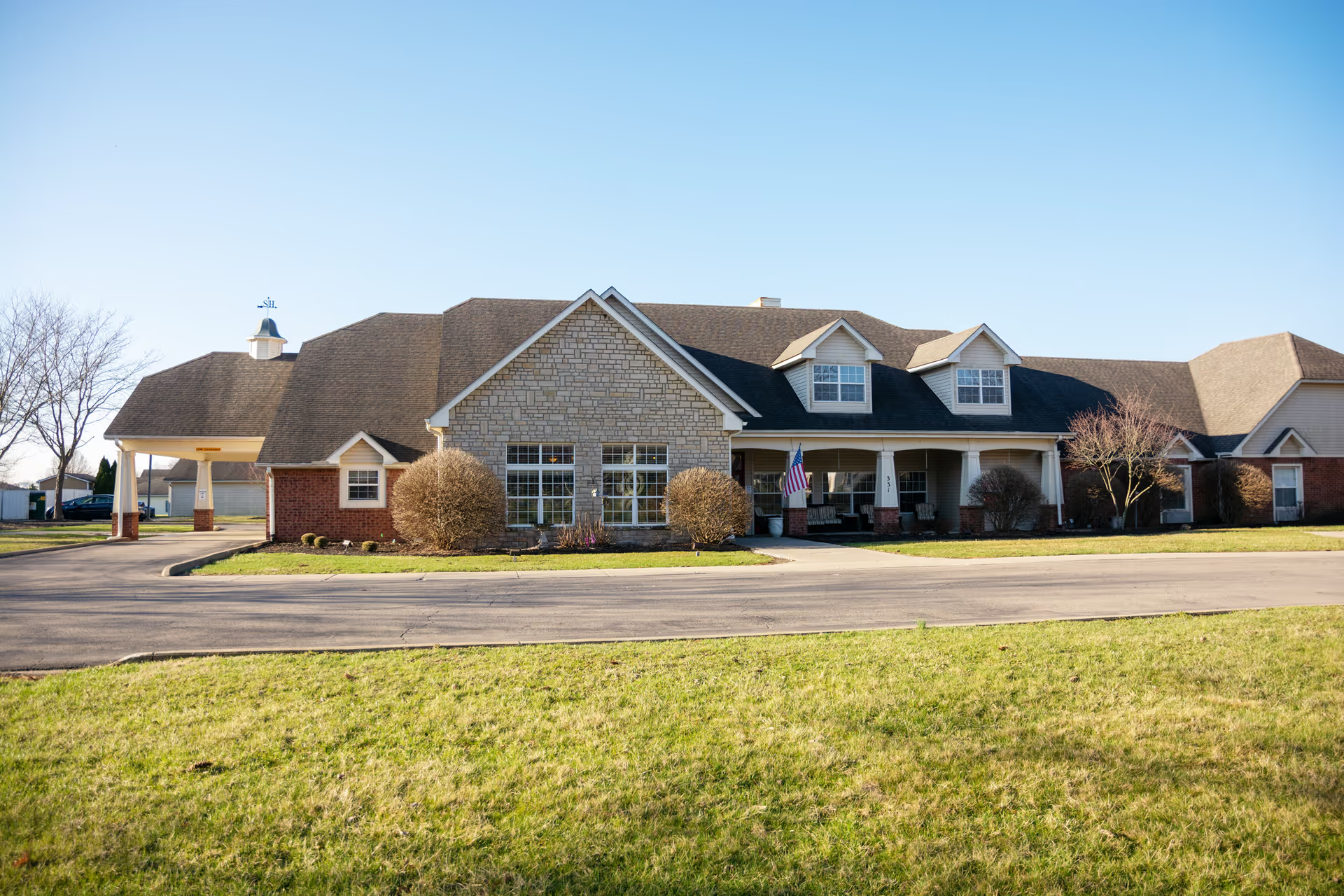
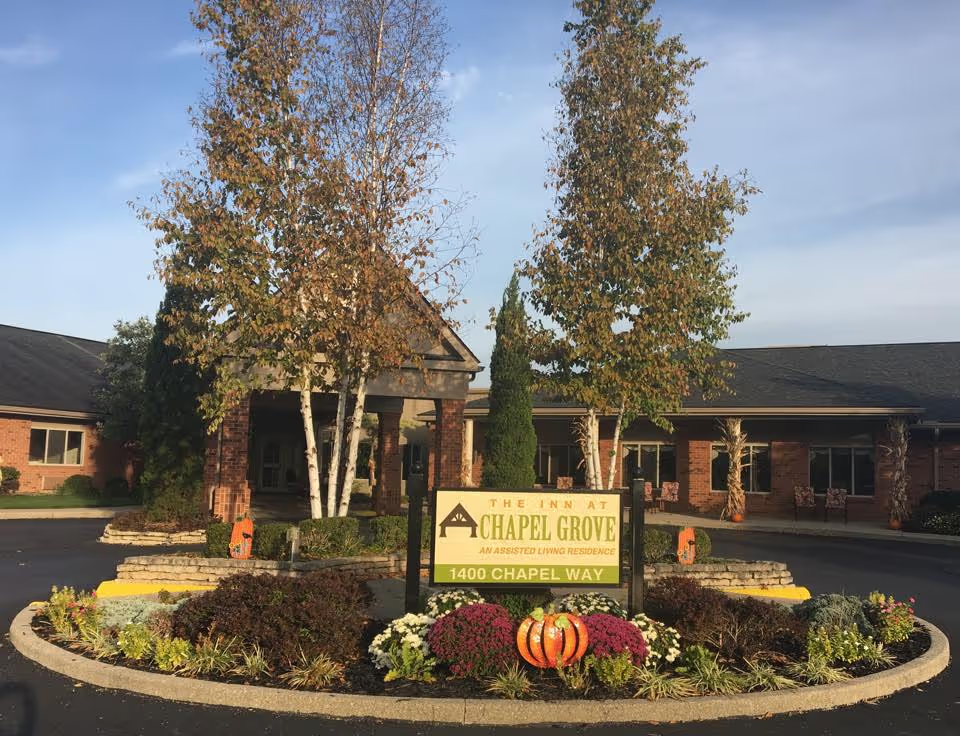
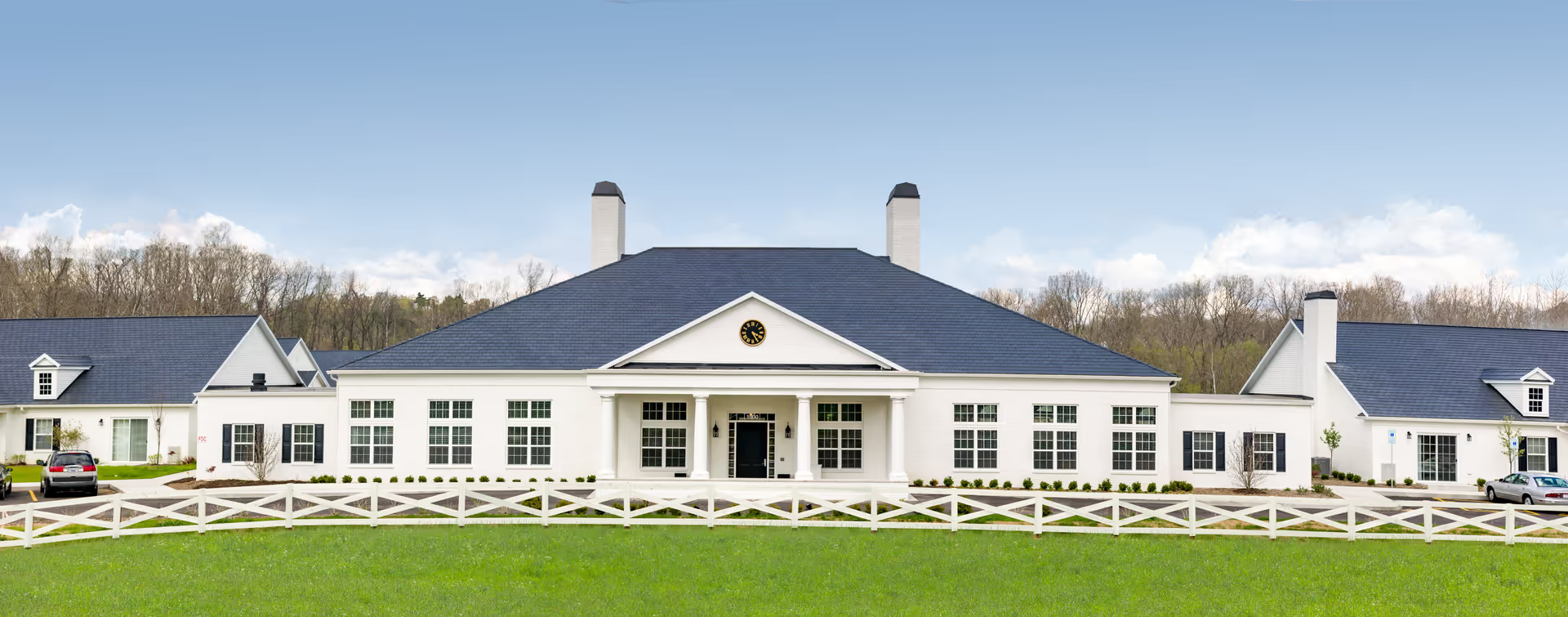
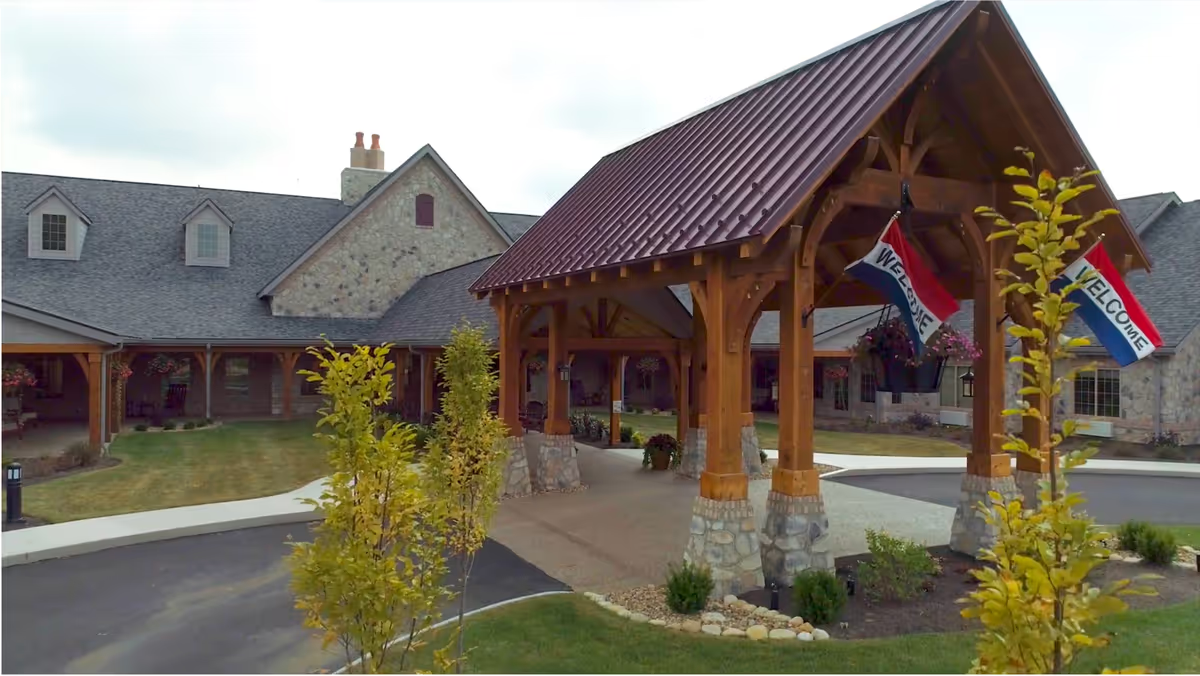
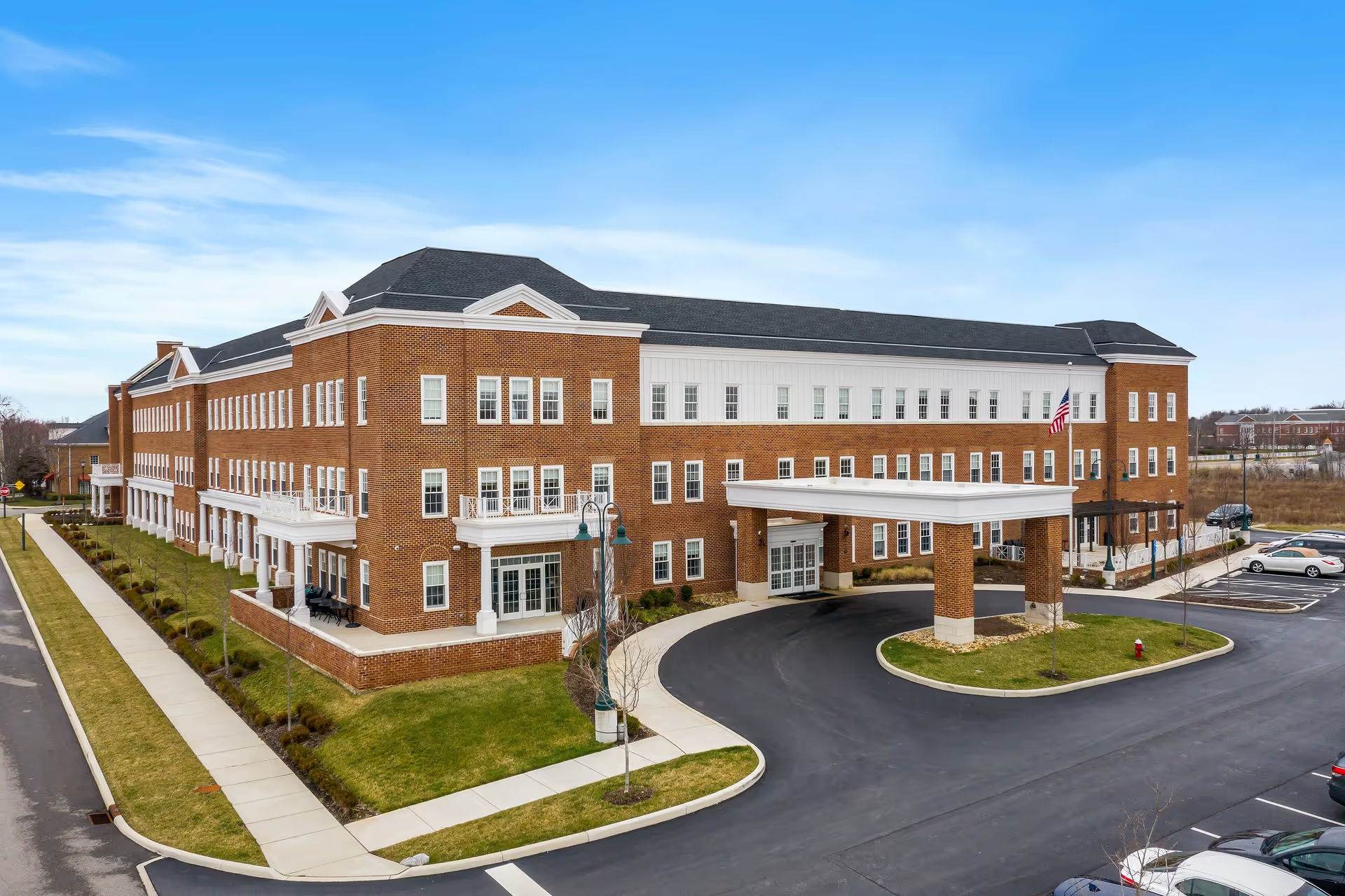
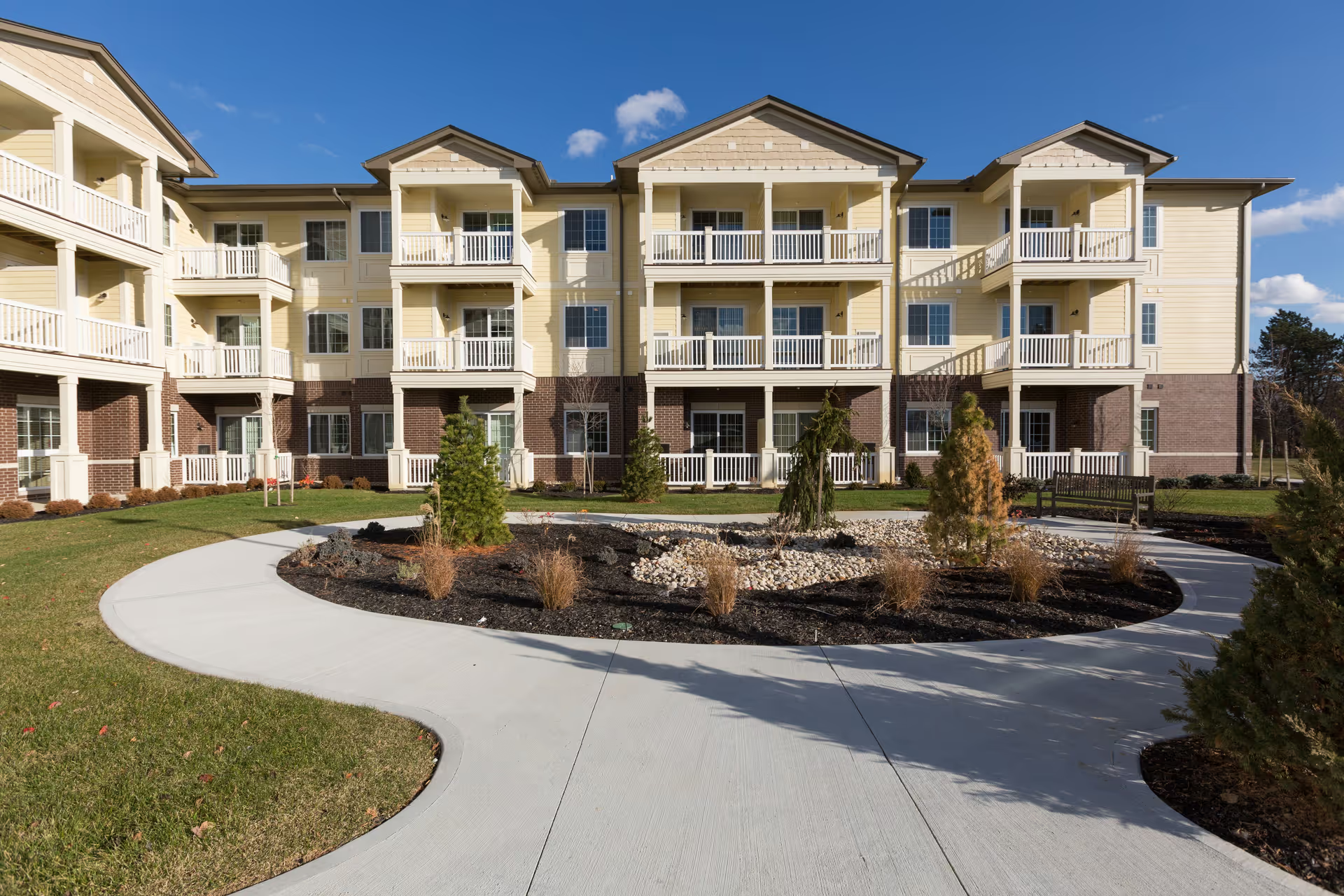
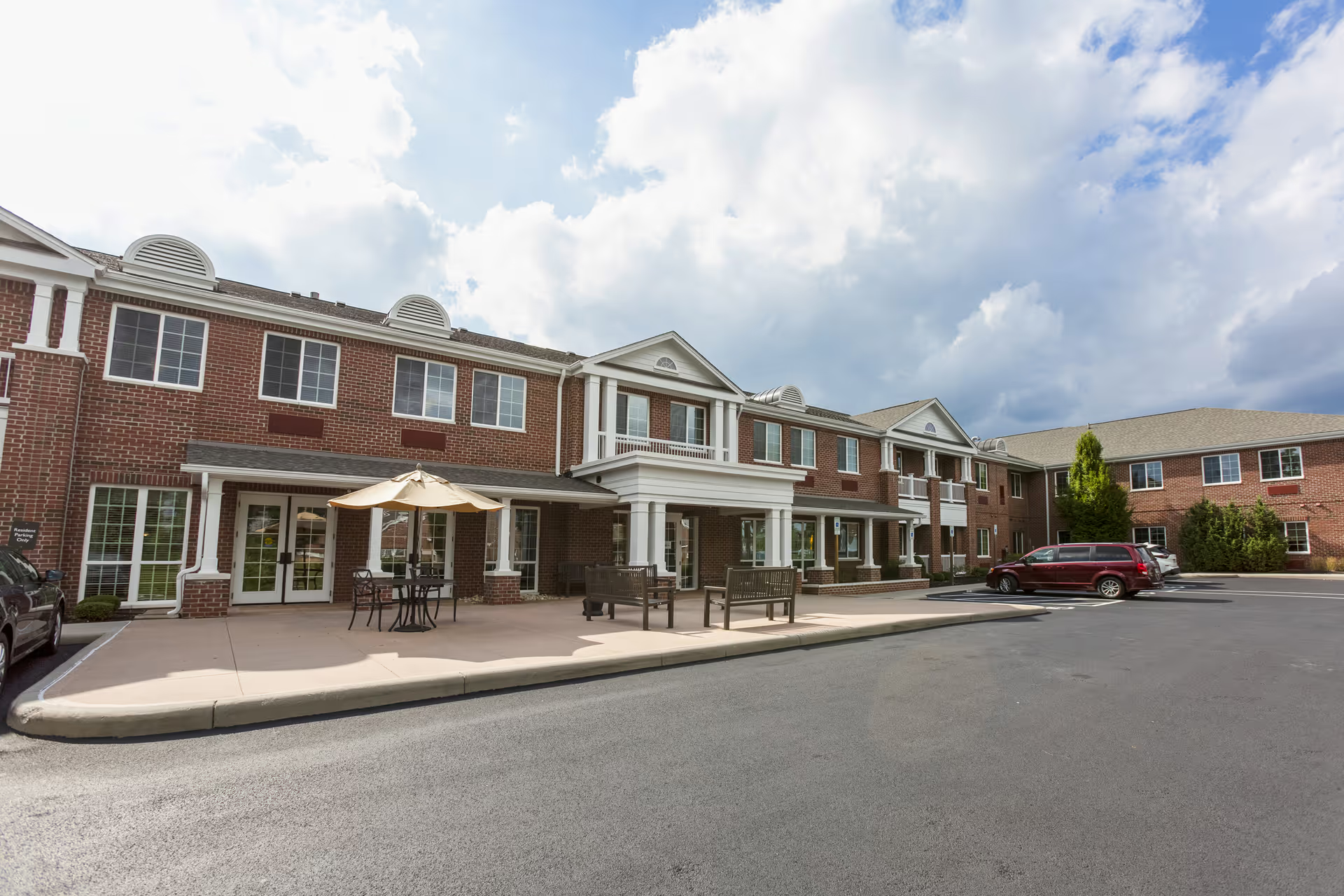
Overall impression: Reviews reflect a facility with extensive amenities and a well-maintained, homelike environment alongside uneven operational performance in several areas. Many accounts highlight strong strengths — clean common areas, attractive decor, a broad range of social and recreational options, and numerous on-site conveniences — while other accounts point to operational inconsistencies that prospective families should evaluate during a tour.
Care and staff: Direct-care staff are frequently described as kind, attentive, and familiar with residents' names; numerous comments emphasize warm interpersonal interactions, frequent checks, and staff who go beyond basic expectations. At the same time, there is a recurring theme of inconsistent staffing coverage and direct-care teams that can be overwhelmed during busy periods. Reviewers also describe supervisory and management variability: some families praise proactive leadership and weekly staff reports, whereas others note gaps in oversight and concerns that supervisory staff do not always provide timely support to front-line caregivers.
Dining: Dining impressions are mixed. Several reviewers praise high-quality meals and accommodating service, while others cite limited menu variety, small portion sizes for some meals, and inconsistent food quality. There are operational concerns related to dietary monitoring (for example, freely accessible treats that complicate glycemic control) and expectations about resident-provided toiletries and supplies that affect perceived value and resident wellbeing.
Activities and facilities: The facility's breadth of amenities is a clear strength. On-site features consistently highlighted include a miniature movie theater, multiple coffee shops, an Irish pub/gathering area, bird/aviary features and large aquaria, chapel and church services, beauty and nail salons, pool table and game rooms, an ice cream parlor, and outdoor amenities such as walking loops and putting greens. Programming options (bingo, card clubs, music, movie nights, religious services and special events) appear robust and contribute to an engaged social atmosphere. Communication about where and when activities occur, however, is sometimes unclear to families and residents, suggesting an opportunity to improve scheduling visibility and point-of-contact information.
Safety, clinical response, and memory care: The facility includes a dedicated secured memory-care wing and in many accounts that unit is described as clean and appropriately staffed. However, a few reviewers reported serious isolated incidents involving delayed responses, resident-missing events, and concerns about clinical decision-making that indicate variability in incident response and clinical practices. These descriptions suggest potential gaps in incident escalation, family notification, and medication-management consistency. Prospective families should inquire specifically about safety-monitoring practices, incident escalation protocols, staffing ratios in memory care, and documentation of clinical interventions during tours.
Management and notable patterns: There is a polarized pattern in the feedback: many families describe a high-quality, family-like culture with exemplary cleanliness and engaged staff, while a minority describe operational weaknesses that materially affect care responsiveness and safety perceptions. Strengths commonly cited include strong pandemic precautions, regular provider visits, and staff who create a welcoming atmosphere; weaknesses cluster around staffing consistency, supervisory follow-through, dining consistency, and communication around activities and incidents.
Recommendation for prospective families: Visit the community during an activity period, speak with front-line caregivers and supervisory staff about staffing ratios and incident protocols, ask to see sample menus and dietary policies (including how snacks and communal food are managed), and tour the secured memory-care area to review safety-monitoring arrangements. Clarify what is included in base fees (toiletries, laundry, etc.) and request examples of recent family communications to assess responsiveness and transparency. These targeted questions can help verify which described strengths and operational weaknesses are relevant to a specific care need.