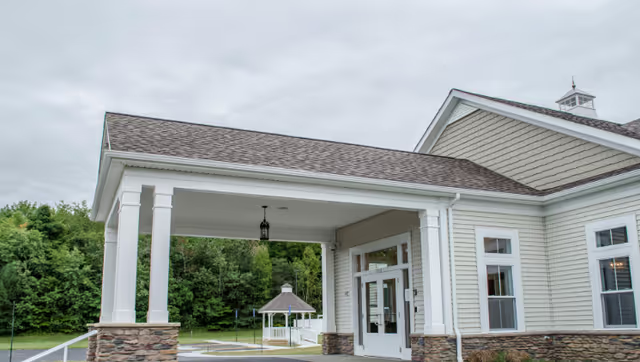
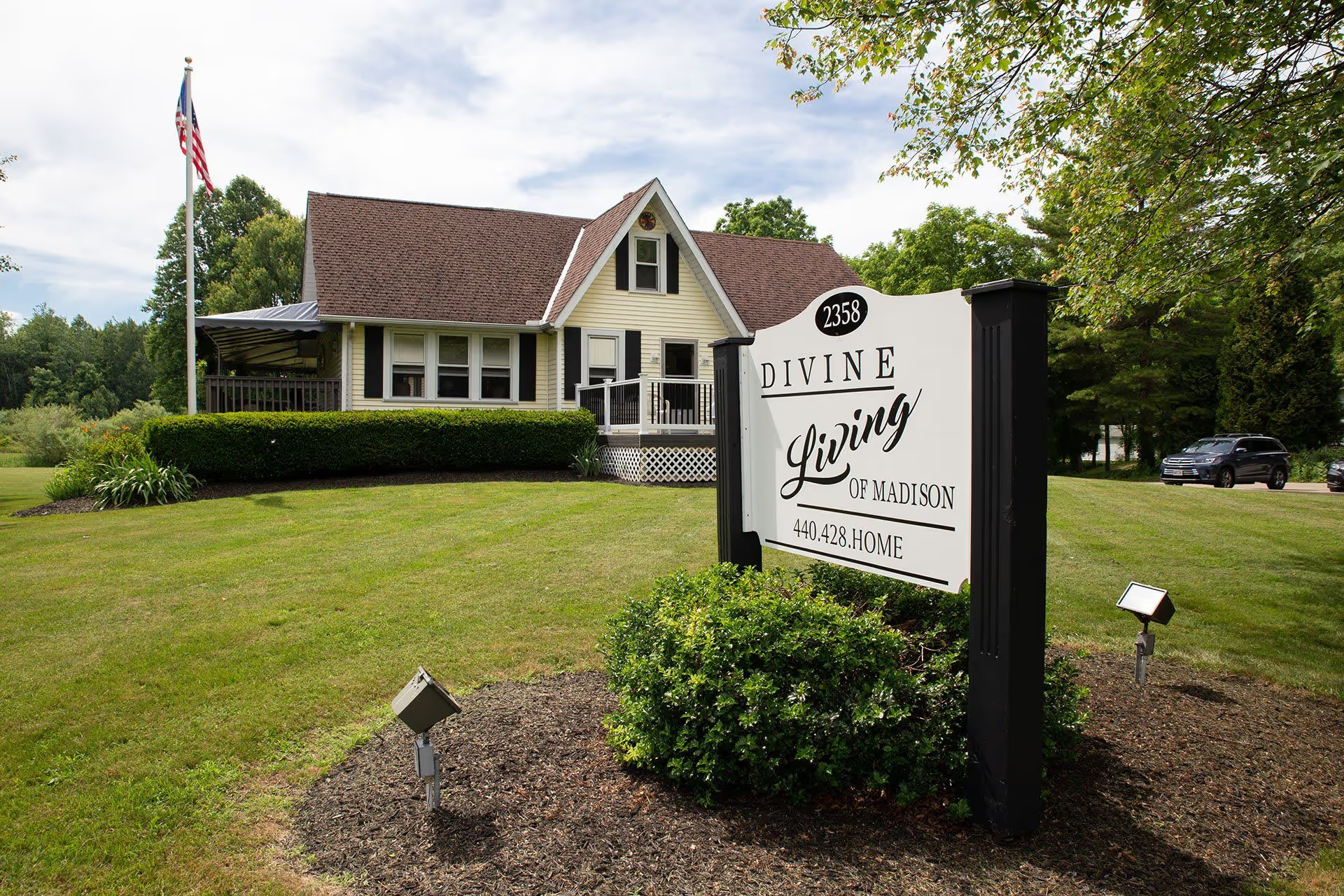
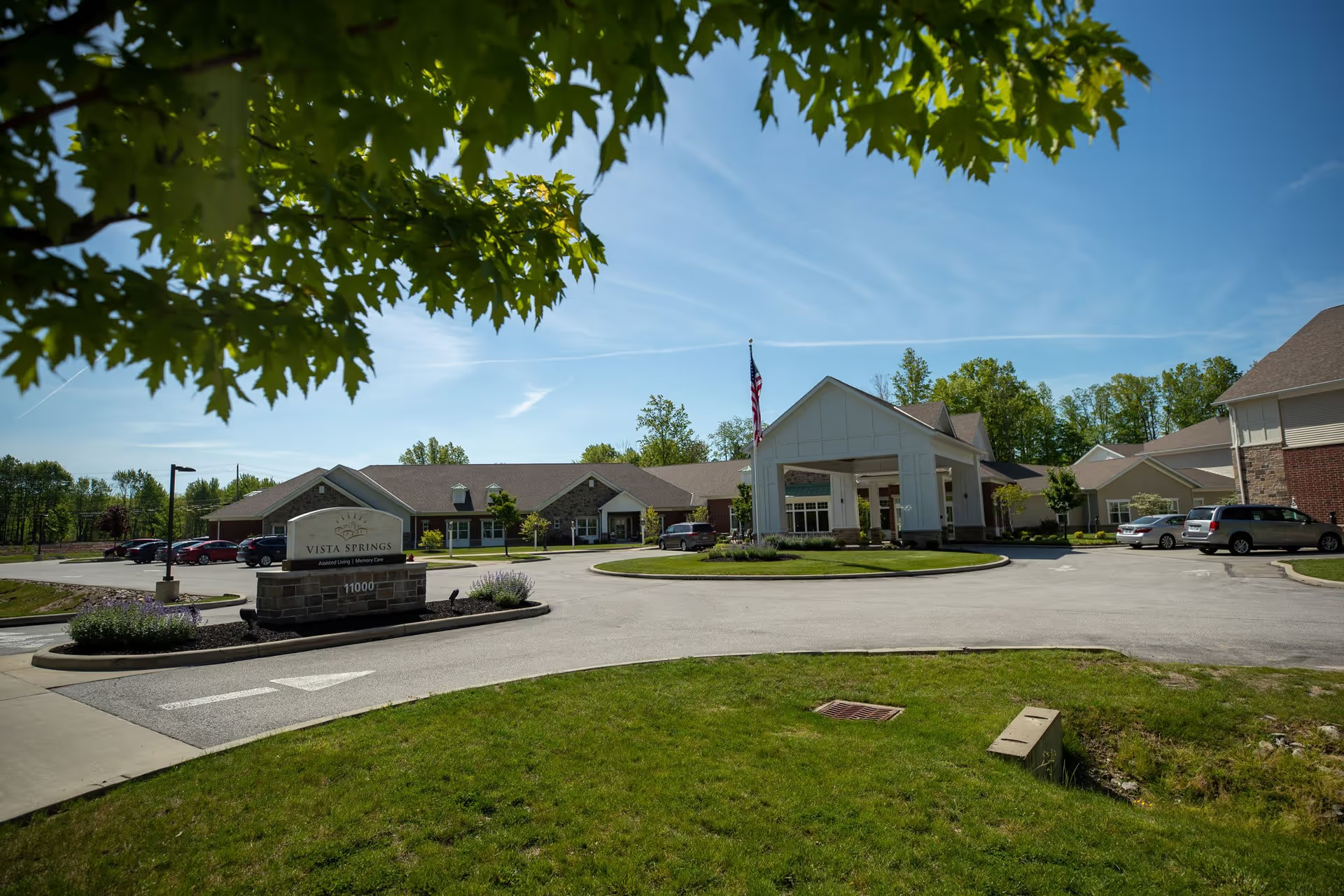
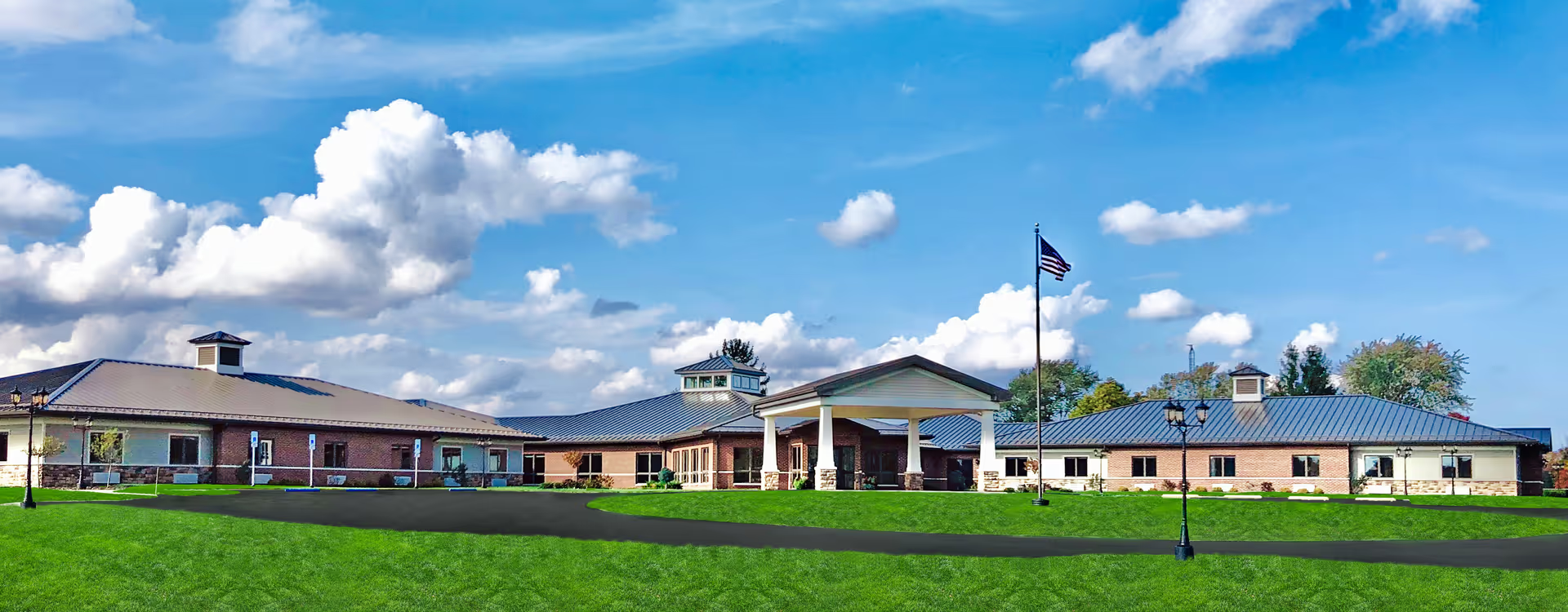
Country Club Retirement Campus elicits strongly polarized impressions. Many families and residents praise the facility for its compassionate, family-like caregiving culture, robust therapy and rehabilitation services, and a non‑institutional, apartment-style living model. The campus offers a range of care levels (independent living, assisted living, skilled nursing) in a wooded, peaceful setting close to medical providers, which many reviewers found convenient and reassuring.
Care quality and staff: The dominant positive theme is staff dedication. Reviewers frequently highlight caring nurses, attentive aides, and therapists who establish rapport and deliver measurable rehabilitation outcomes. Activity staff and long-term employees are often singled out for providing individualized attention, helping with orientation and move-in tasks, and supporting families through Medicaid and administrative questions. At the same time, there are recurring concerns about staffing variability: reviewers cite periods of limited assistance, slow response to requests, and inconsistent follow-through from some care staff. There are also reports indicating gaps in clinical oversight and care continuity that families recommend probing during tours.
Dining and nutrition: The dining program is a clear strength for many residents — restaurant-style service, wide menu choices, and staff willingness to customize meals are frequently mentioned. Conversely, reviewers also note variability in meal execution: instances of cold entrees, missing items, limited main-course availability, and occasional undercooking were cited, suggesting uneven meal‑service consistency and inventory control.
Activities and environment: Activity offerings are extensive and well-regarded, including outings, social events, religious services, and recreational options such as karaoke and pool table. The campus ambience — private apartments, home-like rooms, and wooded grounds — supports a non‑institutional feel that many find comforting. Some reviewers, however, described older common-area aesthetics that could feel less bright or updated in places.
Operations and management: While some families commend administrative staff for move-in assistance and financial guidance, there are repeated operational concerns. These include billing and financial-administration errors, communication delays (including unreturned calls), and inconsistent transparency from management about policies and care planning. There are also serious-sounding allegations related to administrative practices and decision-making around end-of-life communication; these are worth direct inquiry and verification. Sanitation and housekeeping quality is inconsistent across reports, with specific mentions of sanitation concerns and variable personal‑care schedules such as bathing frequency.
Notable patterns and guidance: The overall pattern is one of strong, committed caregiving and therapy services paired with operational variability in housekeeping, meal consistency, staff levels, and administrative follow-through. Prospective residents and families would benefit from an in-person tour that includes targeted questions about staffing ratios, recent clinical incidents and follow-up, housekeeping schedules, meal-service examples and inventory practices, billing procedures, and policies for end-of-life communication. Verifying current conditions and speaking with multiple staff members and families on site can help clarify whether the facility’s strengths align with an individual’s priorities.