Thistle House presents as a small, boutique senior living option that emphasizes a home-like atmosphere and personalized care. The community’s limited census (around 16 residents) and high staff-to-resident ratio are central features: families describe individualized attention, familiar, family-style caregiving, and dementia-aware communication techniques. Clinical supports noted in reviews include an on-site nurse practitioner and access to physical, occupational, and speech therapy, paired with a designated memory-care team. These elements together suggest a model oriented toward close supervision and dementia-sensitive daily living rather than high-acuity institutional care.
Staff and management are repeatedly highlighted as strengths. Reviews emphasize engaged, compassionate caregivers and hands-on leadership from ownership and the director, who are described as accessible and responsive. This culture appears to foster strong resident–staff relationships, timely communication with families, and attention to detail in daily care. The operational model’s reliance on active, visible management contributes to a personalized environment but also implies potential operational risk if leadership changes or availability shifts.
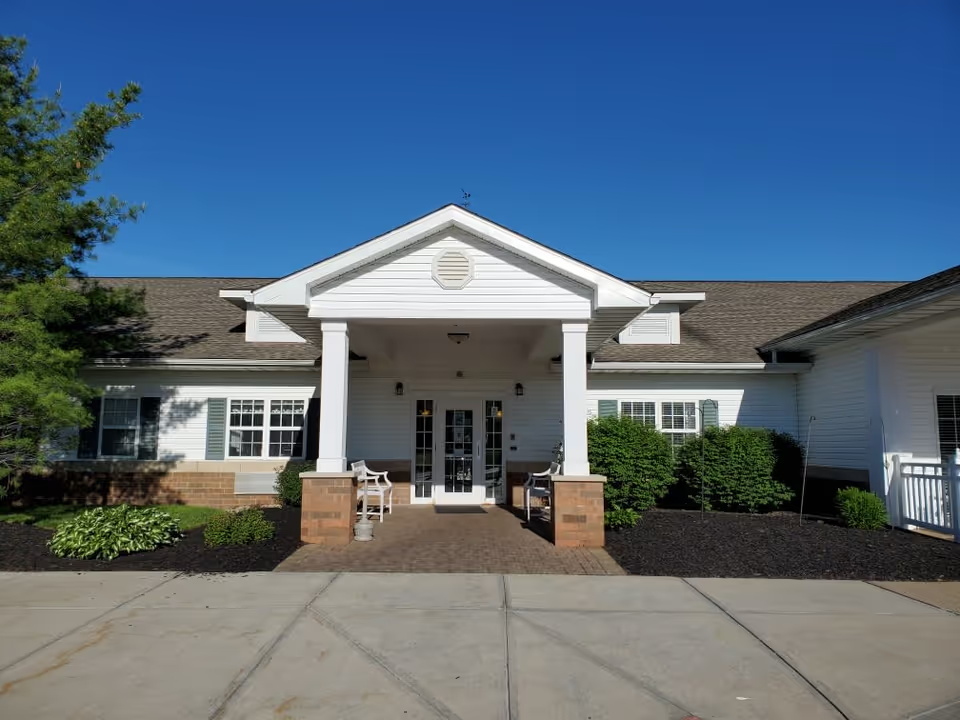
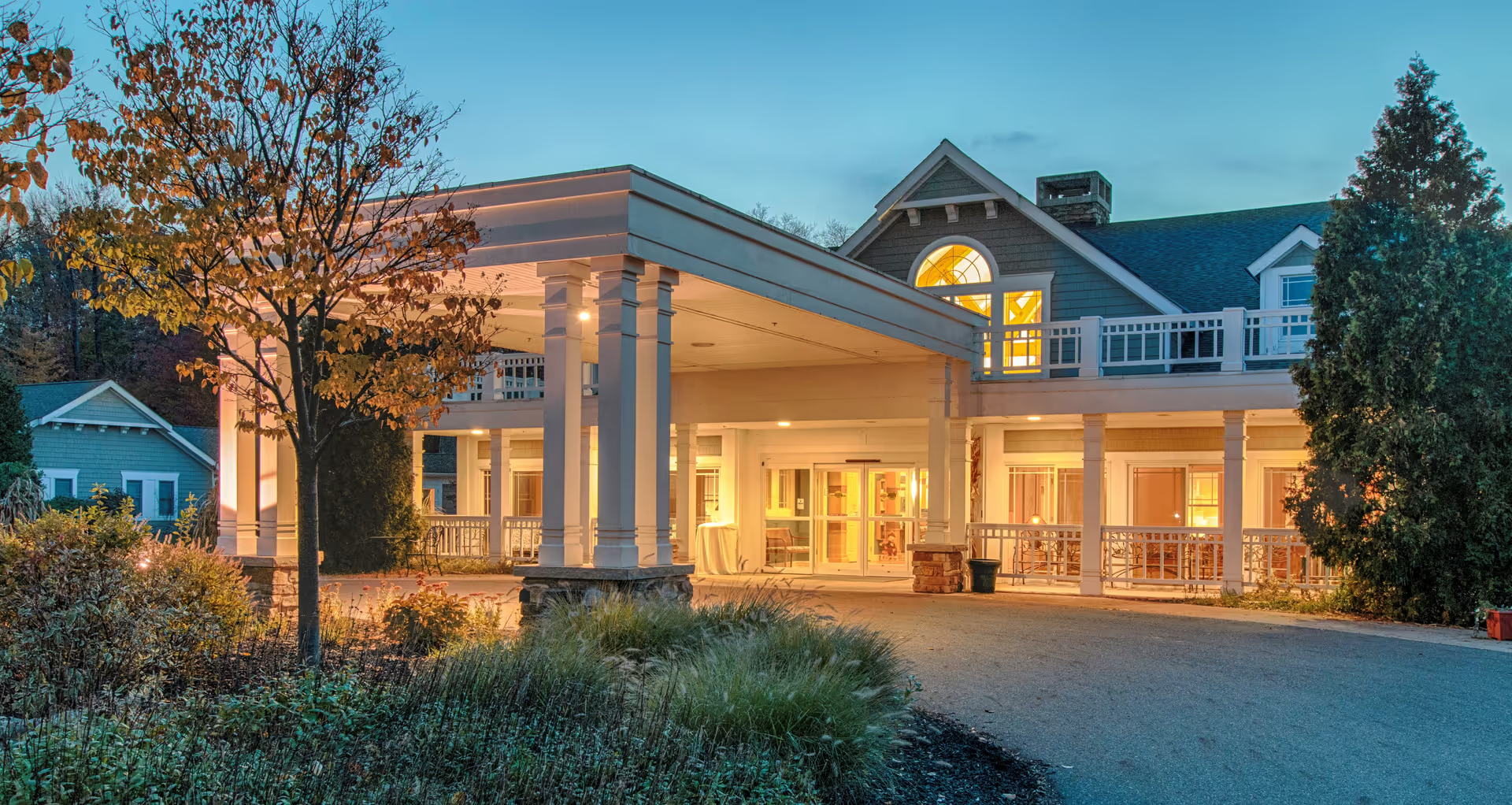
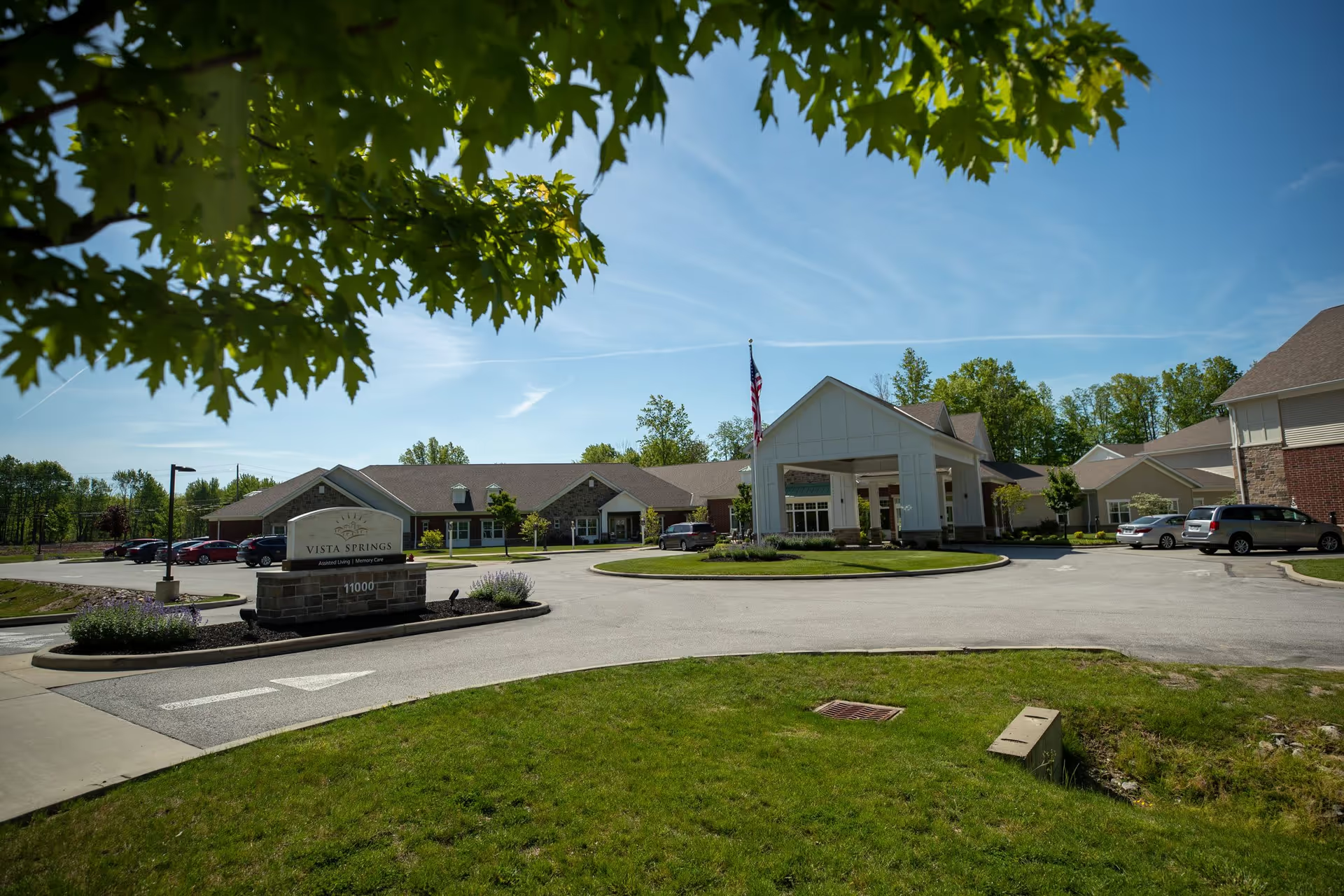
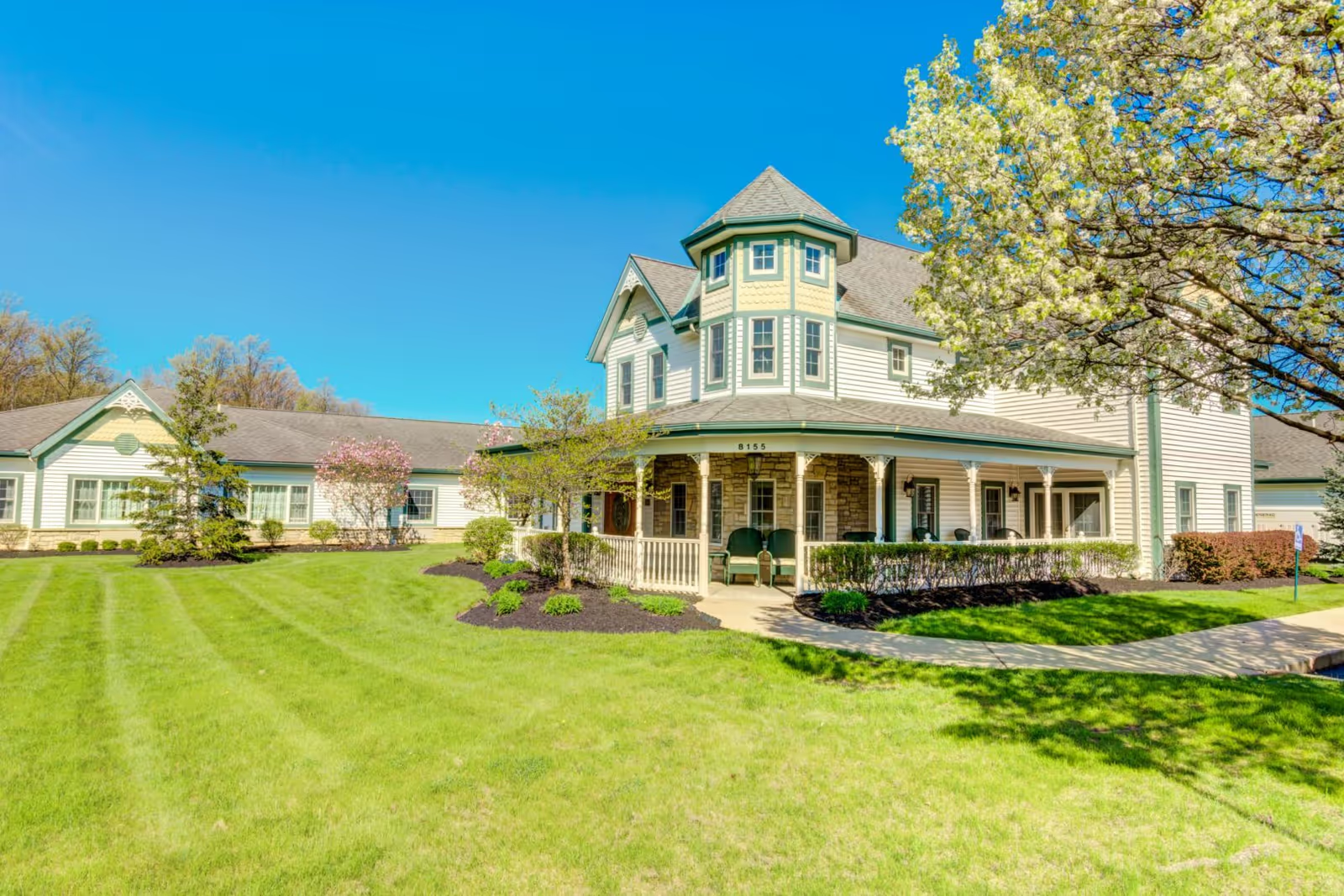
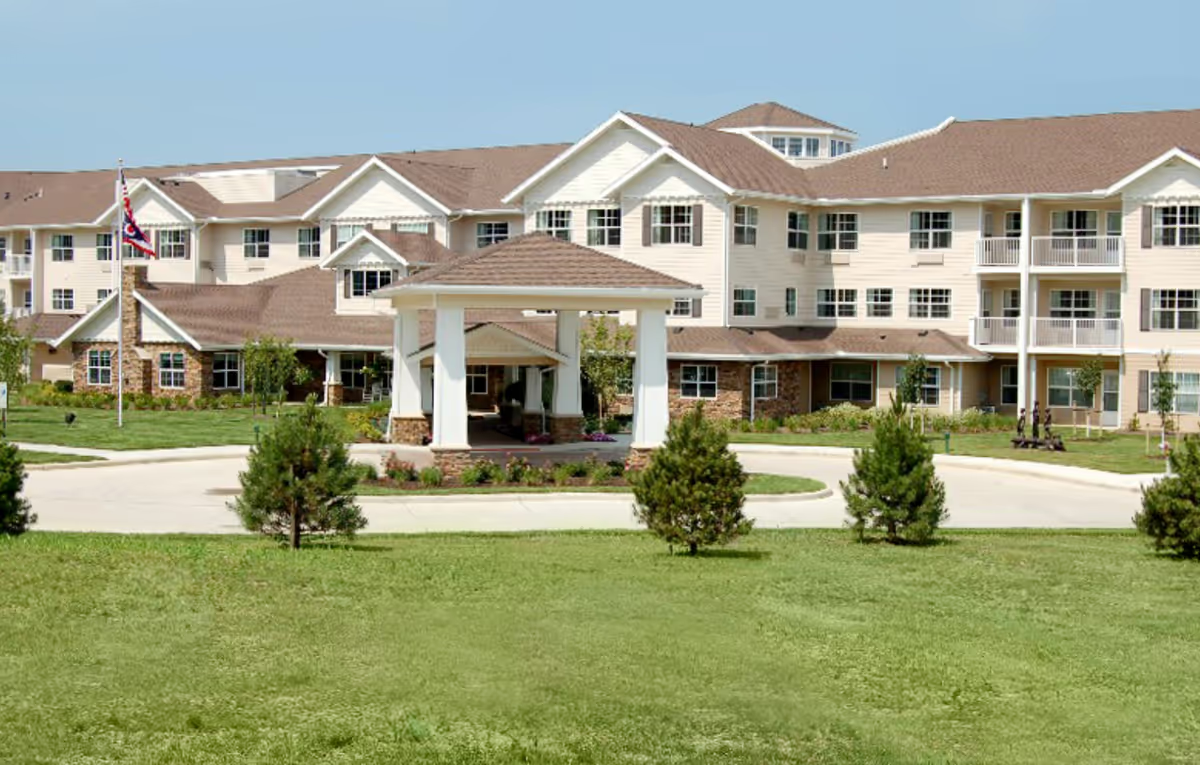
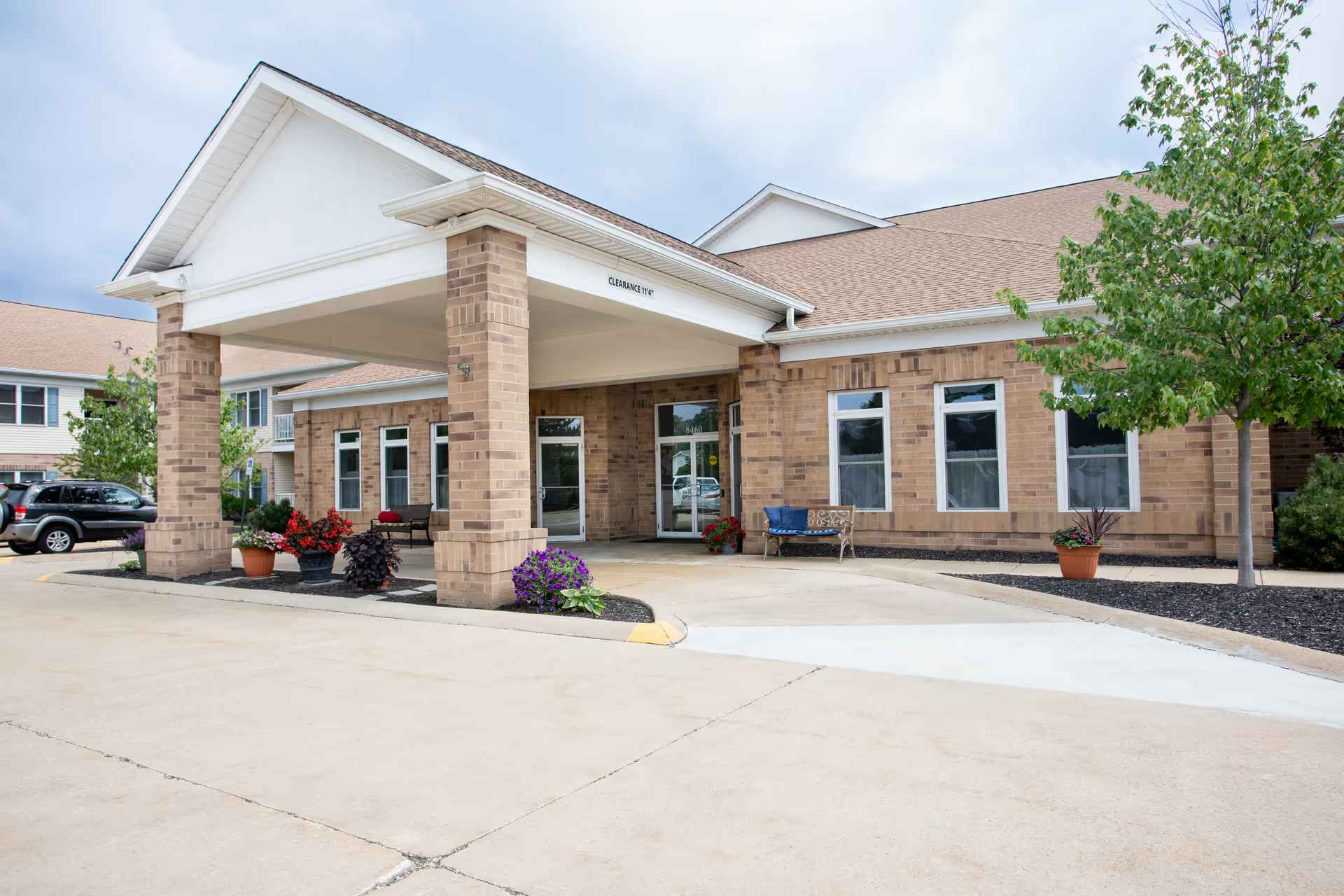
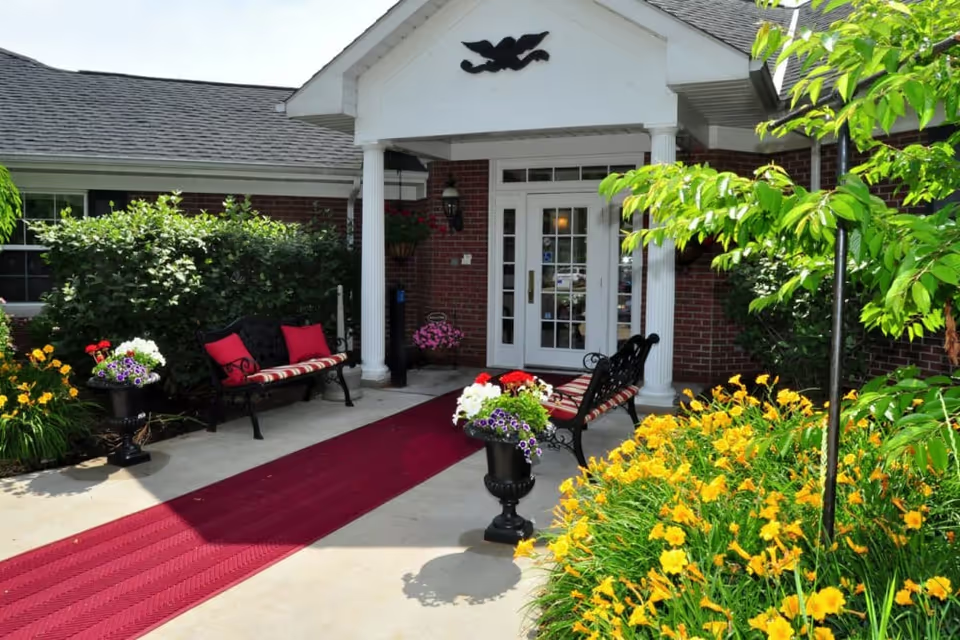
Dining, activities, and facilities draw consistent praise. The facility is described as clean and newly built, with spacious private rooms and attractive common spaces, including a notable dining room. An on-site chef prepares fresh, farm-to-table meals; families report high food quality and a pleasant dining experience. Activity programming is varied for a small community: scheduled exercise and chair yoga, games throughout the day, themed social nights (bowling night), arts and crafts, outings, and occasional complimentary services such as massage. This combination supports social engagement and maintenance of functional abilities for residents who can participate in community programming.
There are operational limitations to weigh alongside the positives. The small size that creates intimacy can also mean limited bed capacity and potential waitlists. Compared with larger facilities, Thistle House may have less depth of on-site specialty medical coverage and fewer economies of scale for very specialized services; families with high-acuity clinical needs should verify staffing mix, overnight nursing coverage, emergency protocols, and transfer arrangements. Program variety may be constrained if a future resident cohort is larger or has markedly different interests/abilities than current residents.
Overall, Thistle House appears well suited for families seeking a small, home-like memory-care or assisted-living environment with attentive staff, strong leadership, high cleanliness standards, and quality dining and activities. Prospective residents and families should arrange an in-person visit, discuss clinical coverage and contingency plans with the director, confirm current availability or waitlist status, and review medication-management and emergency-response procedures to ensure the community matches the resident’s medical and social needs.