Reviewer accounts present a mixed picture of Austinburg Nursing Home & Rehabilitation Center with a strong split between families who describe high-quality, compassionate care and those who identify operational shortcomings. Many families praised individual staff members, therapy teams, and an attractive, bright physical environment; at the same time, others raised substantive concerns about core care processes and housekeeping. The overall pattern is one of polarized experiences rather than uniform quality.
Care and clinical practices: Several families highlighted excellent rehabilitation services (notably physical and occupational therapy) and clinicians who facilitated measurable progress. Multiple accounts also describe staff who provided meaningful emotional and practical support during discharge and end-of-life situations. Counterbalancing those positives are recurring concerns about responsiveness to resident needs, delays in medication administration, and gaps in clinical documentation. A few families described delayed attention to incontinence-care needs and to requests for pain relief, which suggests unevenness in day-to-day nursing responsiveness and medication-timing practices.
Staff and communication: Staff quality appears variable. Many reviewers singled out compassionate, experienced caregivers and helpful therapists; some described friendly reception staff and continuity with seasoned team members. Others described poor communication tone, unresponsiveness from unit staff, and limited administrative follow-up when families escalated concerns. Staffing shortages were cited as a contributing factor to delayed responses and reduced availability of scheduled supports. These themes point to inconsistent staff performance and communication processes across shifts and units.
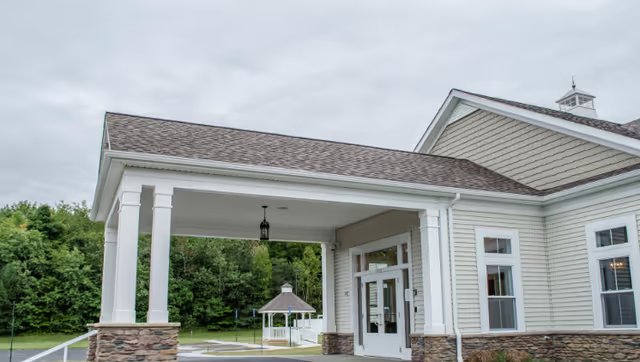
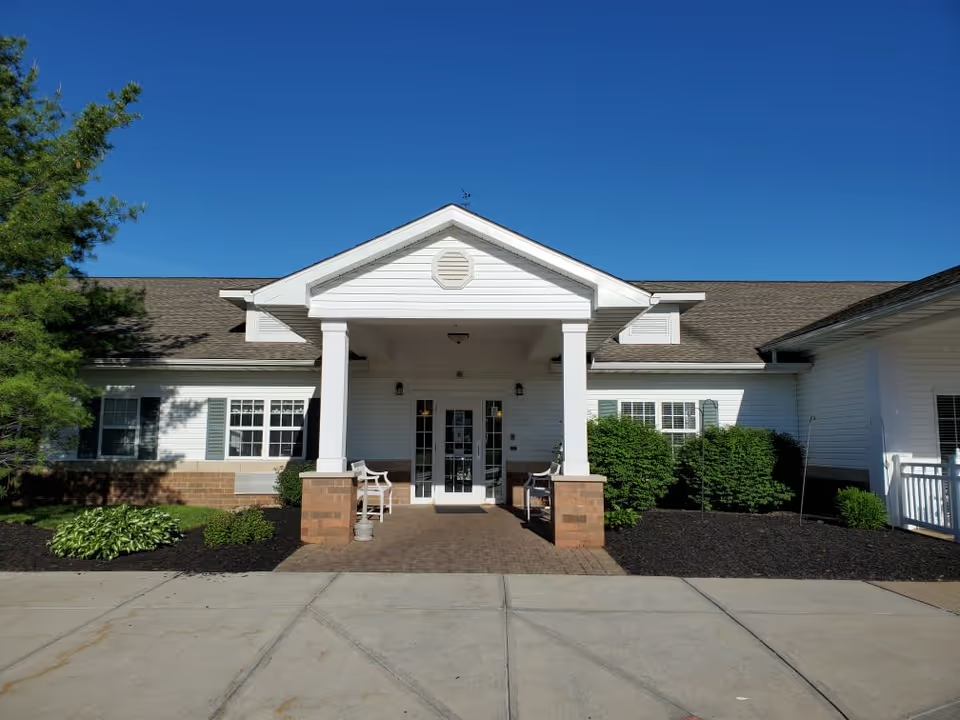
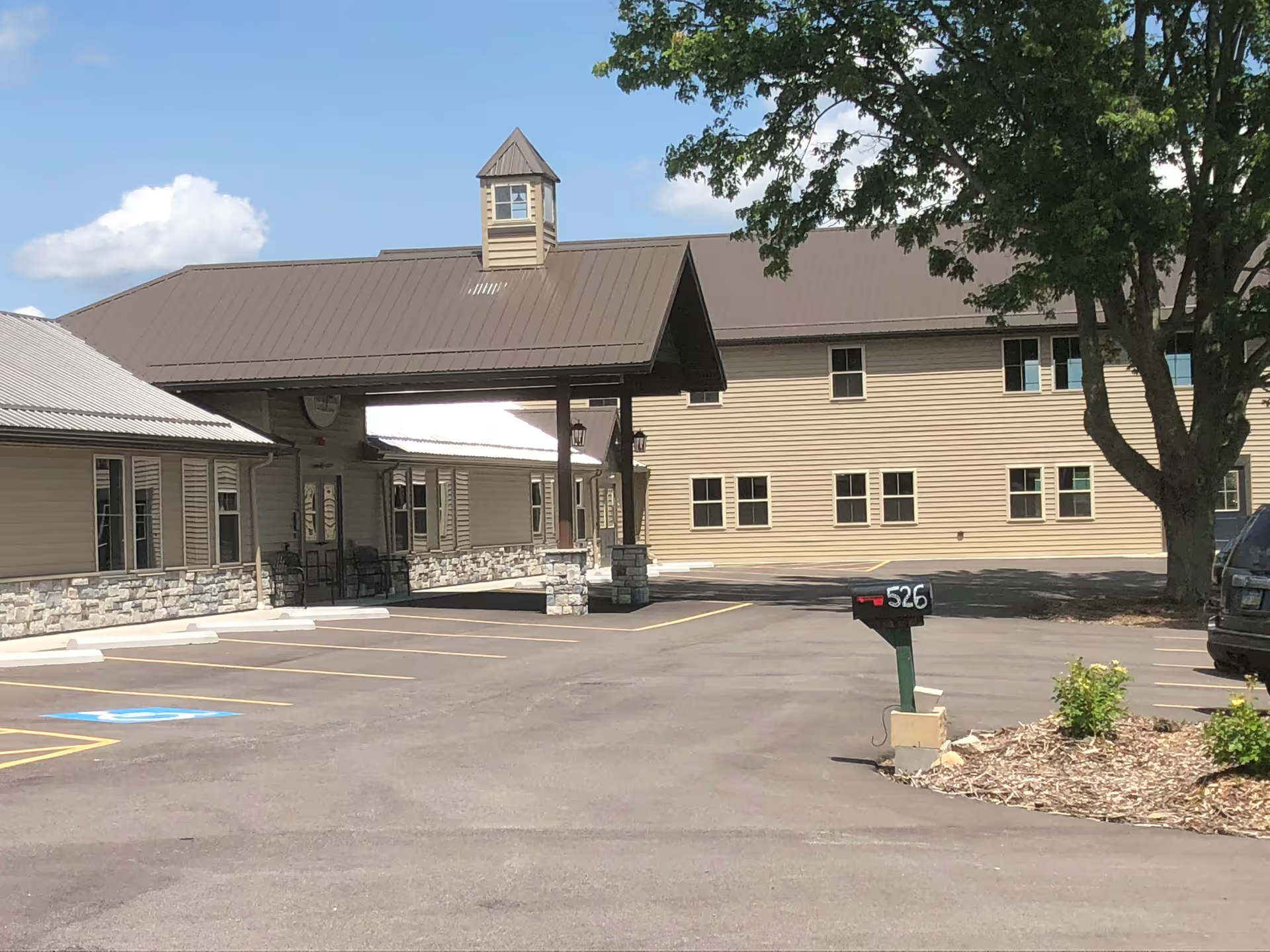
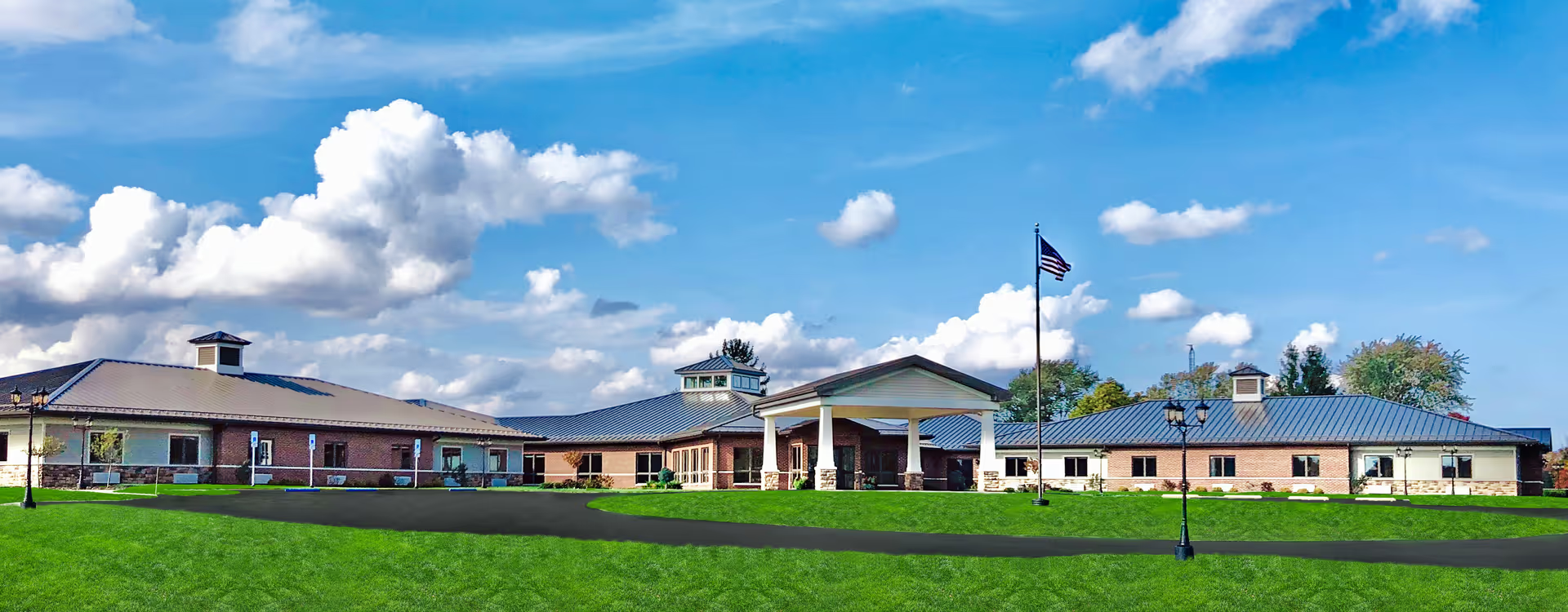
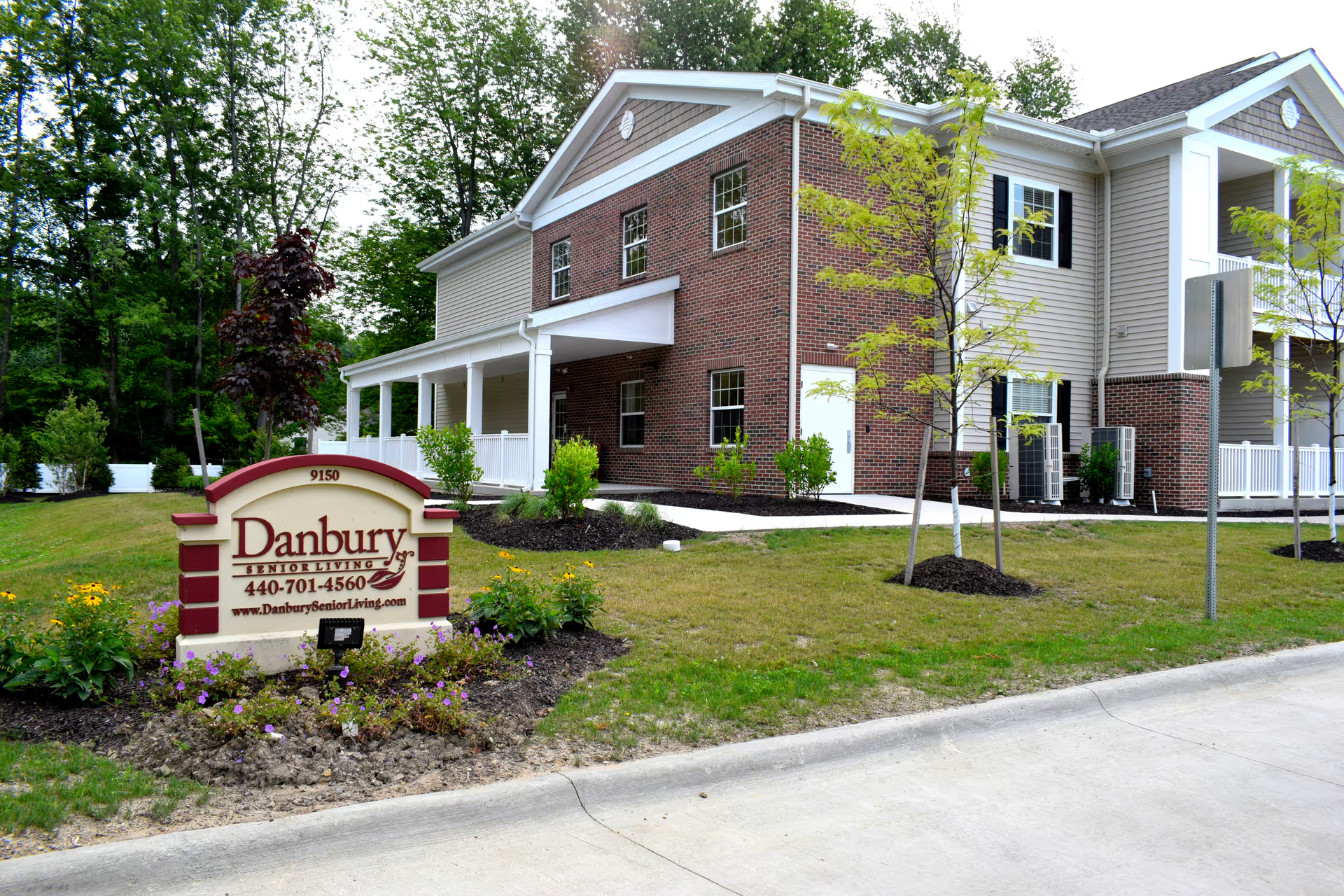
Dining, activities, and facilities: The facility’s environment is frequently described as bright, spacious, and attractively furnished, with well‑appointed resident rooms and appealing meal presentation. Activity programming receives mixed feedback: several families praised outdoor events, games, music therapy, and field trips that boosted morale, while others experienced irregular or absent activity schedules and pandemic-related amenity restrictions. Housekeeping and sanitation were also uneven; some families reported cleanliness and pleasant common areas, whereas others noted cleanliness lapses and odor concerns in certain spaces, indicating inconsistent housekeeping standards.
Management and notable patterns: Comments about leadership are divided. Some reviewers commended administrators and specific staff for going above and beyond, supporting families through difficult moments, and maintaining good clinical coordination. Other reviewers perceived a decline in standards following management changes and described slow or inadequate administrative responses to complaints. Taken together, the reviews indicate an operational pattern where high-performing teams deliver strong rehabilitation and family support in some cases, while systemic issues — staffing variability, documentation and medication-timing gaps, inconsistent housekeeping, and uneven activity programming — create risk for inconsistent resident experience.
Practical takeaway: Prospective residents and families should weigh the facility’s clear strengths in therapy and several examples of compassionate staff against the documented operational inconsistencies. When evaluating placement, consider asking for recent staffing ratios, examples of medication‑administration safeguards, housekeeping schedules, activity calendars, and how the facility documents and communicates clinical changes to families. A site visit that includes conversations with therapy staff, nursing leadership, and current families may clarify whether the day‑to‑day experience at the time of decision aligns with your expectations for safety, responsiveness, and program continuity.