The reviews present a mixed but instructive picture. Many accounts highlight strong clinical rehabilitation services and a generally compassionate staff, while a smaller number of serious concerns point to variability in daily operations and leadership follow-through. Prospective residents and families should weigh the facility’s documented clinical strengths against consistency and management issues when making decisions.
Care quality and clinical services: Several comments emphasize excellent physical and occupational therapy and effective hospice support; reviewers credited the therapy department with meaningful functional gains. Multiple accounts also noted that routine medical needs were met and that some staff went beyond expectations to provide personalized attention. However, a pattern of inconsistent care across different shifts emerges: daytime care is often described as attentive while evening-shift performance and medication timing drew criticism. There are also pronounced concerns related to end-of-life care and the facility’s communication after adverse events, which warrant direct inquiry during a tour.
Staff and management: Staff are frequently described as caring, friendly, and family-oriented; administration is also commended in places for being hands-on and accessible. The facility appears to foster a positive workplace culture for many employees, which can support continuity of care. Counterbalancing these positives are reports of variable staff conduct and tone, and statements indicating that management’s responsiveness to complaints can be limited. These items point to potential gaps in complaint-resolution processes and supervisory consistency.
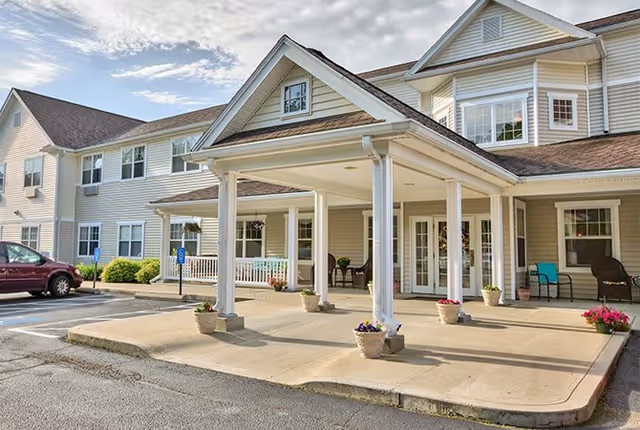
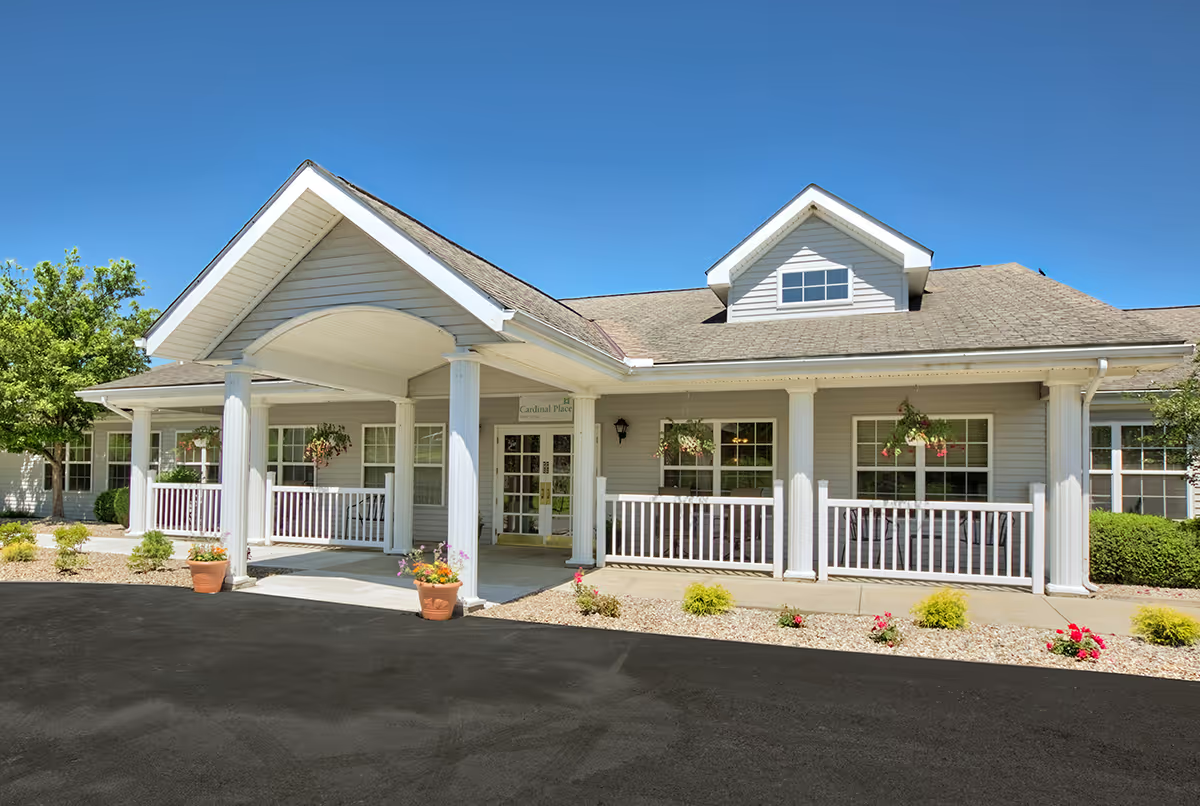
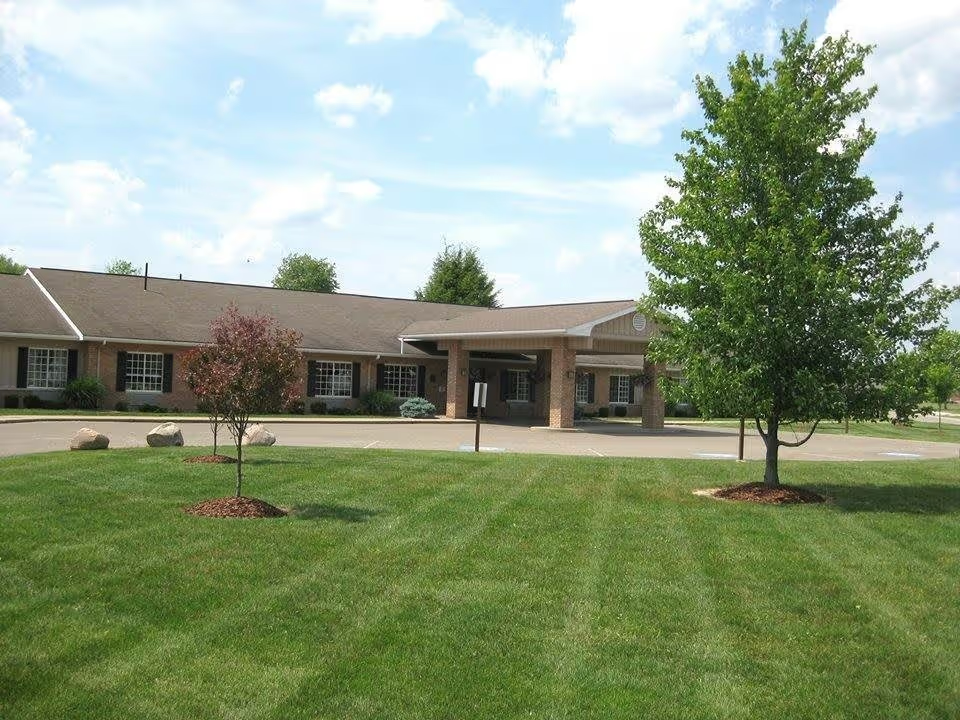
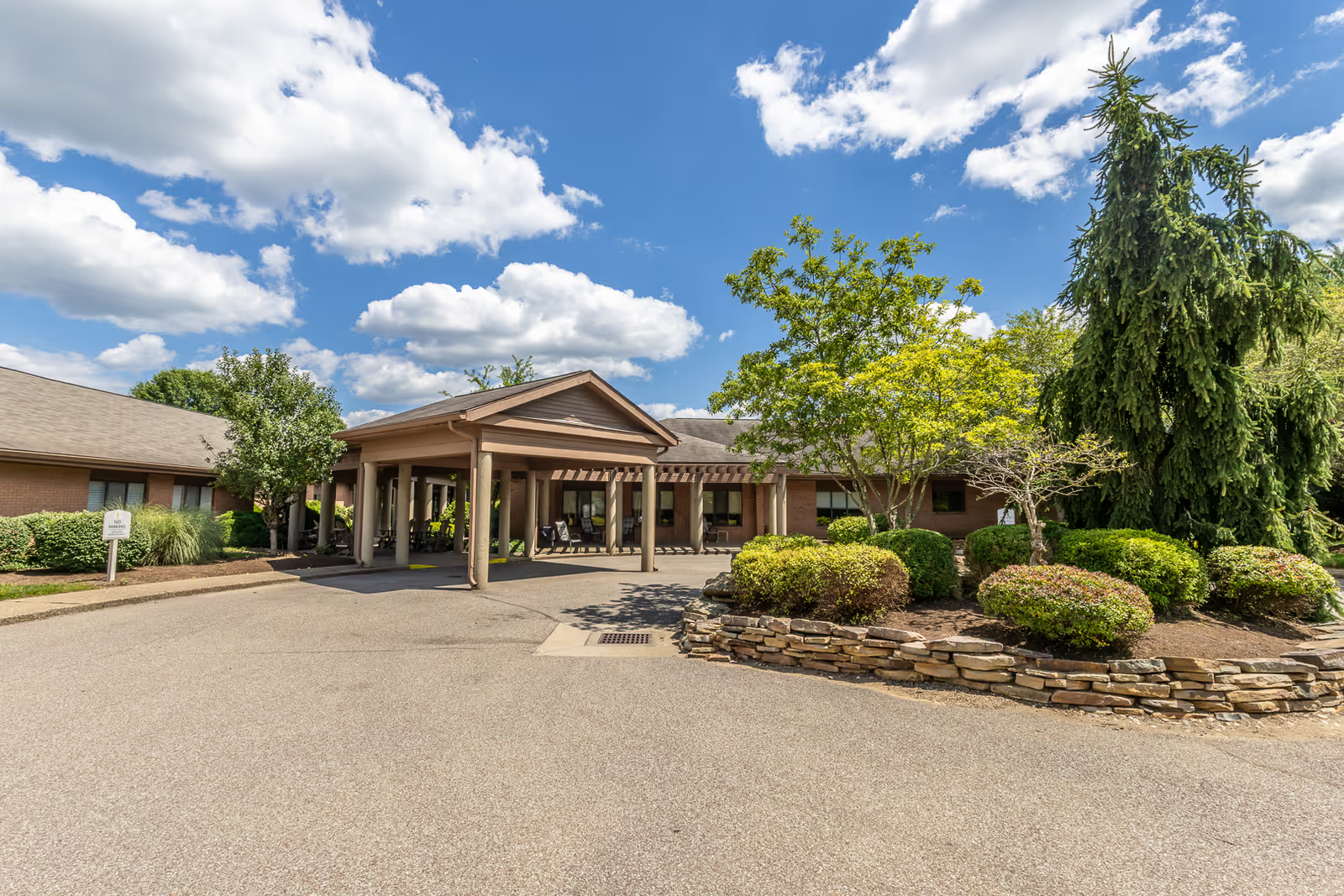
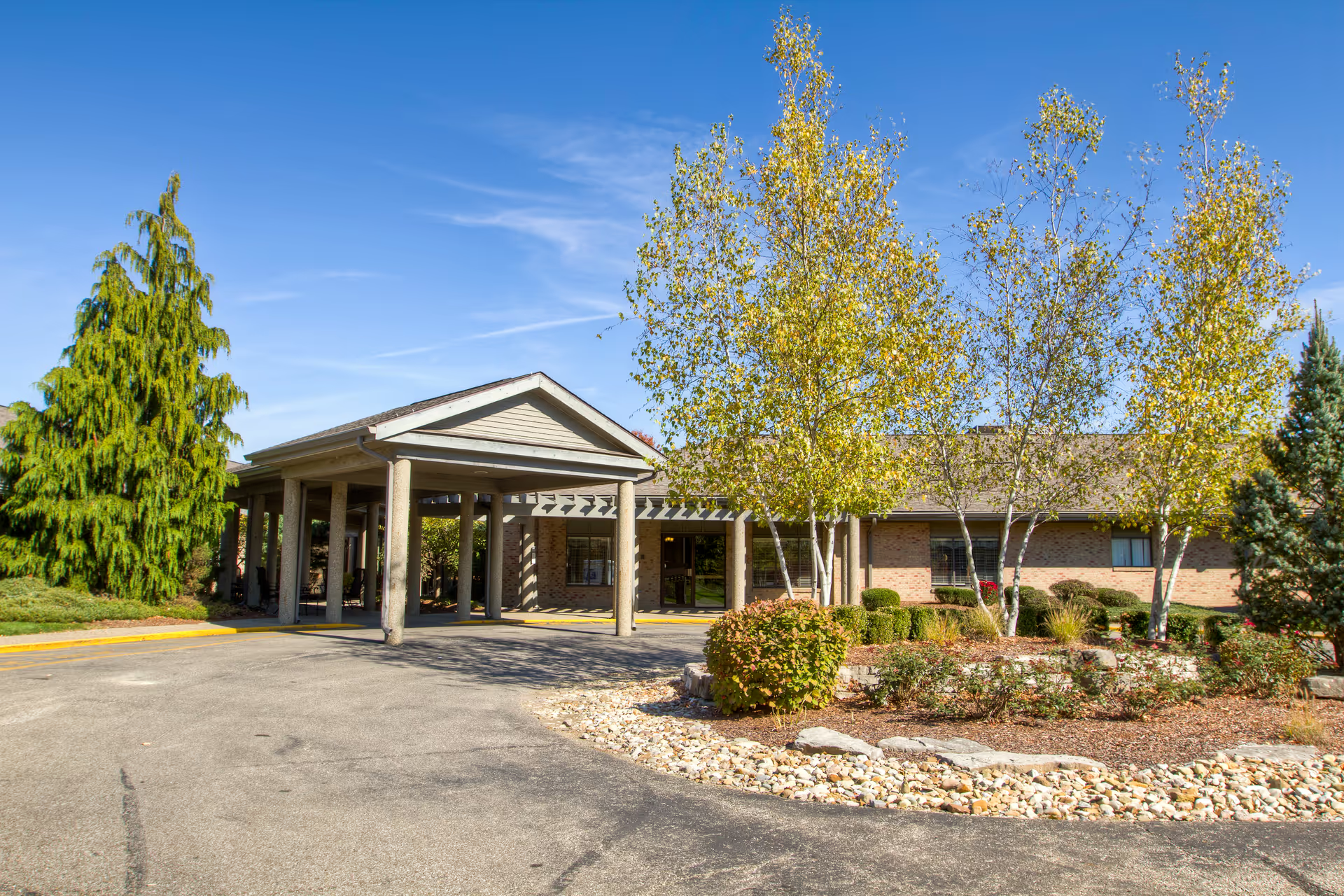
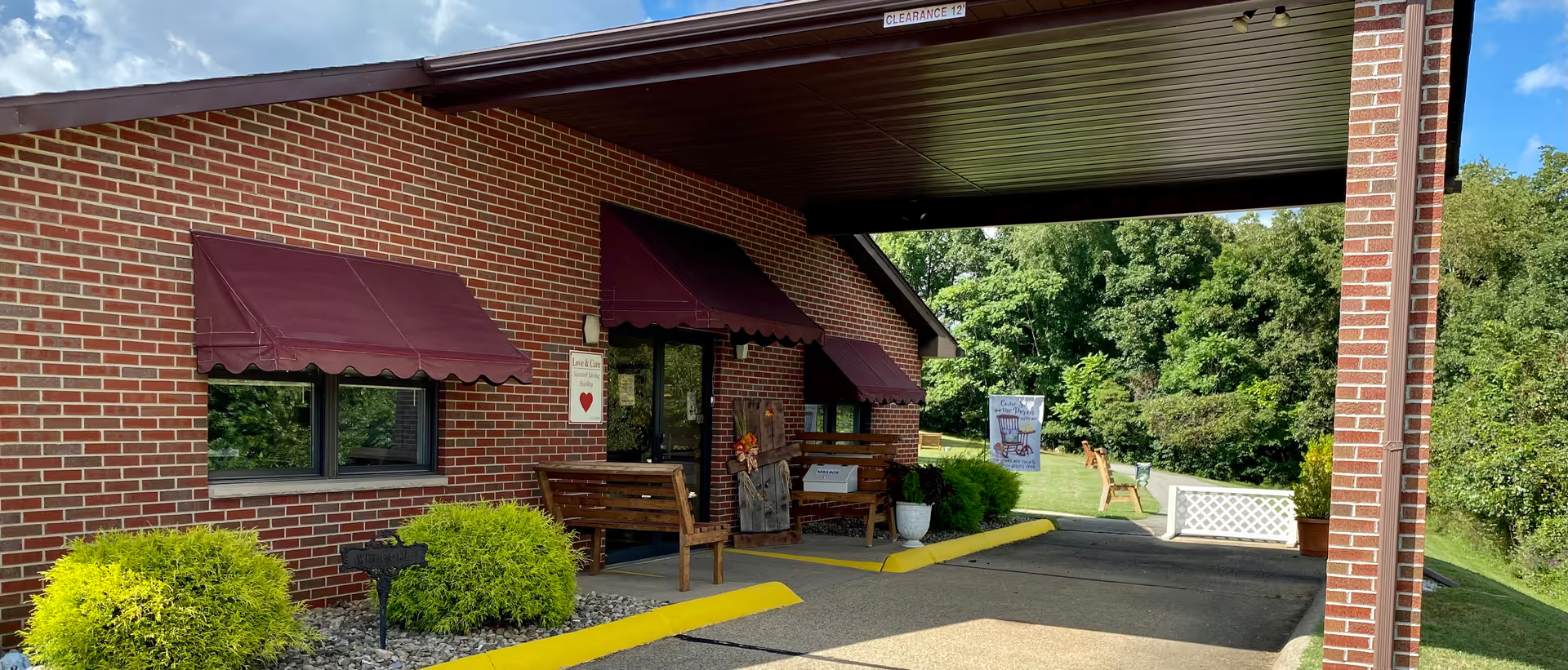
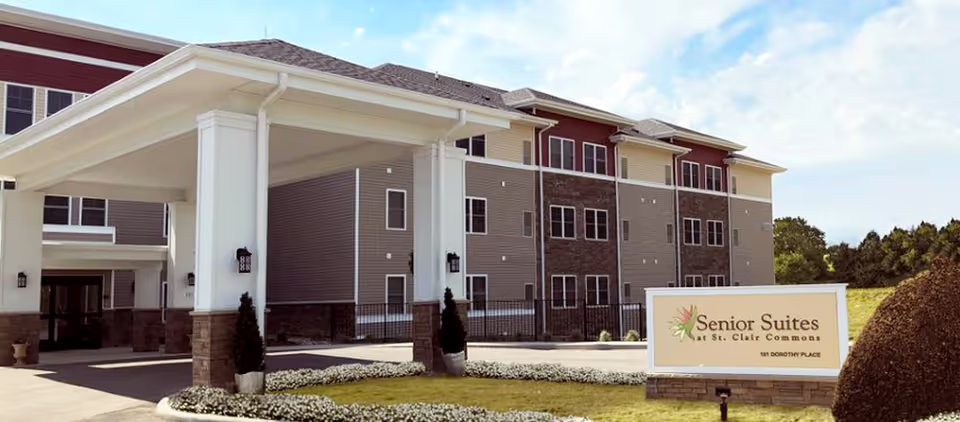
Facilities, dining, and activities: The physical environment is repeatedly described as clean, well maintained, and orderly, although it is not consistently characterized as modern or new. Reviewers did not provide extensive detail about dining quality or the activity program, so there is limited evidence to assess those areas fully. Given the facility’s older infrastructure in places, families should ask specifically about amenity updates, recreational programming, and meal-service routines during a visit.
Notable patterns and guidance: Overall, the facility demonstrates clear strengths in rehabilitation, hospice, and interpersonal caregiving, supported by visible administrative involvement and a staff that many describe as going above and beyond. The principal operational risks are inconsistency across shifts, medication-timing reliability, variability in staff communication style, and gaps in management follow-up—along with concerns raised about end-of-life care and post-event communication. When evaluating this provider, ask targeted questions about staffing levels by shift, medication-administration protocols and documentation, incident escalation procedures, infection-control and outbreak communication practices, and how end-of-life situations are handled and communicated to families. A focused tour and specific follow-up on these topics will help determine whether the facility’s strengths align with a family’s priorities.