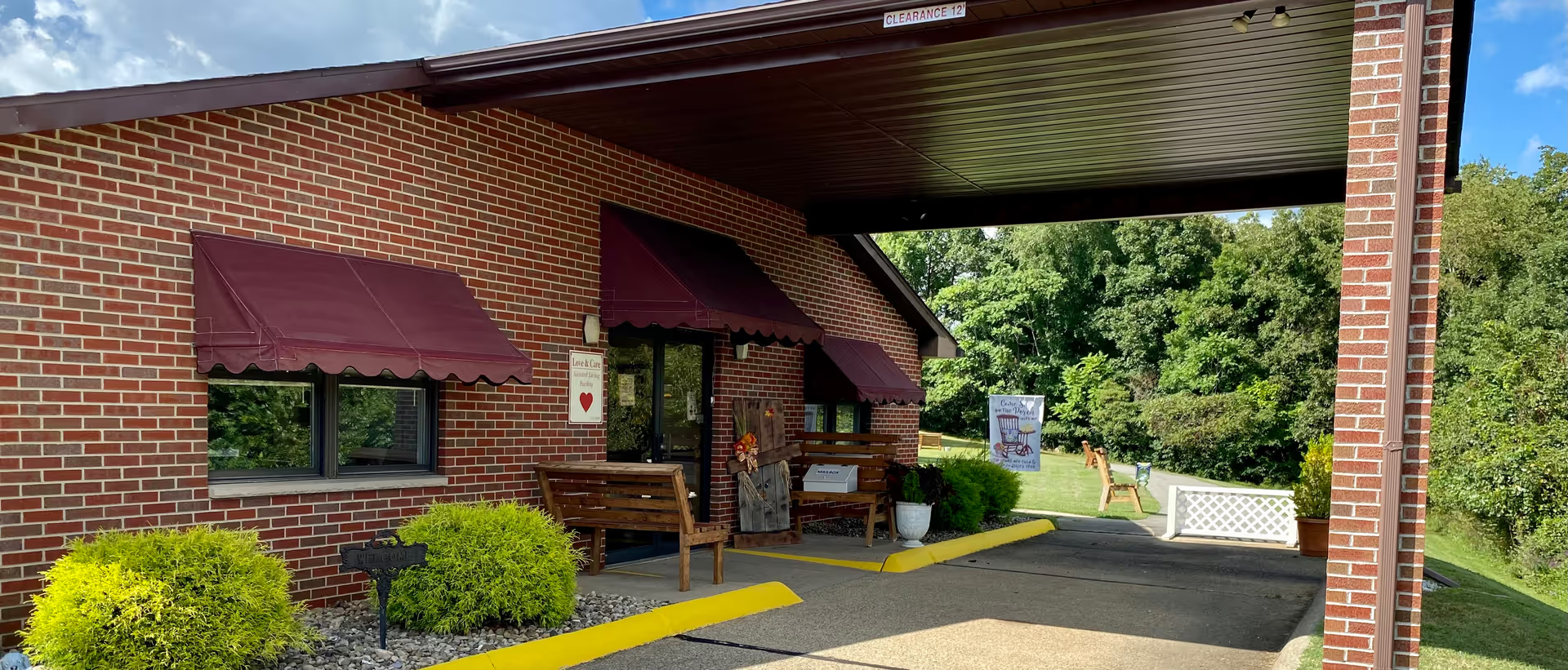
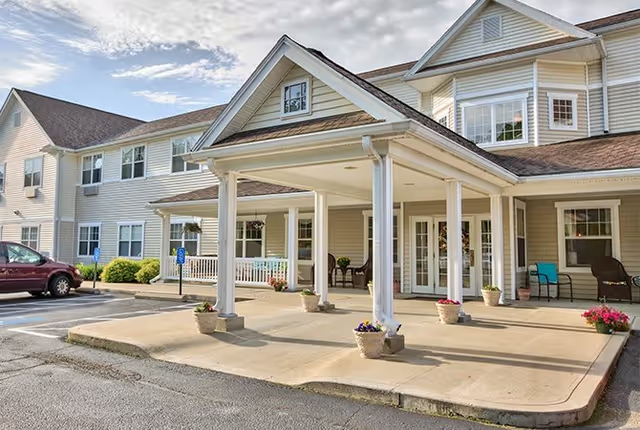
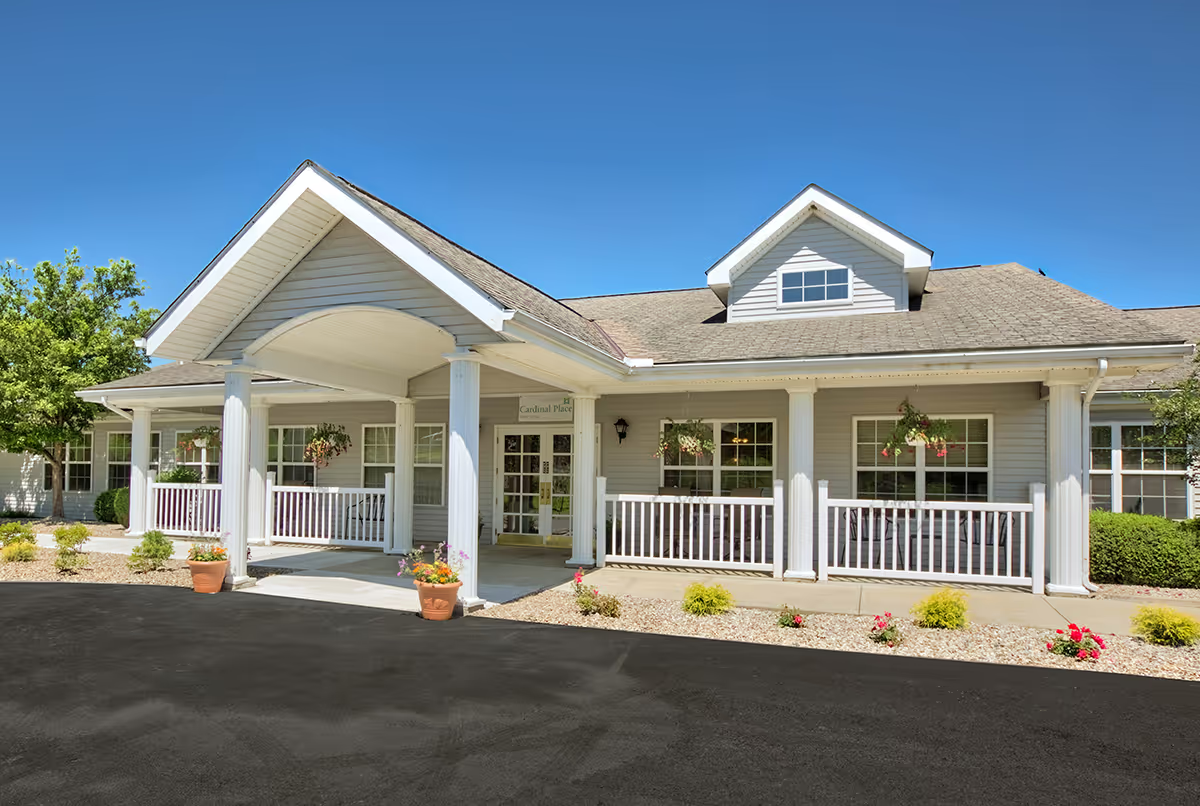
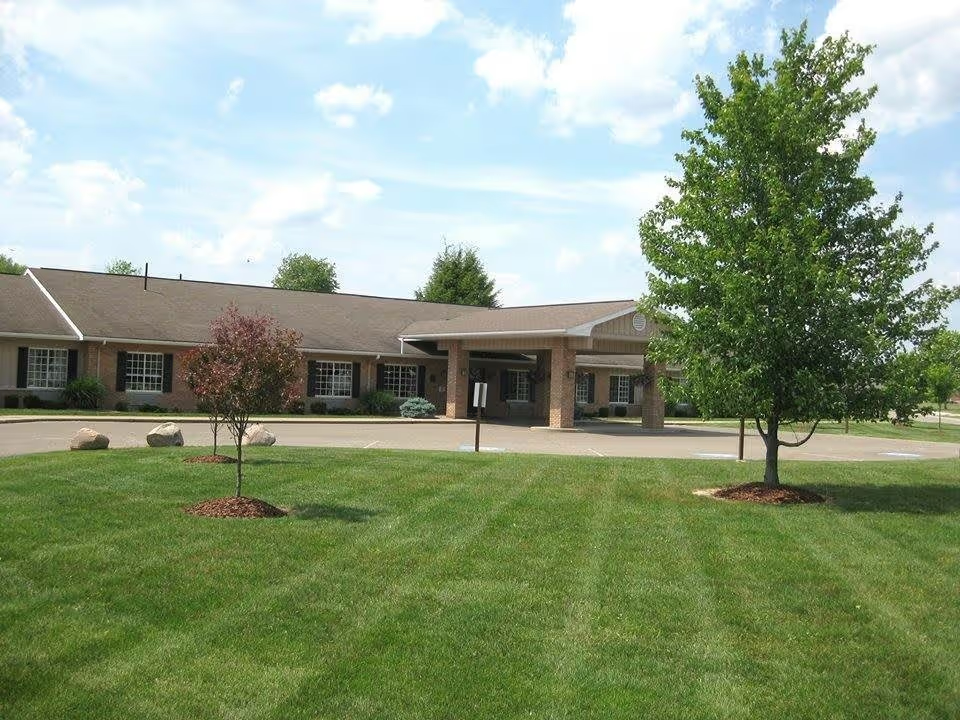
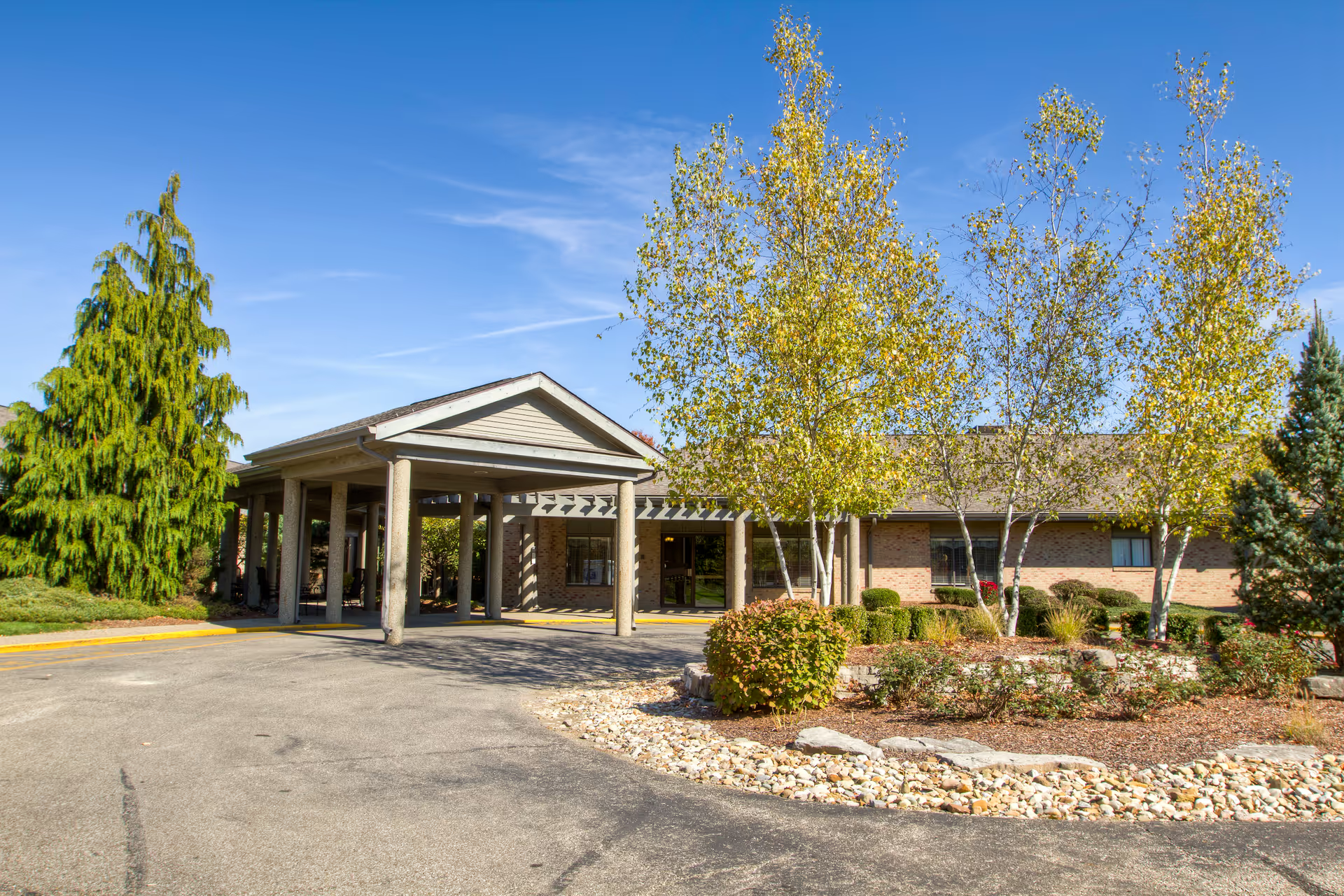
Overall impression: Reviews describe Elison Assisted Living & Memory Care of Marietta as a generally well-kept, social community with many families and visitors praising its housekeeping, dining, and activity programming. The campus and common areas are frequently described as clean, airy, and hotel-like, with pleasant outdoor space and organized social events that contribute to a family-like atmosphere. Many families cited peace of mind, compassionate staff, and an engaged memory-care program that treats residents with dignity.
Care quality and clinical concerns: Clinical care receives mixed but largely positive remarks; reviewers praise caring nurses, regular evaluations in memory care, and on-site therapy services. At the same time, a recurrent operational concern is inconsistent staffing coverage and fewer licensed clinical staff on some shifts, which reviewers linked to delays in medication administration and incontinence-care timeliness. These issues appeared shift- and unit-dependent: some families report excellent, attentive care while others experienced gaps in responsiveness or supervision at particular times.
Staff and management: Staff are commonly described as friendly, respectful, and willing to go the extra mile, and leadership in some areas has been singled out positively. Several reviewers also noted strong family communication through a patient concierge. Contrastingly, other comments point to high turnover, short staffing, and uneven issue resolution. A smaller subset of comments raised serious concerns about billing, deposit handling, and refund practices; these are presented here as allegations that merit direct inquiry by prospective families.
Dining and activities: Dining is a clear strength for many reviewers—chef-prepared, restaurant-style meals with menus and customization are repeatedly praised, and dining staff are described as pleasant and engaging. However, a number of families described the food as inconsistent, characterizing quality as variable. Activity programming is broad and includes crafts, outings, birthday celebrations, church services, and therapy-based offerings; the social calendar supports resident engagement. That said, reviewers also reported inconsistent encouragement for resident participation and variable attendance, which appears related to staffing and scheduling practices.
Facilities and logistics: Physical facilities are generally well-regarded—spacious dining rooms, nicely decorated units in some cases, and walkable grounds. Some unit types (particularly smaller studios) were judged less suitable by some families due to layout and size. Operational logistics that drew concern include difficulty coordinating external medical providers, dialysis transportation issues, and limited availability in the memory-care wing at times. Price and perceived value vary across reviewers, with some describing the community as worth the cost and others citing above-market pricing or unexpected increases.
Notable patterns and recommendations: The dominant pattern is one of variability — many families report excellent experiences across care, staffing, meals, and activities, while a subset describe operational shortfalls that materially affected care or finances. Prospective residents and families should tour during mealtimes and activity hours, ask for current staffing ratios and RN coverage per shift, request written medication- and incontinence-care protocols, confirm transportation and external-provider coordination practices, and review billing/refund policies in writing. Observing mealtimes, speaking with memory-care leadership, and checking recent state inspection or complaint history can help reconcile the range of experiences described in these reviews.