Overall impression: Reviews present a mixed but actionable picture. Many accounts emphasize a warm, clean facility with caring direct-care staff and effective rehabilitation services; however, recurring operational issues raise concerns about consistency in day-to-day care and leadership oversight.
Care quality and clinical concerns: Positive experiences center on compassionate nursing, attentive aides, and effective therapy teams who facilitate discharge and rehabilitation. These strengths are counterbalanced by repeated descriptions of understaffing, delayed responses to call bells, and concerns about medication administration controls. There are also references to bed-safety and fall-prevention gaps that suggest the facility may be better equipped for ambulatory or short-term rehab residents than for higher-acuity long-term care without additional safeguards.
Staff and management: Many reviewers praise frontline staff for kindness, teamwork, and creating a family-like culture; long-term connections with staff and gratitude for hospice or transition support are frequently noted. At the same time, several accounts point to inconsistent managerial responsiveness, occasional unprofessional behavior in supervisory roles, and perceptions that administrative priorities may emphasize occupancy. These management-level inconsistencies appear to affect staff morale in some departments and the facility’s responsiveness to serious operational issues.
Dining and activities: Dining experiences vary. Multiple reviewers report pleasant meals and responsive correction of initial problems, and therapy/dining staff receive specific commendations in rehabilitation stays. Conversely, there are operational complaints about slow food service and intermittent dining-quality issues that can affect resident satisfaction, particularly during peak service times.
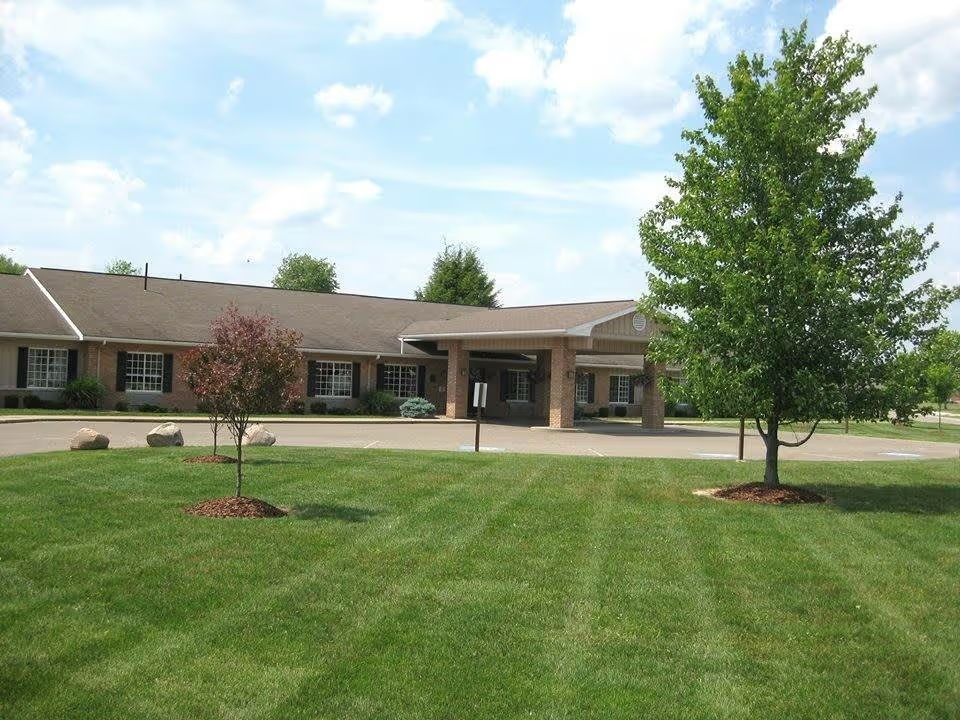
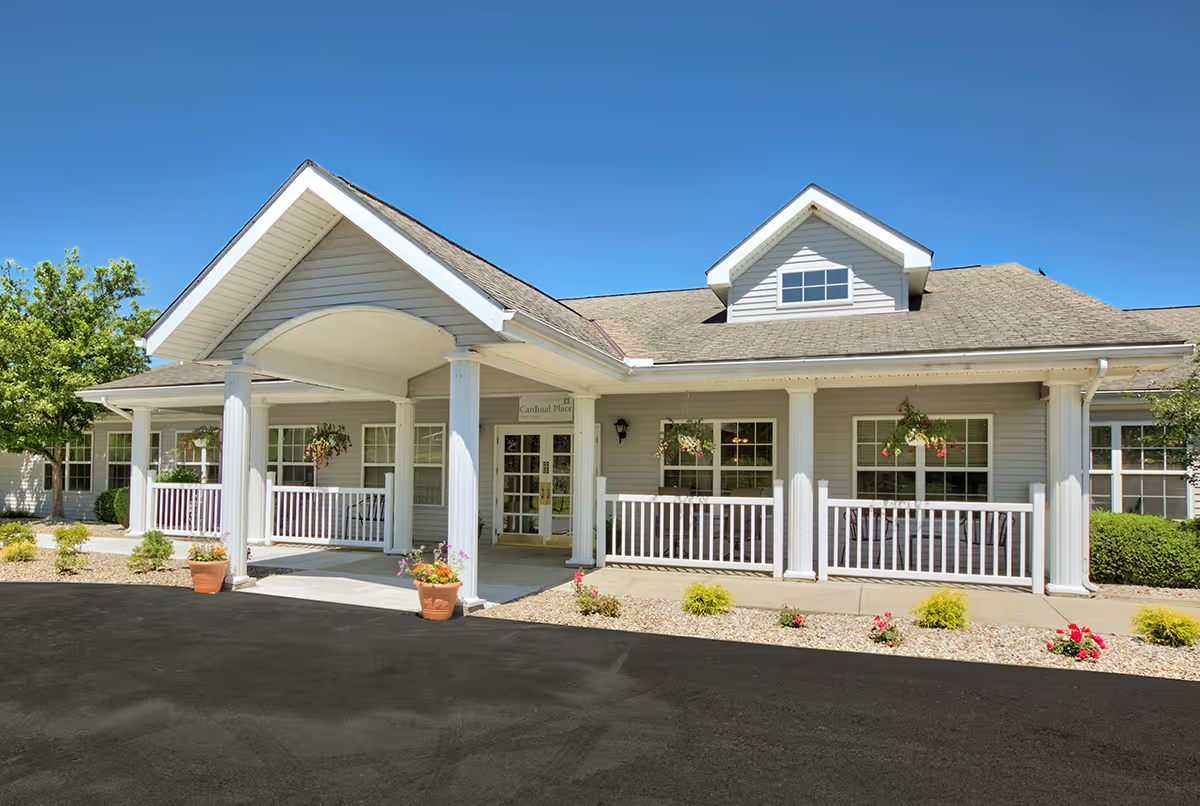
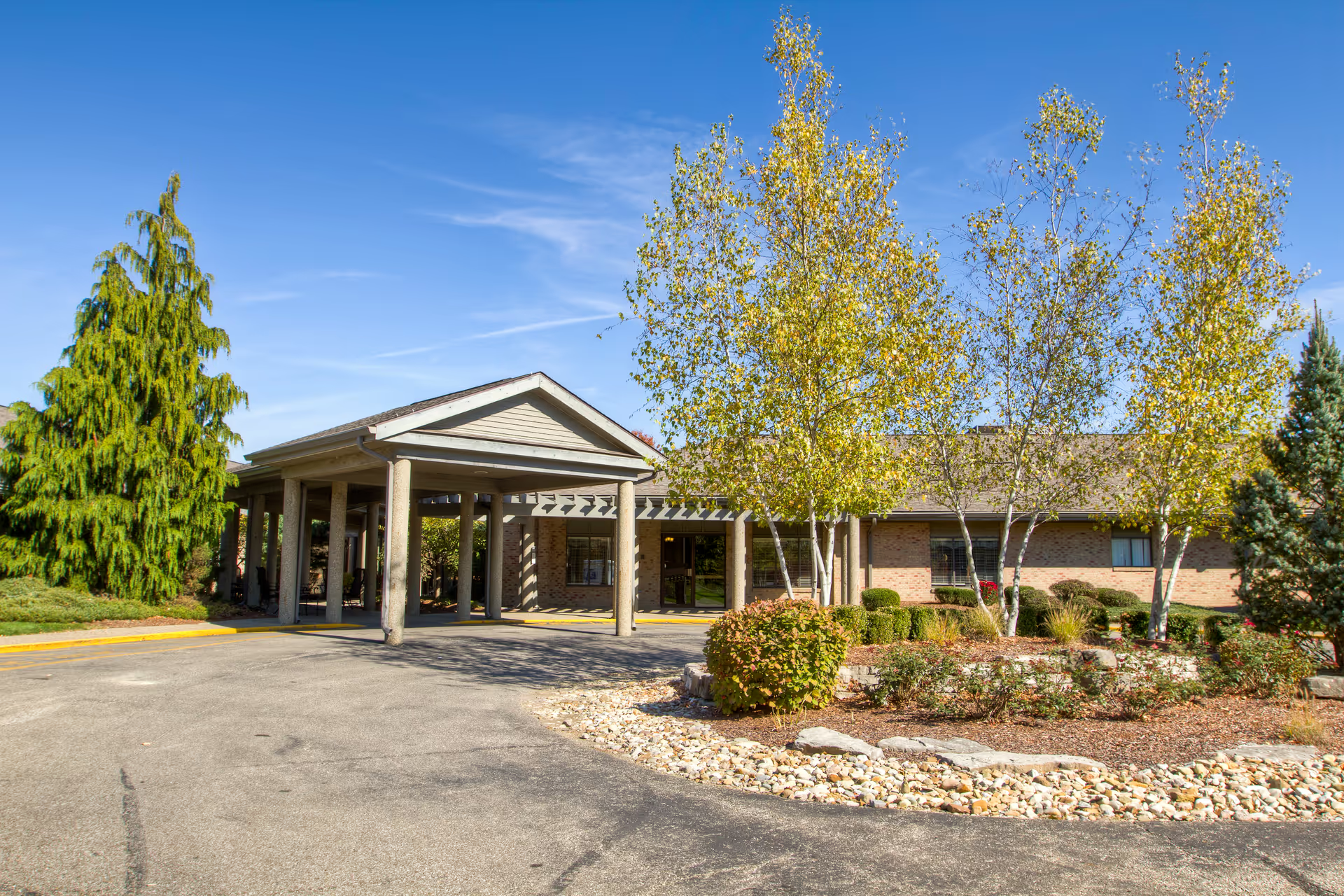
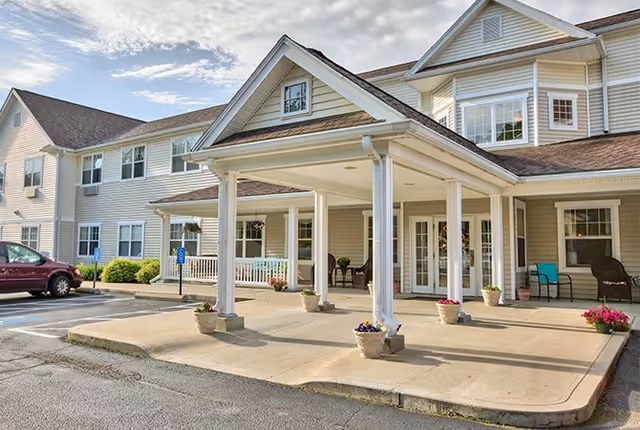
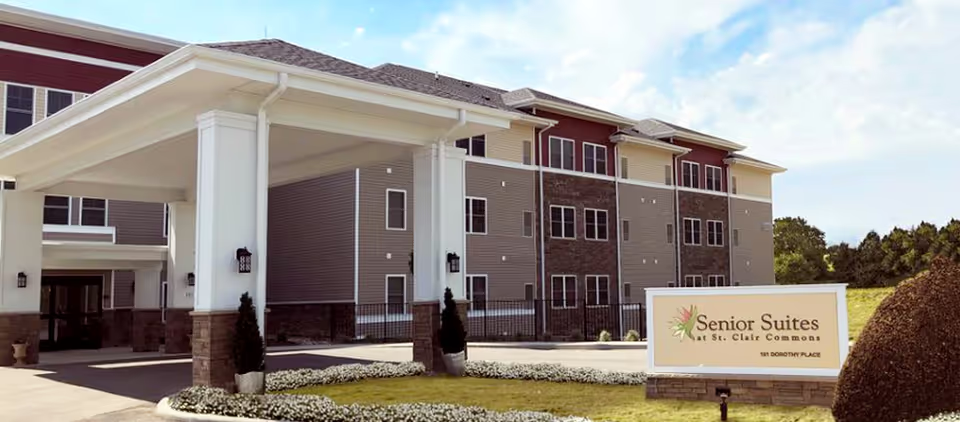
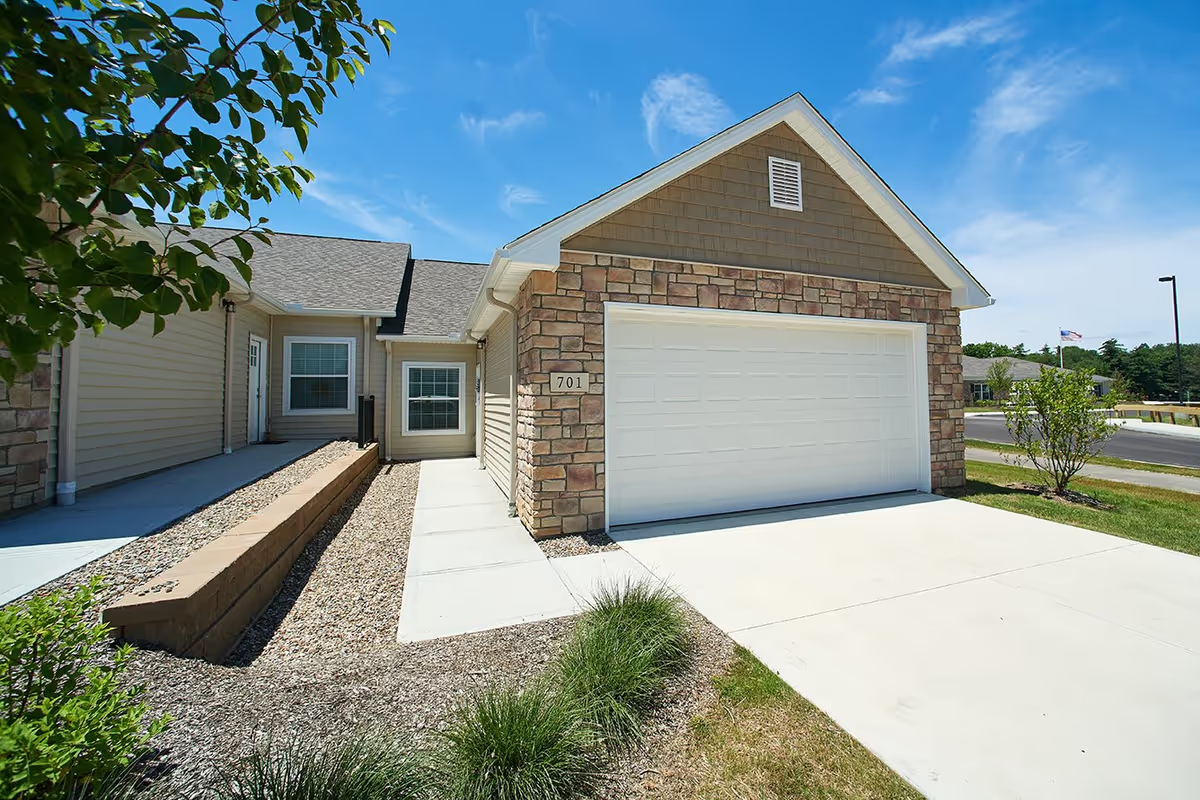
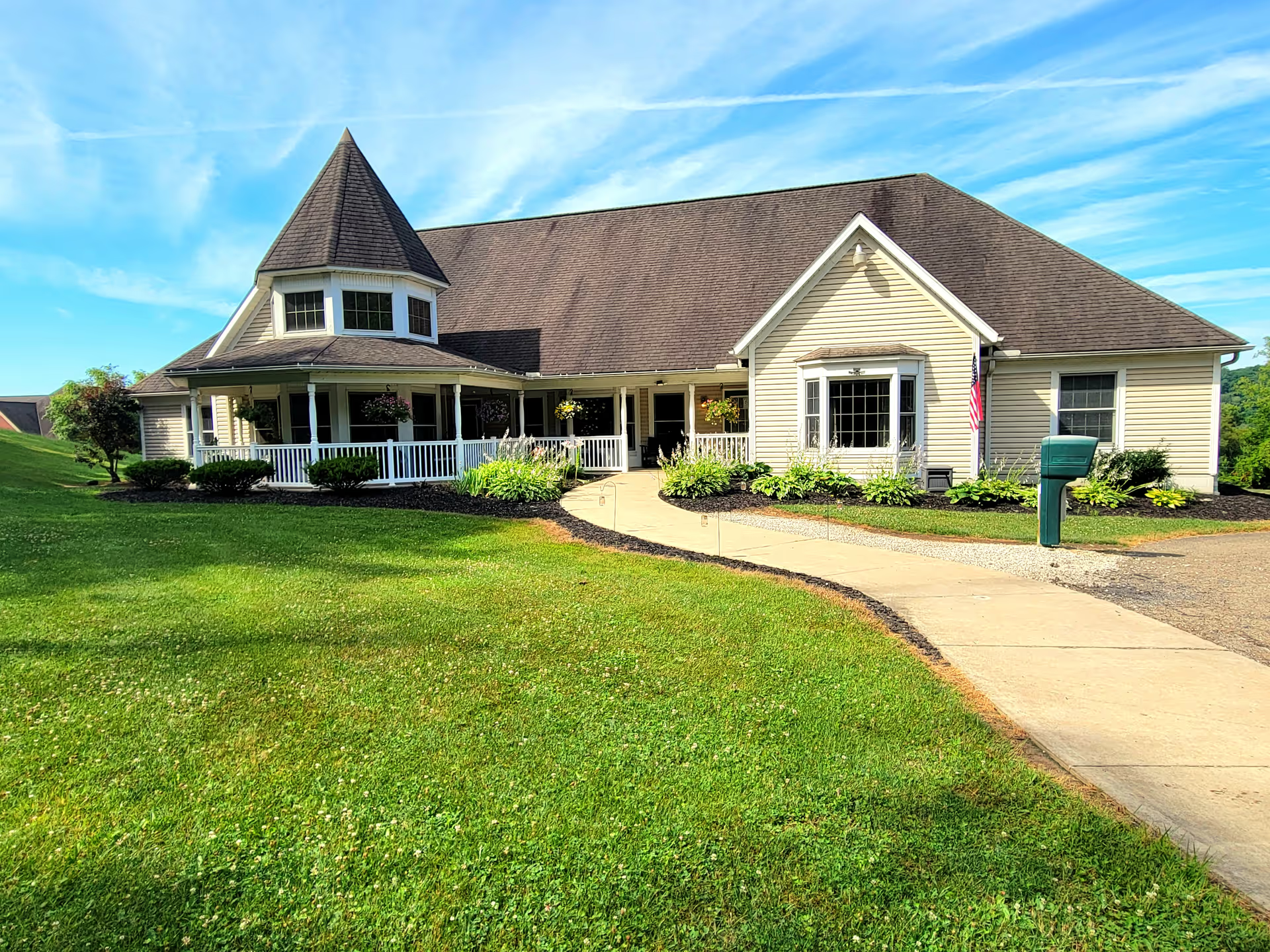
Facilities and housekeeping: The building and common areas are regularly described as attractive and well-kept, contributing to a home-like atmosphere. At the same time, there are recurring cleanliness and housekeeping inconsistencies—for example, lapses in routine floor care and other sanitation tasks—that suggest variability in environmental services performance across shifts.
Notable patterns and recommendations for families: The dominant pattern is a facility with strong interpersonal strengths among caregivers and solid rehab capabilities, paired with operational weaknesses that can affect safety and consistency. Prospective residents and families should weigh the value of the facility’s compassionate staff and therapy programs against the reported challenges in staffing, call-response times, medication-management practices, and leadership follow-through. When assessing placement, consider asking for current staffing ratios, fall-prevention protocols, medication-safety procedures, recent housekeeping audits, and examples of how management has addressed past concerns. If possible, arrange a daytime and evening visit to observe service consistency across shifts.