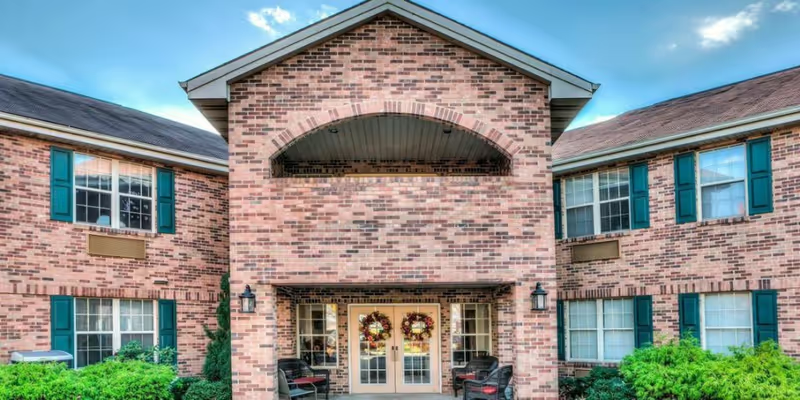
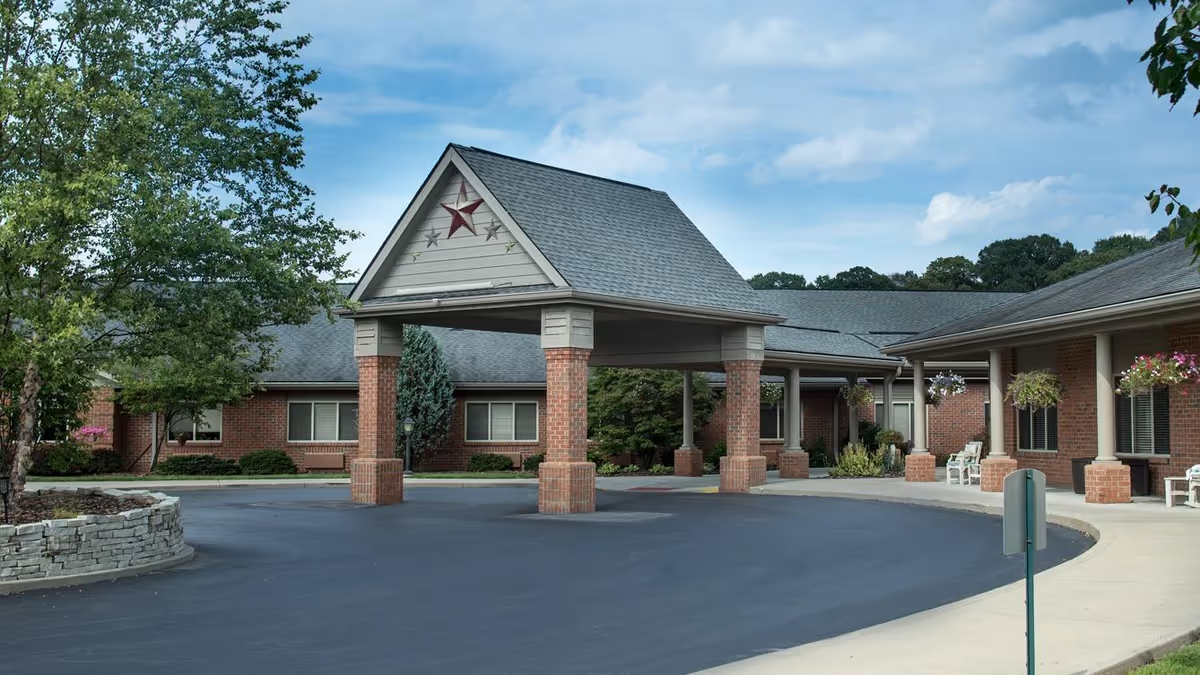
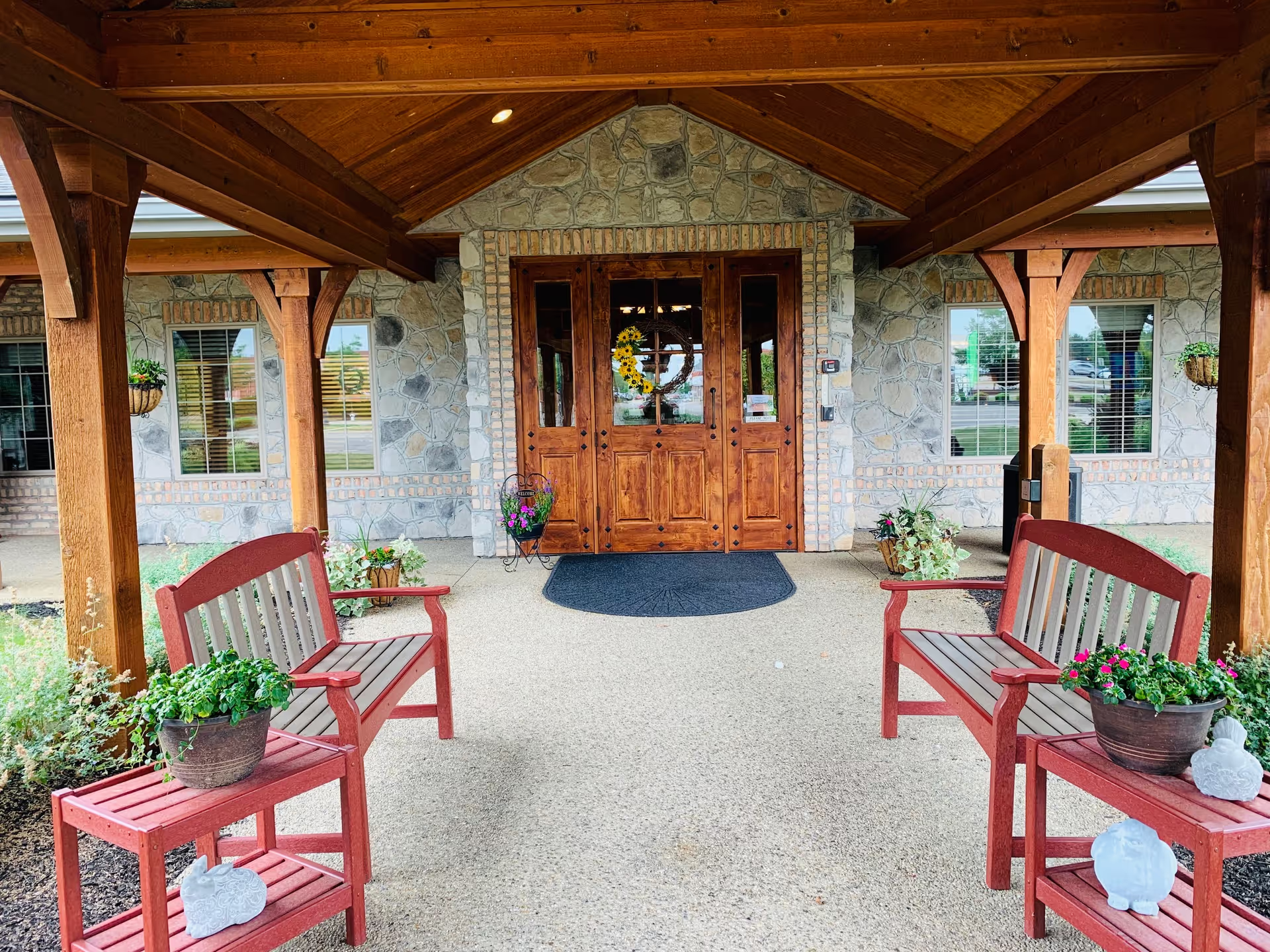
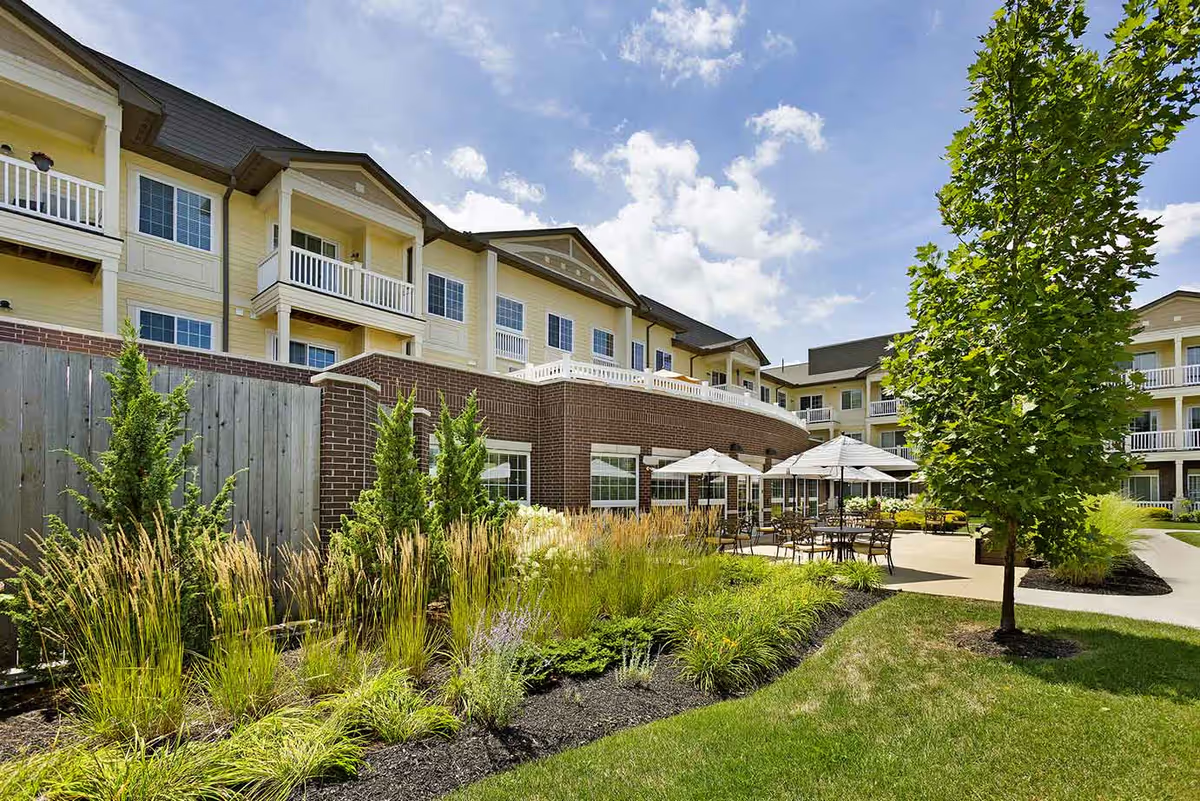
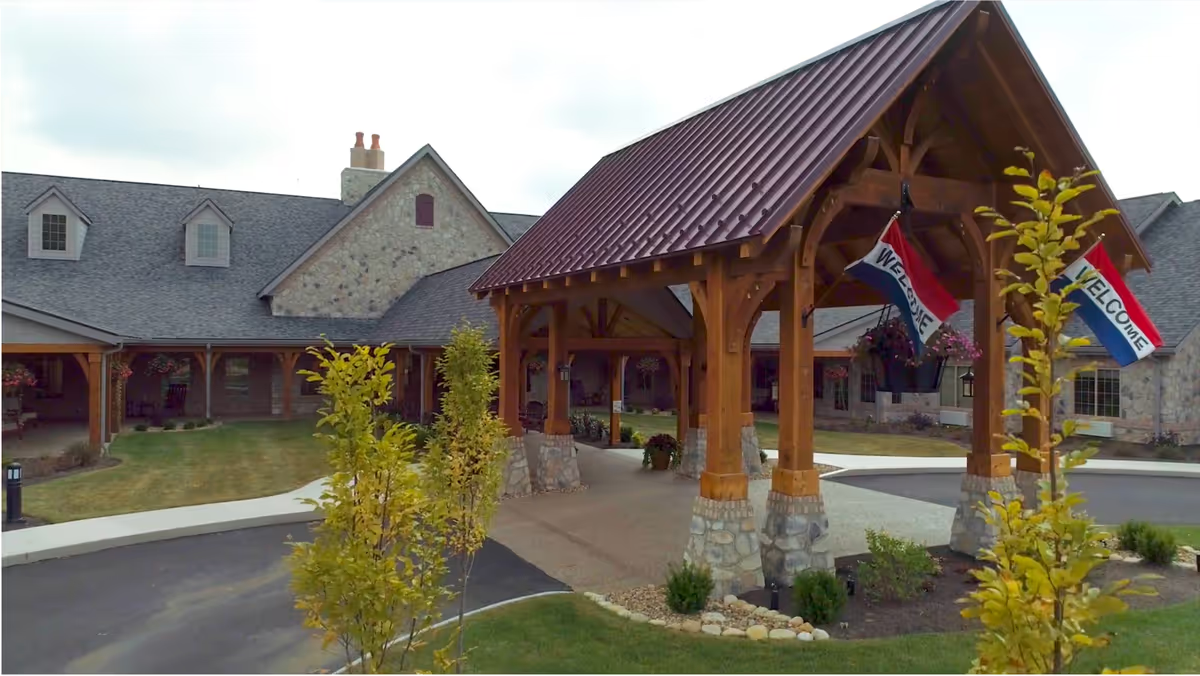
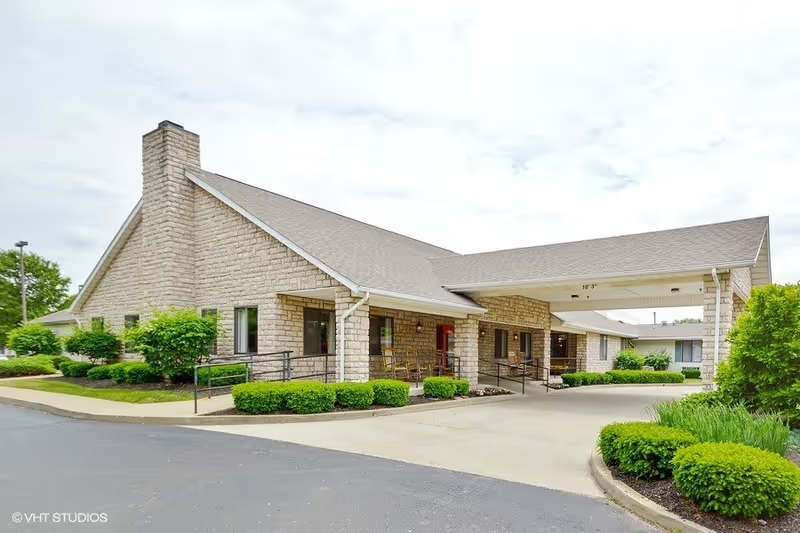
Carroll Place presents as a small, apartment-style assisted living community with many positive attributes alongside recurring operational challenges. Strengths frequently described include a warm, family-like atmosphere, attentive frontline caregivers who know residents by name, and a range of on-site amenities such as a salon, therapy room, workout space, library and outdoor areas. Units are often characterized as spacious and homelike, and many families praise timely housekeeping, accommodating meal service, and a generally clean, well-maintained environment. The activities program is a clear advantage for socially engaged residents — reviewers repeatedly singled out an active, enthusiastic activities director and a wide variety of programming (exercise classes, themed evenings, resident-run clubs, outings and social hours).
Care and staffing present a mixed picture. Direct care staff receive frequent praise for compassion and individualized attention; however, the facility also shows signs of workforce instability. Multiple comments point to high turnover among both care staff and leadership, along with inconsistent shift coverage. Reviewers described concerns about nursing oversight and clinical leadership, and there are recurring notes about delays or variability in medication administration and responsiveness to clinical needs. These patterns suggest that while frontline caregivers are often strong, the facility may struggle to sustain consistent clinical supervision and reliable coverage for residents with higher medical needs.
Dining receives polarized feedback. Many residents and families report enjoyable family-style meals and a welcoming dining environment, but others cite inconsistent food quality, small portions, cold meals, frequent cook turnover and occasional supply shortages. These issues appear operational — related to staffing and kitchen continuity — rather than facility design. Prospective residents should expect variability in menu execution and portioning depending on staffing and management at the time of move-in.
Activities and engagement are generally robust, particularly for mobile, socially active residents. The programing breadth is a positive differentiator, but reviewers also note gaps: weekend and evening activities may be limited or absent, and advertised calendar items have sometimes not been delivered as presented. Families considering Carroll Place for residents with mobility limitations or advanced cognitive impairment should evaluate whether scheduled programming and available support will meet individual needs.
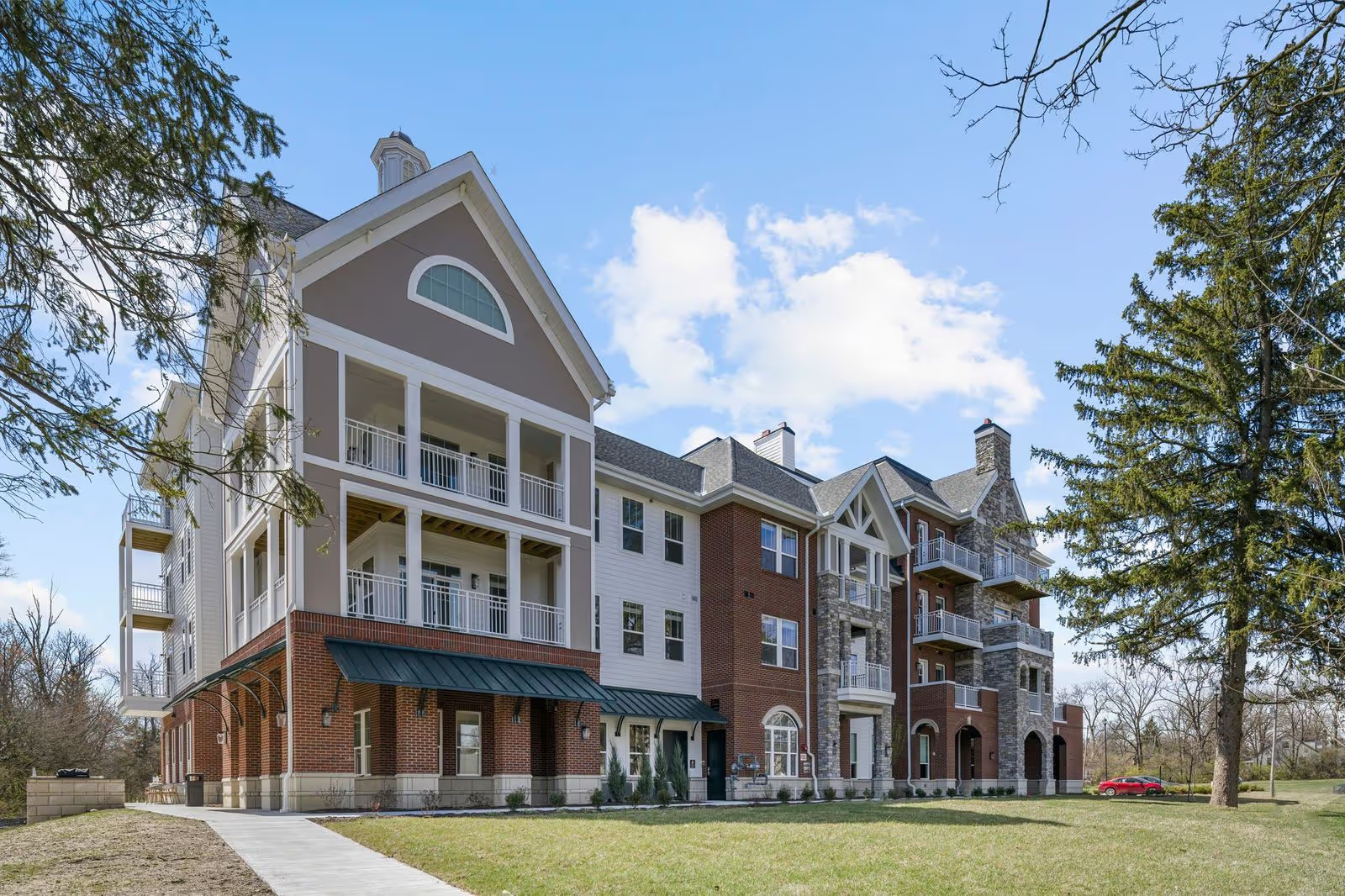
Facilities and amenities are commonly praised for cleanliness, aesthetic presentation and a range of services that support an active lifestyle. At the same time, some reviewers document maintenance delays (minor appliance or equipment repairs) and occasional housekeeping or linen issues. These appear episodic but worth confirming during a tour and by asking about maintenance response times and laundry processes.
Management and operational patterns show strengths in admissions responsiveness and community-relations communications, yet also important areas for caution. Several reviewers described leadership turnover, inconsistent follow-through on promises made during tours, and disputes about charges or refunds. A few raised safety concerns related to wandering/elopement and insufficient overnight staffing coverage. Prospective families should probe policies on memory-care capability, wander-management systems, staffing ratios (especially at night), and financial/billing procedures.
Overall impression: Carroll Place can be an excellent fit for individuals who value a small, social, pet-friendly community with strong frontline caregivers and active programming. It is best suited for residents with mild to moderate support needs who benefit from social engagement. Families considering the community should verify current staffing stability, nursing oversight, weekend activity availability, dining consistency, and financial policy details during their decision process. These operational dimensions appear to drive the variation in family experiences more than the physical environment or the compassionate orientation of the direct-care team.