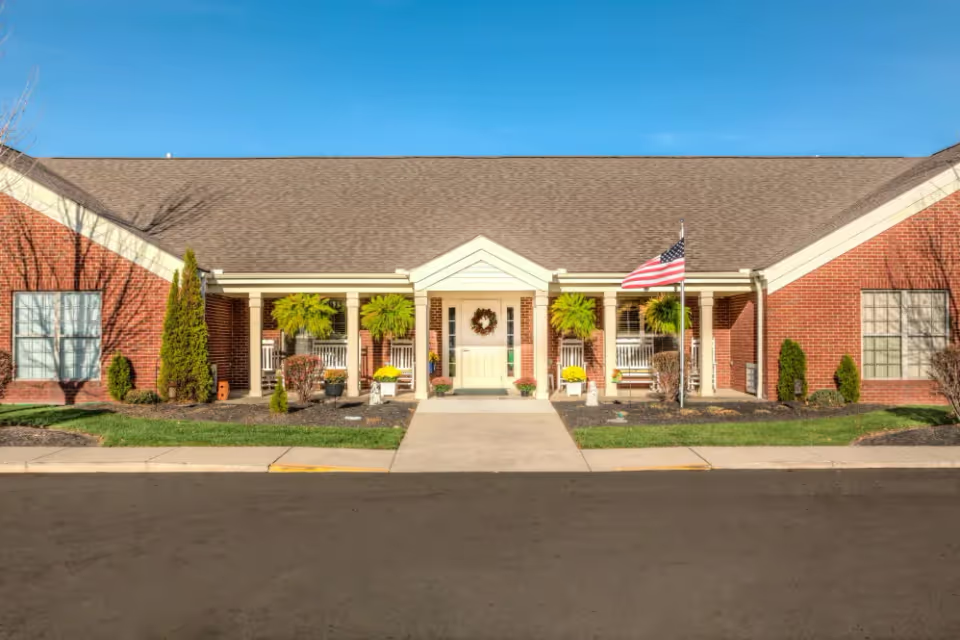
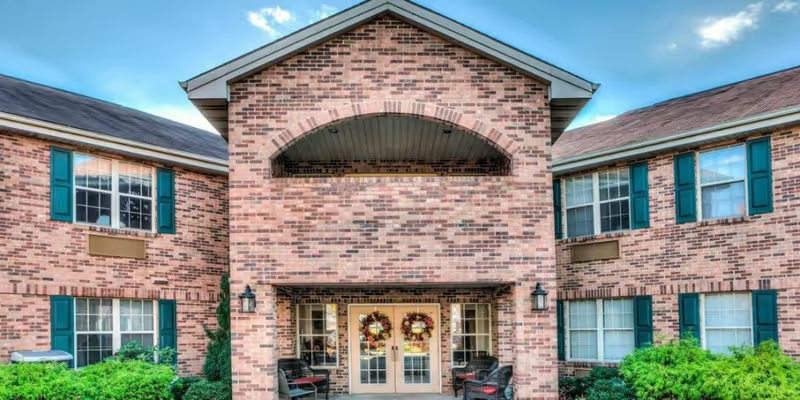
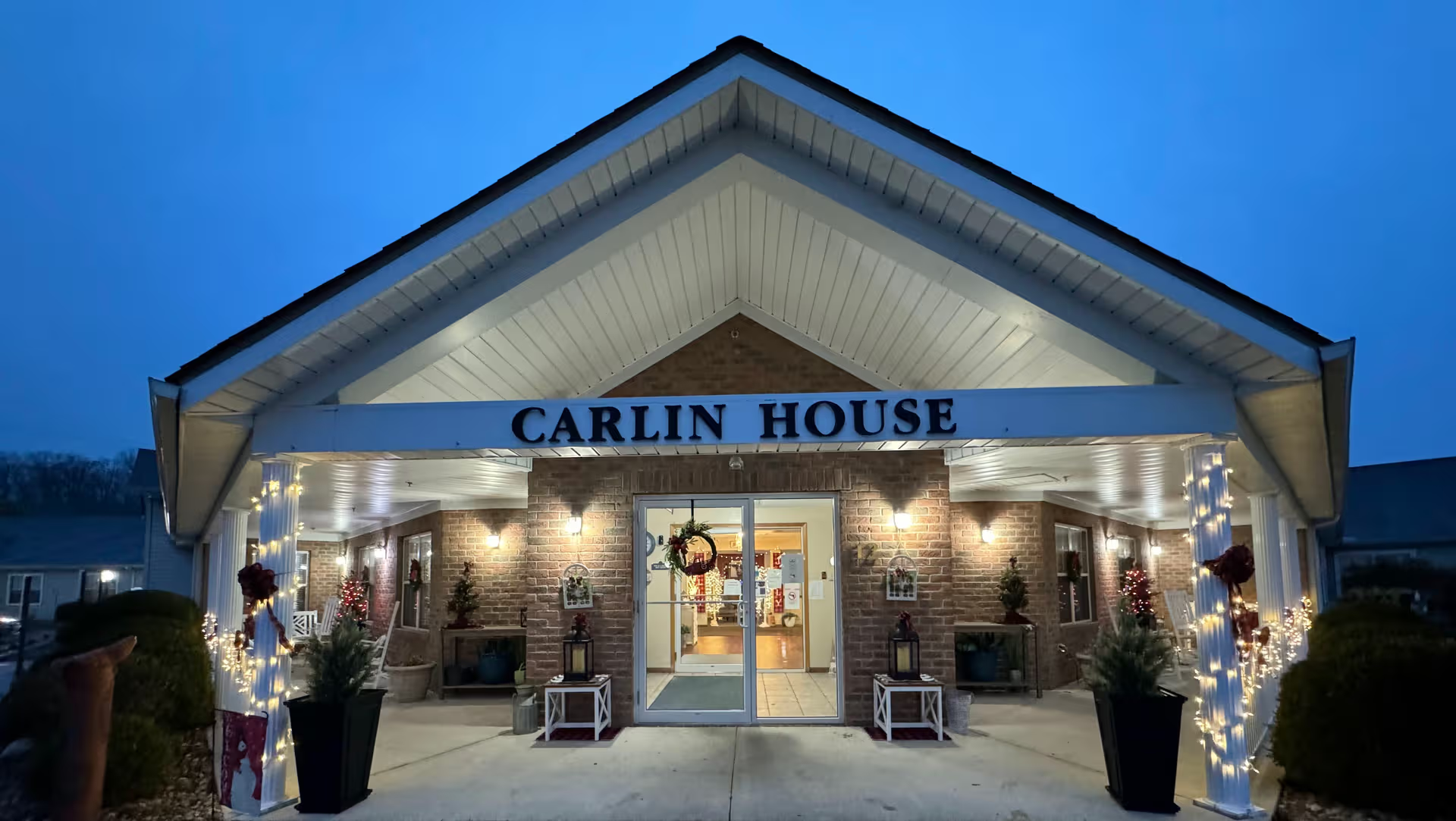
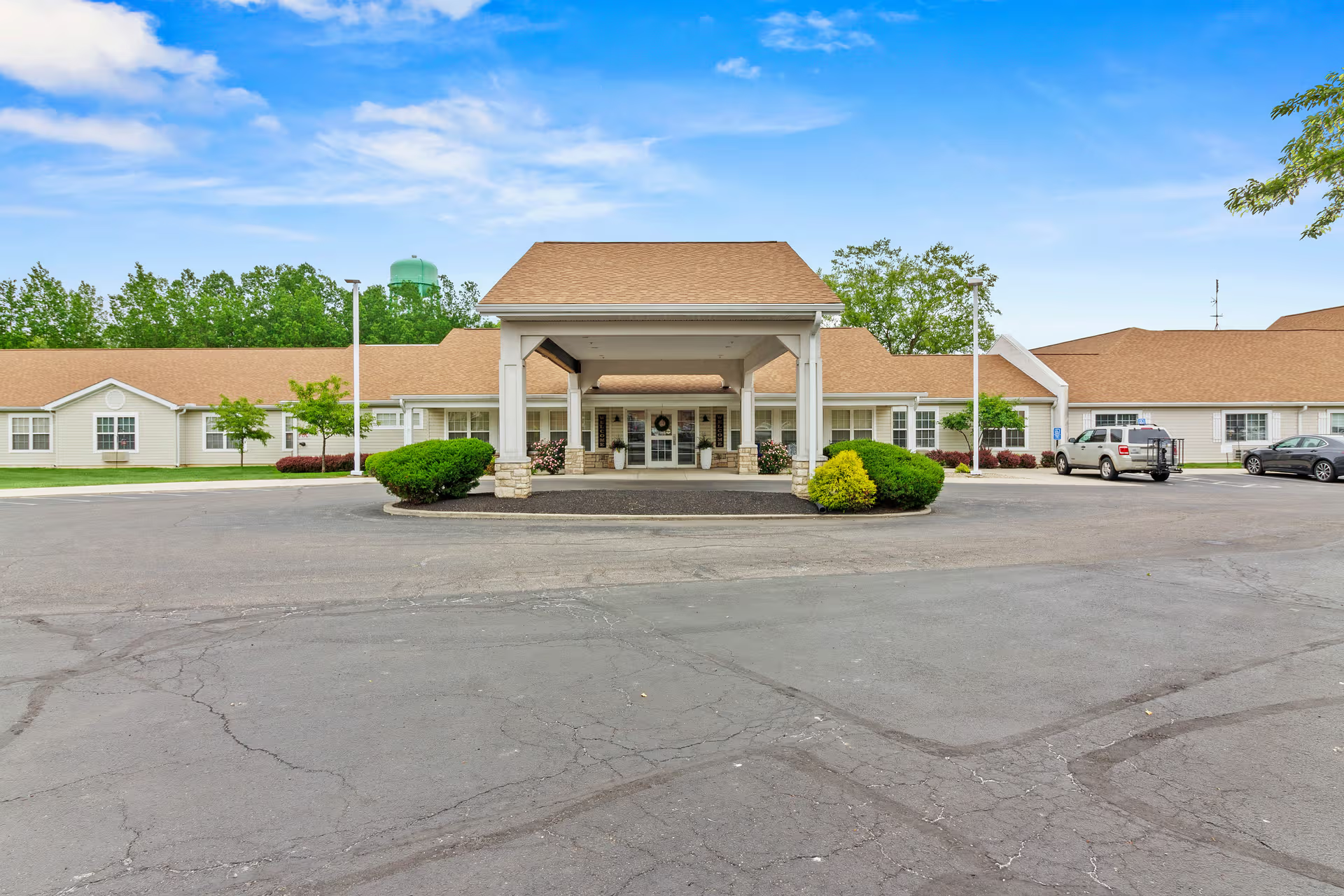
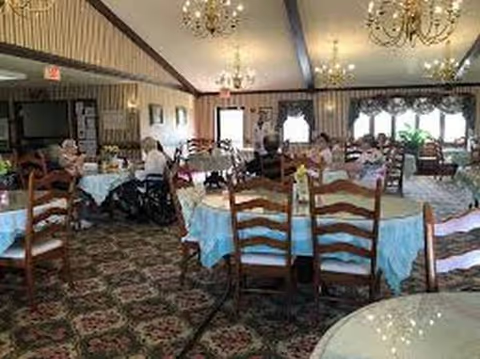
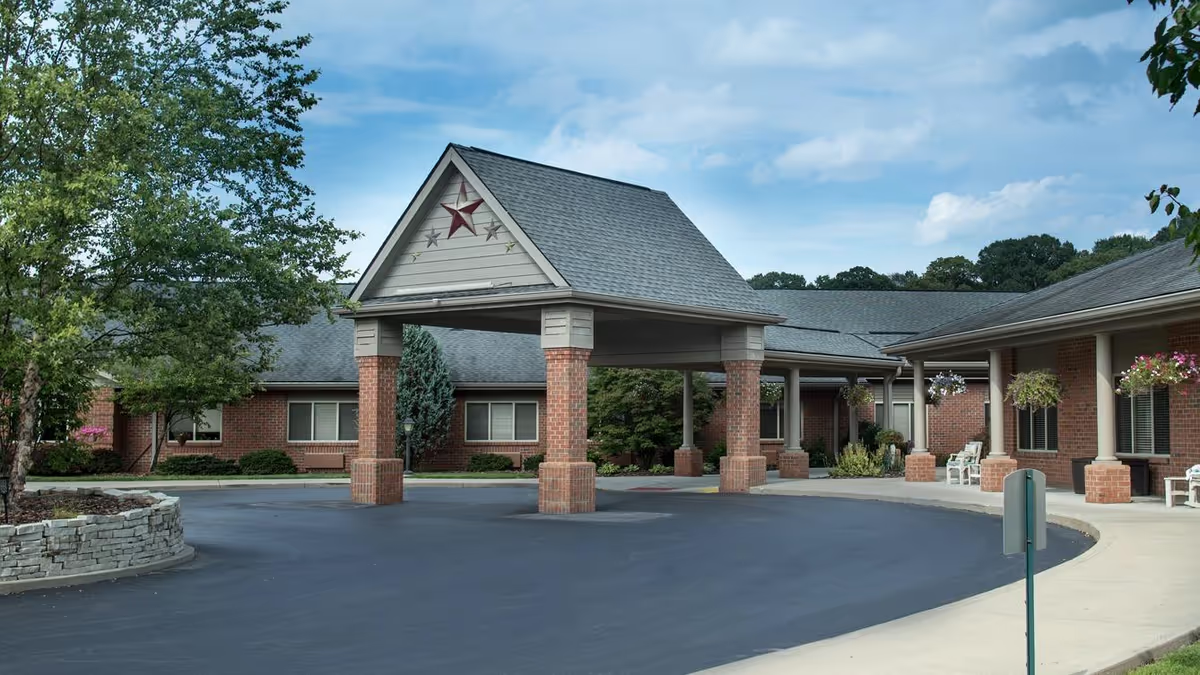
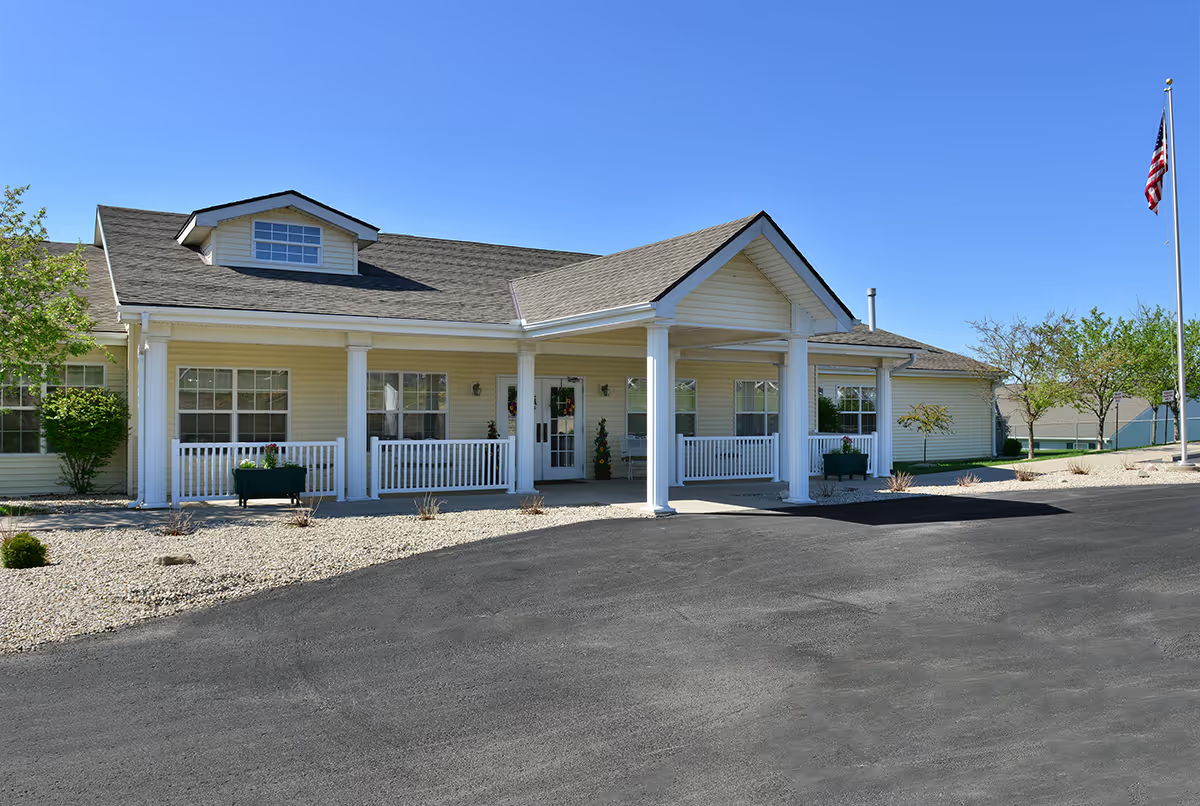
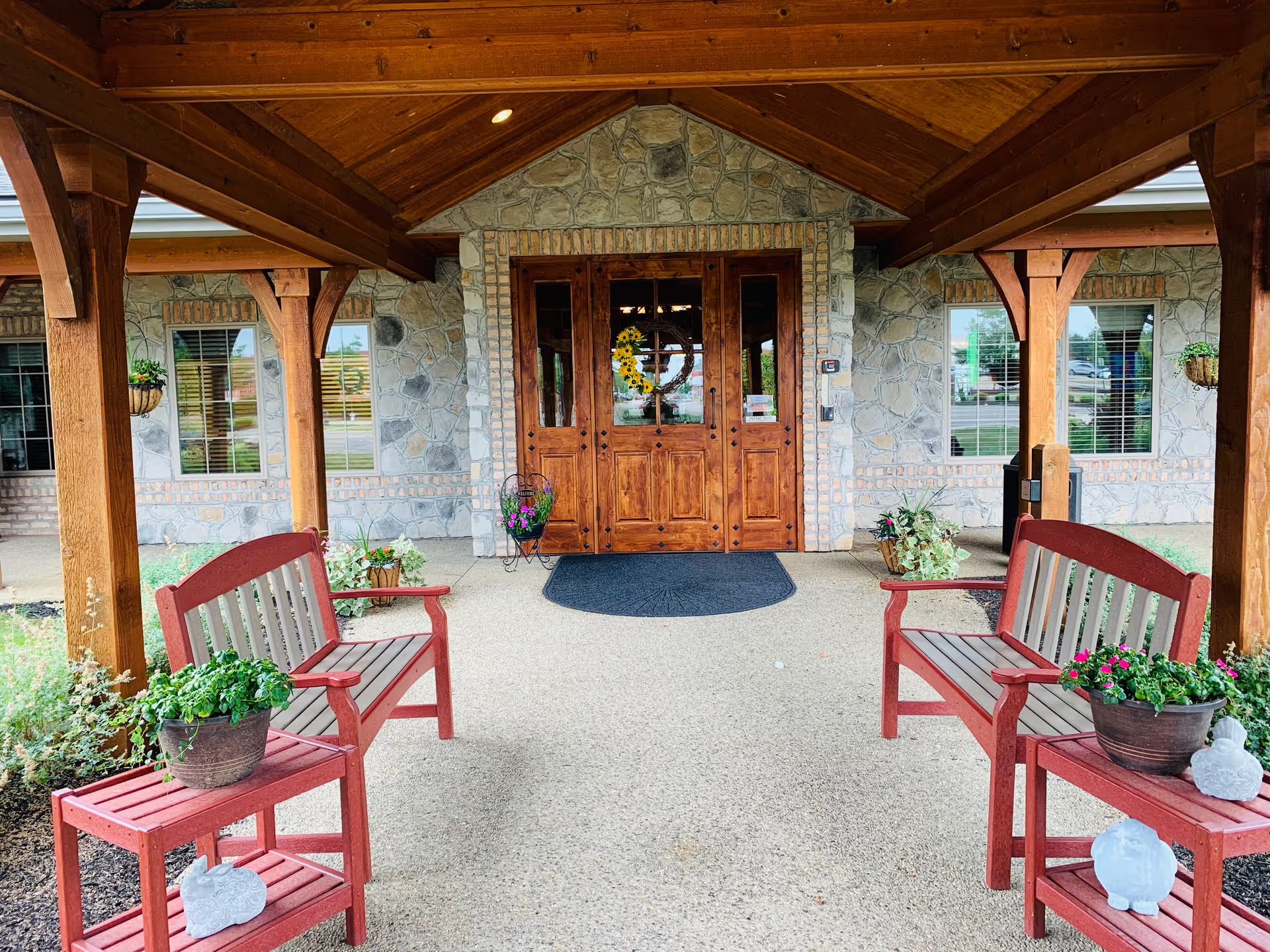
Hopewell Grove receives a mix of strong positive feedback and clear operational concerns. Many reviewers praised the facility’s clinical strengths — particularly its skilled therapy program, wound care capabilities, and overall nursing support — with several families describing functional improvement and successful discharges home. The environment is frequently described as clean, well maintained, and home-like, and staff are often characterized as friendly, welcoming, and attentive. Recreational programming and family-oriented events (for example holiday meals) are noted as contributing to a warm atmosphere.
Care and staff: Clinical services such as physical therapy, skilled nursing, wound care, and diagnostic support were repeatedly identified as strengths. Aides and nurses are commonly described as compassionate and respectful, and department heads are often noted as engaged. At the same time, reviewers raised operational concerns that affect care consistency. Short-staffing and workload strain were cited as factors that appear to contribute to delays in personal care and call-bell response. There are also comments indicating variability in medication-management practices and in how personal-care and laundry tasks are handled, which may affect dignity and comfort for some residents.
Dining and activities: The dining experience and activity offerings receive generally positive remarks. Families and residents described satisfactory food quality and an active calendar of events; special occasions and family meals were viewed as meaningful. Therapy-centered activities and rehabilitation programming are highlighted as effective components of the resident experience.
Facilities and cleanliness: Many reviewers described the campus as attractive and rooms as clean and odor-free. However, there are also specific sanitation and pest-control concerns referenced that suggest inconsistencies in environmental management and in the handling of personal belongings and laundry. These contrasting accounts point to variability in housekeeping and infection-prevention execution across different units or shifts.
Management and communication: Praise for attentive department heads and helpful front-line staff sits alongside substantive criticisms of management conduct and communication. Concerns include perceived unprofessional behavior by some administrative staff, problems with discharge planning and care-transition communication, and instances where families felt safety or planning standards were inadequate. These issues appear to be operational and procedural rather than universal, but they are significant for families navigating transitions.
Notable patterns: The overall pattern is one of a facility with solid clinical and rehabilitative capability and a generally caring front-line team, paired with uneven operational reliability in areas such as staffing, personal-care processes, medication oversight, and discharge coordination. Prospective residents and families may want to tour units, ask for current staffing ratios, review infection-control and pest-management protocols, and request a clear, written discharge and care-transition plan before placement to address the areas where reviewers indicated variability.