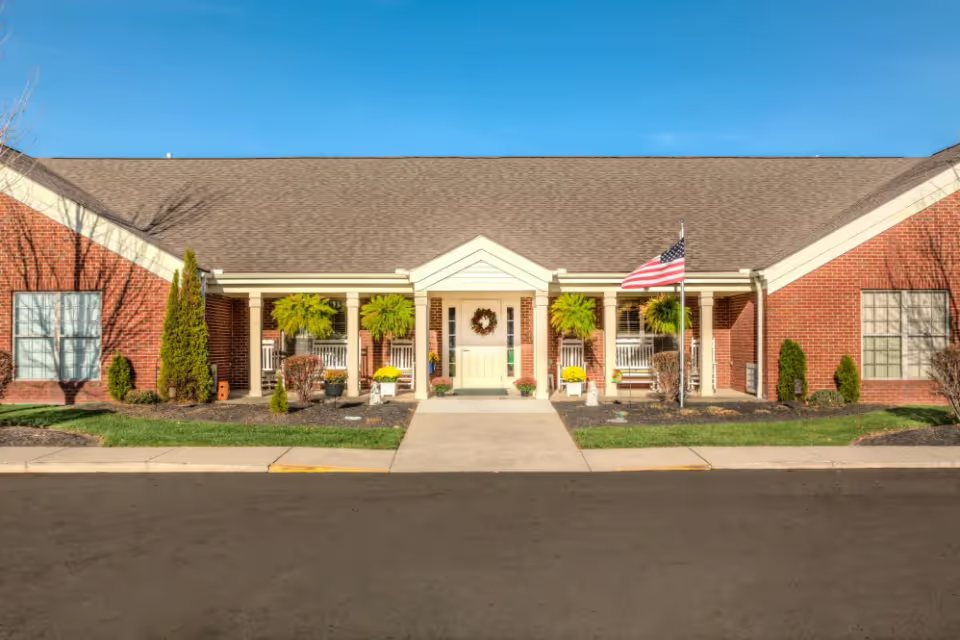
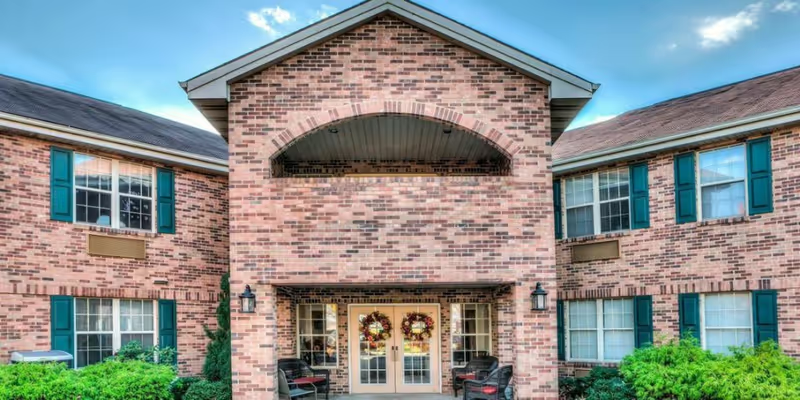
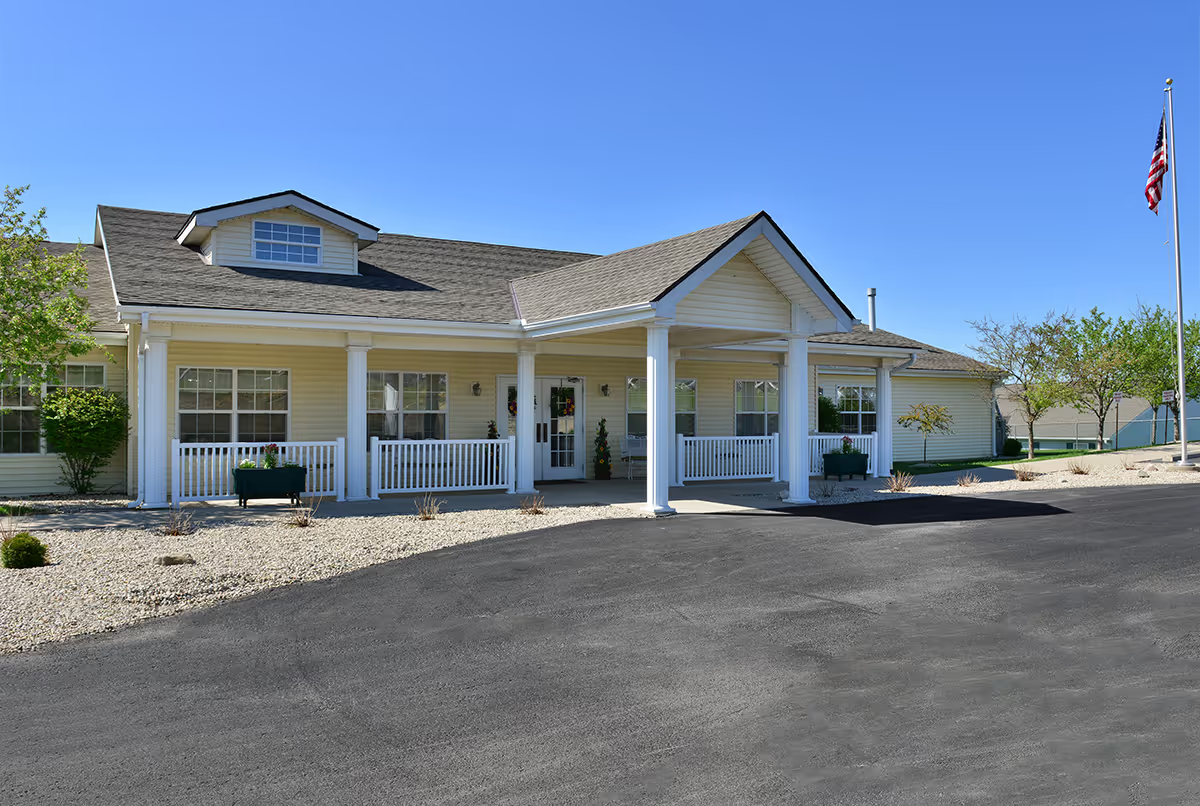
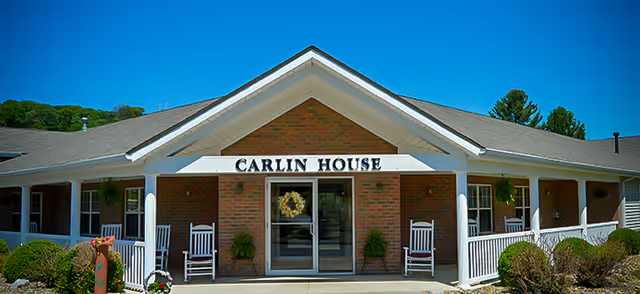
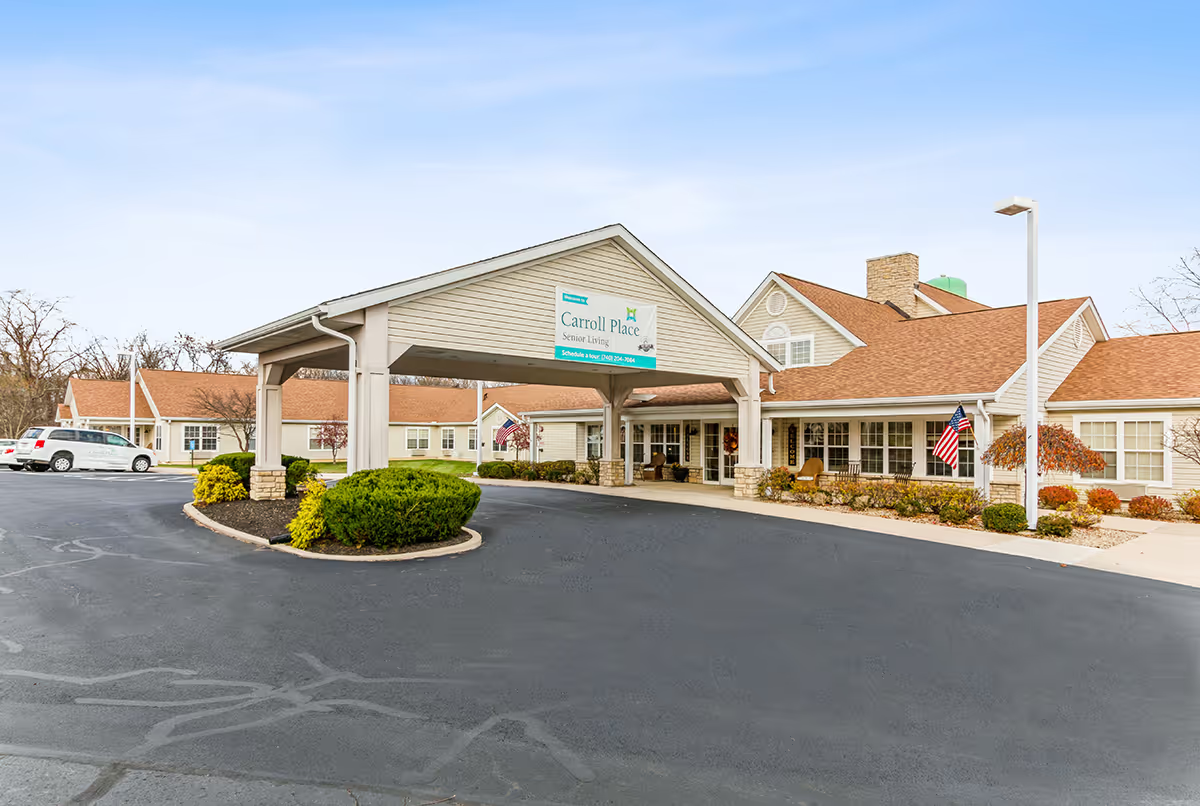
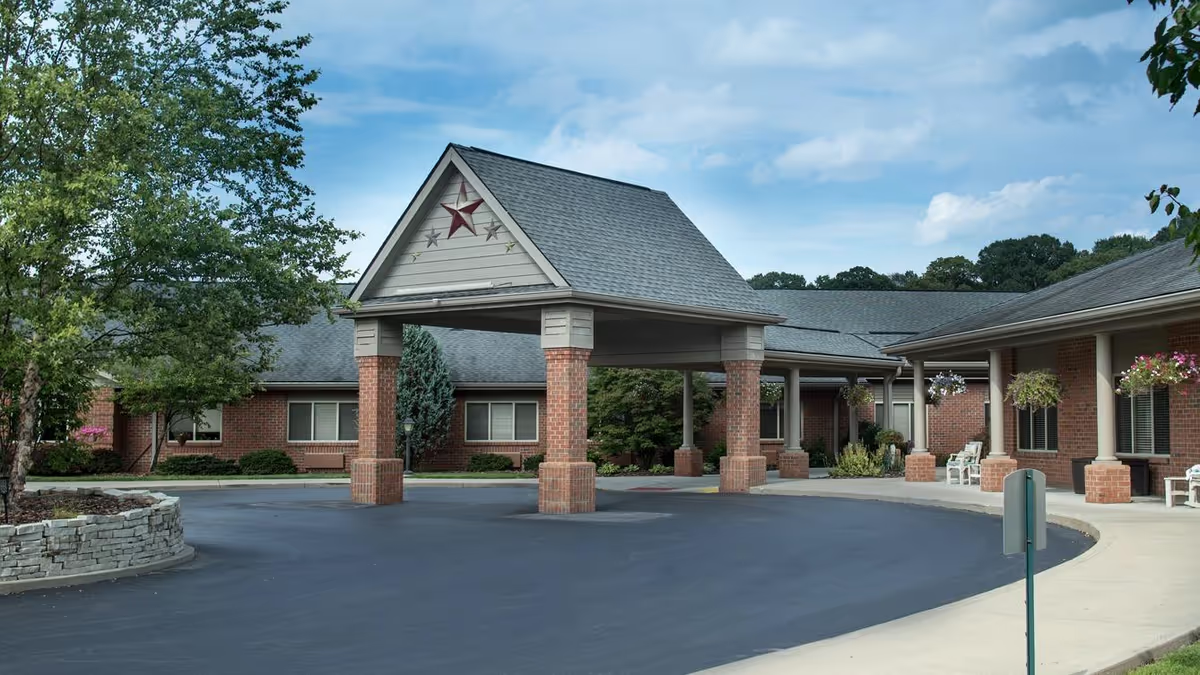
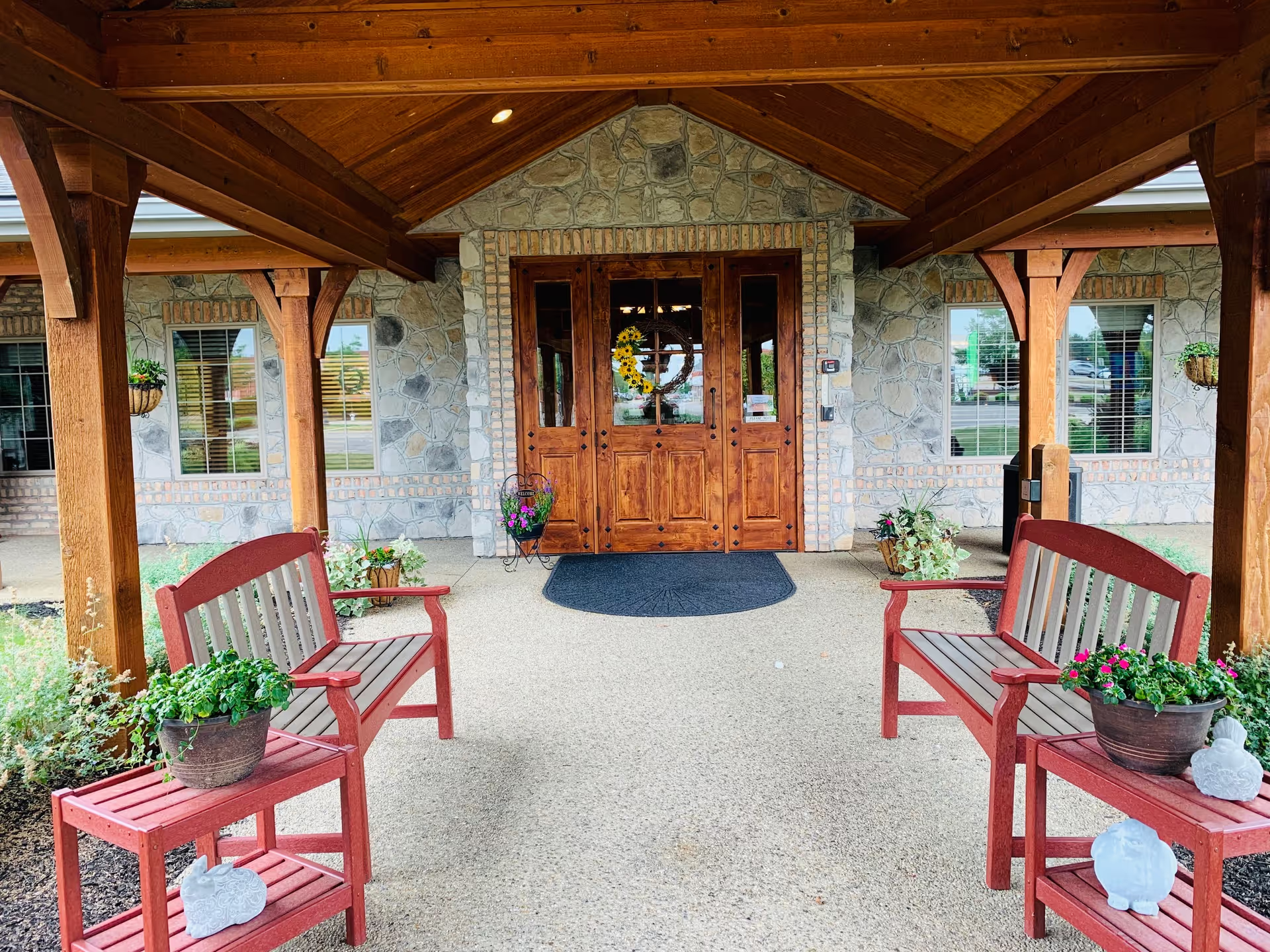
National Church Residences Chillicothe appears to offer a largely comfortable campus environment with notable strengths in facilities, rehabilitation, and community programming. Reviewers commonly describe spacious, well-kept apartments, a tidy lobby with borrowable books and magazines, multiple sitting areas and a salon, and convenient concierge services. The campus layout — including proximity to assisted living and long-term care — supports families seeking continuity of services on a single site.
Staff and clinical services are described in mixed terms. Many families and residents praise attentive, person-centered nurses, aides, and therapists; physical and rehabilitation therapy is frequently called effective and compassionate, and several accounts emphasize staff members who learn residents’ names and go above and beyond. At the same time, a subset of reviewers raised serious clinical-outcome concerns, citing examples of advanced pressure injuries, significant weight loss, and care trajectories that led to hospice transitions. These concerns point to inconsistent clinical oversight and care continuity in particular cases rather than a uniform experience across the campus.
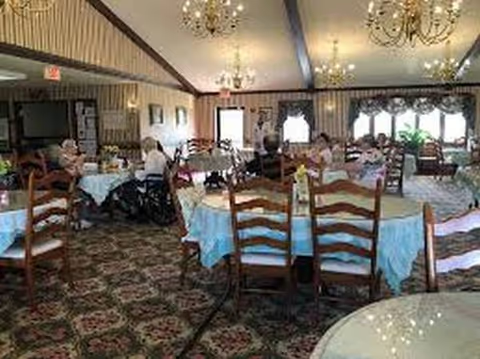
Dining and activities are strengths for many residents: the facility offers balanced meals, a nutritionist to accommodate dietary restrictions, flexible dining blocks, and a well-lit dining area. However, meal satisfaction is variable — while some reviewers praise menu variety and helpful dining staff, others found the food unsatisfactory. Programming is broad, ranging from church services and bible study to bingo, movies, and planned activities; overall the campus is described as socially active and welcoming to visitors and families.
Operational and management patterns are similarly mixed. Housekeeping and maintenance responsiveness receive positive mentions (regular apartment cleaning, prompt appliance replacement), yet there are also comments about sanitation and housekeeping inconsistencies in some common areas and rooms. Staffing engagement appears uneven: many reviewers report compassionate, helpful staff who facilitate smooth transitions, while others describe disengaged employees or communication problems (including telephone-staff rudeness). Several reviews suggest gaps in management follow-through and accountability when clinical or operational issues arise.
Safety and access considerations are important for prospective residents. The building is described as secure and generally safe, and families appreciate daily interaction and community oversight. Conversely, recurring mentions of resident falls and the clinical concerns noted above suggest that fall-prevention practices and some aspects of clinical monitoring may need review for residents at higher risk.
In summary, this facility offers a well-appointed campus, active social life, effective rehabilitation services, and many examples of compassionate caregiving and family-oriented support. Prospective residents and families should weigh these strengths against reported variability in clinical oversight, housekeeping consistency, meal satisfaction, and staff engagement. A careful visit focusing on clinical-monitoring protocols, fall-prevention practices, housekeeping schedules, and private-room availability would help determine fit for an individual’s care needs.