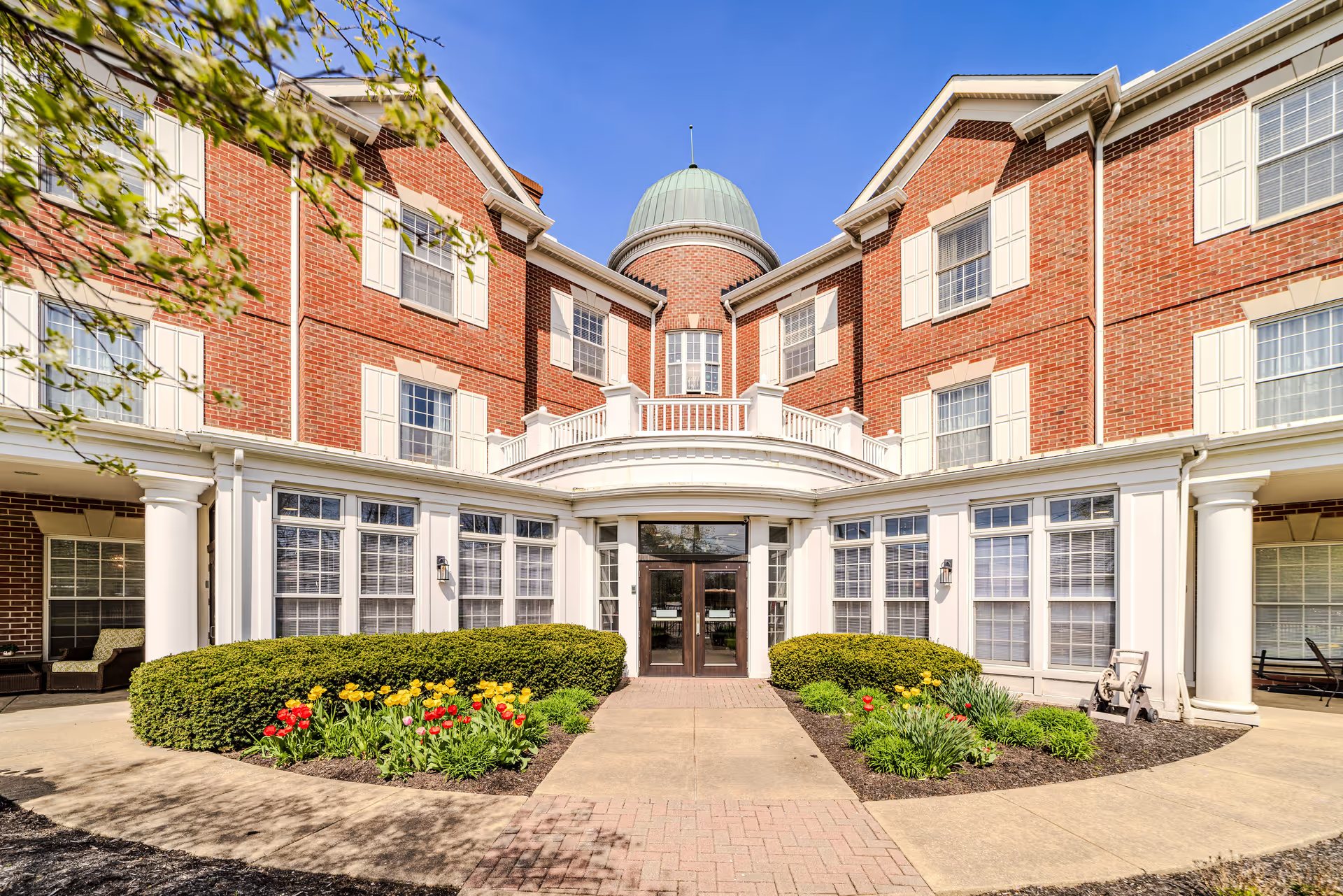
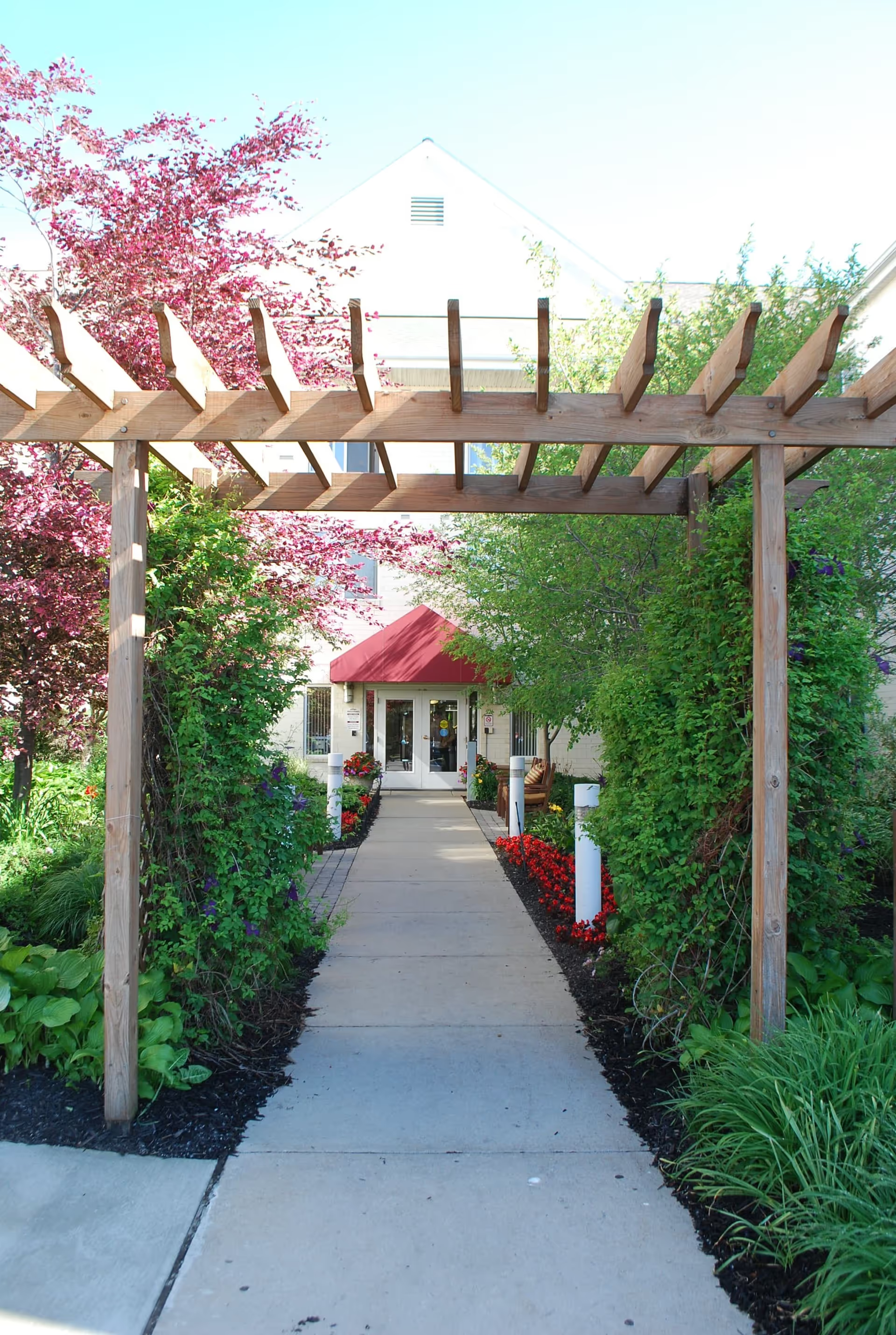
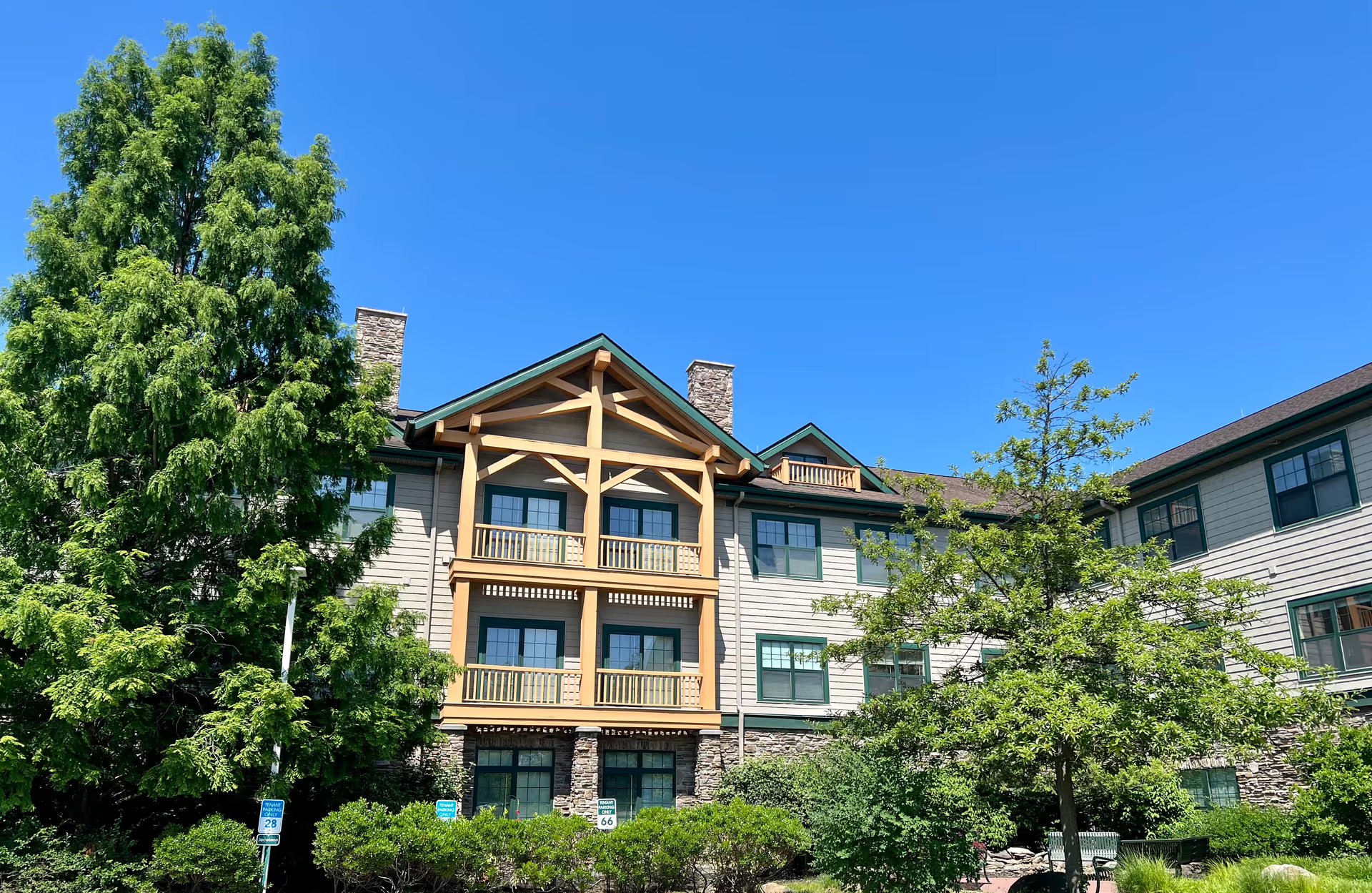
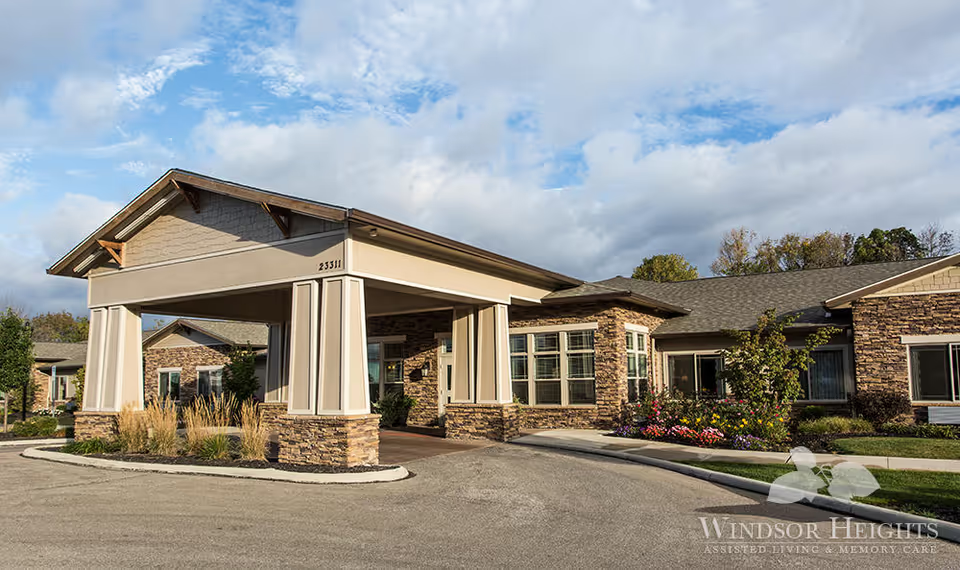
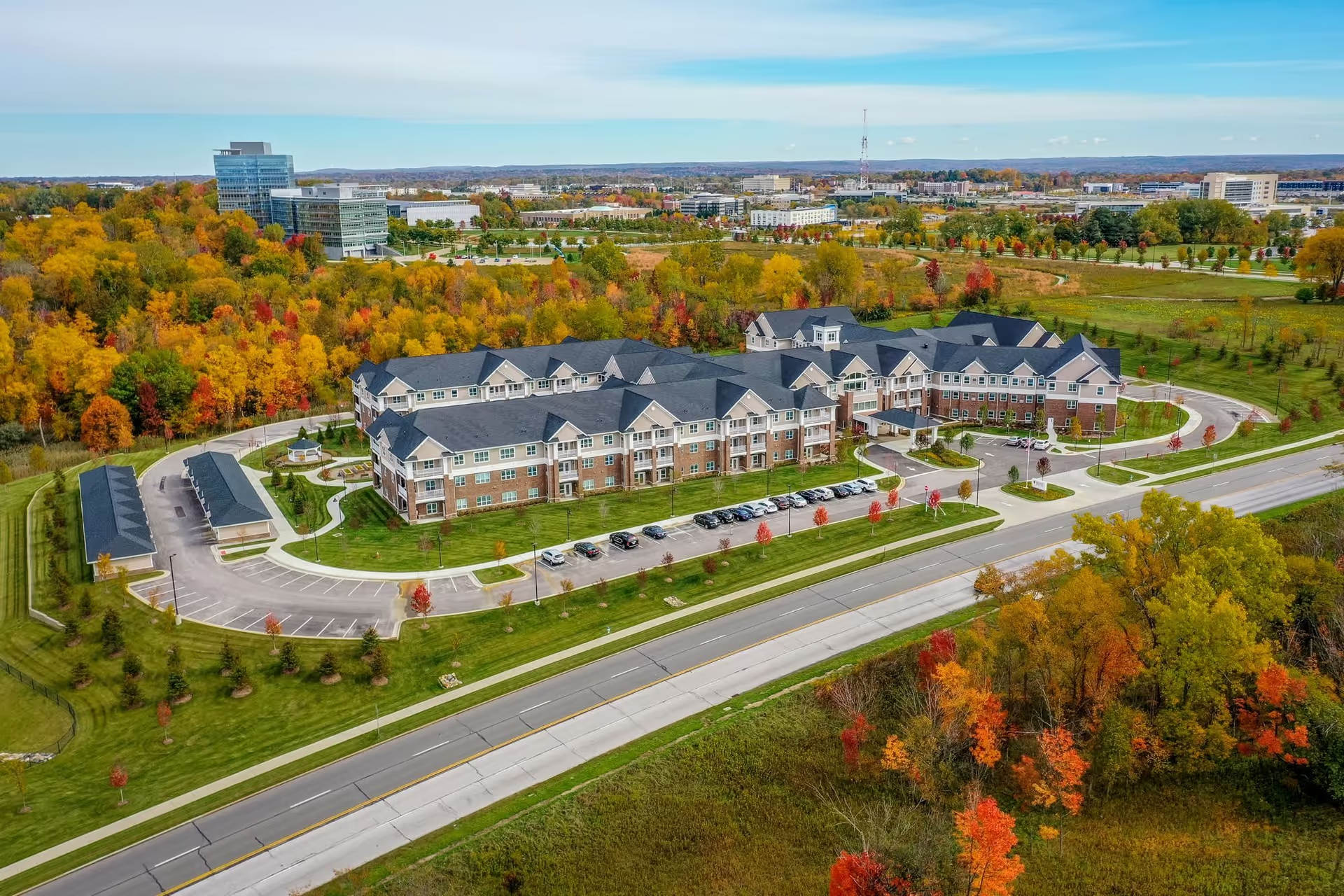
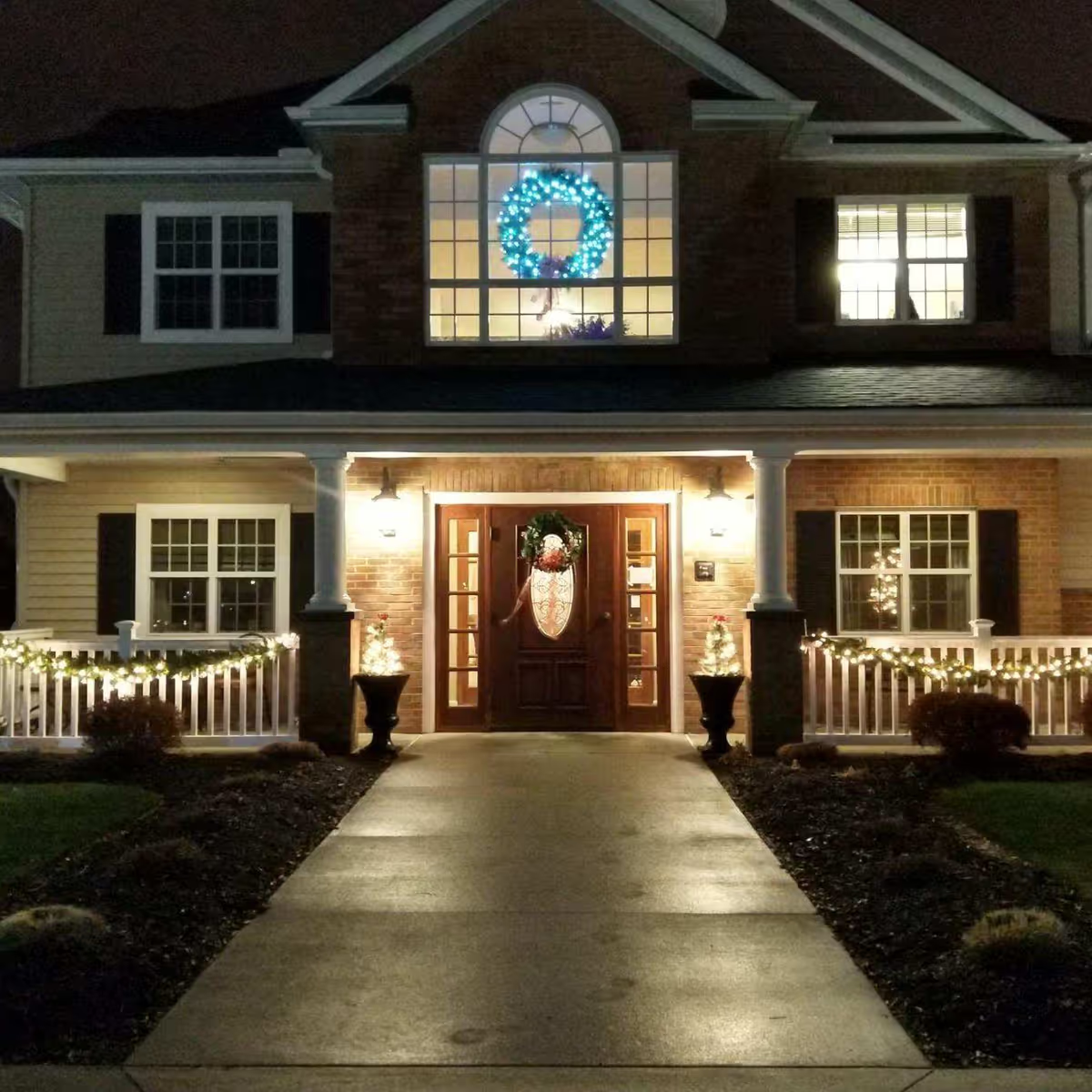
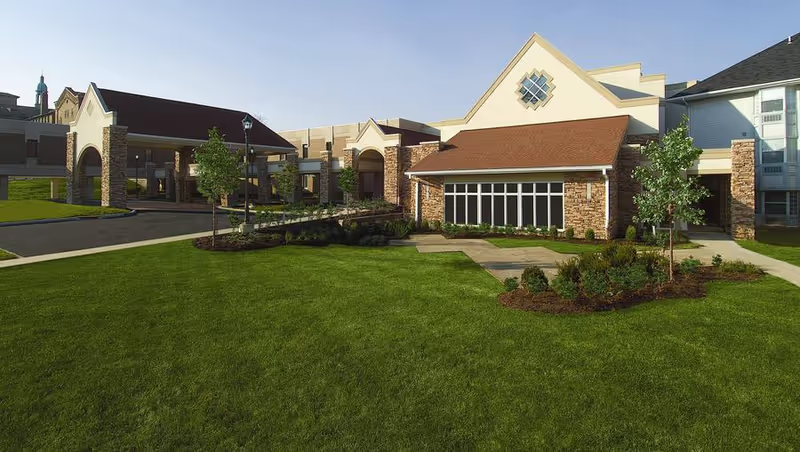
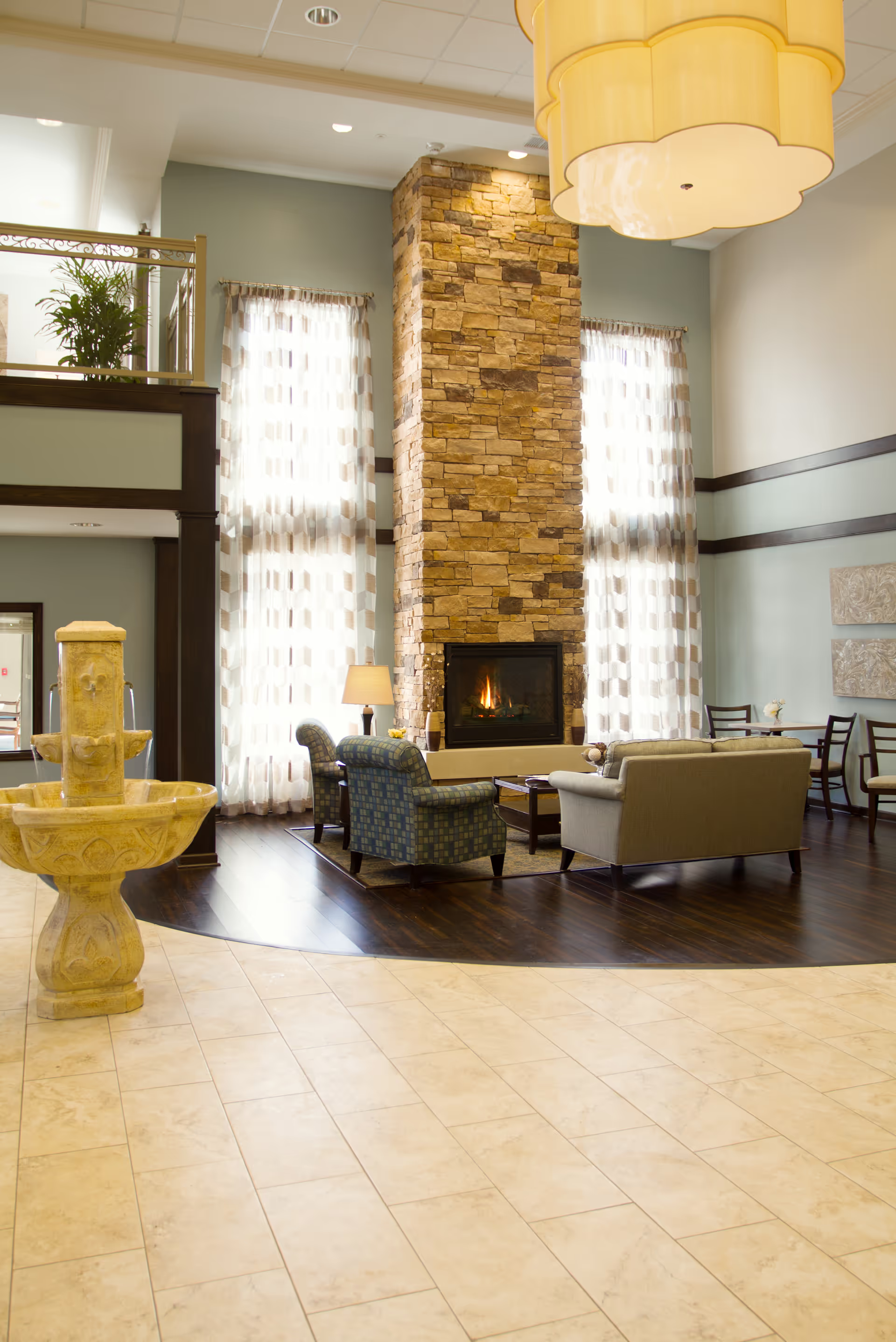
Forest Hills Place elicits strongly mixed impressions: many families describe a welcoming, well-kept campus with genuinely caring staff and an active social program, while a subset of experiences highlight operational weaknesses that affect clinical reliability and resident safety. The facility offers a range of living options — assisted living and memory-care neighborhoods with safety-oriented layouts, bright apartments, large closets, and multiple communal spaces (atrium, courtyards, gardens). Its proximity to major hospitals and visible amenities such as onsite therapies, a salon, and varied activity offerings are consistent strengths cited by families.
Care quality is uneven across accounts. Numerous comments praise attentive, compassionate caregivers and individualized attention. However, recurring concerns relate to clinical reliability: missed or delayed medication administration, inconsistent nursing availability (in part due to use of contracted/outsource nursing), gaps in monitoring, and instances of delayed incontinence care or missed hygiene tasks. There are also references to falls and other safety events; collectively these point to variability in transfer- and monitoring-related practices rather than a uniformly reliable clinical program.
Staffing and staff conduct are major drivers of the polarized perceptions. Many reviewers commend specific aides, activities staff, and administrators for kindness and responsiveness, and several highlight particularly effective admissions or activity directors. At the same time, high turnover, understaffing (especially nights and weekends), and episodes of untrained or inattentive aides were recurring themes. Training gaps and inconsistent coverage appear to contribute to the clinical and service lapses described by some families.
Dining and activities are generally strong selling points, but quality and consistency vary. The community runs an active calendar — exercise classes, games, arts and crafts, outings, and social events such as happy hour — that many residents enjoy and that families see as enhancing quality of life. Dining receives mixed feedback: some reviewers report good meals and adequate choices, while others describe slow service, variable food quality, and stricter guest/meal policies. Those considering placement should ask about current kitchen staffing and typical meal-service workflows.
Facility condition and amenities are often praised: overall cleanliness, attractive landscaping, and comfortable common areas feature prominently in positive accounts. However, there are nontrivial sanitation and pest-control concerns raised across multiple accounts that prospective families should investigate. There are also reports of maintenance delays (elevator problems, plumbing incidents) that suggest variability in repair responsiveness.
Management, communication, and billing present another area of contrast. Several families point to helpful, proactive administrators and a smooth admissions experience; others describe poor communication, unanswered phones or voicemails, unclear or changing fee structures, and billing for unused services. A small number of reviews reference serious incidents and concerns following a resident's death and allegations of missing personal items; these are significant items to inquire about directly with leadership and oversight authorities.
Taken together, Forest Hills Place offers many amenities, an active program, and staff members who deliver strong, compassionate care in many instances. At the same time, prospective residents and families should perform focused due diligence: ask about current staffing ratios (including nights/weekends), nursing coverage model and credentialing, recent pest-control and sanitation remediation, incident history and follow-up, maintenance response times, meal-service practices, and a clear list of fees and included services. An in-person tour, conversations with unit staff and the administrator, and reference calls to current families will help clarify whether the community’s strengths align with an individual resident’s clinical and lifestyle needs.