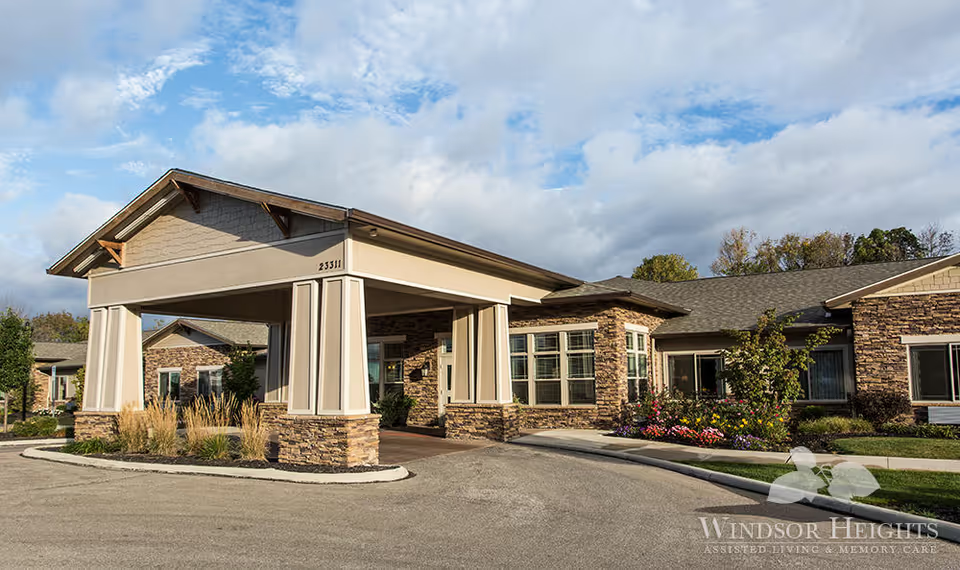
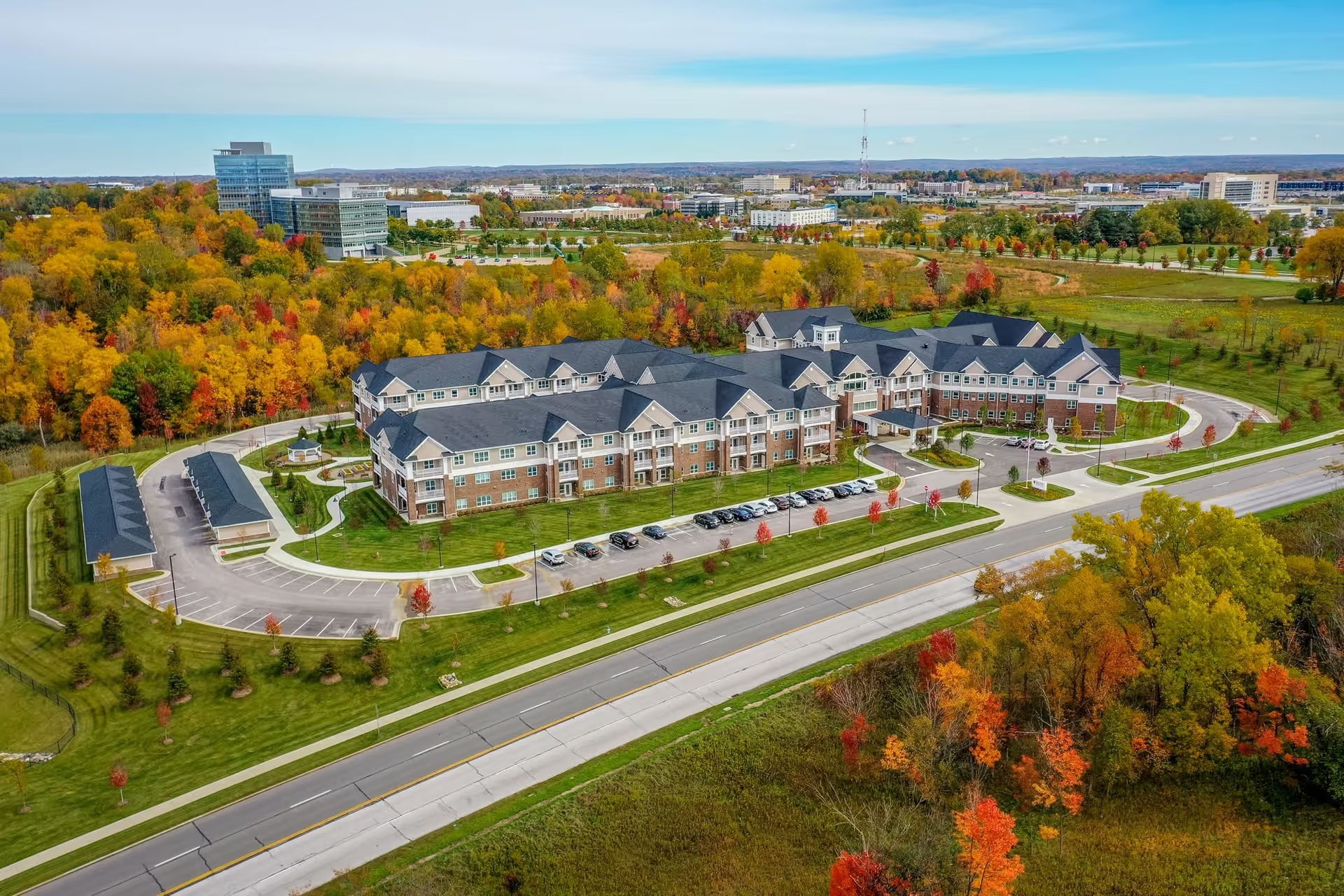
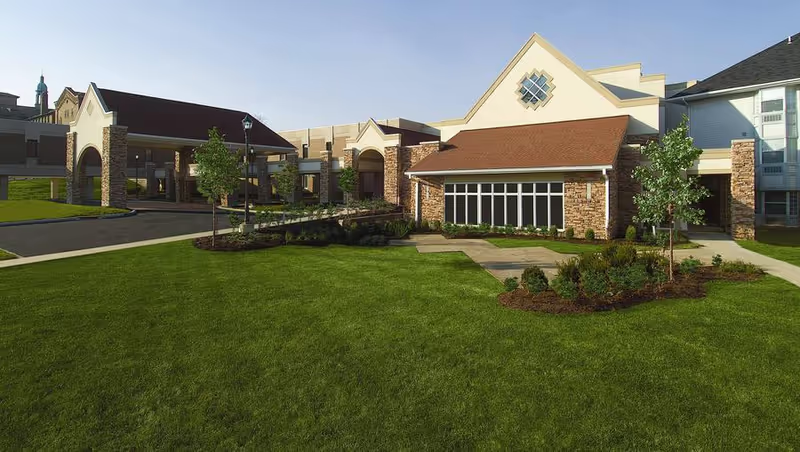
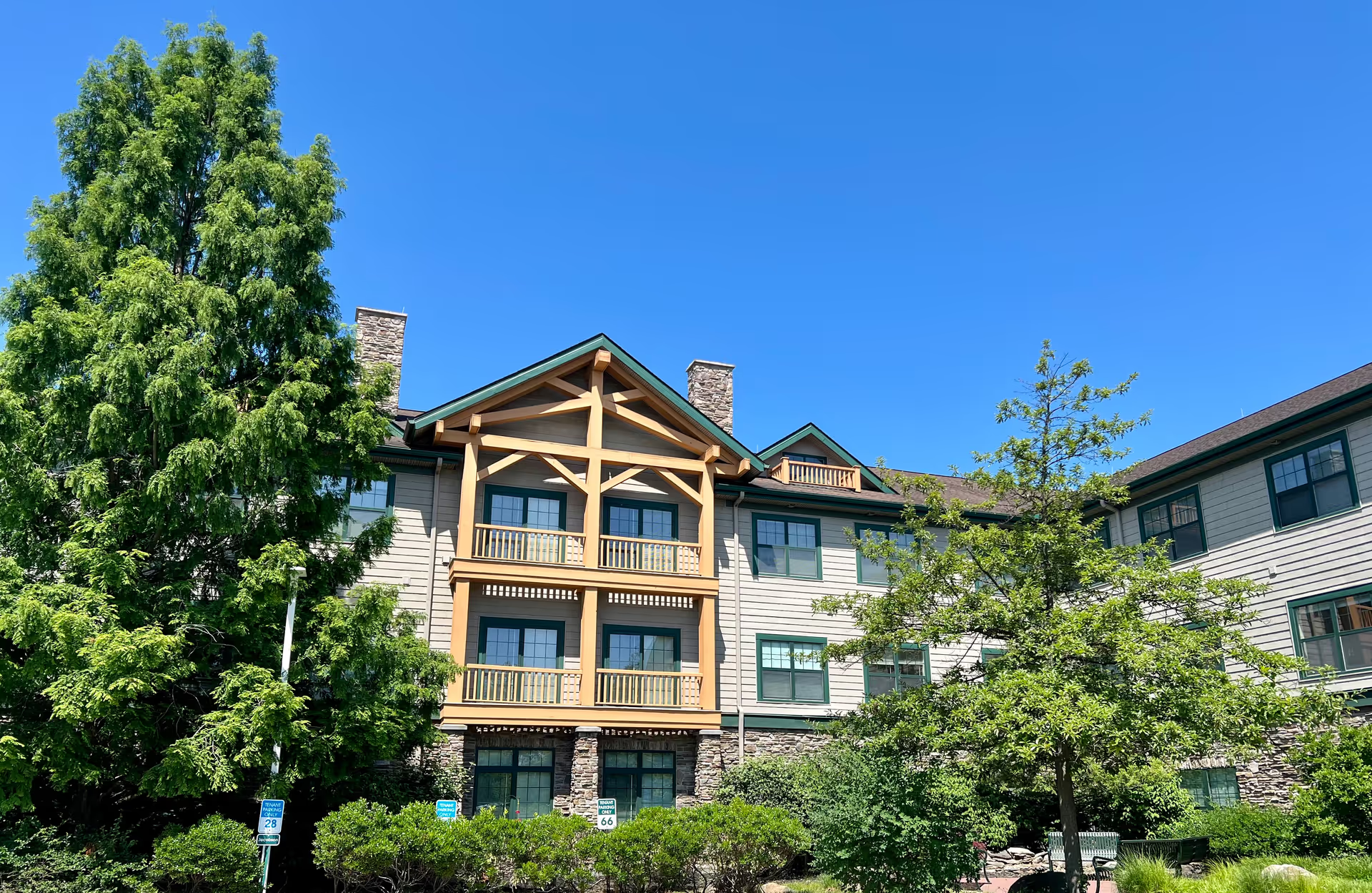
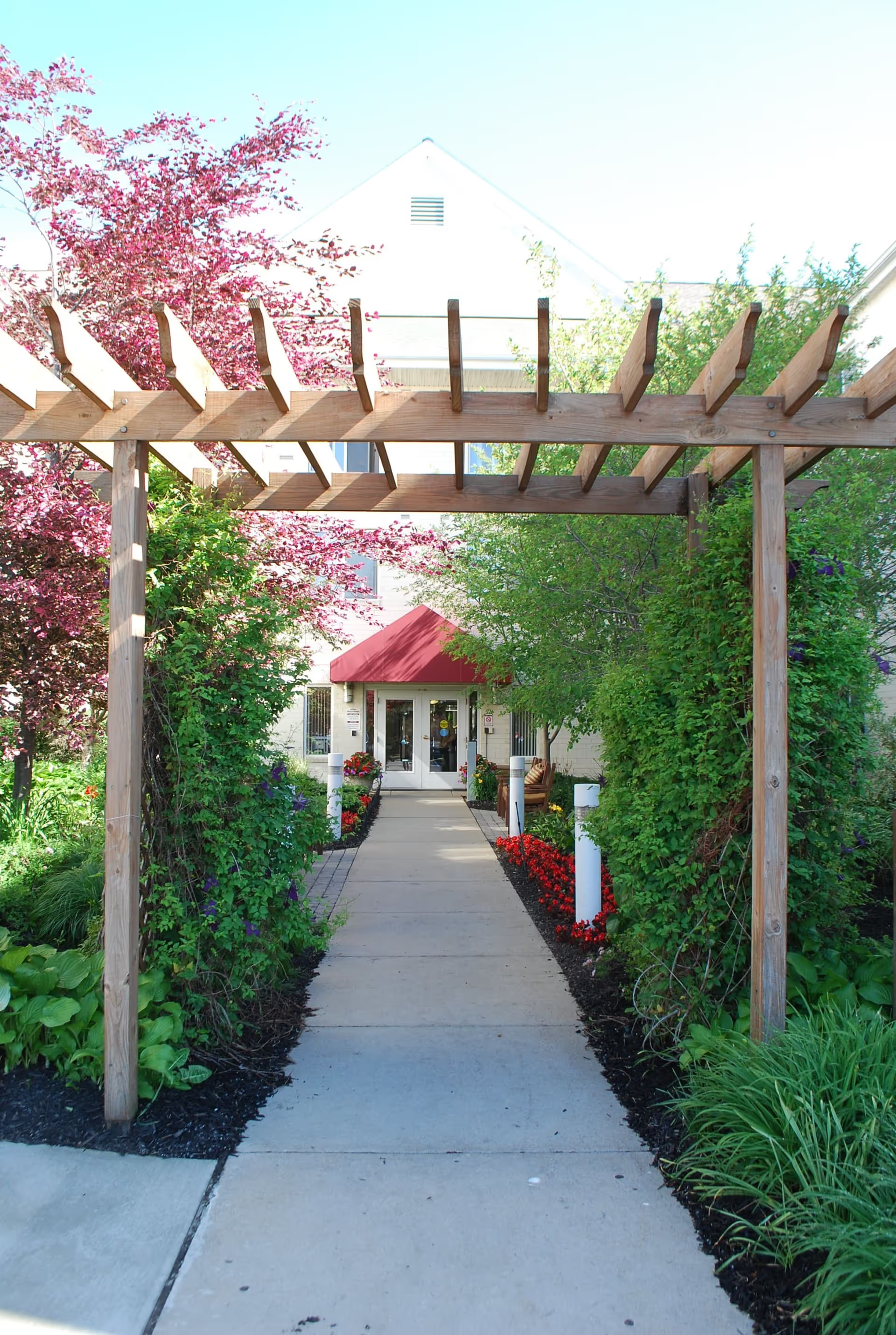
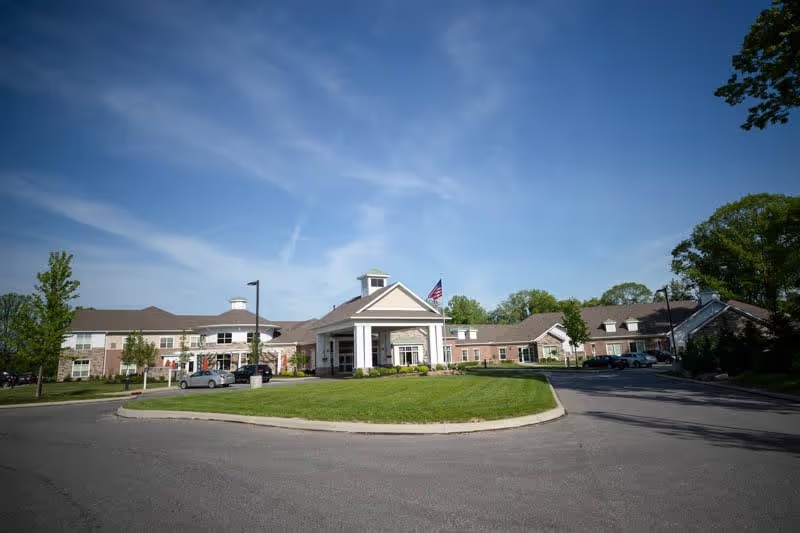
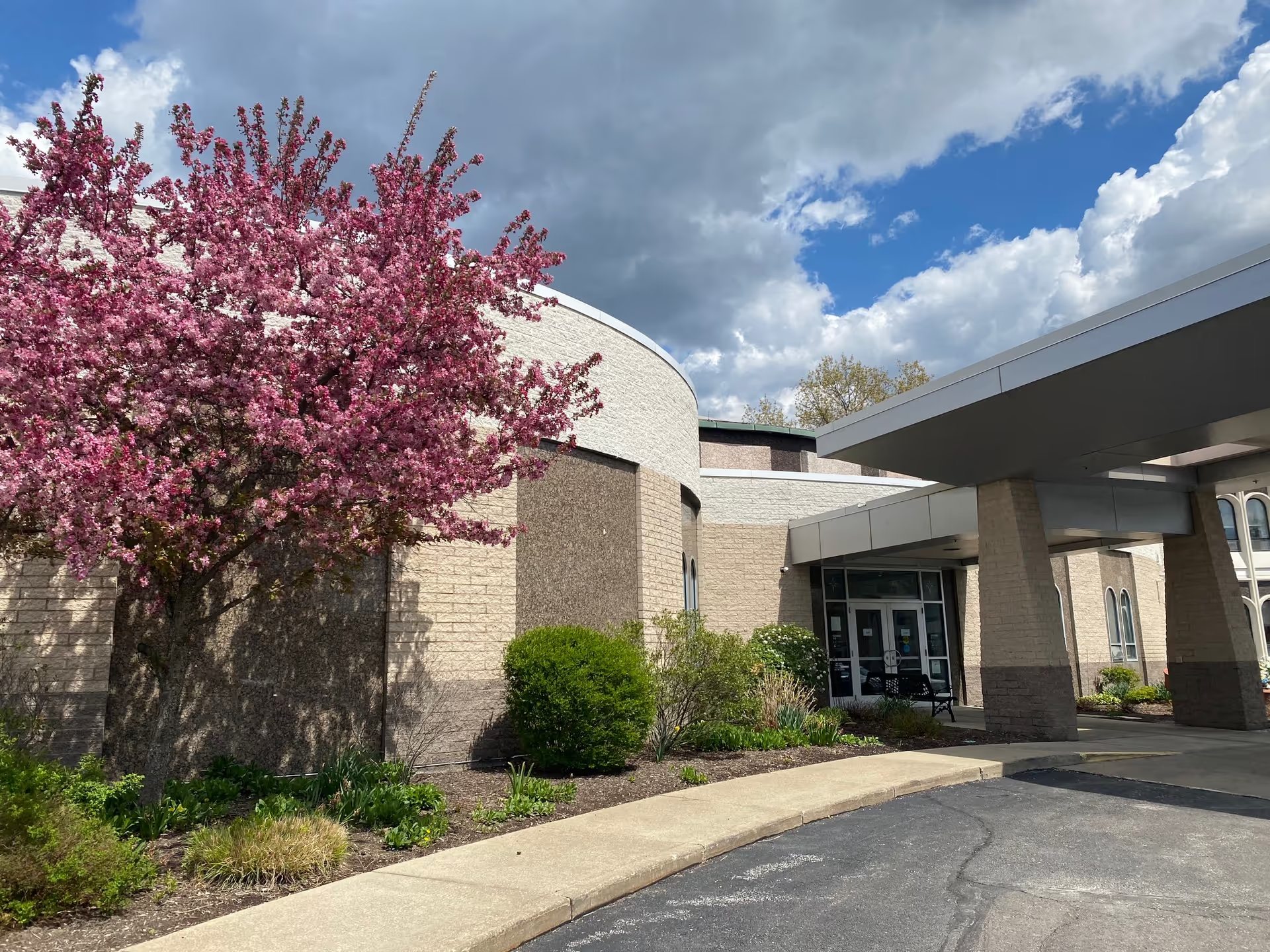
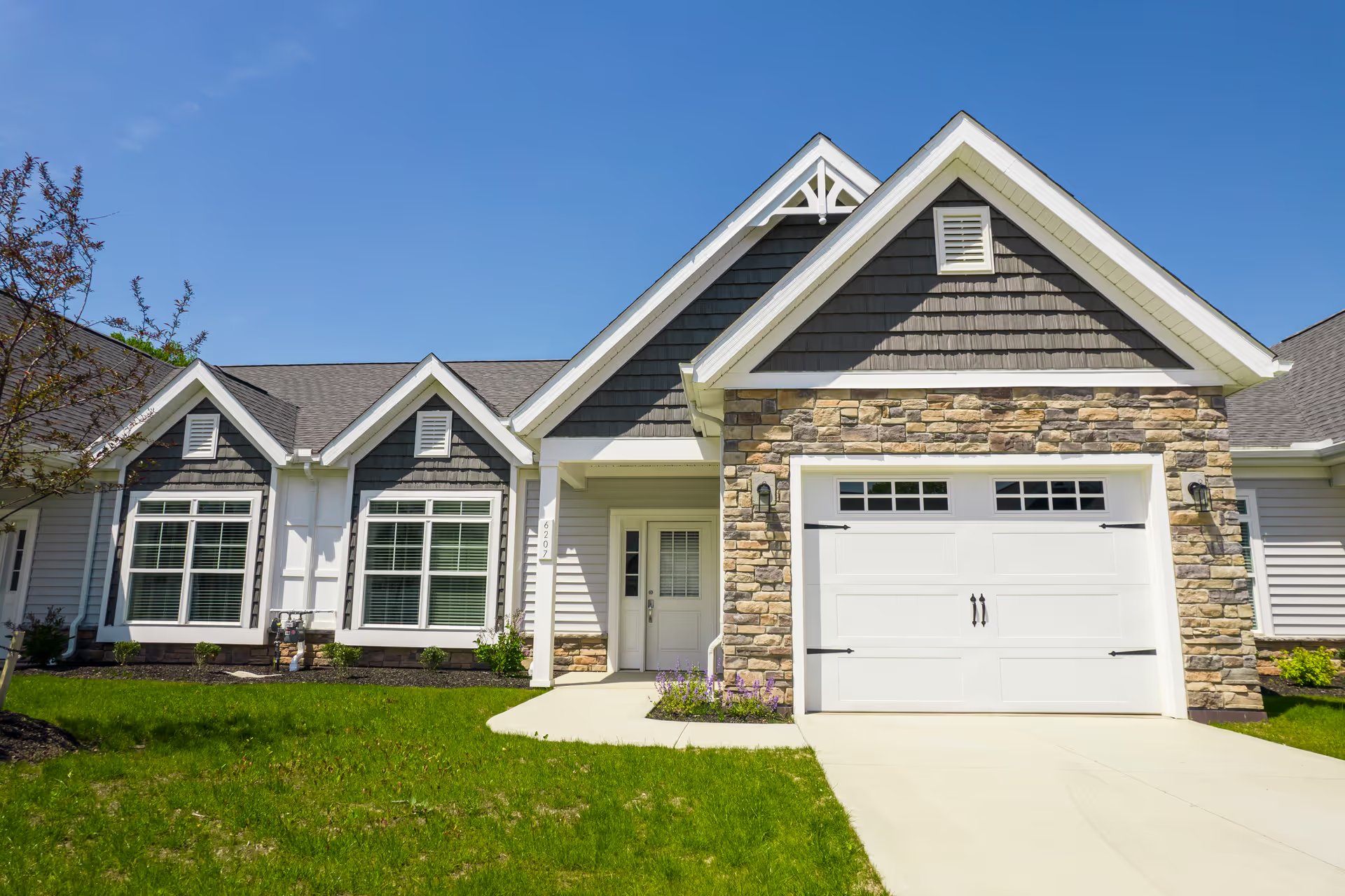
The Woodlands of Shaker Heights elicits a mixed but clear pattern: reviewers frequently praise the physical environment, social programming, and direct-care staff, while identifying operational inconsistencies that affect day-to-day experience. The building and common spaces are consistently described as clean, modern, and recently remodeled; reviewers pointed to attractive dining and activity rooms, pleasant outdoor porches, and a layout that feels home-like in smaller units. Location is another commonly cited strength, with proximity to the library and shopping highlighted as convenient for families.
Care quality and staff interactions are an area of contrast. Many families and visitors characterize aides, nurses, and front-desk personnel as friendly, attentive, and compassionate; several reviewers singled out specific staff and the memory-care team for positive, individualized attention. At the same time, there are recurring concerns about staffing consistency — particularly reduced clinical coverage overnight and shift reductions that leave aides to cover clinical tasks. These operational staffing patterns are linked to reports of slower response times to call buttons and intermittent availability of floor care.
Dining and kitchen services receive variable assessments. Some residents and families found the food appealing, balanced, and accommodating to dietary needs, and they appreciated the dining ambiance. Others reported declines in meal quality, smaller portions, long gaps between meals, and limited snack options. Several reviewers noted turnover or inconsistency among kitchen staff, which appears to contribute to uneven menu execution and service continuity.
Activities and resident engagement are generally viewed positively: arts and crafts, music, sing-alongs, and other social programs are often present and create a lively atmosphere that many residents enjoy. However, activity offerings can fluctuate with staffing levels; a few reviewers observed reduced activity schedules or canceled programs during times of short staffing.
Management and communication present another mixed picture. Some families praised executive-level outreach, weekly updates, and an accommodating admissions process; others described poor responsiveness, a defensive tone from leadership, and gaps in family communication — including concerns about follow-up after significant events. Financial transparency is an additional operational concern: reviewers mention rate increases and unclear information about add-on charges, which can create uncertainty around long-term budgeting.
In sum, The Woodlands combines a well-maintained, attractive physical setting and many examples of caring, engaged staff with operational weaknesses that primarily center on staffing consistency, dining variability, and communication/management transparency. Prospective residents and families should weigh the strong aspects of environment and programming against the potential for uneven service delivery during staffing changes; asking specific questions about night coverage, dining schedules, activity continuity, and documented fee structures during a tour or pre-admission meeting would help clarify current operating practices.