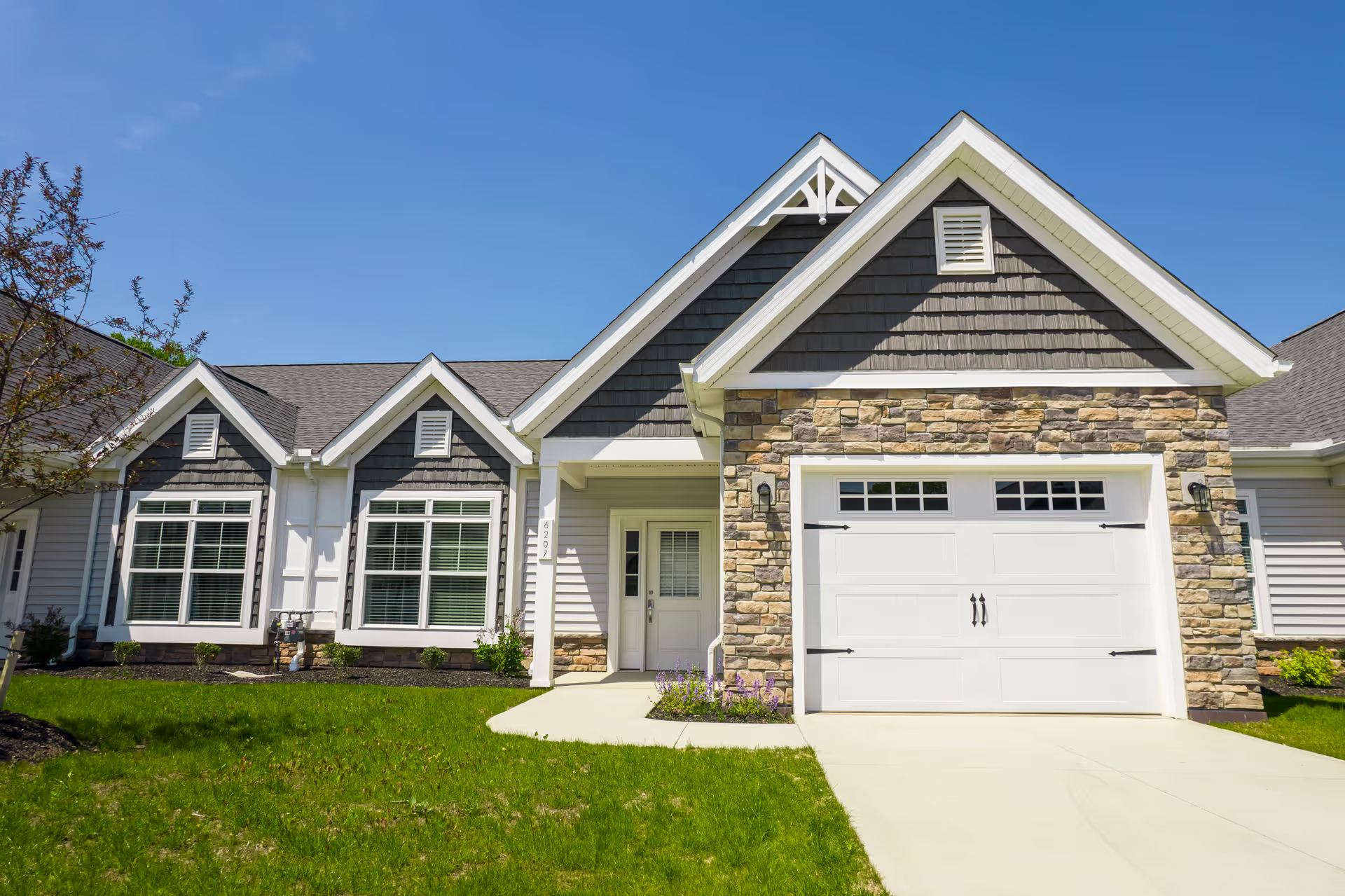
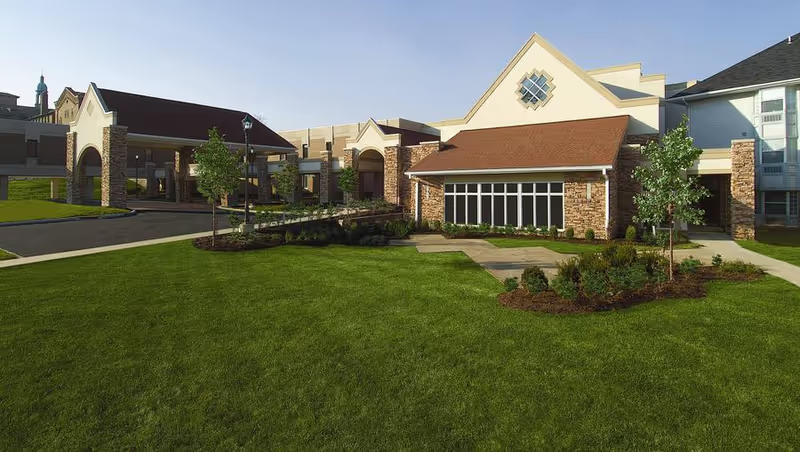
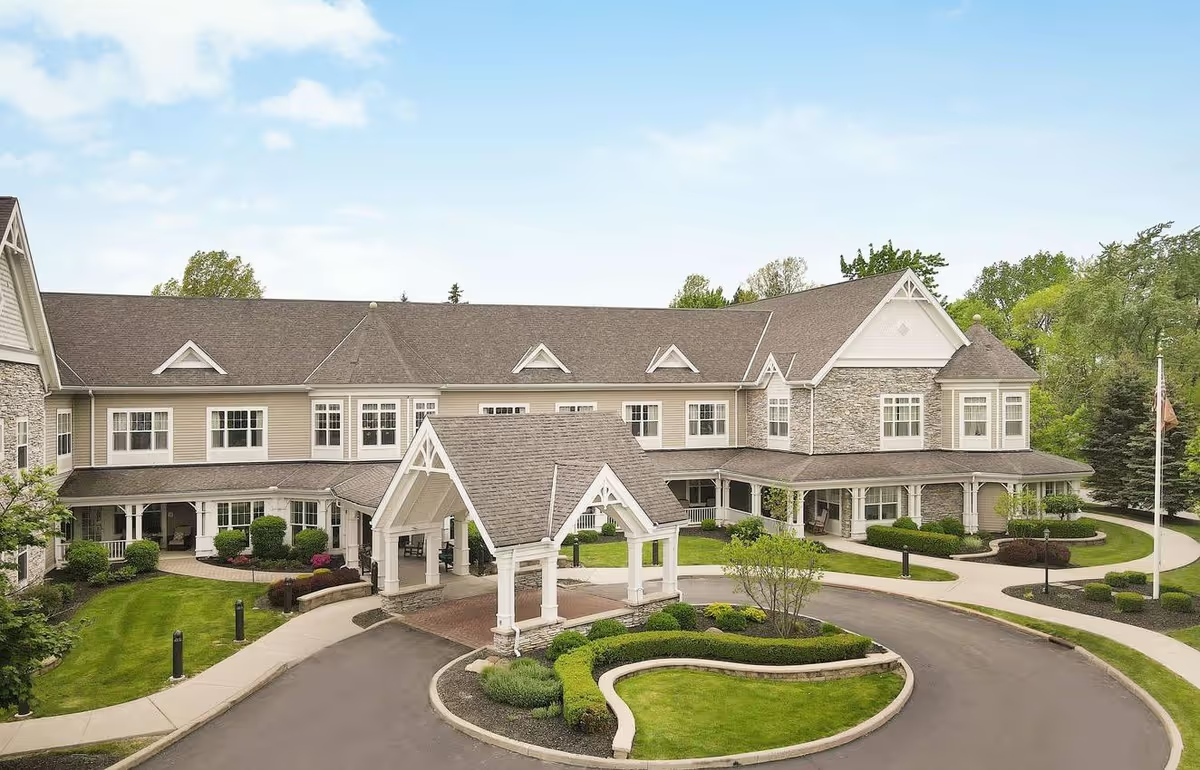
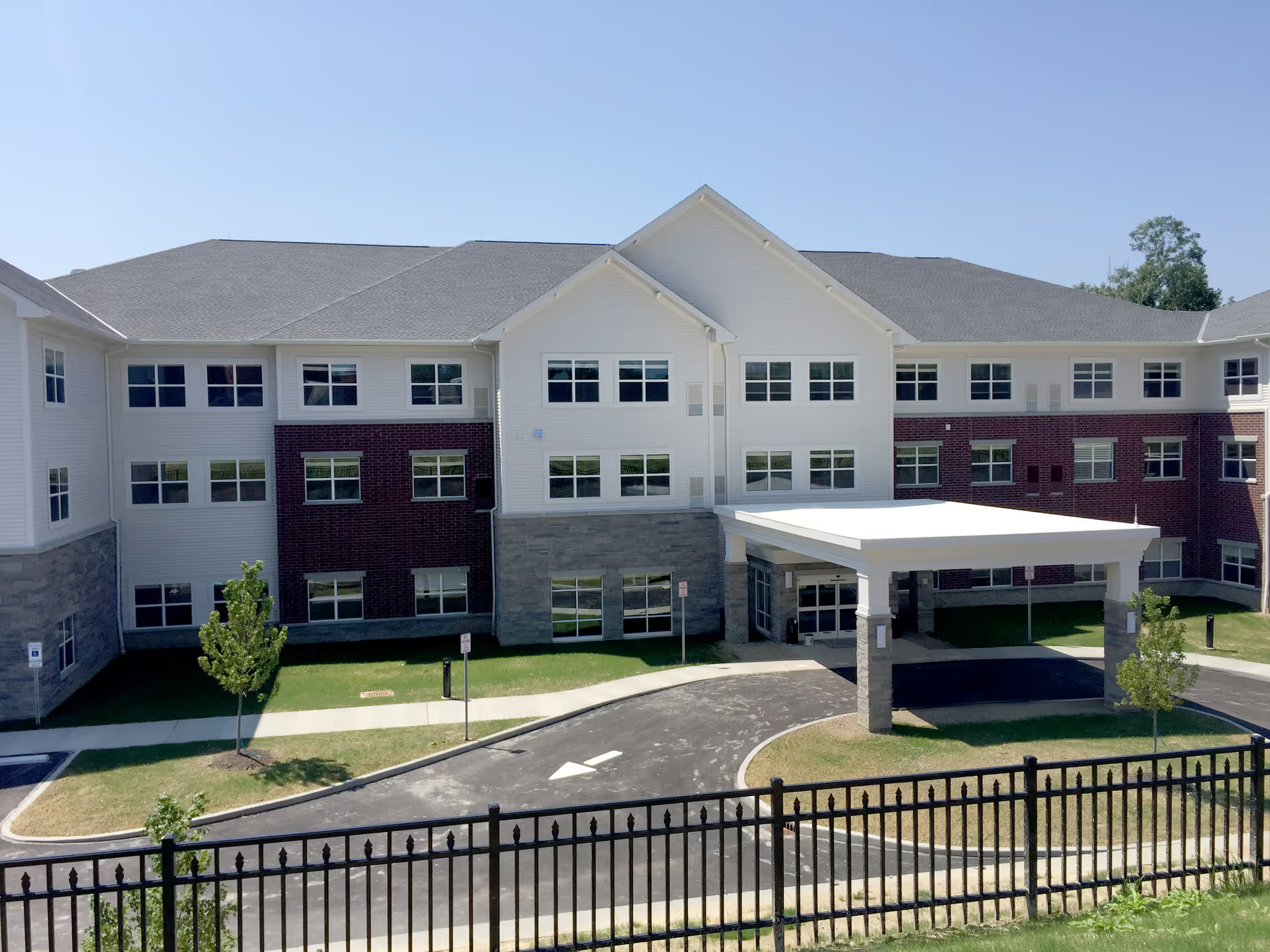
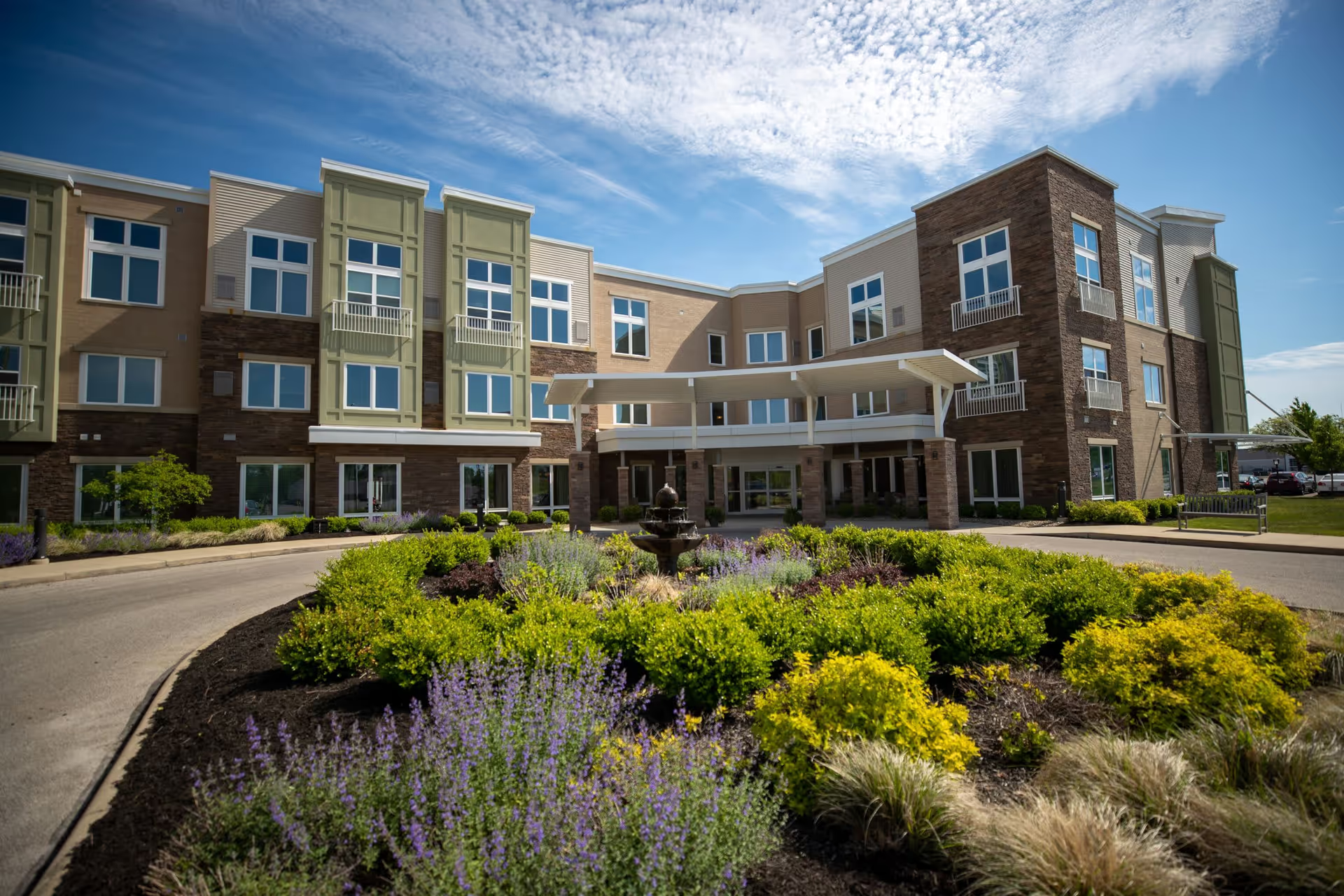
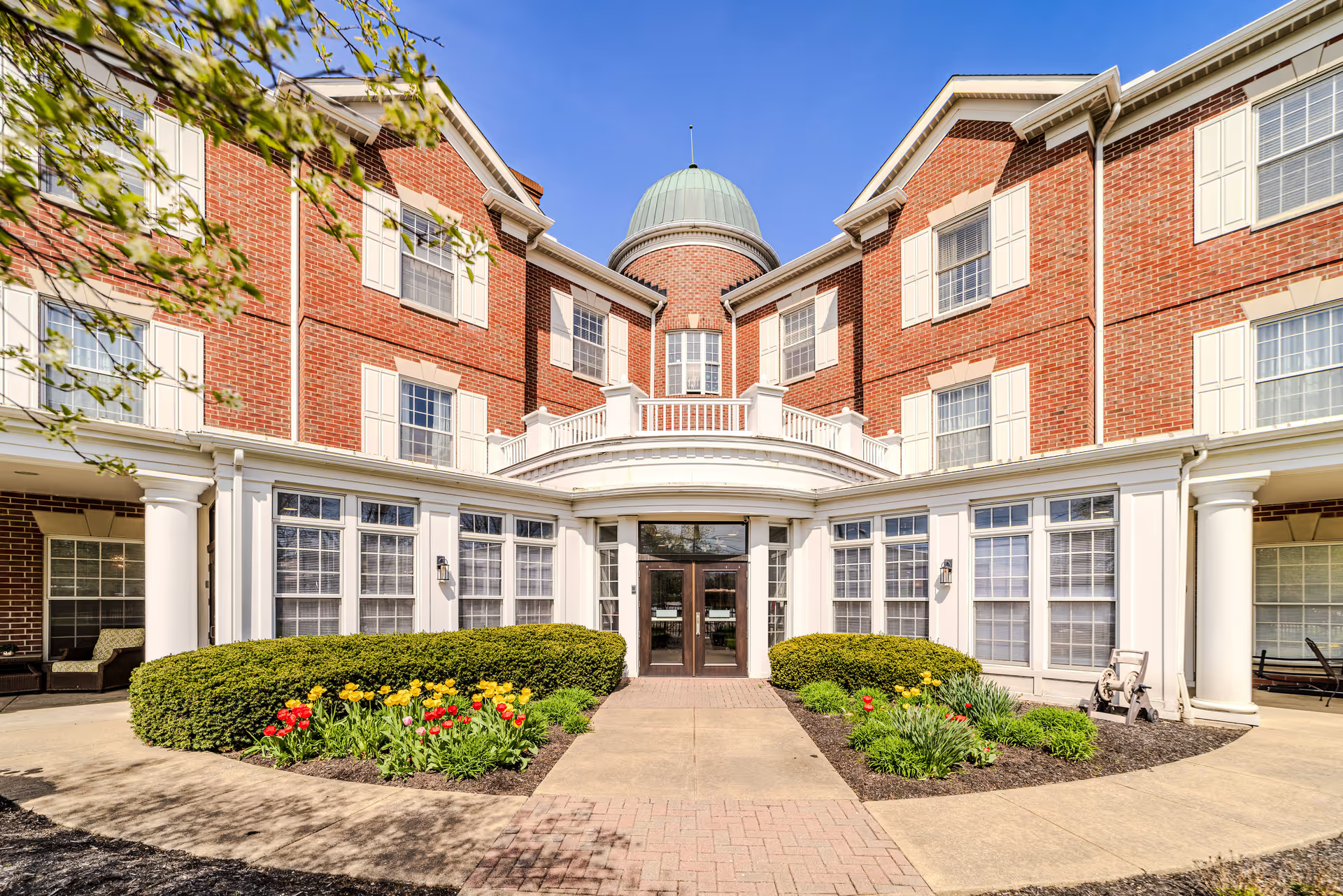
Vista Springs Ravinia Estate is consistently described as an attractive, modern community with well‑designed, bright interiors and pleasant outdoor courtyards. Many families commented on private, spacious rooms, clean common areas, and a home‑like atmosphere. The community offers a broad set of amenities — salon, gym, therapy spaces, and themed dining events — and several reviews praised specific touches such as holiday activities, Souper Thursdays, and pet therapy that contribute to resident wellbeing.
Frontline staff and activity teams are a recognized strength. Reviews frequently highlight warm, personable caregivers who engage residents, know names, and create social opportunities. Activity staff and therapy clinicians receive repeated positive mention for keeping residents active and helping with transitions. On-site physical and occupational therapy is often cited as a positive clinical resource that supports recovery and mobility gains.
At the same time, a pattern of operational variability emerges. Staffing levels are described as inconsistent, with reliance on temporary/PRN personnel and occasional call-offs; this has been associated with longer wait times for assistance, reduced weekend responsiveness, and uneven skill mix (for example, LPN coverage rather than RN coverage in some shifts). Several families described lapses in housekeeping and laundry processes, including lost items and schedule nonadherence. There are also recurring notes about administrative inconsistencies — from front‑desk interactions to variable follow‑up after emergent events — that affect family confidence.
Dining and clinical expectations show mixed experience. Many reviewers praised the meals and dining room environment, while others described occasional variability in food quality and instances where menu customization was not honored. A few reviews raised sanitation concerns specific to diningware. On the clinical side, while therapy services are often strong, some families expressed concerns about the facility’s ability to manage higher‑acuity medical needs and end‑of‑life/hospice care; marketing language that suggests higher-level clinical resources than are routinely available was also called out.
For prospective residents and families, the community’s strengths lie in its environment, active programming, and many compassionate caregiving staff. Key tradeoffs to evaluate are staffing consistency, weekend and off‑shift responsiveness, clinical staffing mix for higher‑acuity needs, and the community’s housekeeping/laundry procedures. Visiting multiple times, asking for current staffing ratios, clarifying which clinical services are available on each shift, and documenting laundry and property policies will help align expectations with the community’s operational realities.