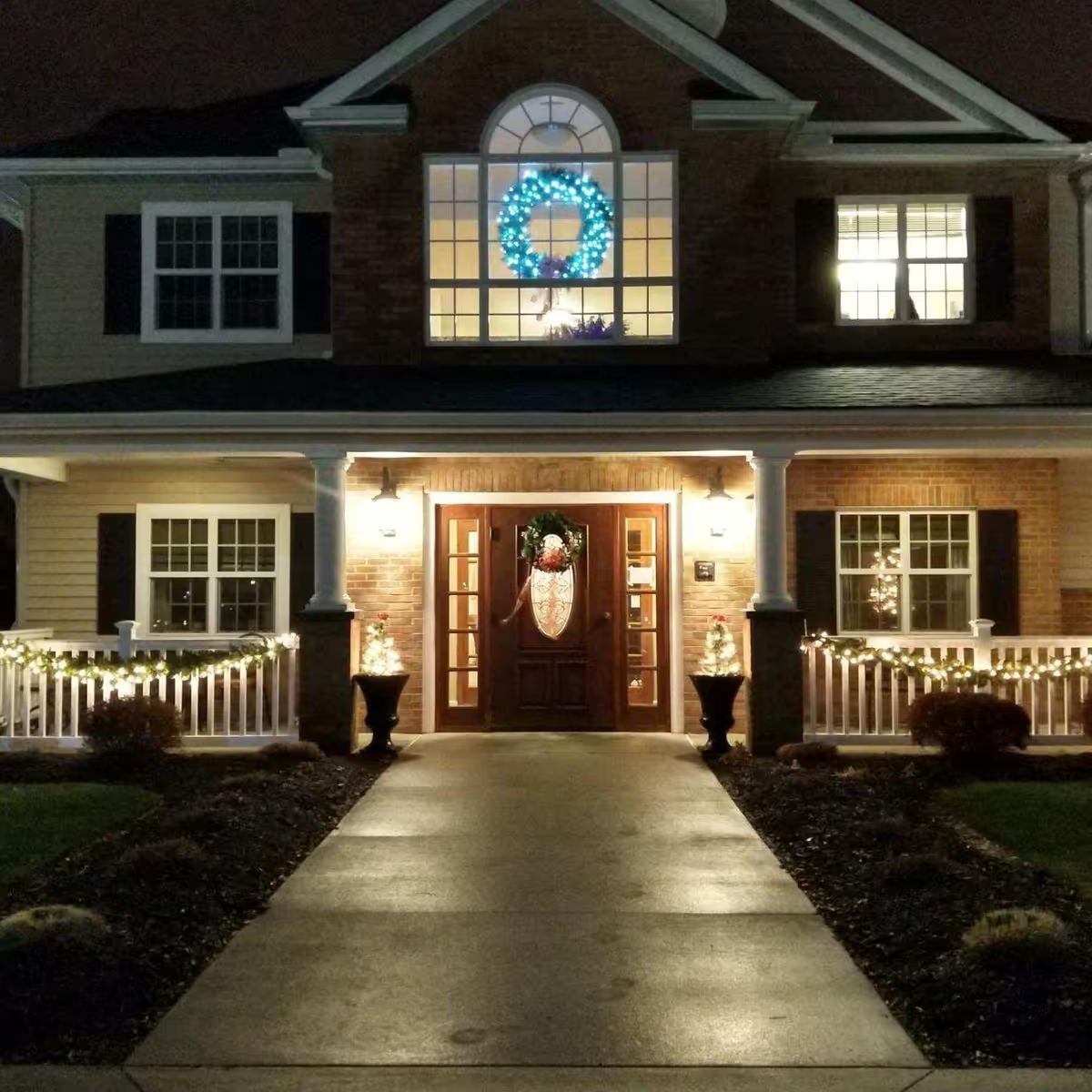
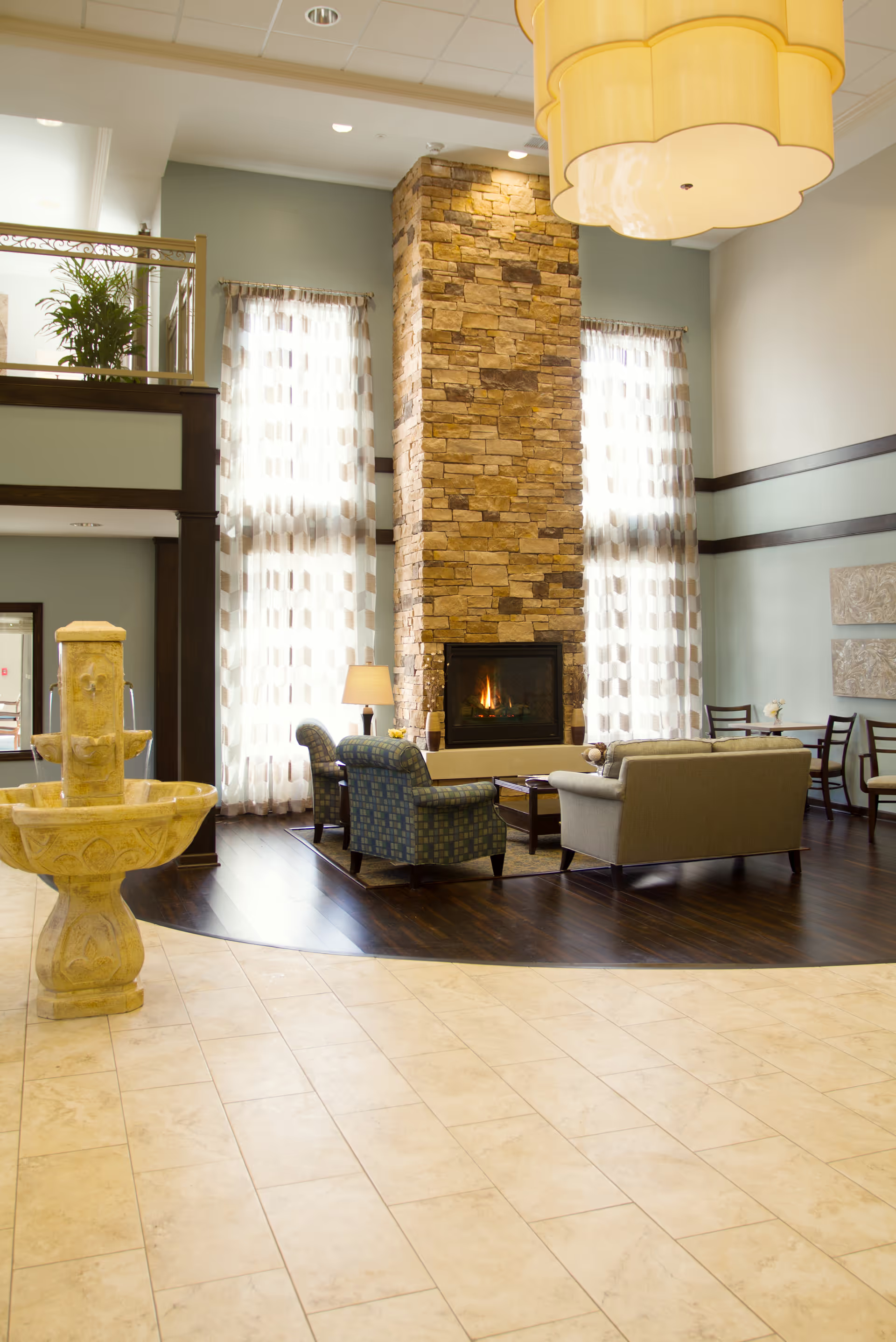
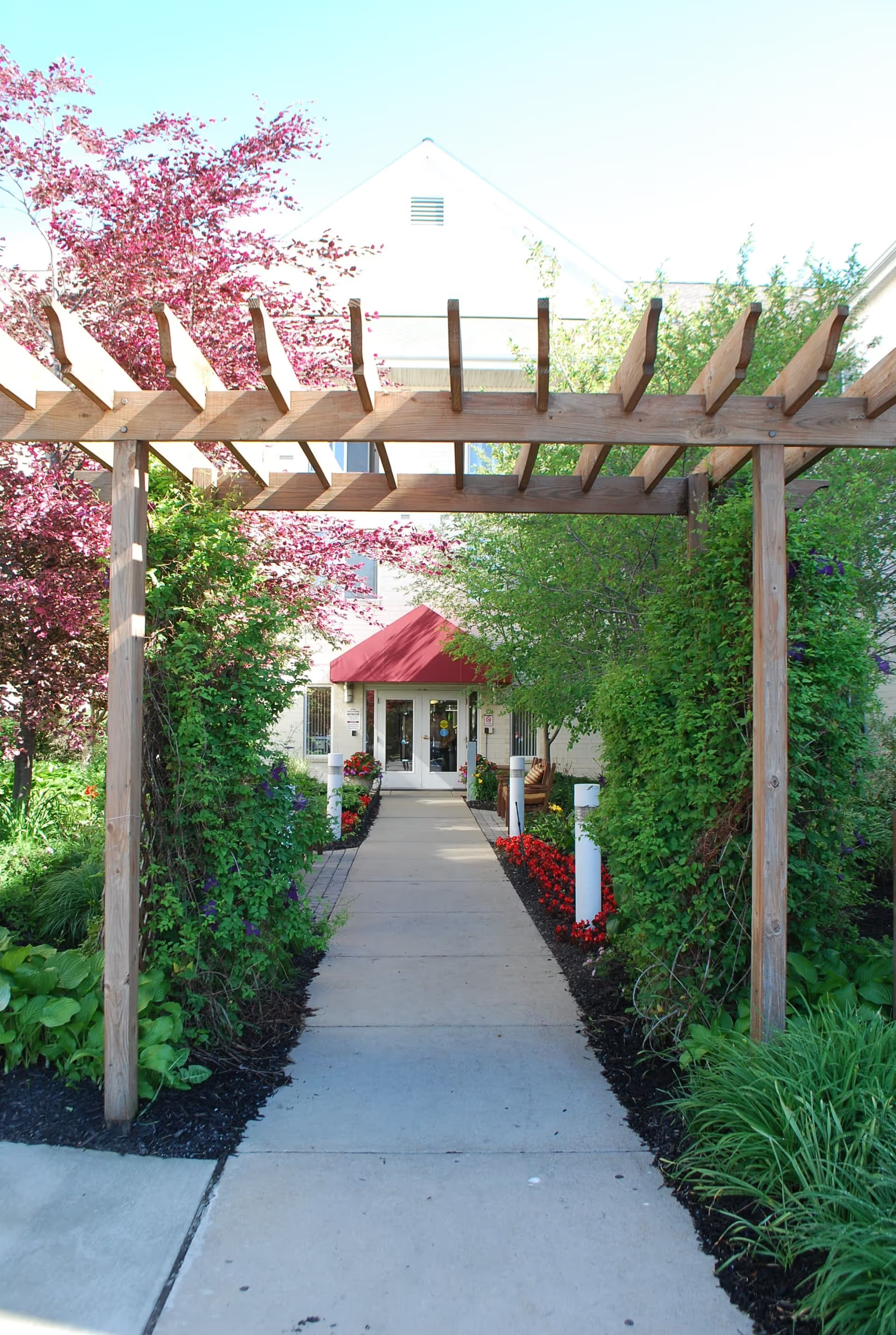
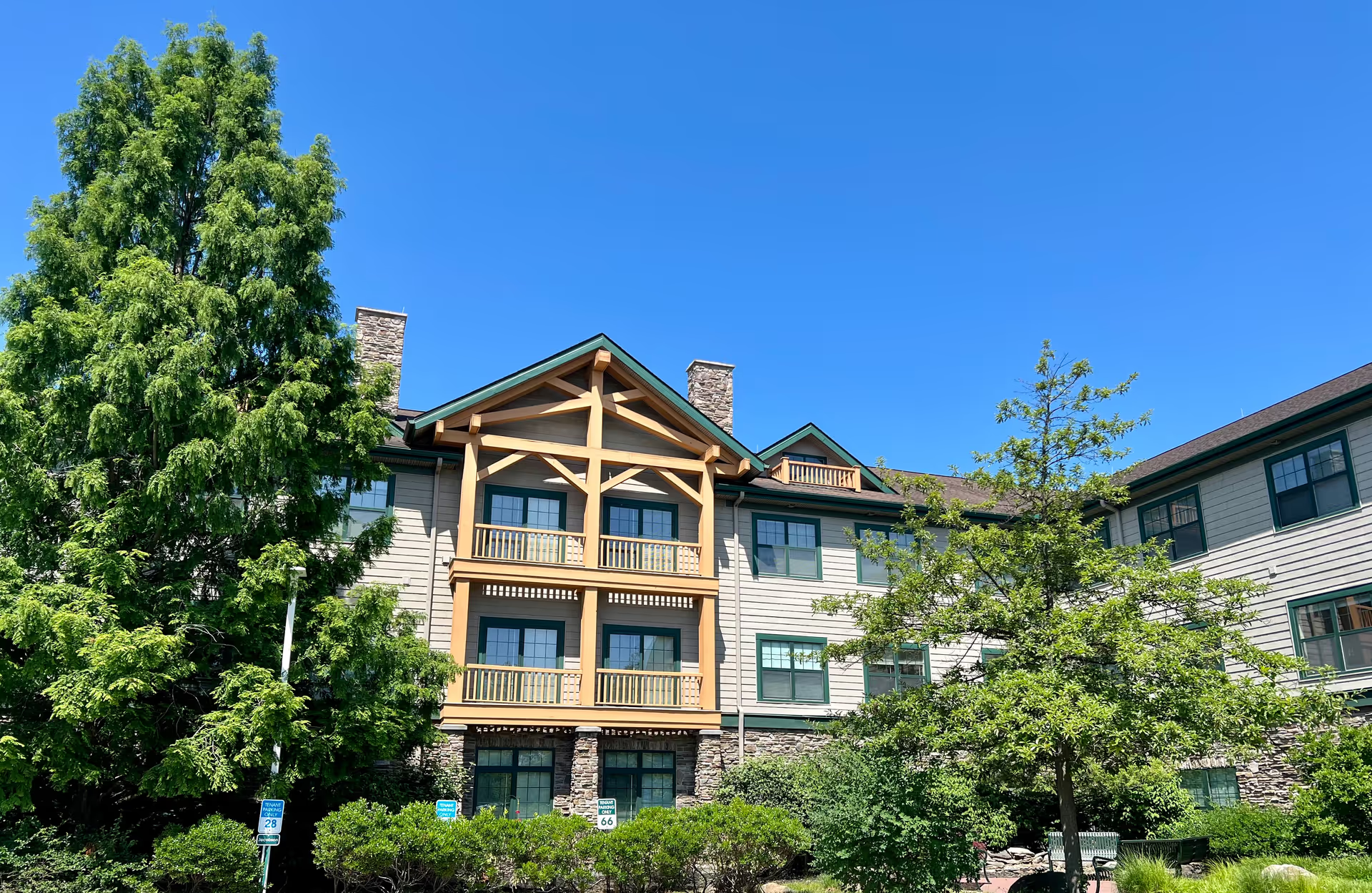
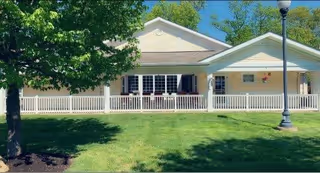
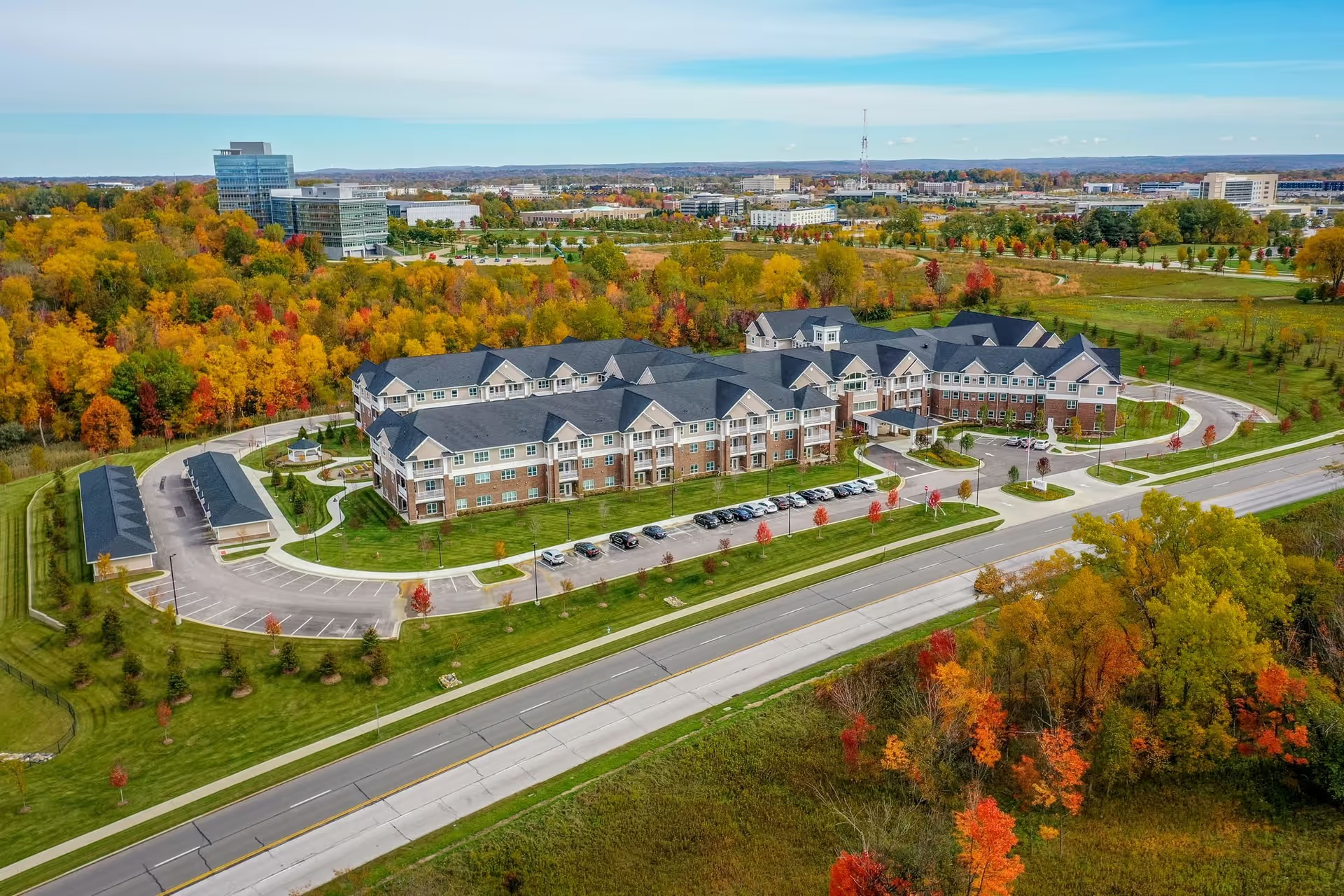
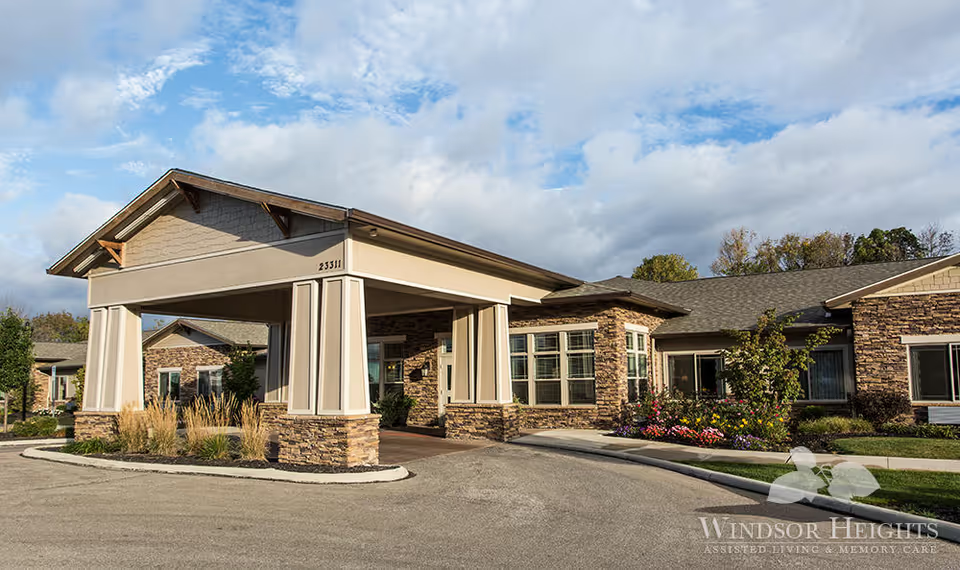
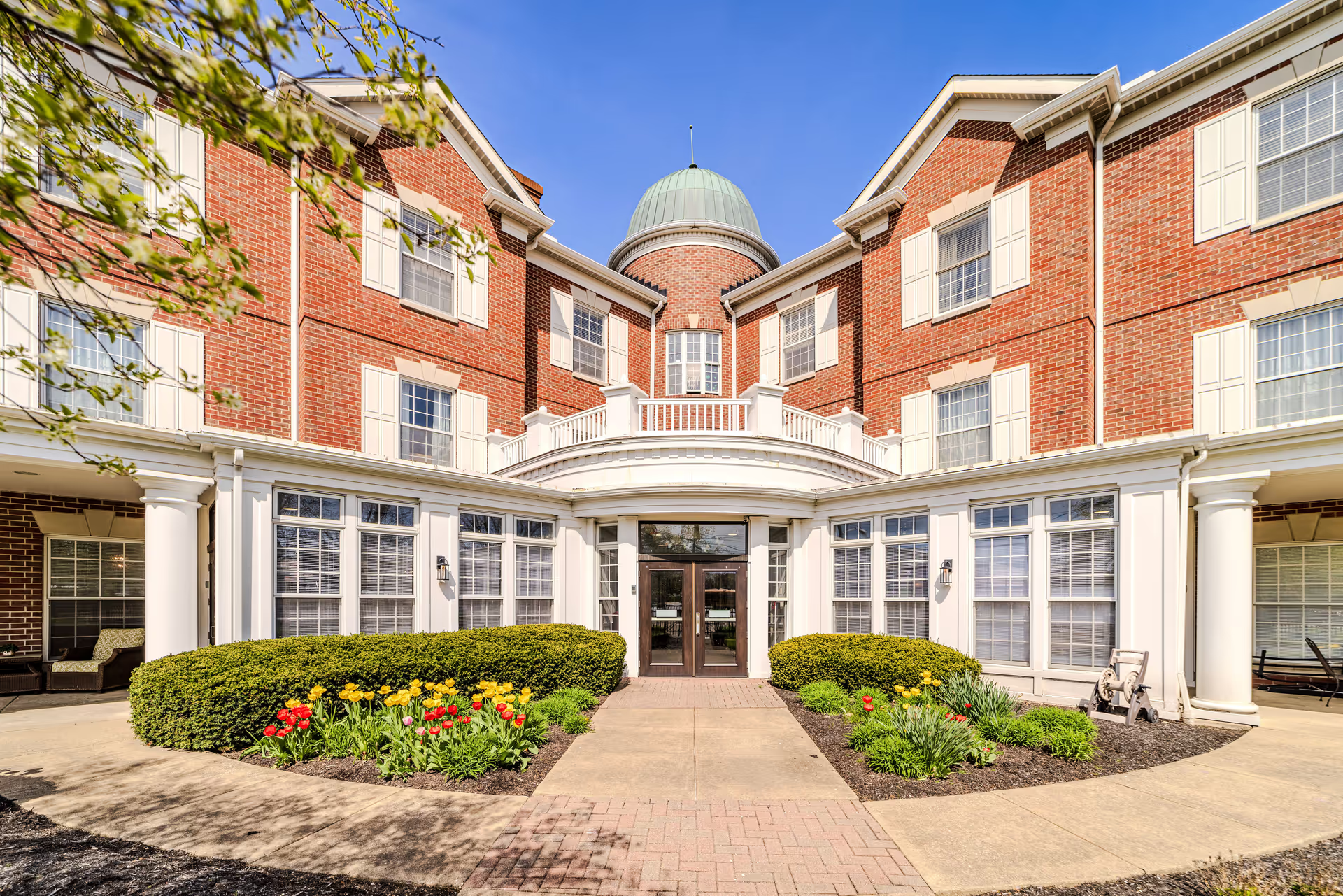
Reviews of Aberdeen Crossings present a mixed but patternable picture across care, staffing, dining, activities, facilities, and management. Many families praise the facility's physical environment and culture: the building is frequently described as clean, well maintained and attractively decorated, with responsive maintenance personnel and a secure entry system. The community atmosphere is commonly characterized as social and family-like; residents and families report warm greetings, engaged staff who know residents by name, and a steady schedule of social programming and themed events that support resident engagement.
Care quality and staffing elicit divergent impressions. A substantial number of reviewers describe compassionate, attentive caregivers, long-tenured staff, helpful front-desk service, and beneficial on-site clinical or hospice support that improved care outcomes. Conversely, other families cite operational weaknesses: inconsistent medication administration and timing, occasional medication errors, gaps in responsiveness to call bells, and limited overnight clinical staffing. High staff turnover is repeatedly noted as a driver of variability in care knowledge and consistency, and several reviews attribute service lapses to less-experienced replacement staff.
Dining and activities are strengths for many residents but are experienced variably. Numerous families praise nutritious, well-portioned meals and enjoyable social dining; others describe inconsistent food quality and limited menu options for specific diets (for example, vegetarian choices). Activities are frequent and varied, including outings and on-site programs that improve mood and socialization; however, some families noted that programming and outings are not always well adapted for higher-dependency or wheelchair-bound residents.
Facility operations show both positives and areas for improvement. Housekeeping and general cleanliness are often highlighted positively, yet some reviews point to sanitation and odor concerns in particular common areas and to inconsistent bathing or dressing assistance for some residents. Maintenance responsiveness is a clear positive, but reviewers also raised concerns about personal-property controls after missing laundry and other items were reported.
Management and communication present a mixed record. Several reviews commend recent ownership or management changes, improved oversight, proactive move-in support, and effective front-desk personnel. At the same time, recurring themes include inconsistent family communication, occasional unprofessional communication from administrative staff, and documented billing and refund process deficiencies — including delays or errors that caused significant distress for some families. A few reviews described serious concerns surrounding end-of-life care and subsequent billing and communication; these are notable and warrant careful inquiry during a tour.
What this pattern suggests for prospective residents and families: the community can deliver a warm, engaging, and well-maintained environment with strong maintenance and front-desk support, good activities, and effective clinical/hospice partnerships in many cases. However, experiences vary substantially depending on staffing consistency and management follow-through. Families considering Aberdeen Crossings should tour the unit, ask specific questions about medication administration protocols, overnight nursing coverage, staff turnover and training, housekeeping schedules, personal-item tracking, billing/refund policies, and how activities are adapted for higher-dependency residents. Checking recent references and clarifying escalation and communication pathways can help set expectations and identify whether the facility's current operations match a family's care needs.