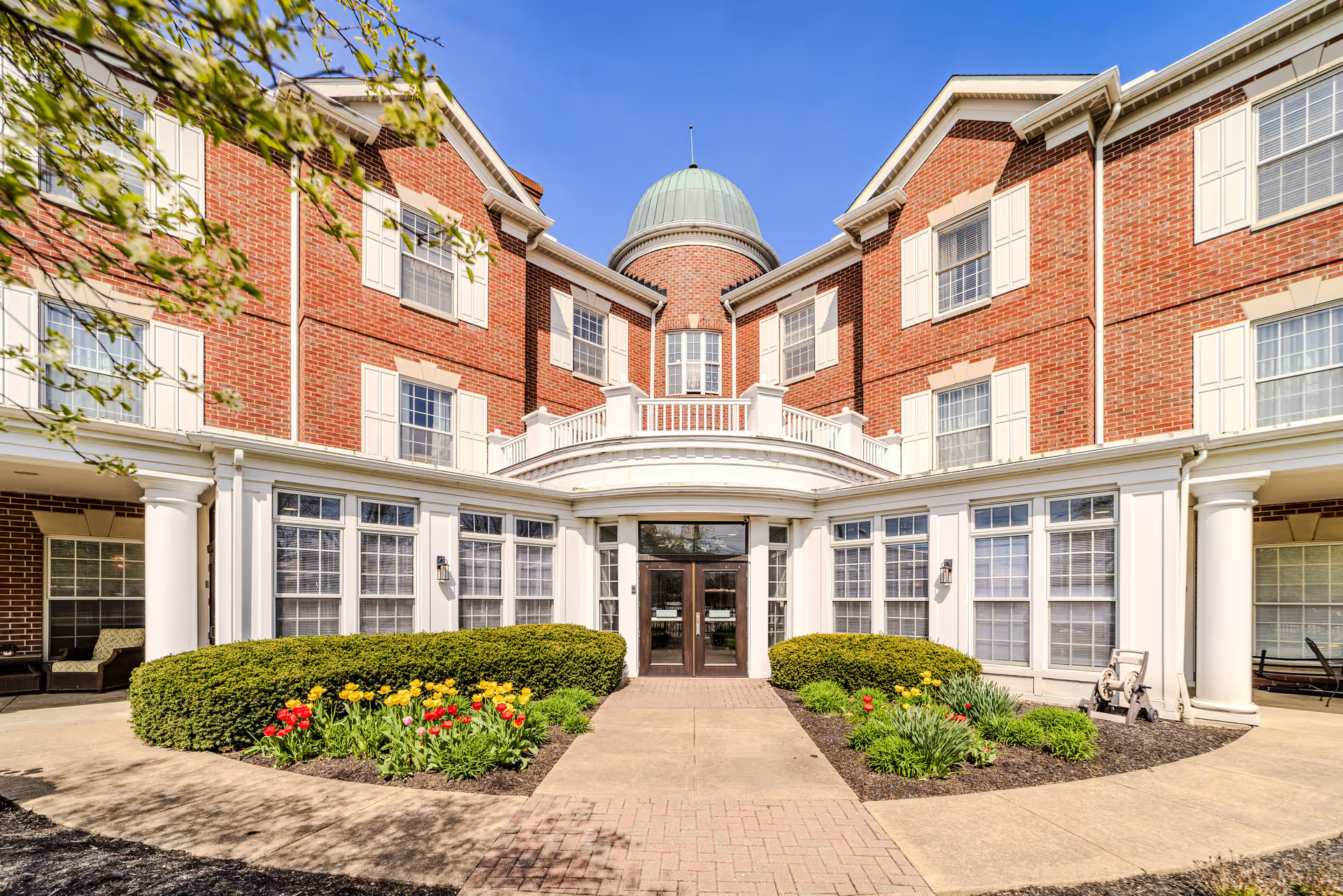
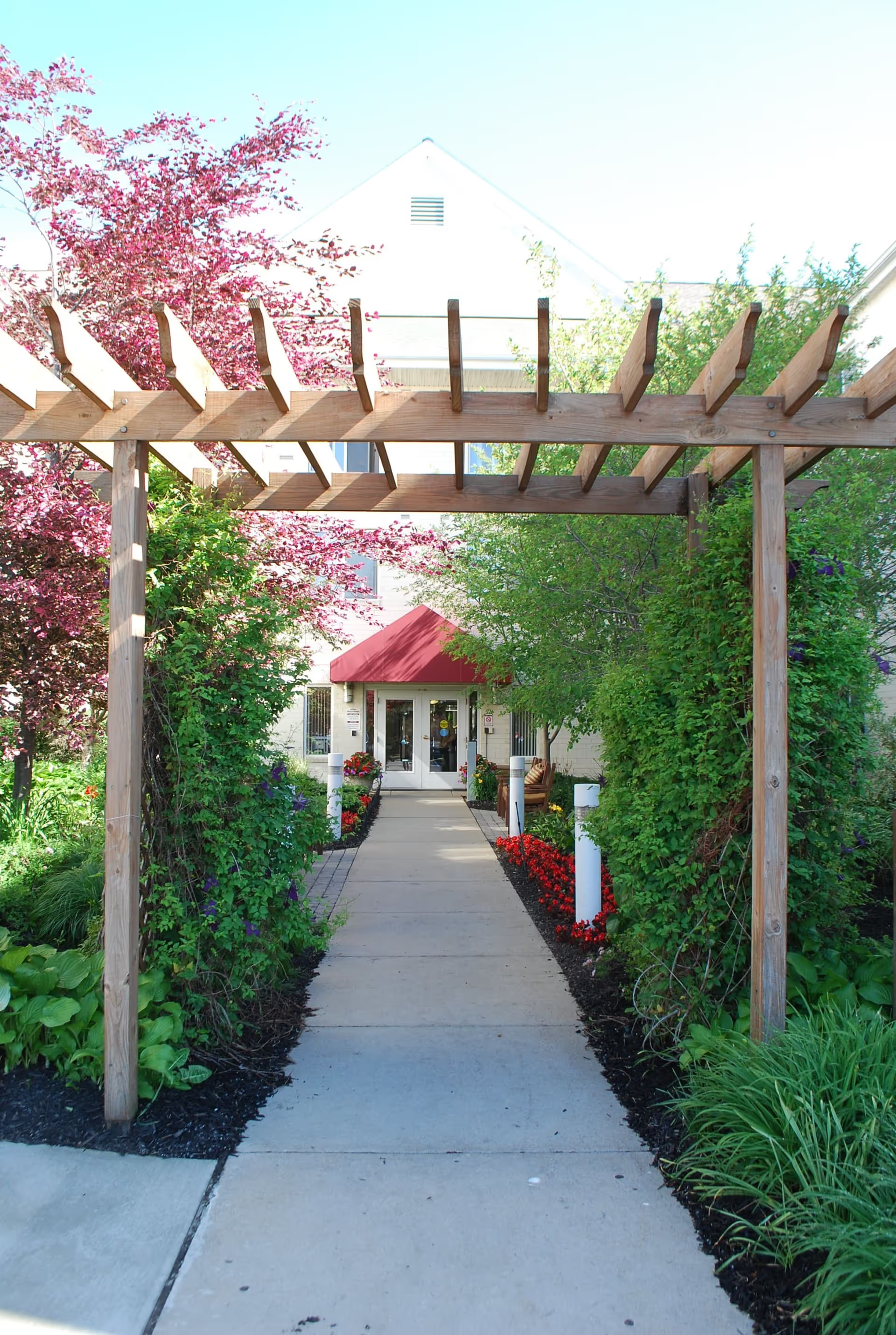
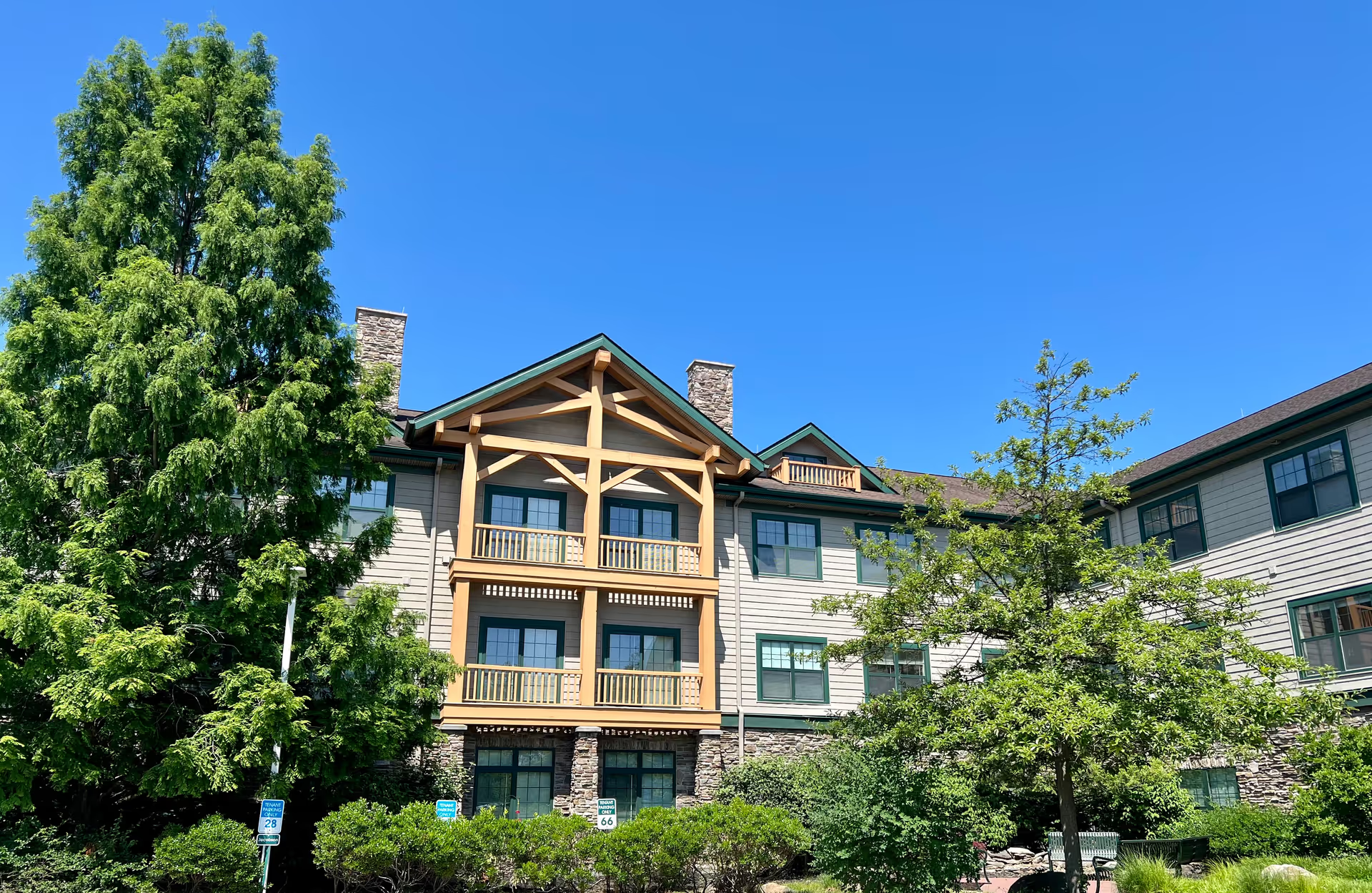
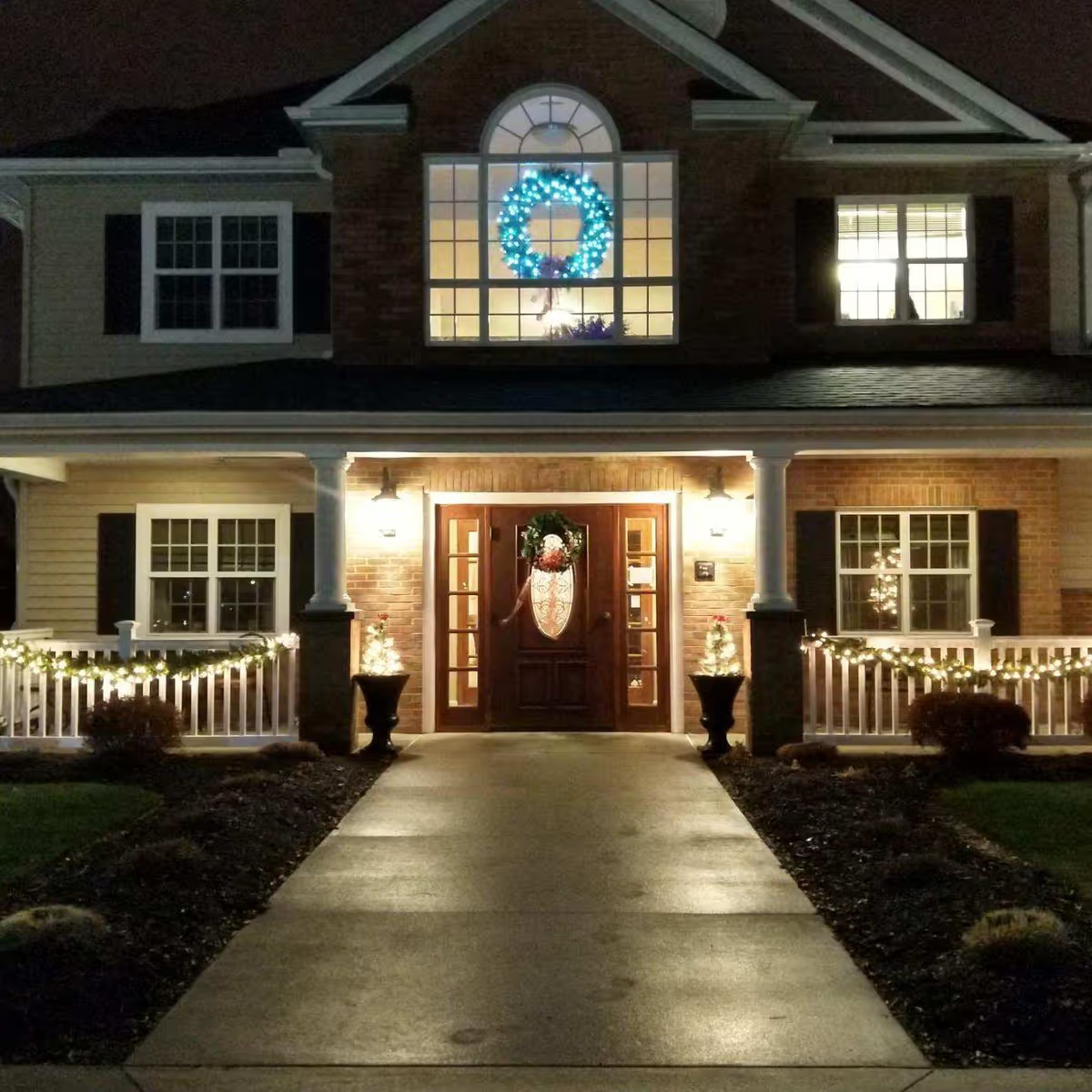
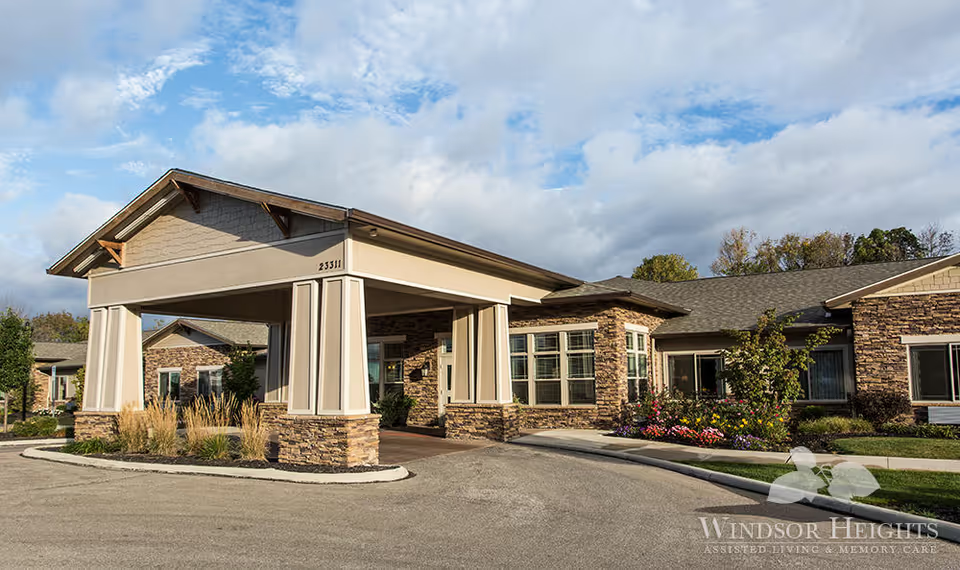
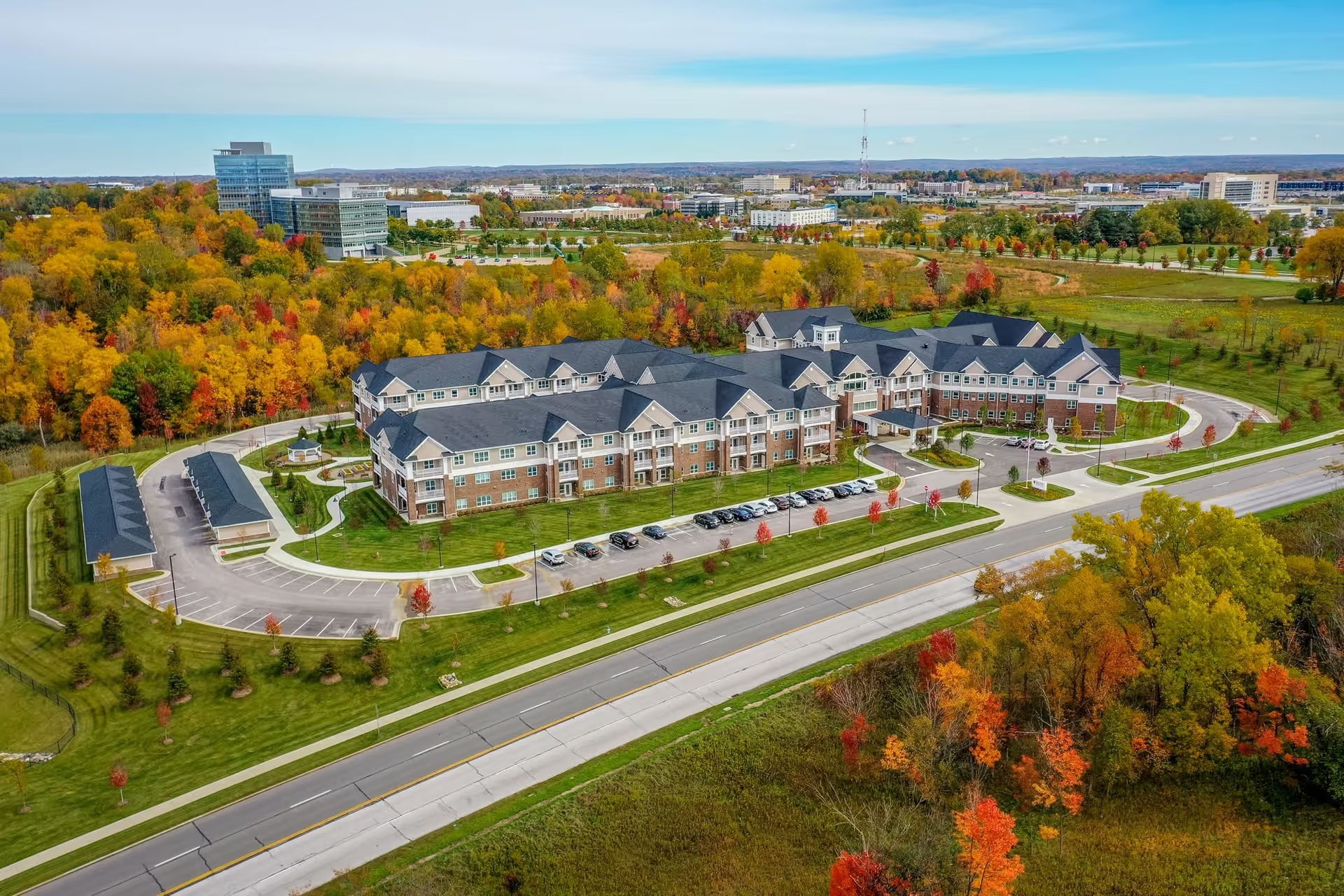
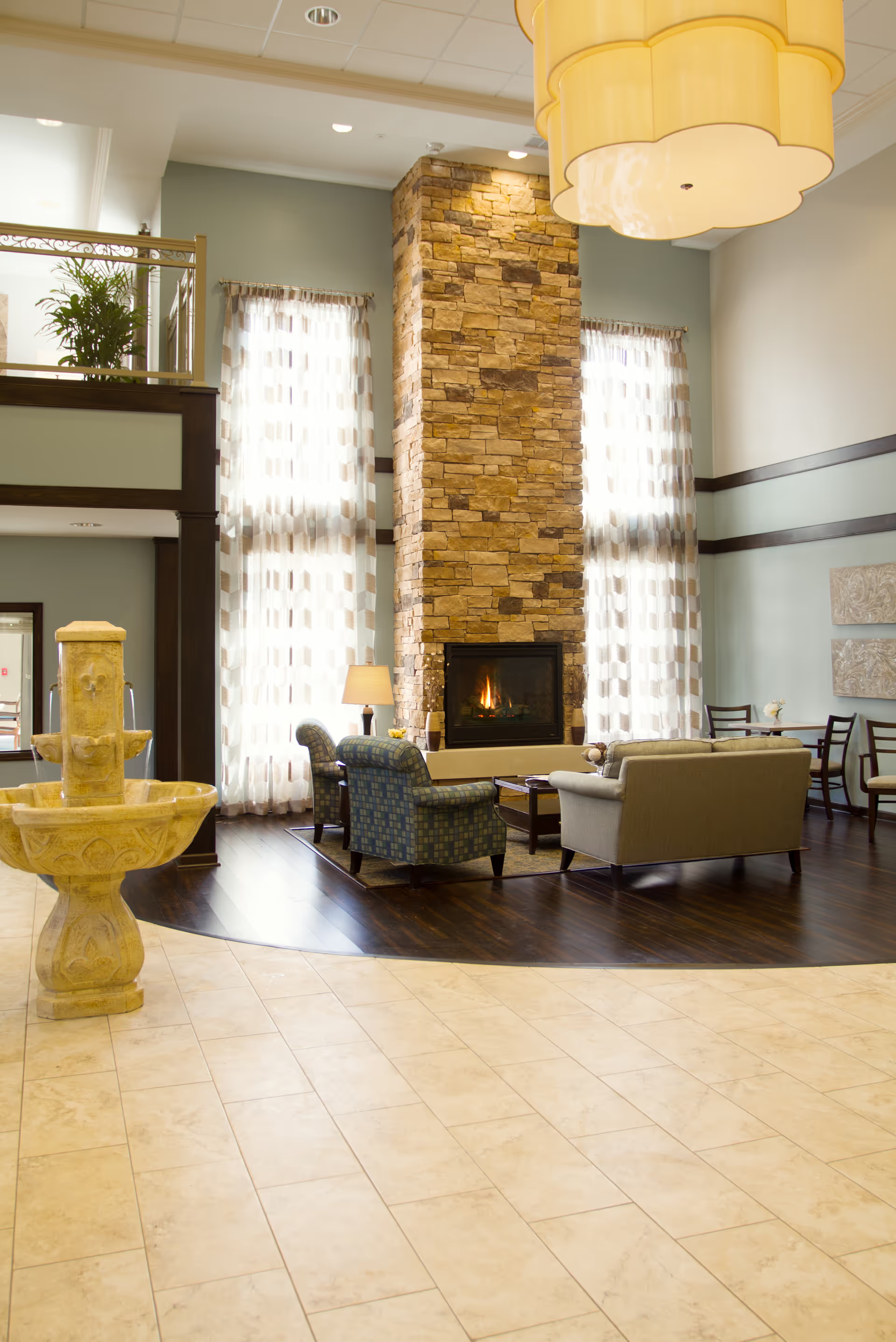
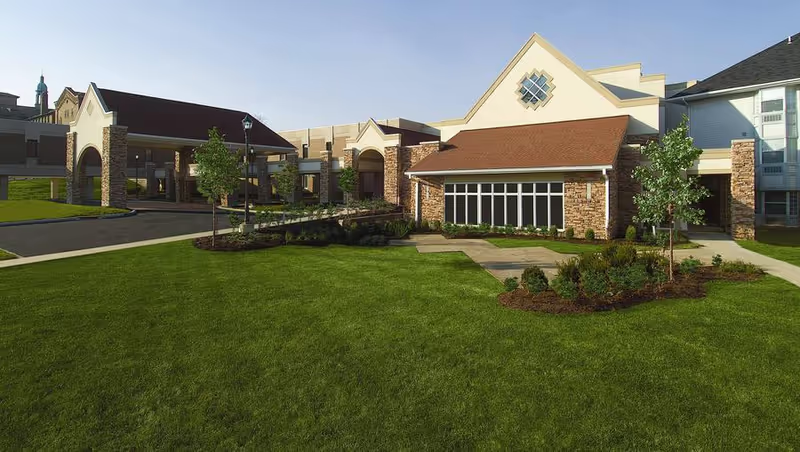
McGregor Home presents a mixed but distinct profile: its physical plant and community programming are frequently praised, while clinical operations and consistent frontline performance show variability. Multiple accounts describe a well-kept, attractive campus with elegant architecture, pleasant grounds, clean common areas, and amenities such as a chapel, rehabilitative services (including PACE and short-term rehab), and comfortable apartments. Many reviewers highlight a welcoming atmosphere, prompt maintenance, and social bonds among residents; activity offerings are varied and energetic, with specific events and purposeful programming noted as memorable and engaging.
Staffing and direct-care quality are the most polarized area. A sizable portion of feedback commends compassionate caregivers, an effective therapy team, attentive aides, and a supportive admissions process; these elements contribute to resident satisfaction and peace of mind for families in many cases. However, other accounts describe inconsistent staff professionalism, curt or unhelpful communication, and variability in responsiveness. Linked operational themes include perceived understaffing at times and inconsistent staff availability, which several reviewers tied to slower responses to call lights, delayed medication rounds, and variability in assistance with activities of daily living.
Clinical practice and safety patterns are a notable concern in several accounts. Reviewers have raised issues that cluster around inconsistent adherence to clinical orders and protocols, gaps in transfer and lift techniques, and problems with ADL assistance (for example, oral-care routines, dressing, and application of support garments). There are also references to wound-care and infection-management issues, late-night medication delivery, and instances that resulted in hospital admissions or hospice transitions. These indicate areas where prospective families should seek clear, specific information about staff training, supervision, and clinical oversight.
Dining and hospitality receive mixed feedback. Several reviewers praise tasty meals and pleasant dining spaces; others found food neutral and noted that a full dining experience was not part of some tours, creating uncertainty about meal quality and service continuity. Cleanliness is generally reported as good, but a subset of reviewers described sanitation inconsistencies and trash buildup in certain areas, suggesting variability in housekeeping standards. Accessibility concerns — for example, heavy doors without hands-free access — were cited and may affect residents with limited strength or mobility.
Management and communication present uneven experiences. Many families described helpful, responsive management that resolved issues and supported move-in. Conversely, other reports identify poor communication practices, unprofessional phone interactions, and confusion during care transitions (including hospice coordination). The location also factors into impressions: while the property and grounds are well liked, some reviewers expressed perceived neighborhood-safety concerns for visitors after dark.
Overall, McGregor Home offers strong environmental and social qualities with an engaged therapy program and many caring staff members. At the same time, recurring themes around inconsistent clinical protocol adherence, staffing variability, communication gaps, and certain safety/accessibility operational issues suggest that prospective residents and families should investigate those areas during tours. Recommended areas to probe include staffing levels across shifts, clinical oversight and transfer protocols, medication-administration timing, sample dining beyond the tour, housekeeping schedules, and specific accessibility features for individual apartments.