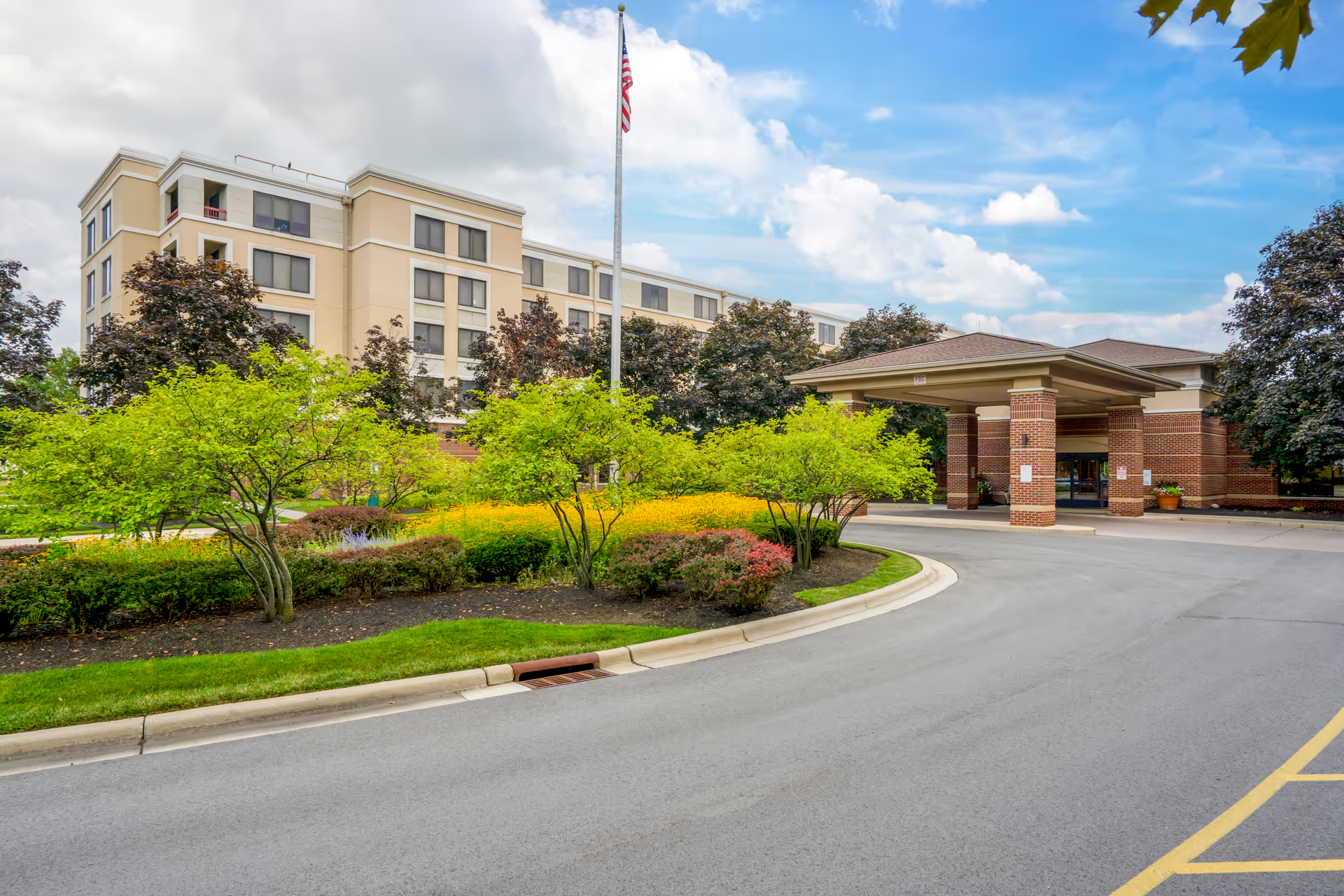
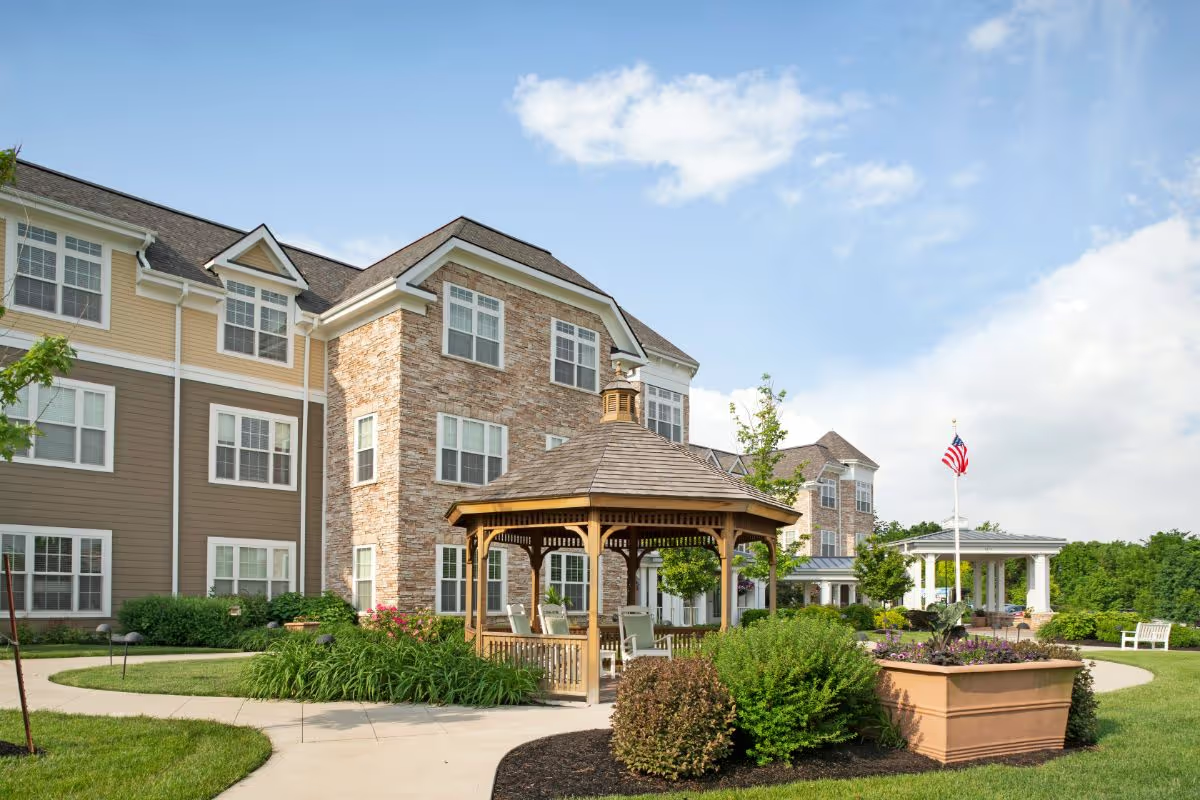
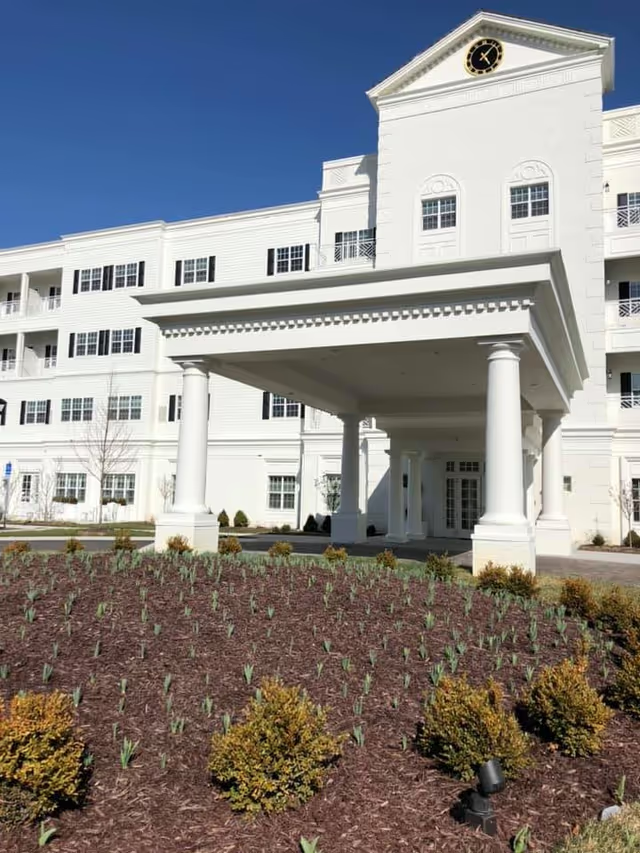
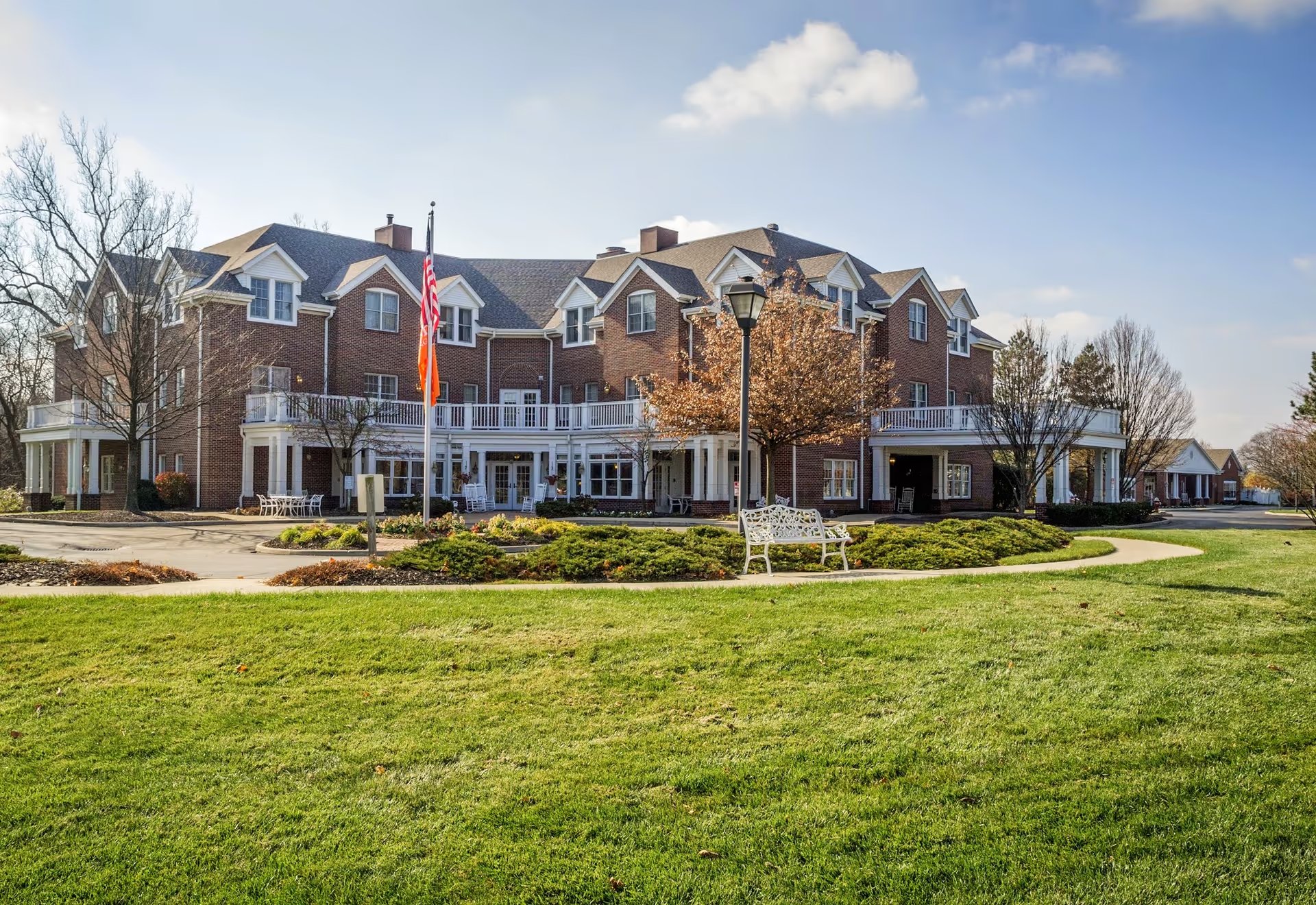
Overall impression Danbury Columbus elicits strongly mixed but mostly positive impressions across reviewers. Strengths cluster around the caregiving team, social programming, and physical environment: many families highlight compassionate, hands-on staff, individualized care plans, and a palpable sense of community. The campus is frequently described as attractive, bright, and accessible, with spacious apartments, well-decorated common rooms, and convenient features such as an on-site salon and rehabilitation services. Executive leadership and some managers are described as engaged and proactive, and move-in support is often smooth.
Care and clinical oversight Care quality is a prominent positive: reviewers emphasize respectful, attentive nursing and direct-care staff, dementia-care knowledge, and practical redirection techniques. Music therapy, dance, and other memory-supportive modalities are repeatedly noted. At the same time, there are recurring clinical concerns that prospective families should consider. Several accounts describe inconsistent staffing levels and high turnover, which reviewers link to delayed responses to call buttons and delays in routine checks. There are also pattern-level concerns about fall-risk management and transfer-safety practices, and some reviewers note limits to on-site skilled-nursing offerings. Memory-care clinical oversight is described by some as LPN-led rather than RN-led, and physician availability and follow-up are variable across accounts.
Dining and food service Dining receives polarized feedback. Many reviewers praise chef-prepared meals, thoughtful presentation, and servers who check on residents — including instances of direct chef engagement with residents. Conversely, other reviewers describe canned or pre-processed options, high-sodium selections, and slow meal service at times. This suggests dining quality and service continuity may vary by unit, meal, or staffing. Prospective residents should sample meals when possible and ask about the facility’s approach to menu planning, resident input, and dietary accommodations.
Activities and social life Programming is a clear strength for many: a broad calendar that includes music, chair sports, crafts, outings, holiday events, and social lunches supports engagement and new friendships for residents. Music and sing-along programming appears especially prominent in memory-supportive services. That said, reviewers also report inconsistent execution of scheduled activities and occasional cancellations without notice, indicating variability in program reliability.
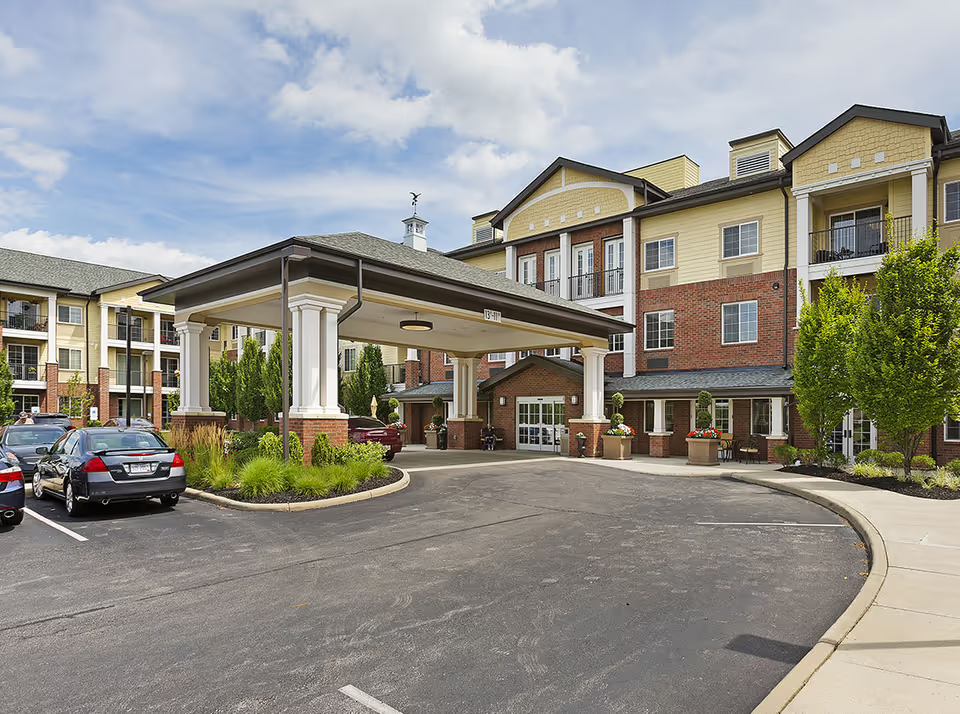
Facilities, housekeeping, and maintenance Physical spaces are often described as attractive, clean, and well maintained — particularly in newer buildings with large elevators, wide halls, and open floorplans. Weekly apartment cleaning and on-site services are cited positively. However, some reviewers note wear-and-tear and appearance issues in older areas, inconsistent housekeeping quality, laundry management problems, and occasional sanitation or odor concerns in specific common areas. Maintenance responsiveness and front-desk support are praised in many accounts, but these operational strengths appear uneven across the facility.
Management, communication, and policies Leadership receives both commendation and criticism. Several families praise an engaged executive director and proactive communication; others describe management unavailability, delayed follow-up, or inconsistent communication tone. Pricing and fee transparency are recurrent questions — some families experienced unexpected increases or unclear level-based pricing — so clear cost discussions at tour and contract stages are advisable. Tour experiences also vary: some tours are informative and personal, while others are described as unprepared or unprofessional.
Safety, property controls, and notable adverse concerns A subset of reviews raises serious operational concerns that merit attention during any evaluation: delayed emergency responses, missed routine checks, inconsistent personal-property controls (missing items), and questions about controlled-substance access procedures. There is at least one account raising end-of-life concerns and family dissatisfaction following a resident’s death; prospective families should discuss clinical escalation protocols, incident-reporting practices, and post-incident communication procedures with staff and administrators. Asking for staffing ratios, medication-administration policies, and examples of recent quality improvements can help clarify how the community addresses these risks.
Bottom line and recommended questions for families Danbury Columbus offers many strengths—particularly in compassionate caregiving, engaging programming, attractive living spaces, and chef-led dining in portions of the community—but operational variability is a recurring theme. Before deciding, families should tour multiple times (including meal sampling), request current staffing ratios and turnover data, review the memory-care clinical oversight model (RN vs. LPN supervision), ask for documented incident response procedures, and obtain a clear, written breakdown of fees and service inclusions. These steps will help determine whether the community’s strengths align with an individual resident’s clinical and social needs and whether its operational gaps have been addressed to the family’s satisfaction.