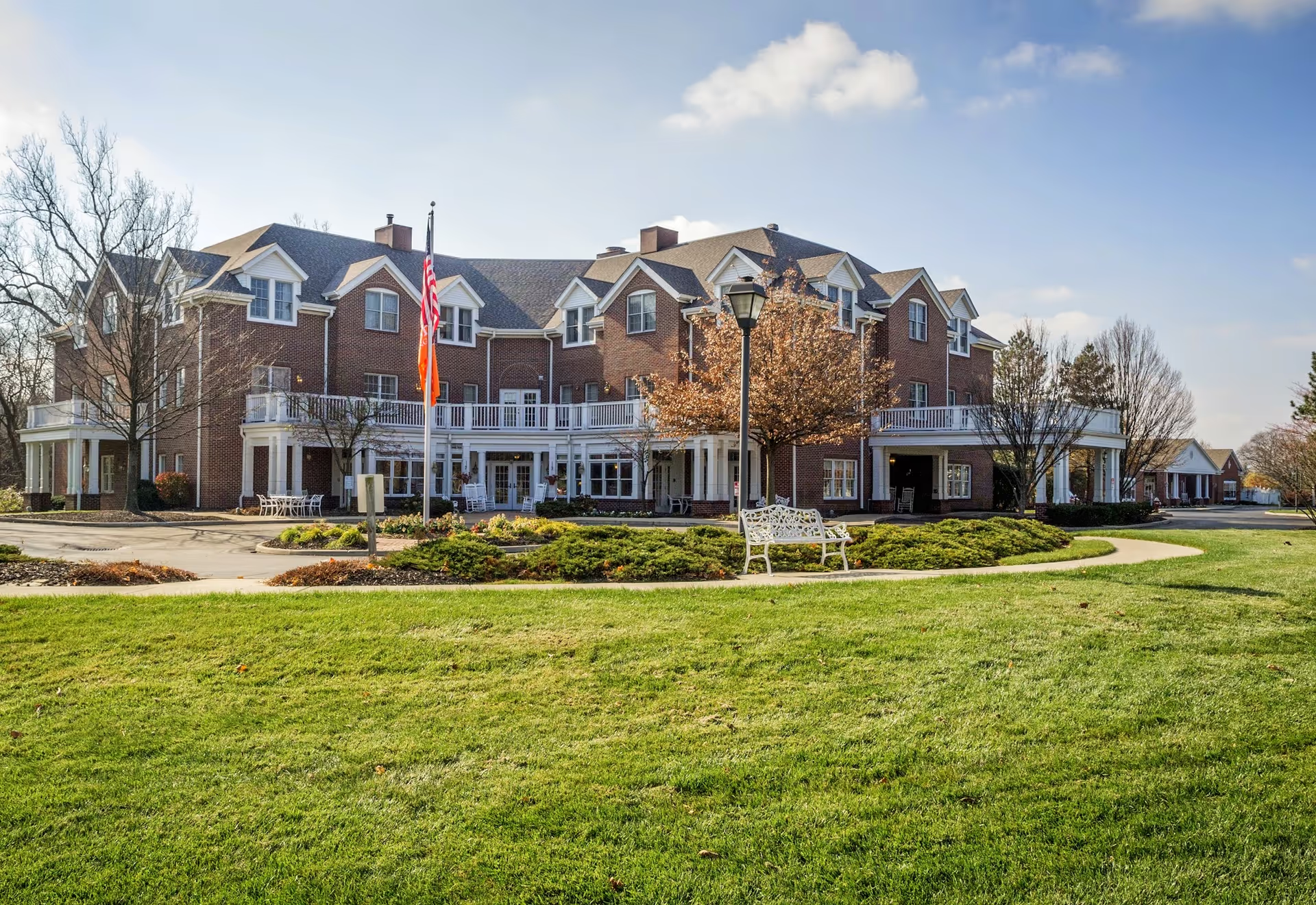
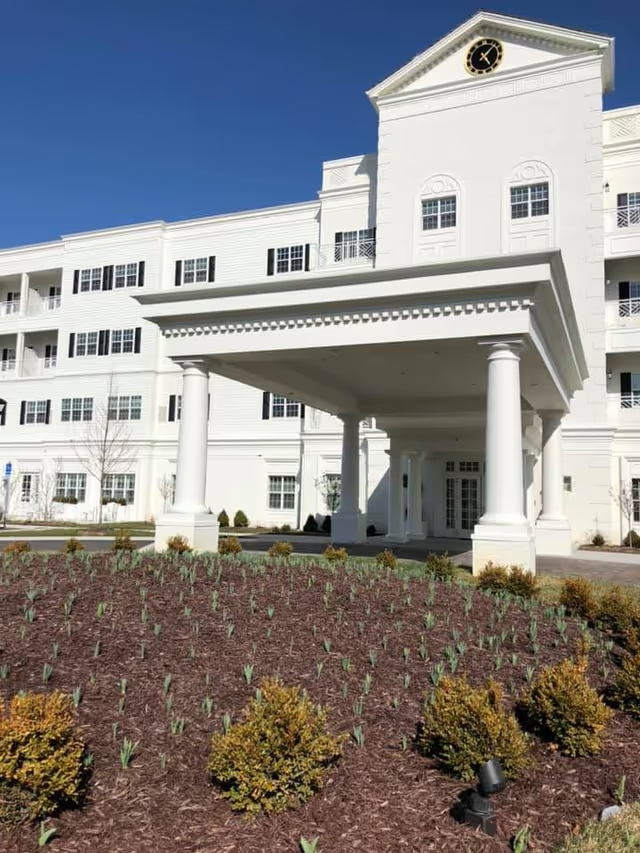
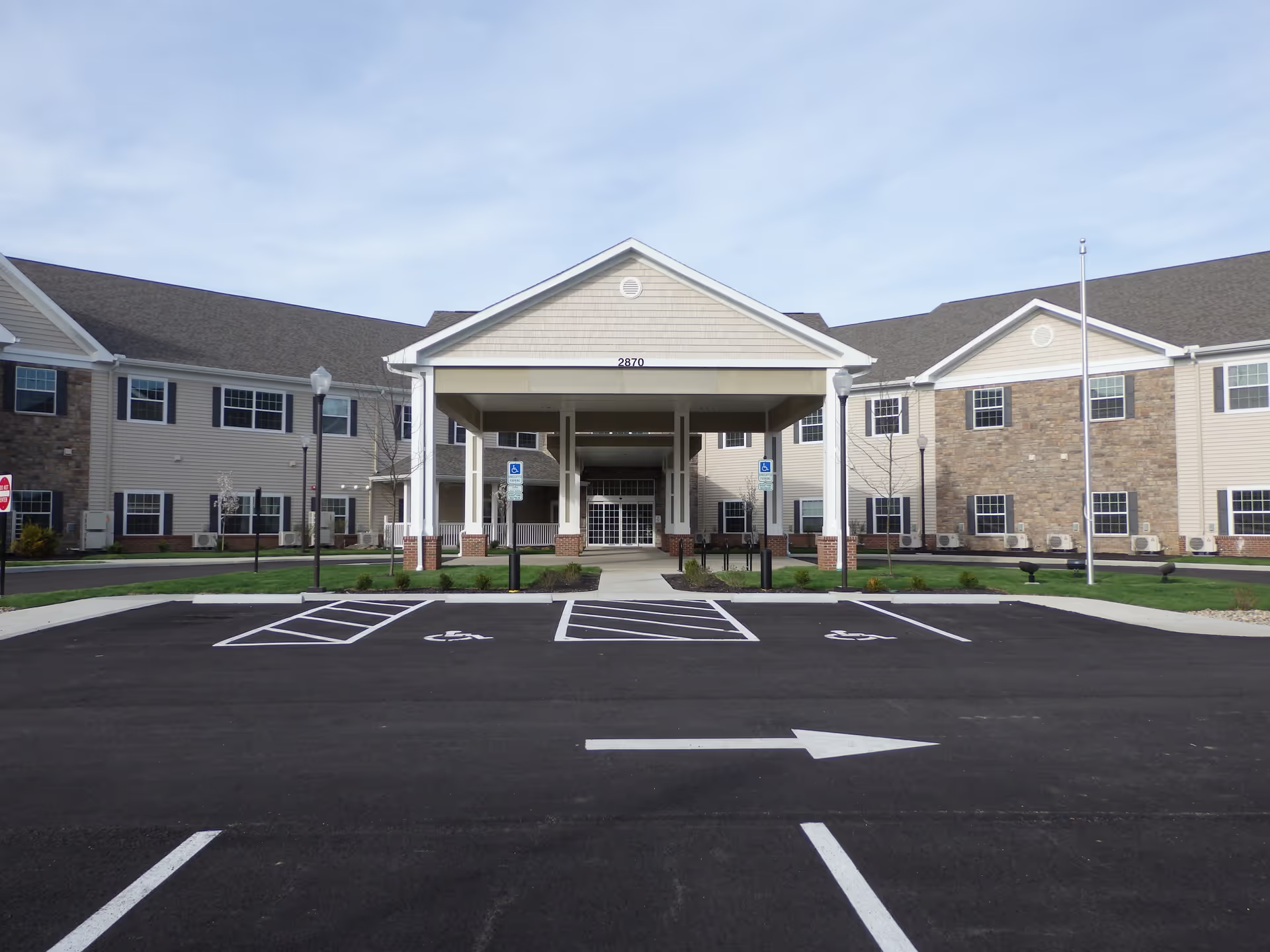
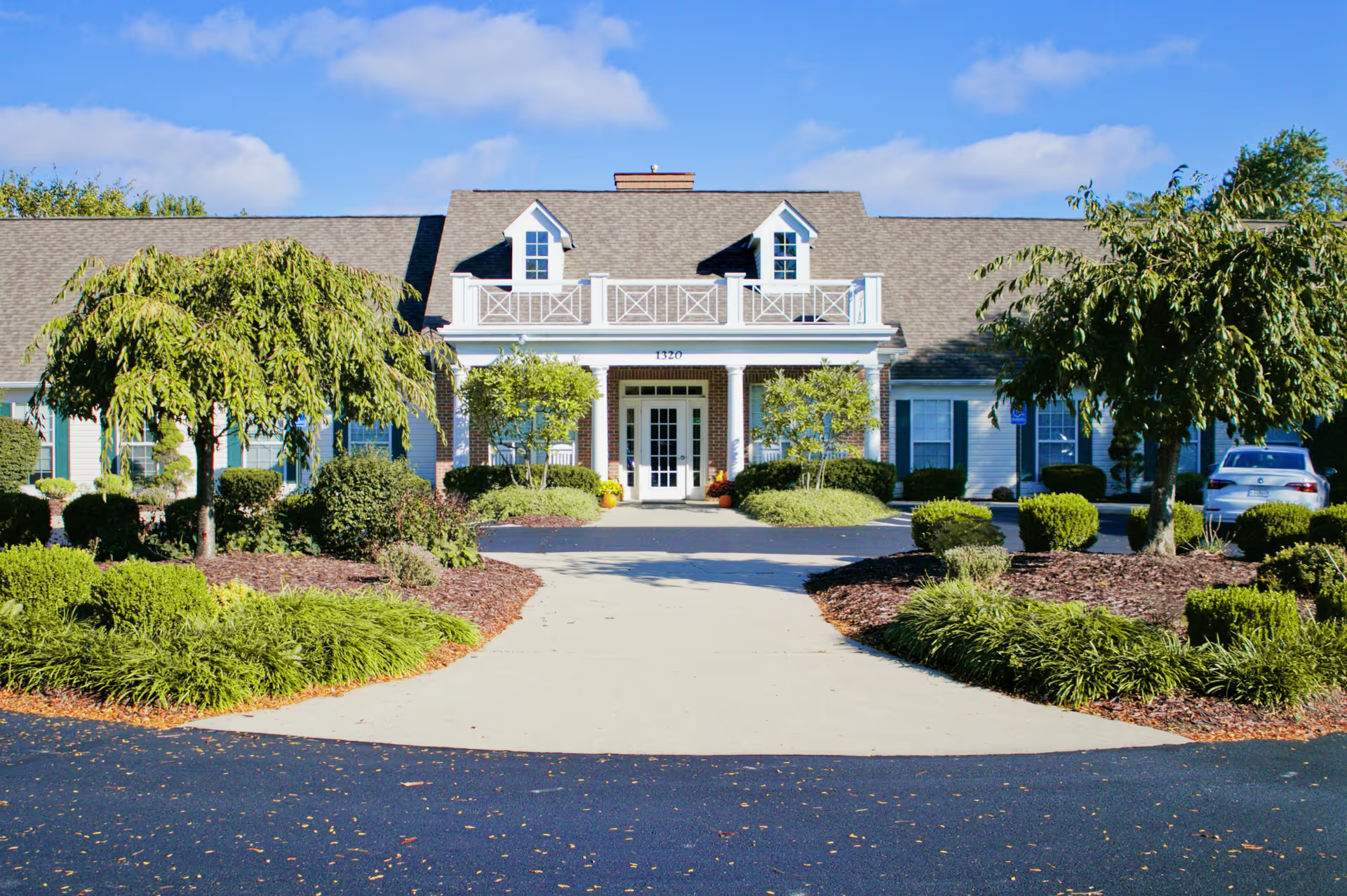
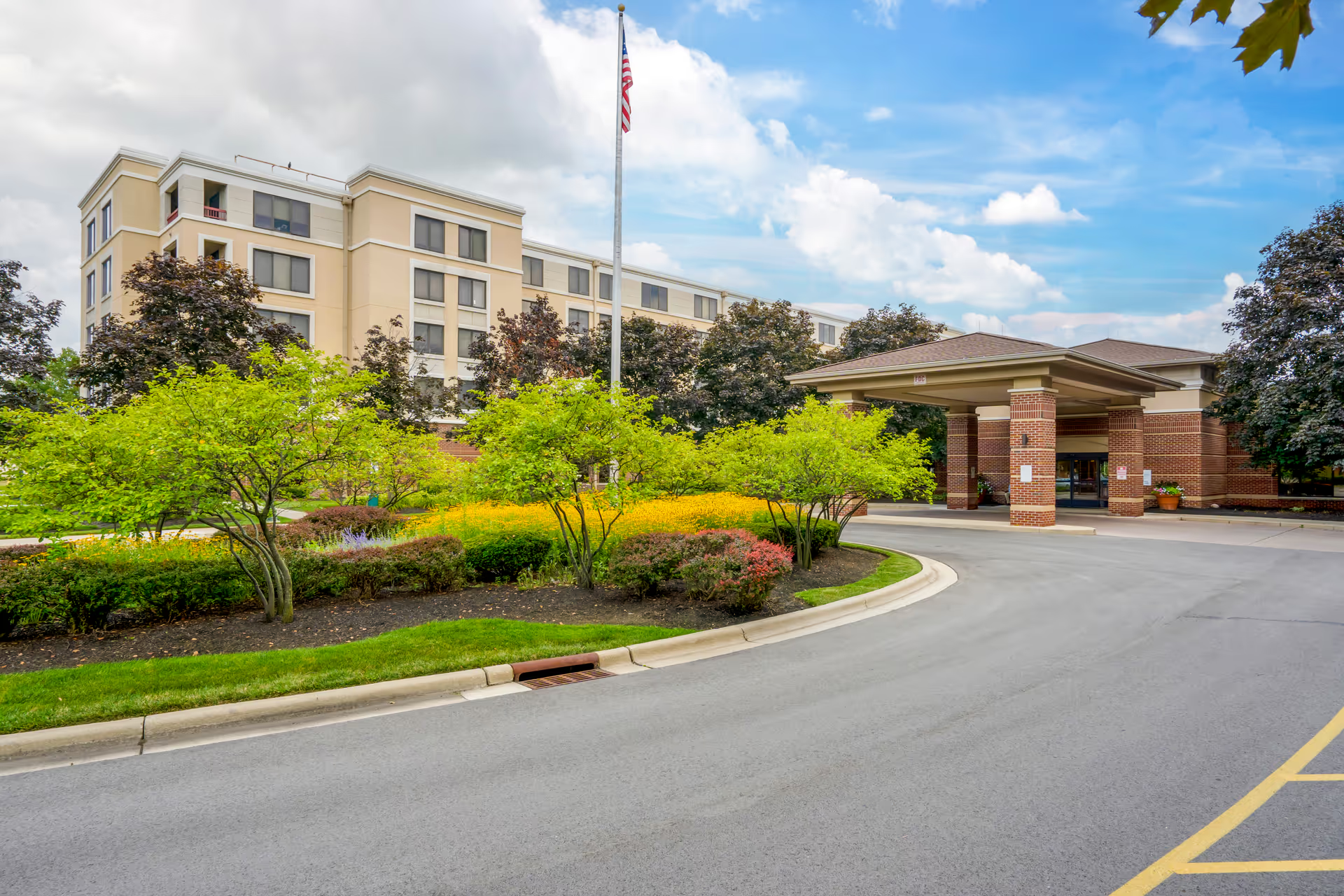
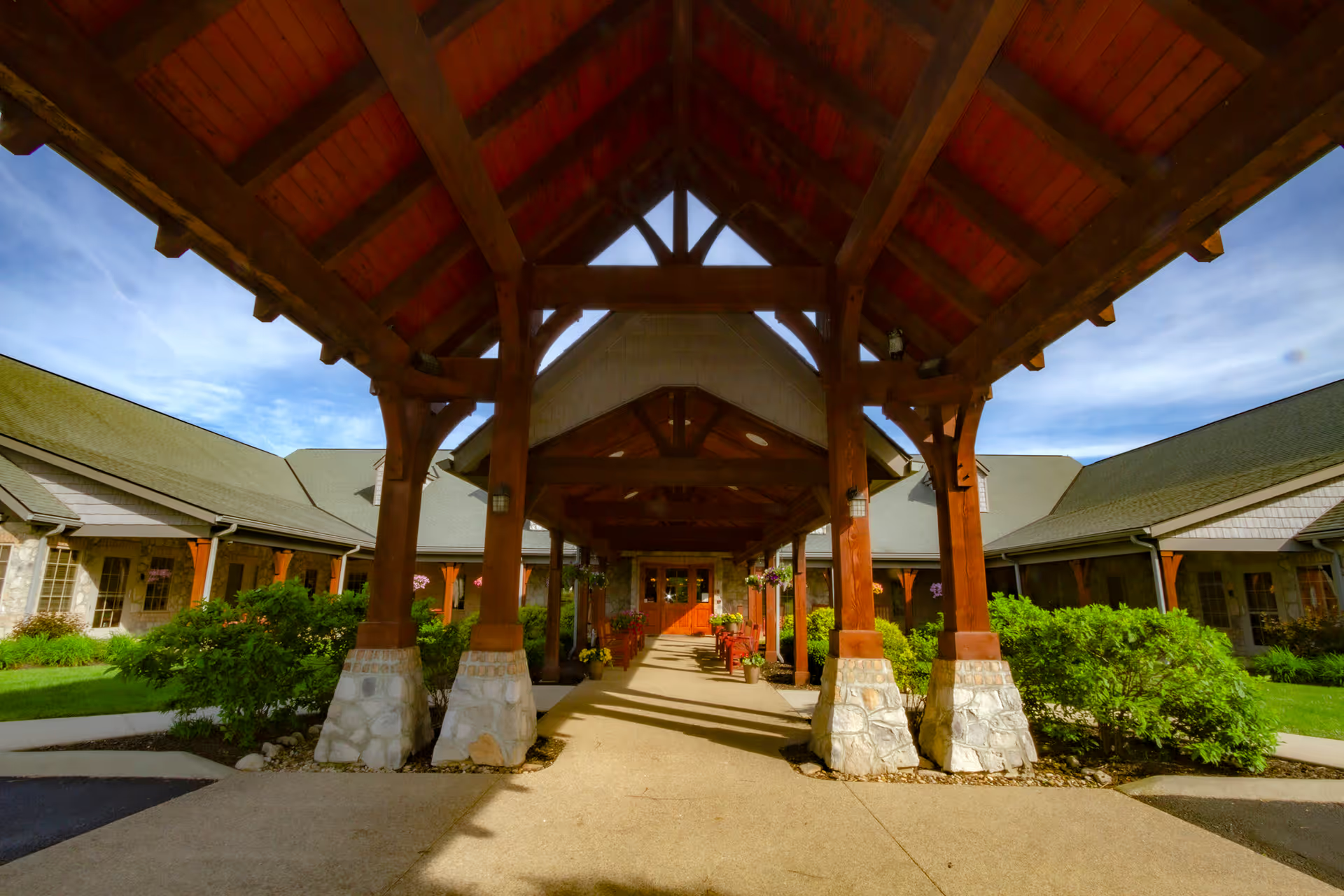
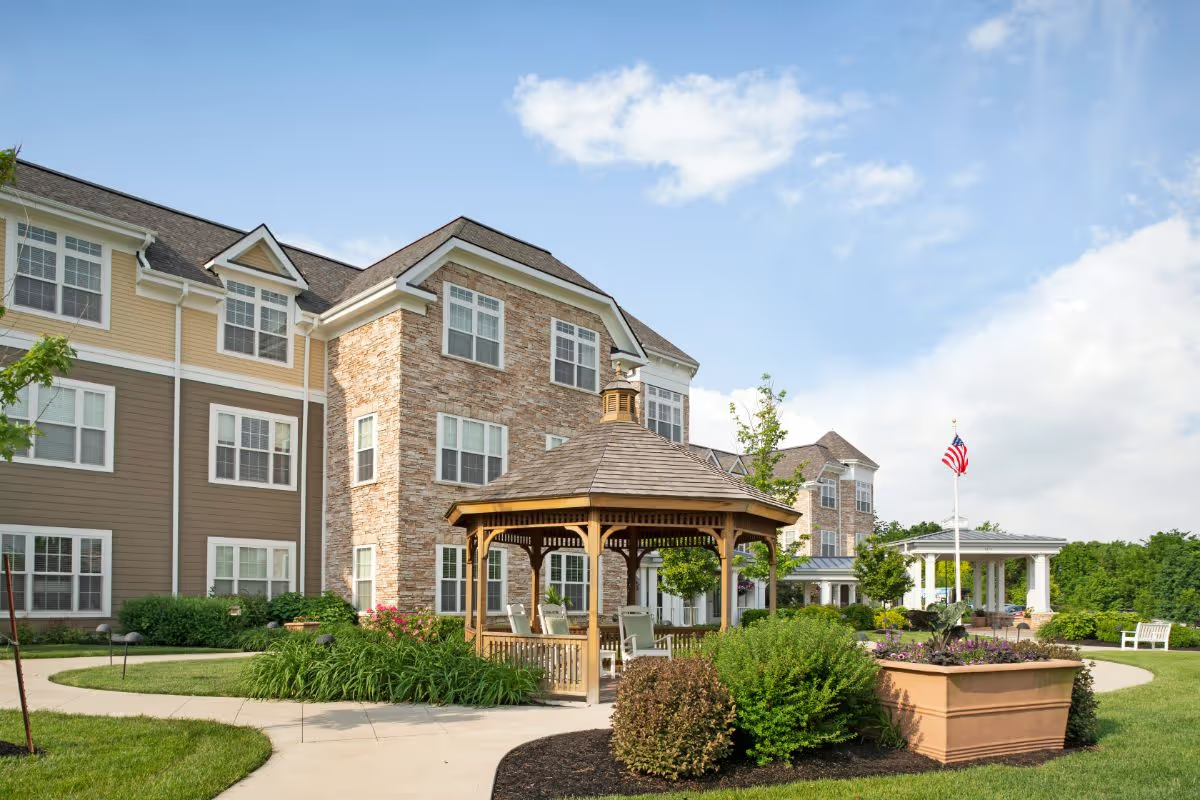
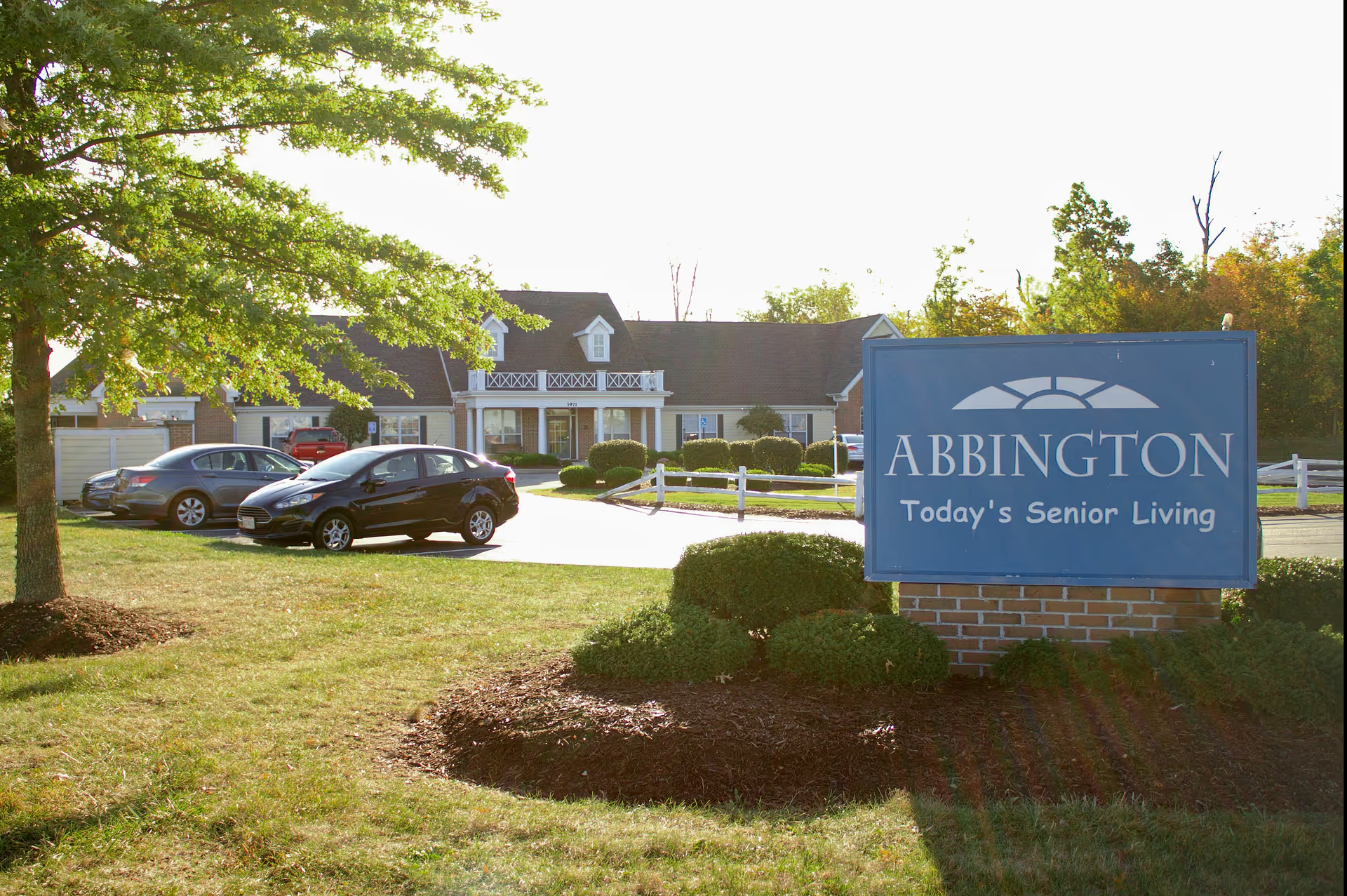
Cotter House Worthington is portrayed predominantly as a memory-care–focused community with many strengths for families seeking dementia and Alzheimer’s care. Reviewers consistently emphasize specialized dementia expertise, a high staff-to-resident ratio, and a person-centered approach: staff frequently learn residents’ histories, personalize activities, and prioritize safety within a secure, wandering-friendly neighborhood design. Families commonly praised visible leadership and owner involvement, a welcoming intake process (including rapid admissions when needed), and a strong culture of teamwork and accountability. The physical environment, including well-kept apartments, a courtyard, outdoor neighborhoods, and on-site amenities (salon, therapy dog, fidget stations), is also regularly noted as contributes to a comfortable, home-like atmosphere.
Dining, therapy and activities are other recurring strengths. The community emphasizes farm-to-table, nutritious meals with good-to-exceptional food quality and special-event dining. Regular PT/OT and a therapy gym, restorative-wellness programming, individualized life-enrichment, outings when possible, and a broad slate of social and sensory activities support resident engagement and quality of life. Communication and family partnership are often described positively: many families receive timely updates, have direct nurse access, and report transparent interaction with administrative leadership.
Despite these strengths, a minority of reviews raised operational concerns that prospective families should evaluate further. The primary themes are inconsistent staffing and continuity, which appeared to coincide with gaps in shift handoffs and variability in personal-care delivery. Related clinical issues described in reviews suggest areas for risk mitigation: pressure-injury prevention and wound-care oversight, transfer-safety practices, and medication-management processes. There were also recurring observations about personal-property management and occasional privacy concerns tied to in-room monitoring policies. Cost and perceived value were cited by some families, and at least one operational policy concern involved restricted access to certain beverages.
A small number of reviews included allegations of handling-related injury and missing belongings; these are serious individual claims that point toward the operational weaknesses listed above and merit direct inquiry during tours or care meetings. Prospective residents and families should ask specific questions about current staffing levels and turnover, transfer and safe-handling training, pressure-injury prevention protocols, medication oversight and reconciliation, property/laundry procedures, and the facility’s in-room monitoring and privacy policies. Overall, Cotter House Worthington presents as a compassionate, dementia-specialized community with strong programming and hospitality, but families should confirm current operational safeguards and staffing stability to ensure consistent delivery of the highly rated services described by many reviewers.