Overall impression: Review feedback for this facility is polarized. Many comments describe a facility in transition: long-standing structural and staffing challenges coexist with recent leadership changes and renovation efforts that some families say are producing measurable improvement. Prospective families will find examples of both consistent, attentive care and operational failures; due diligence is advised before placement.
Care quality: Clinical performance appears mixed. Several families praised compassionate, attentive nurses and good skilled-nursing/rehabilitation outcomes. At the same time, multiple accounts describe delays in bedside attention, gaps in wound and therapy provision, long waits for lift assistance, and concerns following a resident's death. These patterns point to inconsistent care delivery tied to staffing levels and supply availability rather than uniform clinical failure.
Staff and management: Staff behavior descriptions range from warm and family-like to unprofessional and unresponsive. Reviewers highlighted effective, visible clinical leadership and a positive shift under new administrators and directors, which some say improved morale and outcomes. However, persistent issues include high use of temporary staff, staff absenteeism, favoritism, phone and admissions unresponsiveness, and allegations of theft and unlawful room entry. Administrative processes — particularly billing and communication about emergency transfers — were cited as problematic in multiple accounts.
Dining and activities: Activity programming receives consistently positive feedback; the activities team is described as creative, engaging, and effective at keeping residents occupied. Dining feedback is mixed: some reviewers found meals well-presented and edible, while others described lack of individualized meal options and inconsistent food quality.
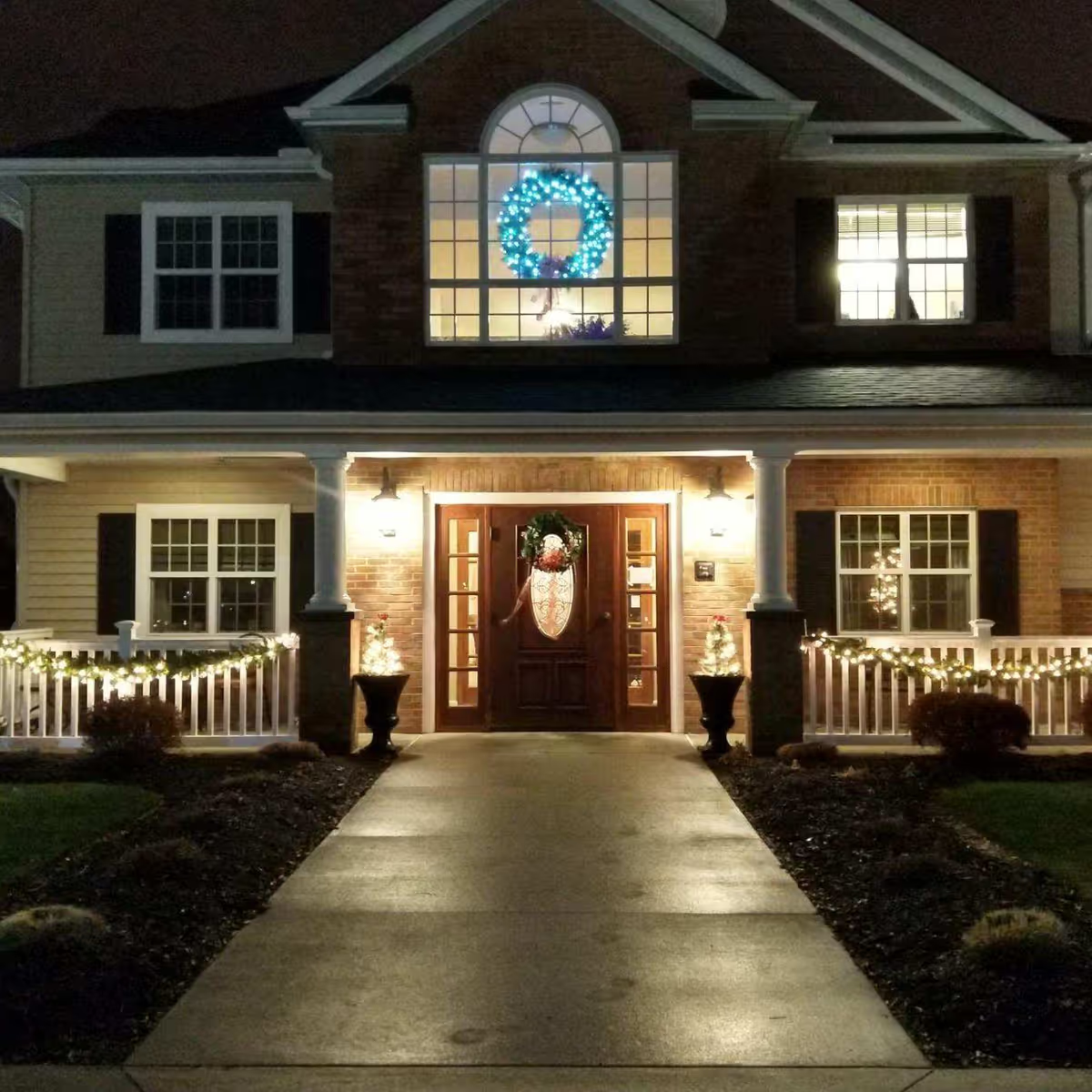
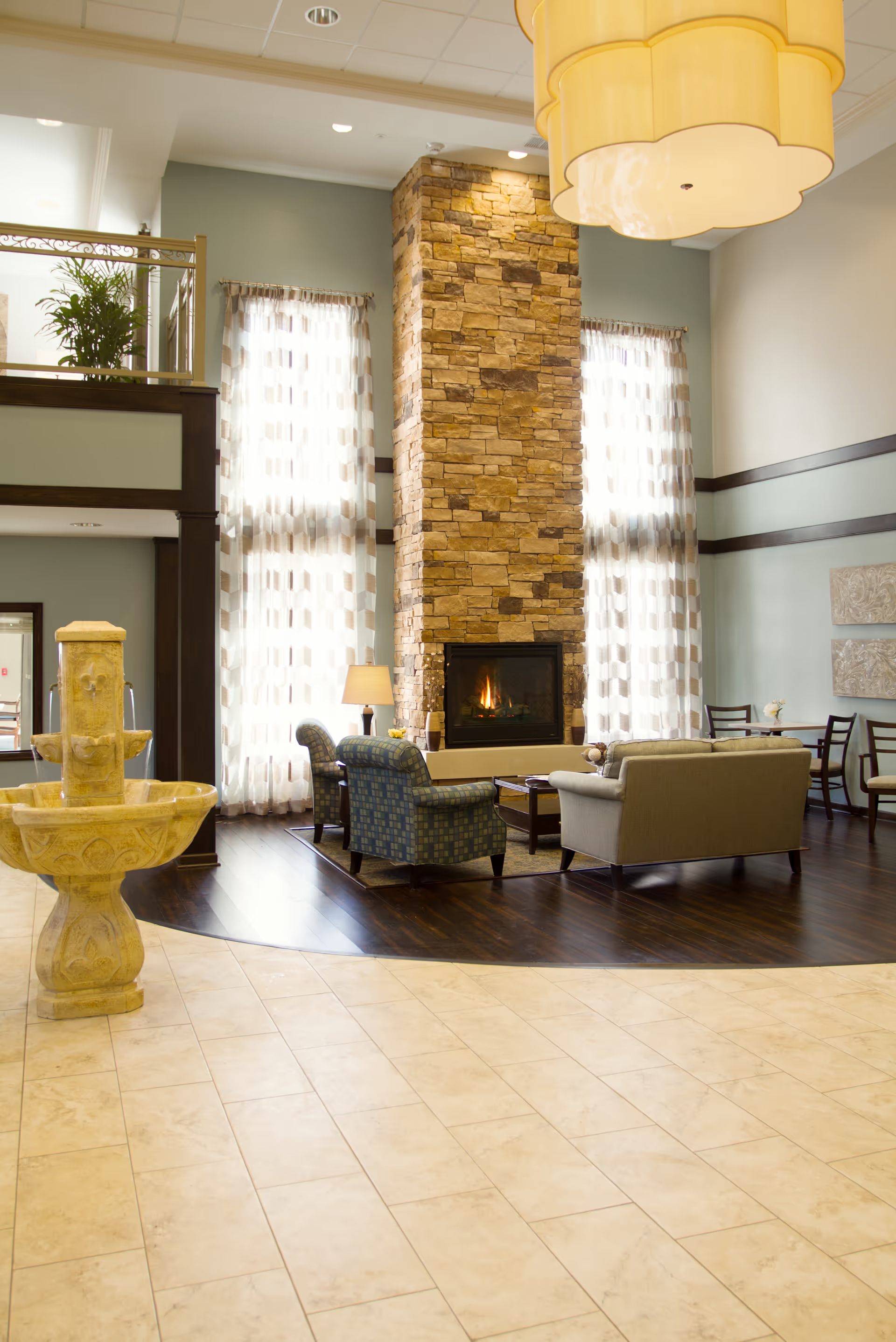
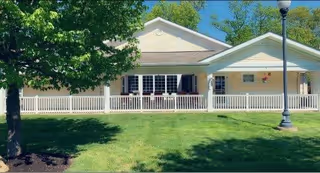
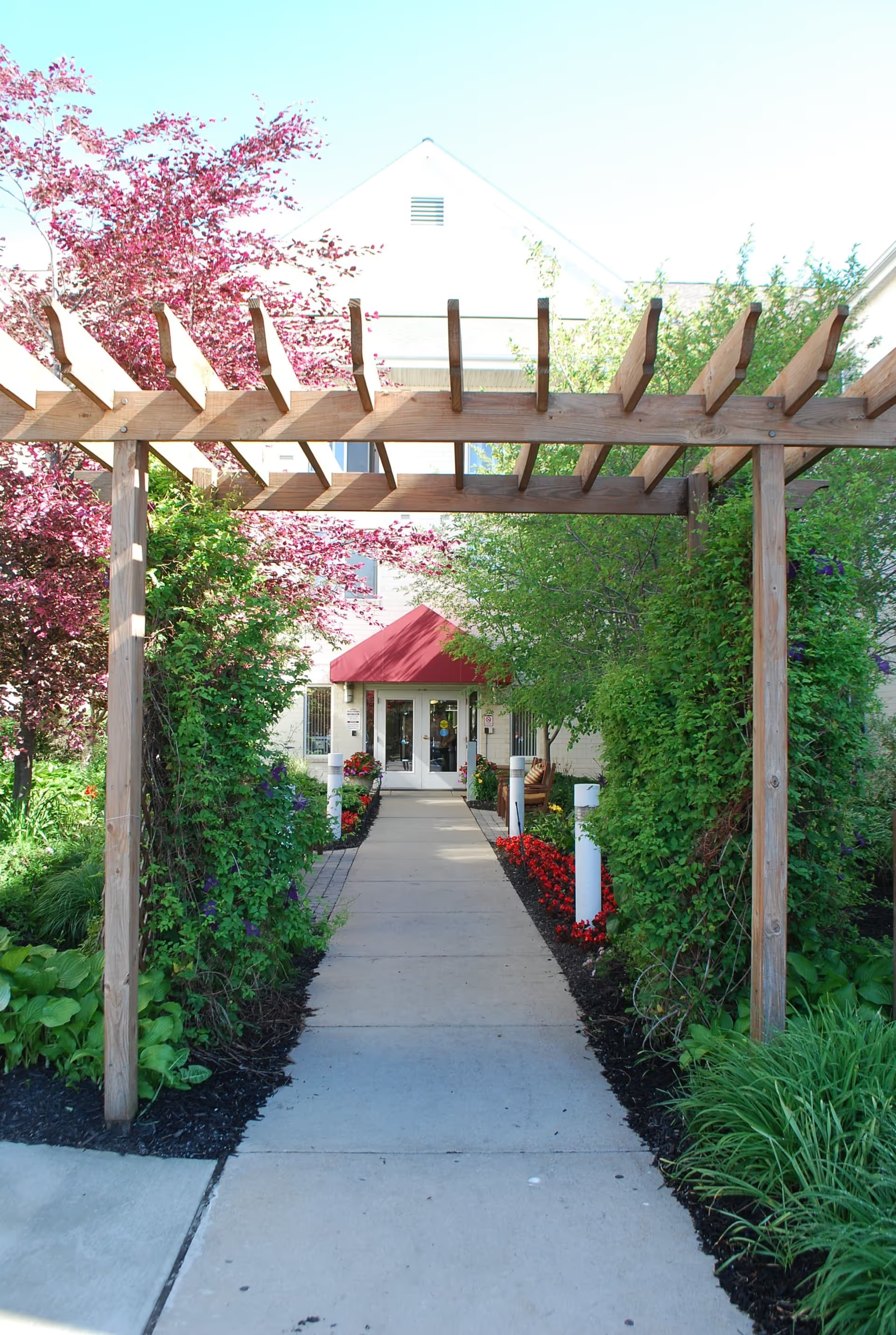
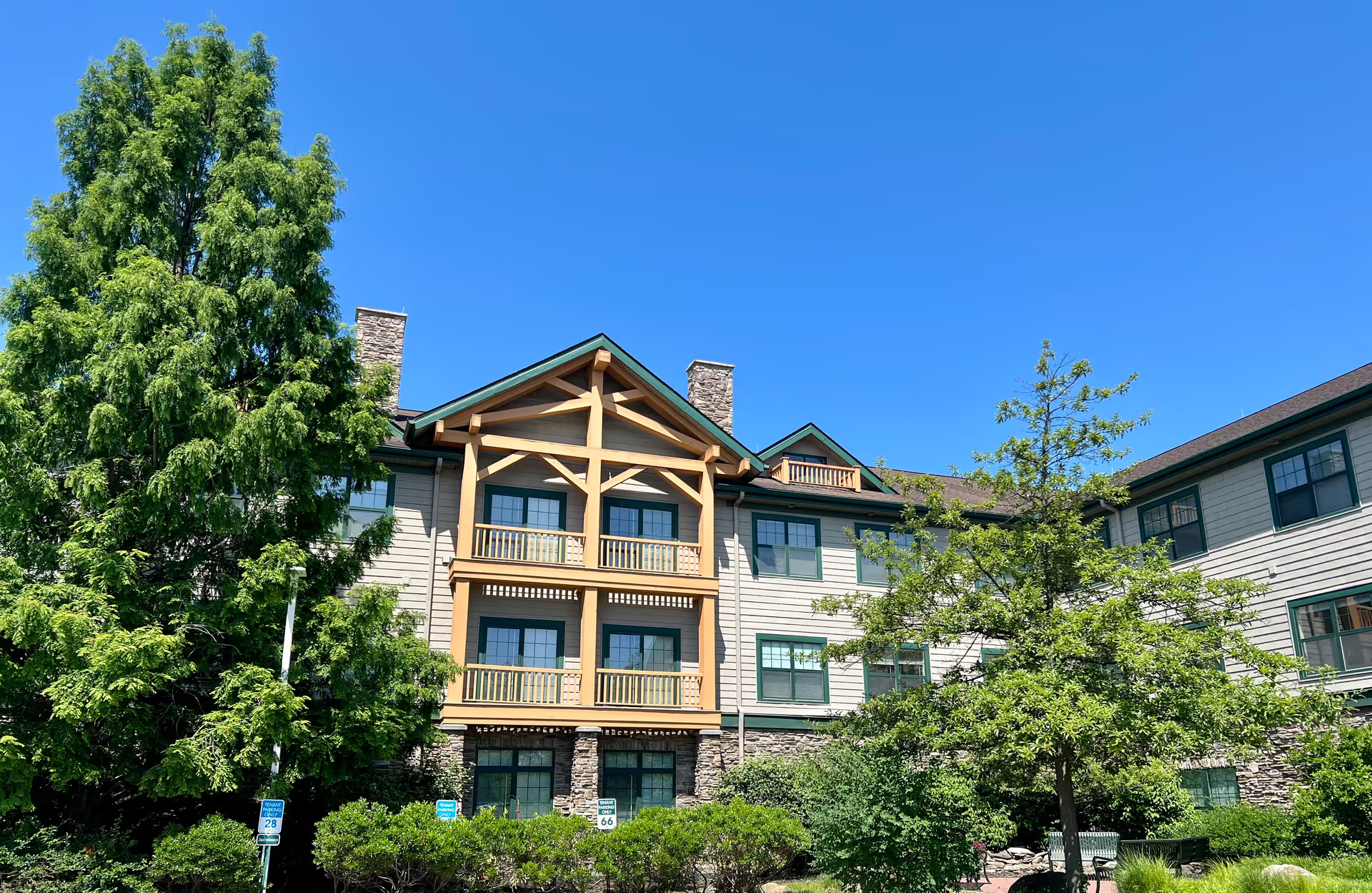
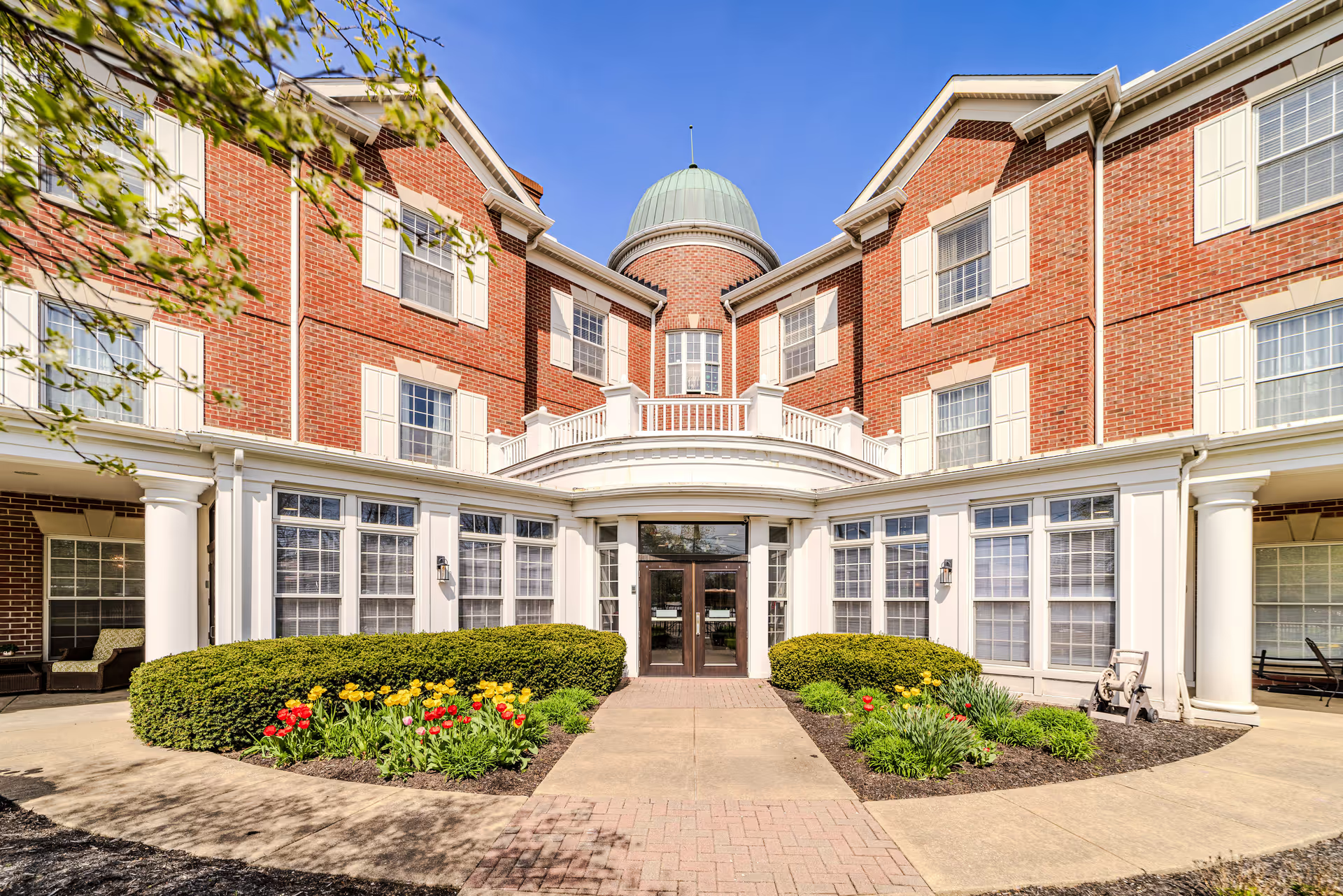
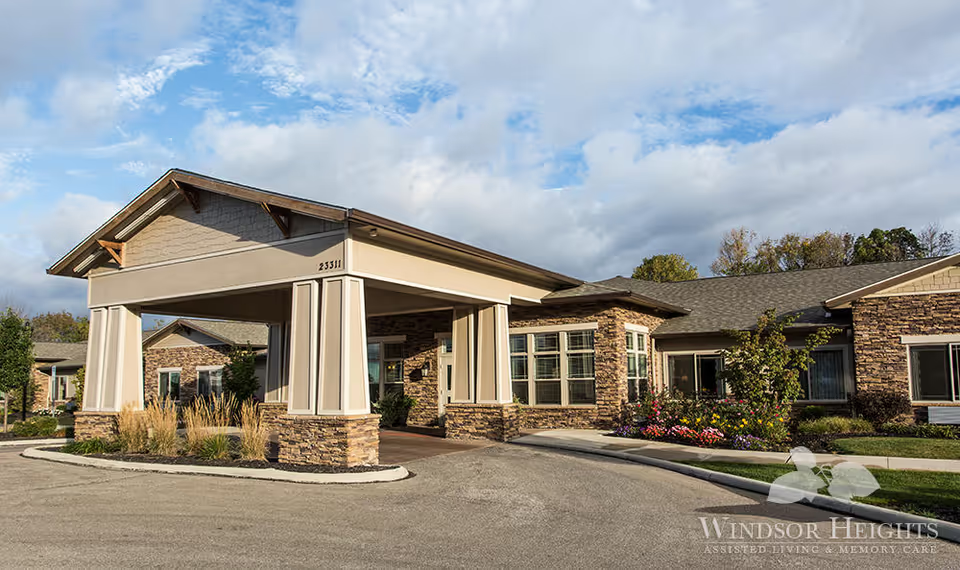
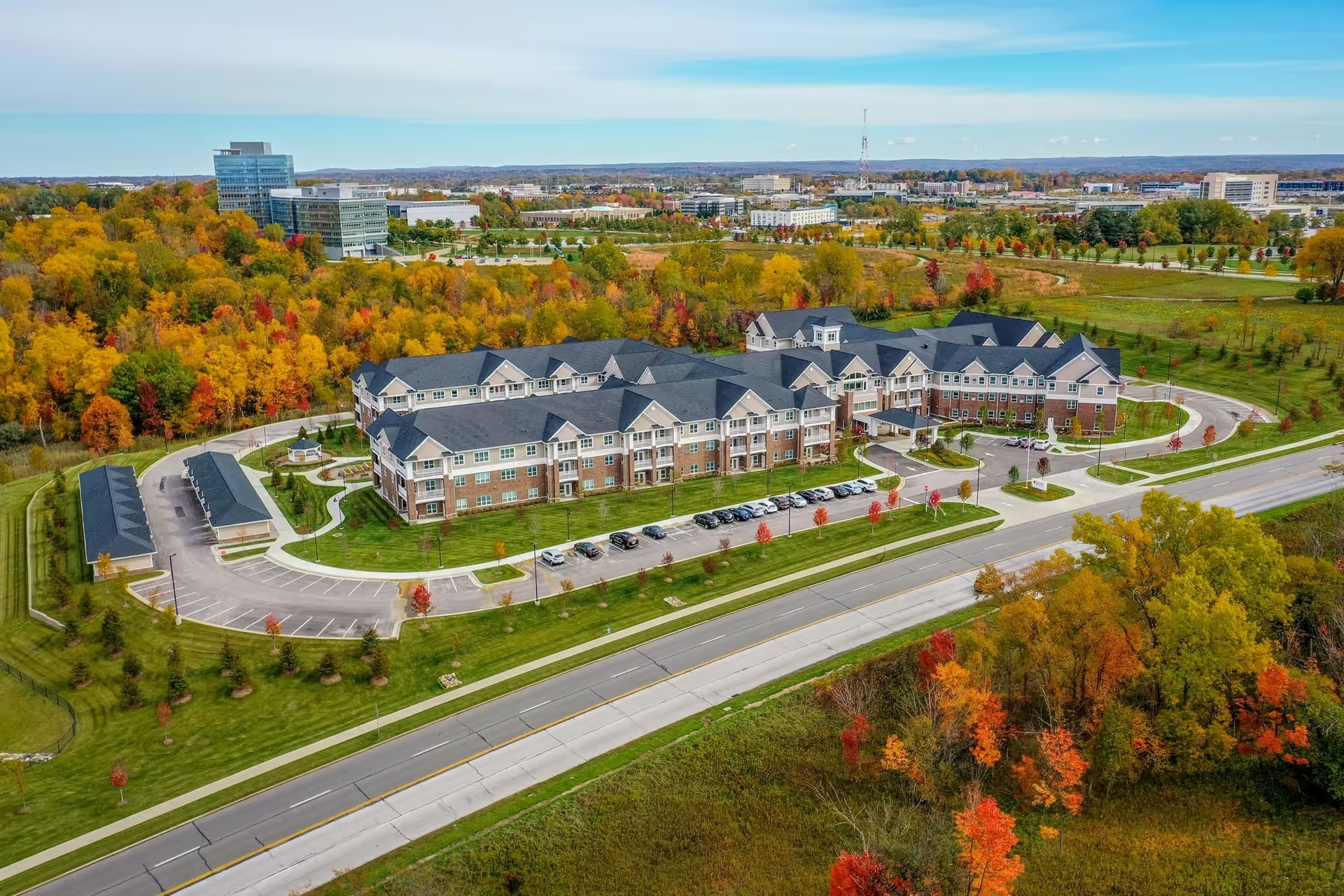
Facilities and housekeeping: The facility shows signs of capital investment and renovation, and some areas and exteriors are well-maintained. However, reviewers described variability between the building’s exterior and interior condition, dated equipment (including older beds and lifts), intermittent shortages of basic supplies (linens, washcloths, hygiene items), and sanitation-related concerns such as localized odors and pest-control issues. These are operational maintenance and supply-chain concerns rather than uniform conditions throughout the campus.
Notable patterns and recommendations: Two clear patterns emerge: (1) a leadership transition that has produced meaningful improvement for some residents and families, and (2) entrenched operational weaknesses (staffing, supplies, communication, and some conduct concerns) that continue to affect others. Before making a placement decision, families should tour the unit(s) where care will be provided, ask about current staffing ratios and tenure of clinical leadership, review recent inspection and state investigation outcomes, inquire about supply and pest-control protocols, and request the facility’s policy for family notification during clinical incidents and transfers. These steps can help assess whether recent improvements have been sustained and whether the facility’s strengths align with a resident’s needs.