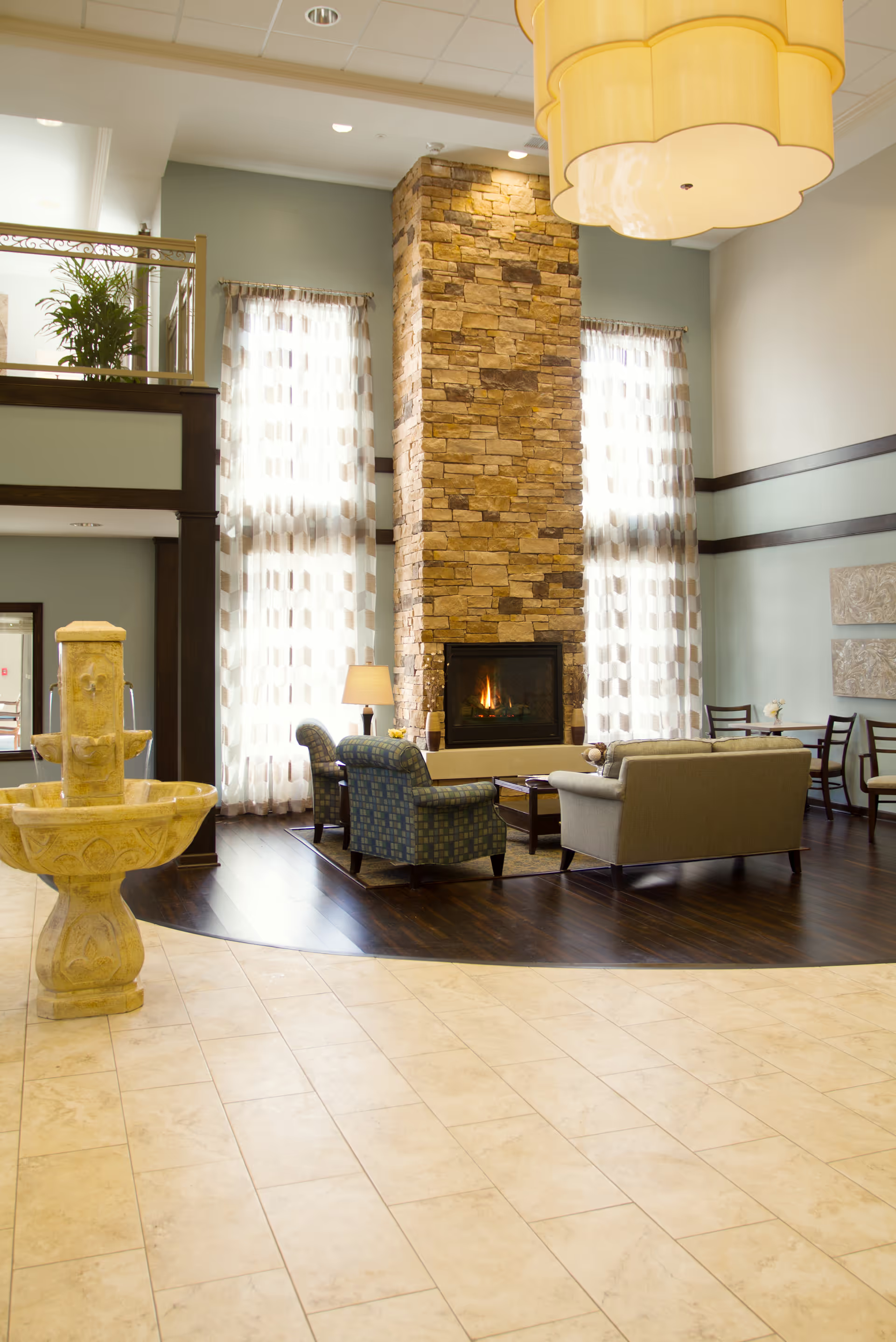
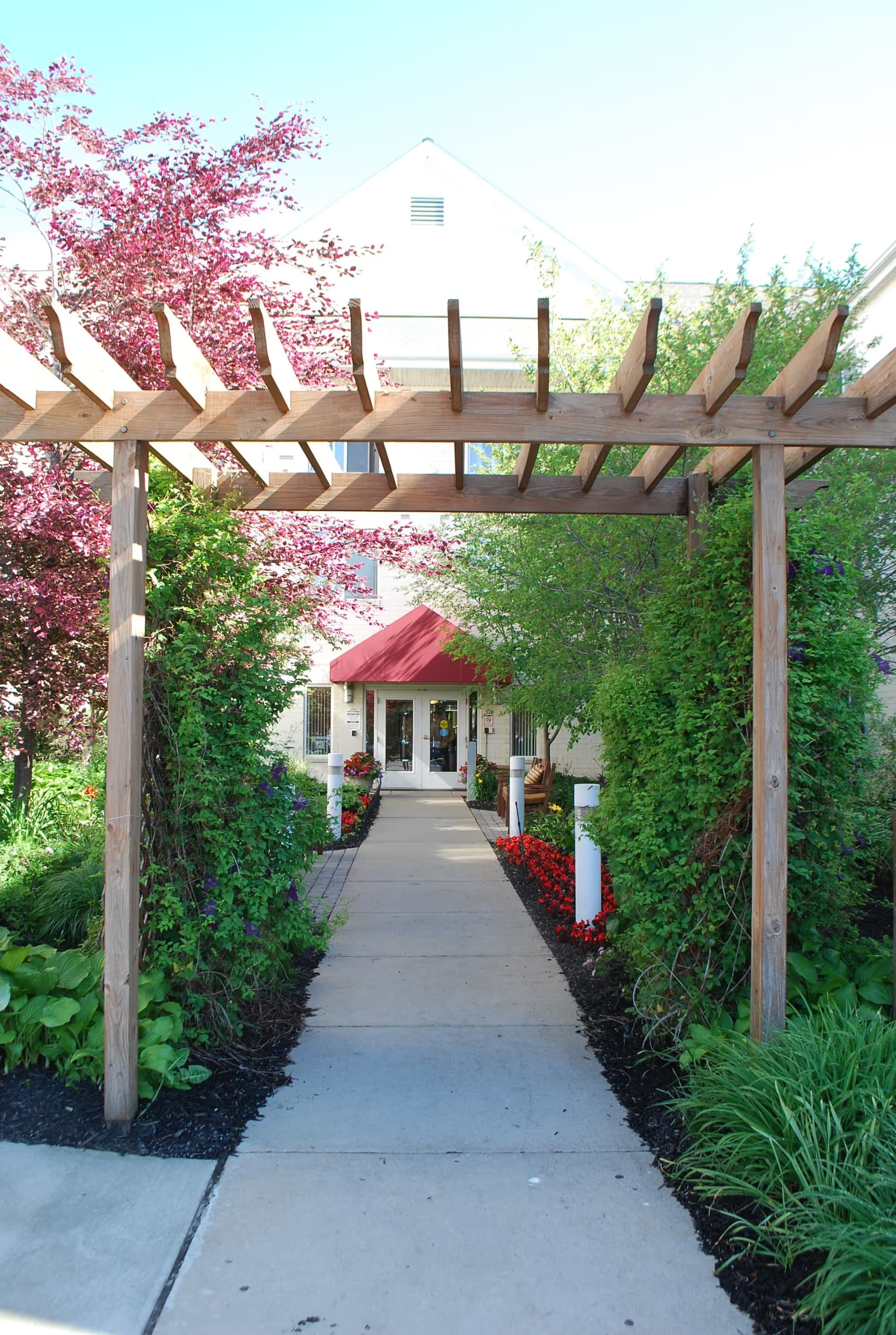
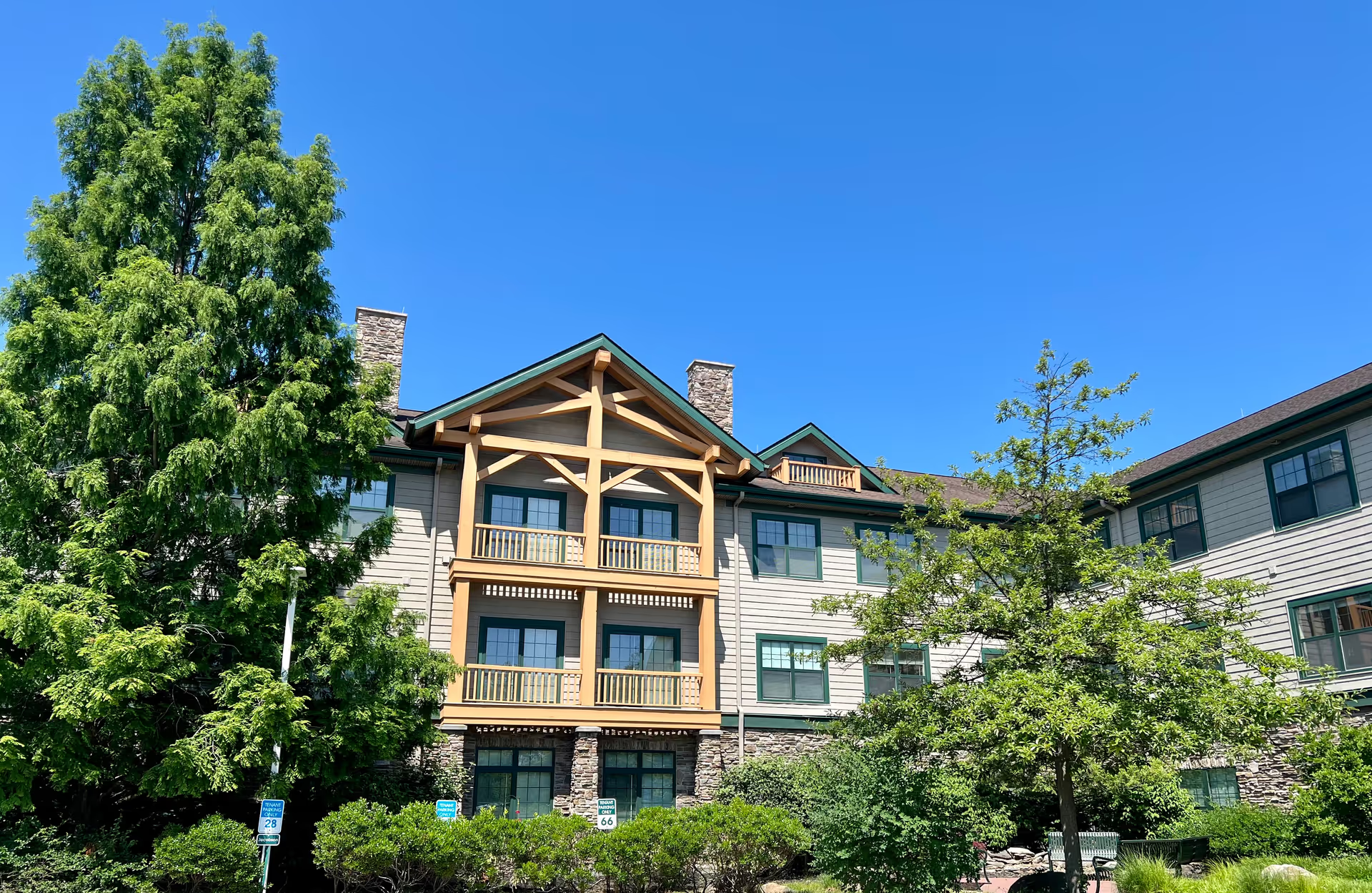
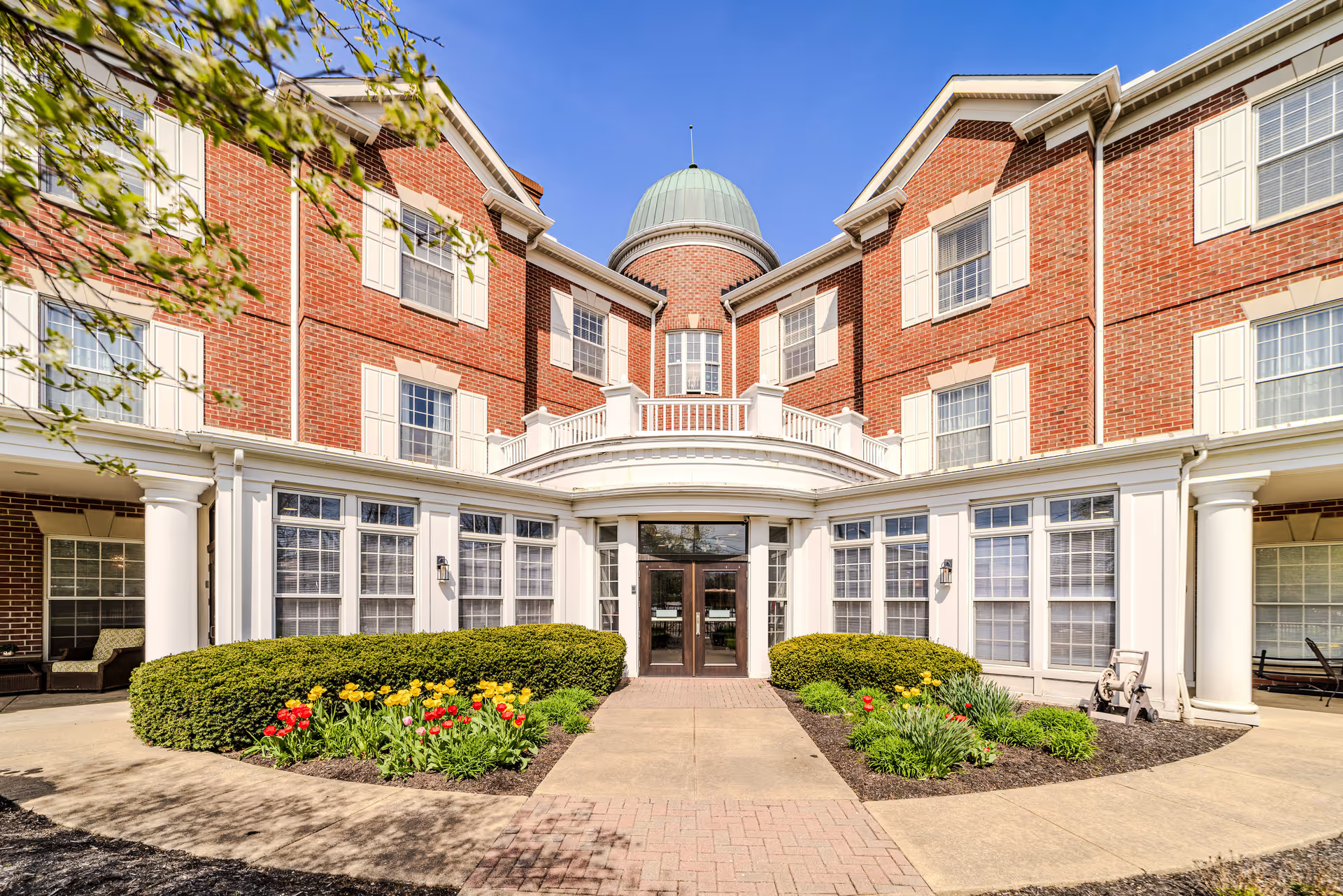
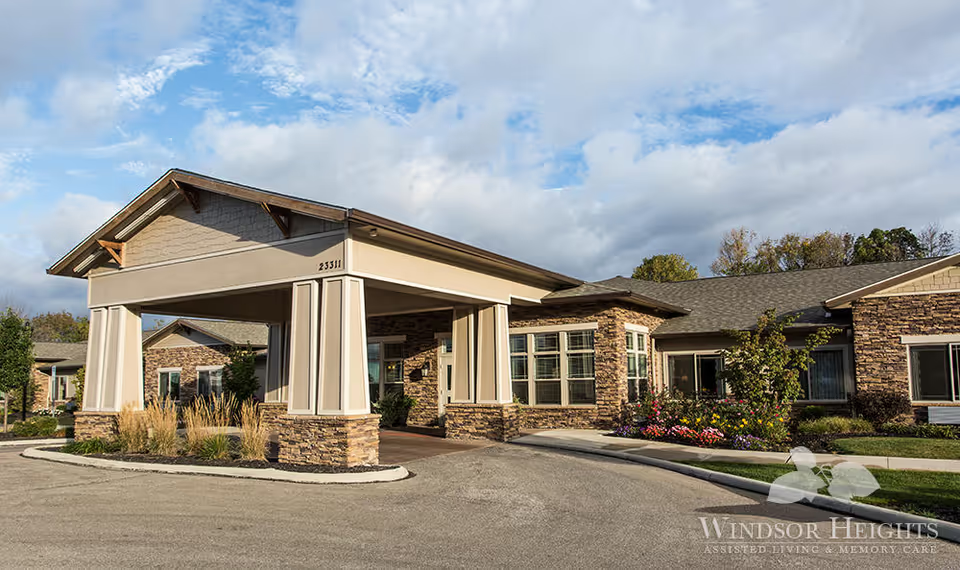
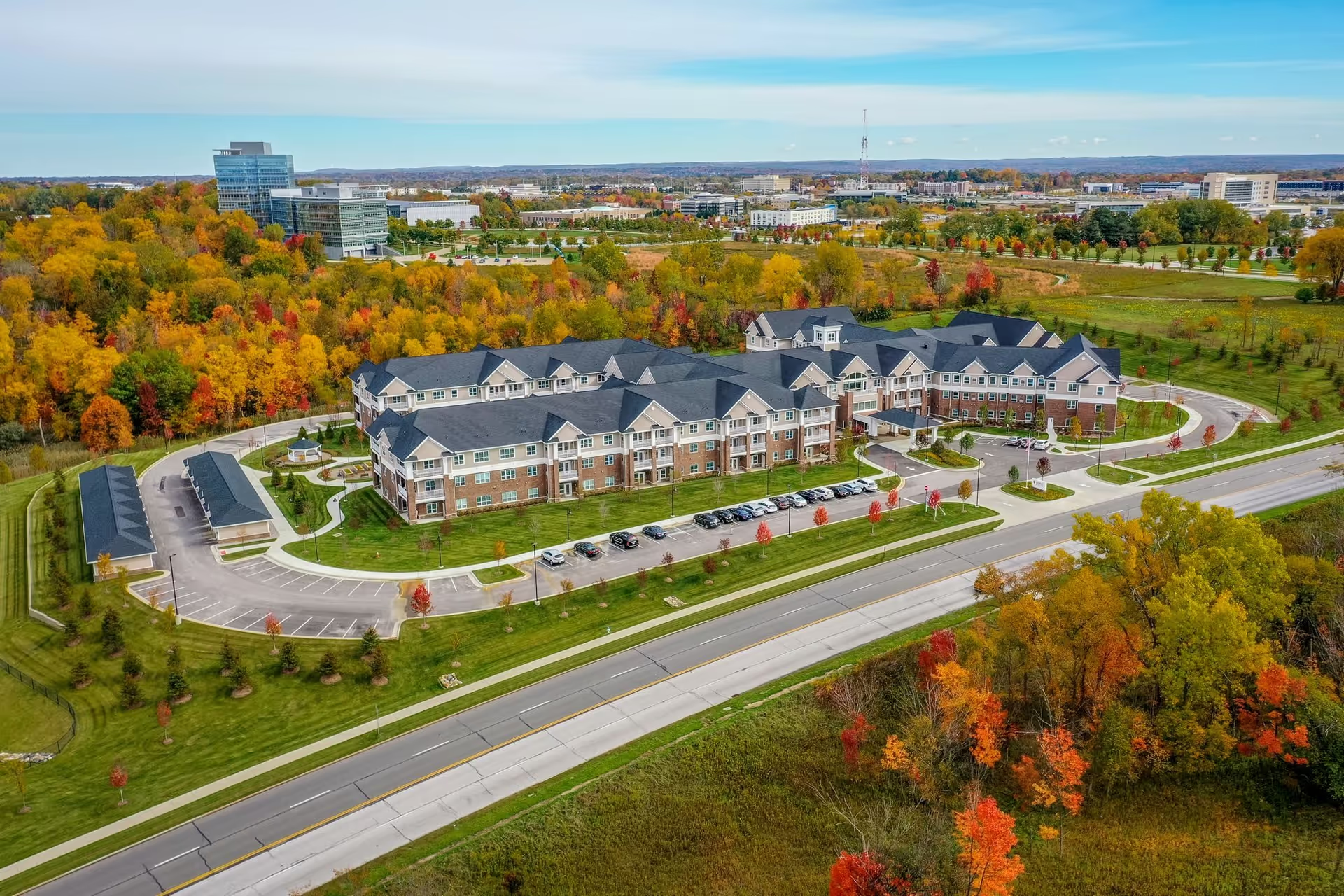
Reviews present a strongly mixed picture of Mount St. Joseph Rehab Center. Many families and former residents praise the facility’s physical environment and therapeutic offerings: reviewers commonly describe a clean, well‑maintained building with attractive grounds, a chapel with in‑room broadcast capability, and a comfortable, non‑hospital atmosphere. Skilled therapy staff (speech, occupational, and physical therapy) and daily rehab programming are noted as clear strengths, and several accounts highlight attentive, informative nurses, friendly support staff, and continuity of caregivers.
At the same time, a significant set of operational concerns recurs across reviews. The most consistent issues relate to responsiveness and basic personal‑care practices: reviewers report inconsistent response times to call alerts, variability in bathing and toileting assistance schedules, and periods when assistance is delayed. Staffing levels and caregiver workload are cited as contributing factors; reviewers describe occasions when staff appear overextended and when professionalism or communication tone is suboptimal (for example, staff use of personal phones during shifts or curt exchanges with family members).
Clinical and safety practices are another area of divergence. While some families describe prompt physician follow‑up and coordinated rehab care, others describe gaps in clinical monitoring, medication and catheter care, and in fall‑prevention or transfer procedures. A few accounts reference serious downstream outcomes (hospitalization, urgent clinical escalation, or end‑of‑life transitions) following perceived missed warning signs; these highlight the importance of asking specific questions about monitoring protocols, escalation pathways, and documentation practices before placement.
Dining and activity offerings are similarly mixed: the facility receives praise for varied, well‑portioned meals and an ability to accommodate atypical schedules (for example, surgical prep), but there are also comments about inconsistent meal quality and uneven assistance during meals. The on‑site chapel and range of amenities are frequently cited as positives that contribute to a calm, faith‑based environment for residents who value those services.
Management and communication emerge as practical decision points for prospective families. Several reviewers indicate satisfactory administration and long‑tenured staff, while others describe inconsistent follow‑up from leadership, delayed responses to family concerns, and uneven outcomes after complaints are raised. Given the polarized experiences, prospective residents and their families would be prudent to tour the facility, observe staff interactions during shift changes and meal times, and ask targeted questions about staffing ratios, call‑light response metrics, bathing and incontinence care schedules, fall‑prevention protocols, medication reconciliation and catheter management practices, and the facility’s process for responding to family concerns.
Overall, Mount St. Joseph Rehab Center appears to offer strong physical amenities and therapy services alongside variable operational reliability in basic caregiving, staffing, and clinical monitoring. Those strengths may be especially appropriate for individuals prioritizing rehabilitation and a faith‑based environment, but families should confirm current staffing and oversight practices to ensure they align with the resident’s care needs and safety expectations.