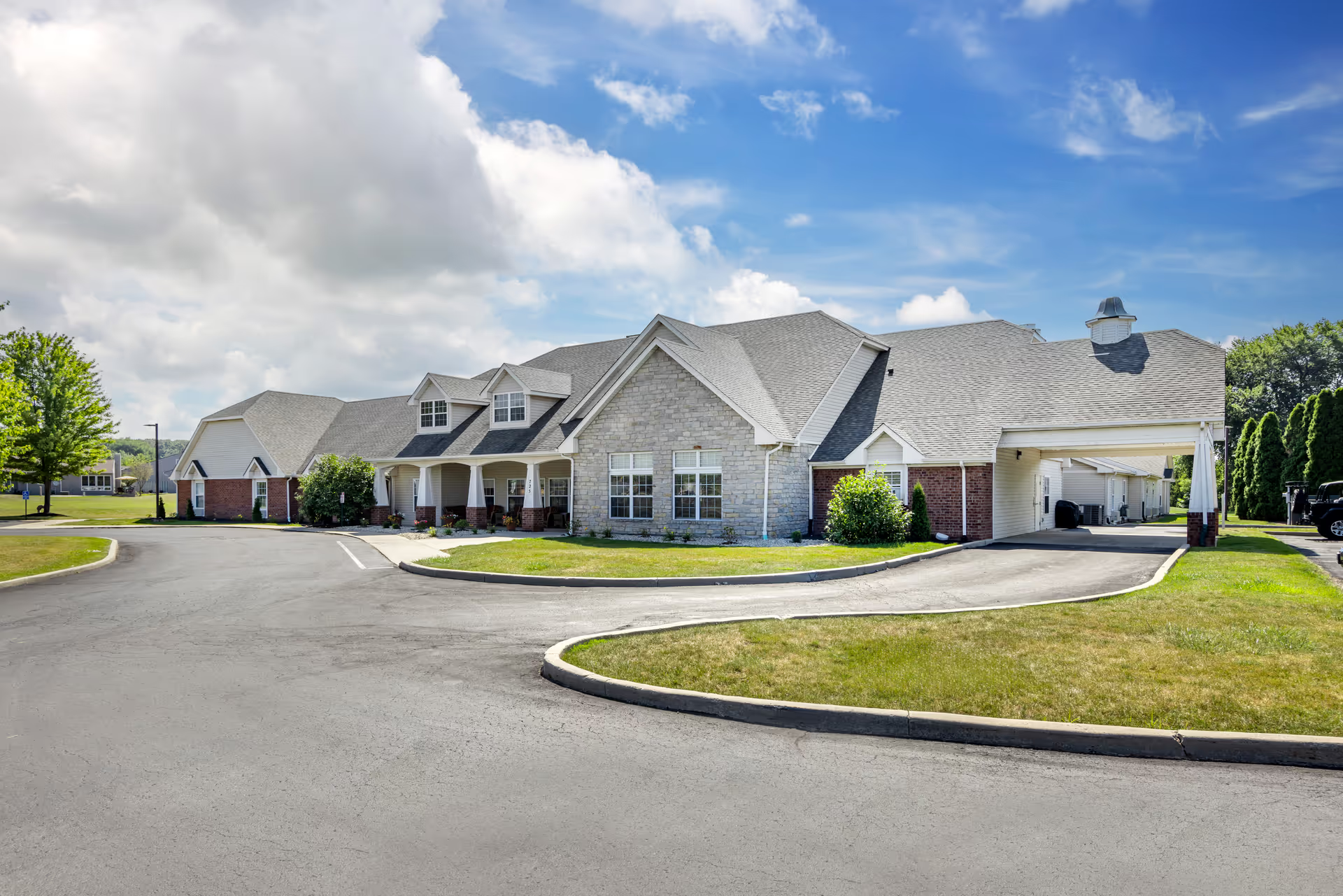
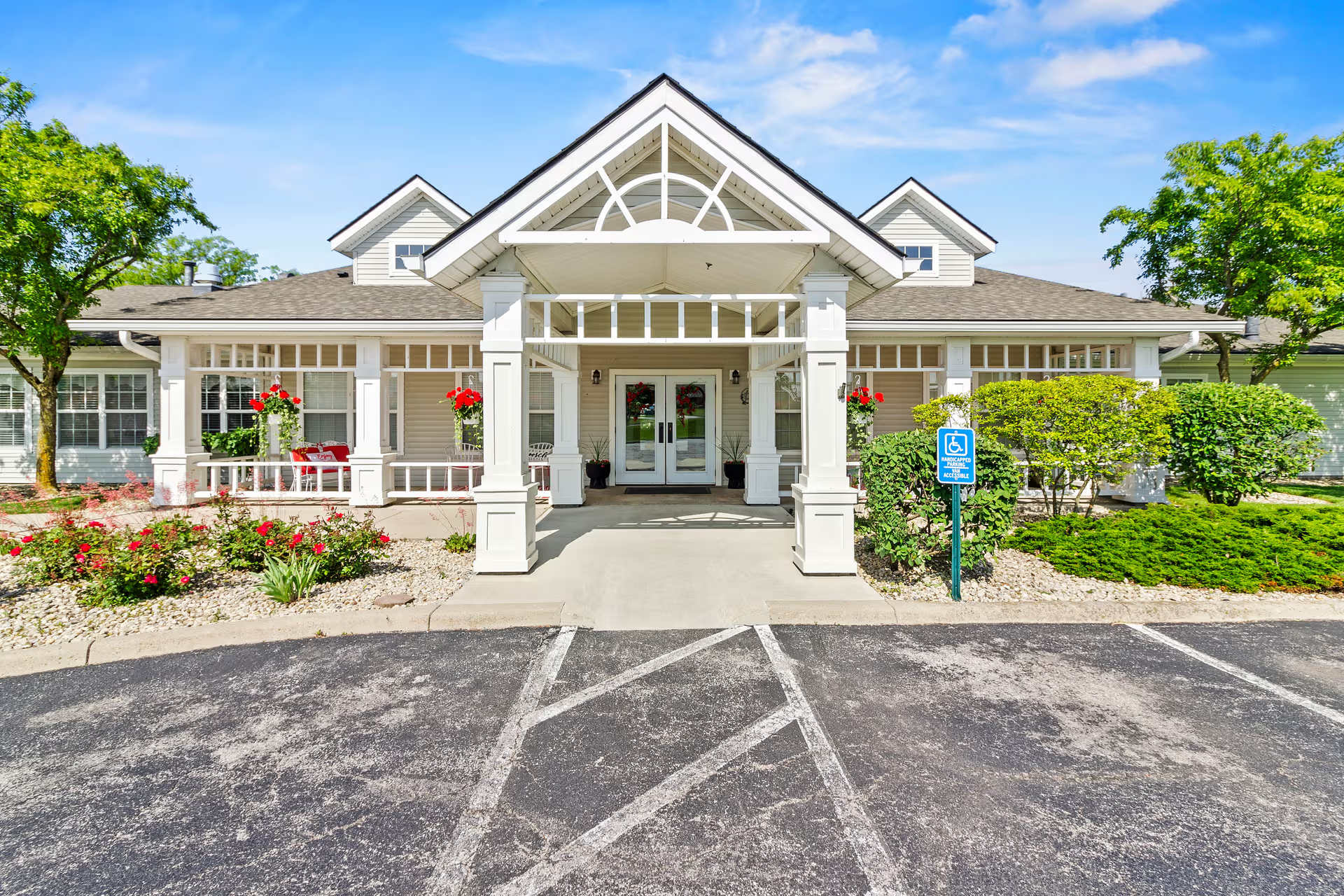
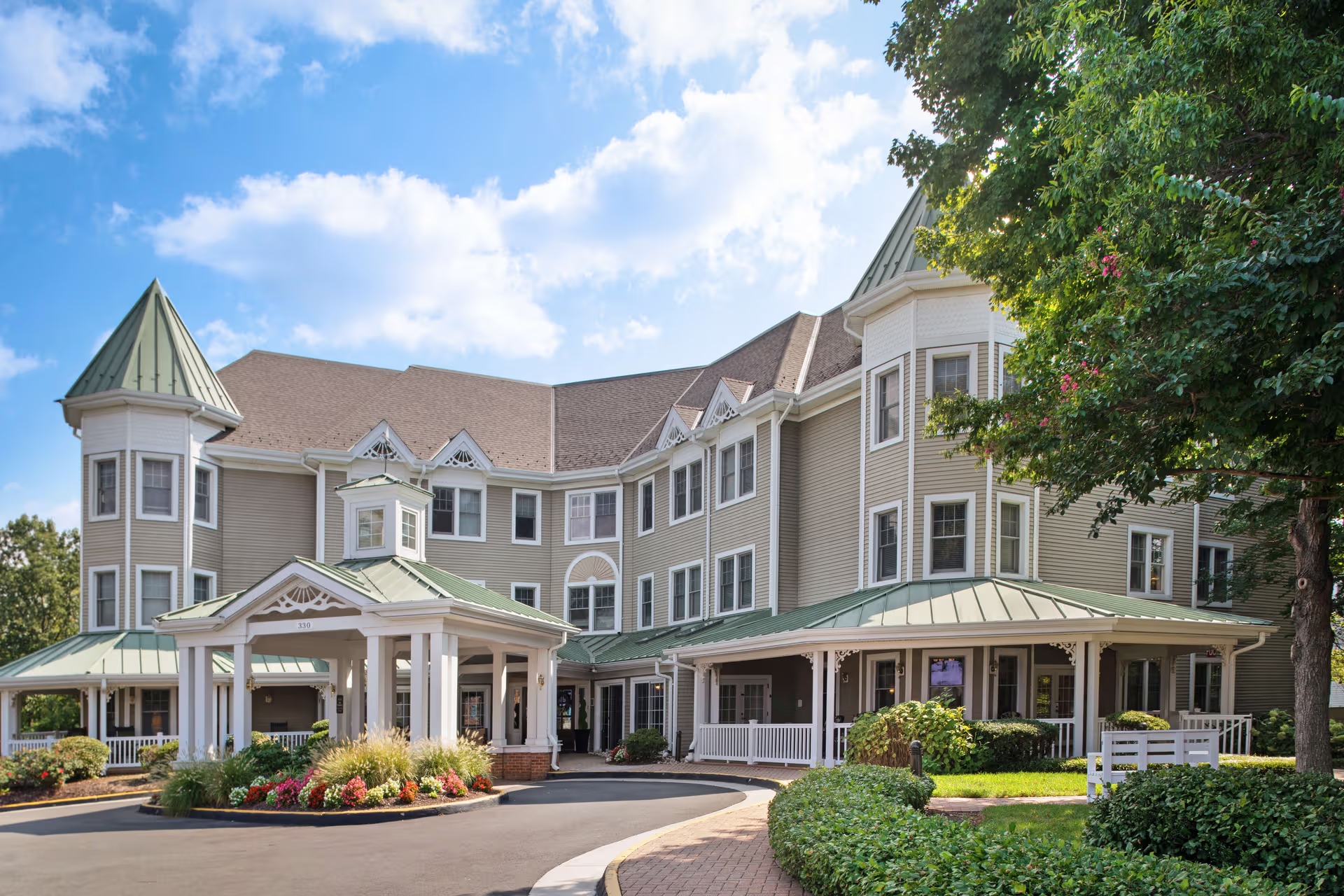
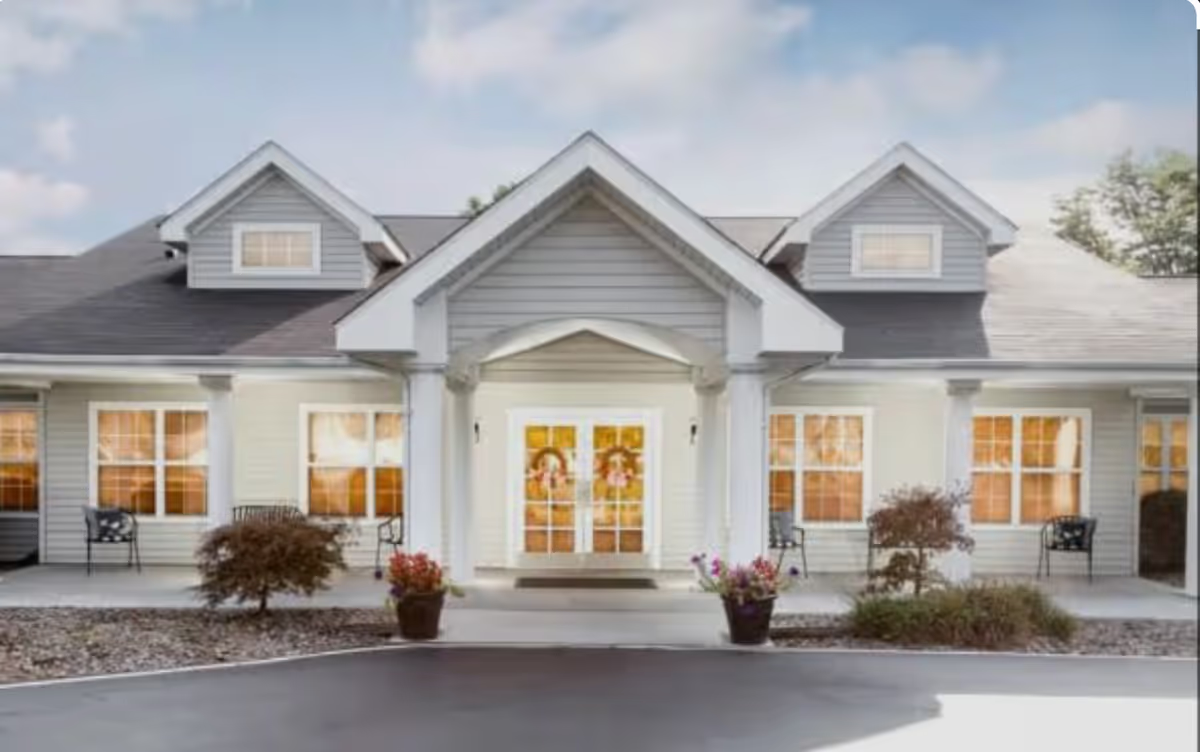
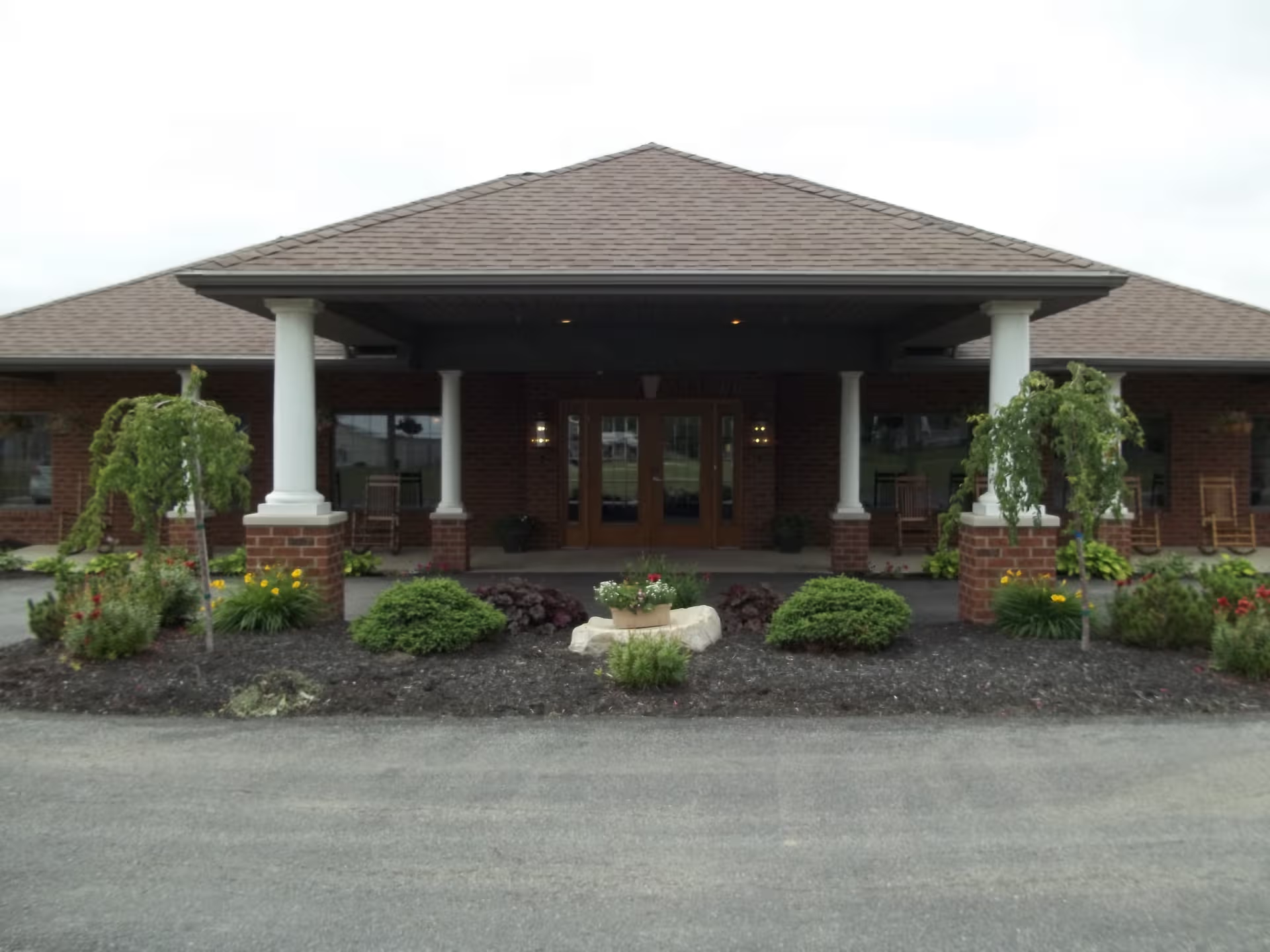
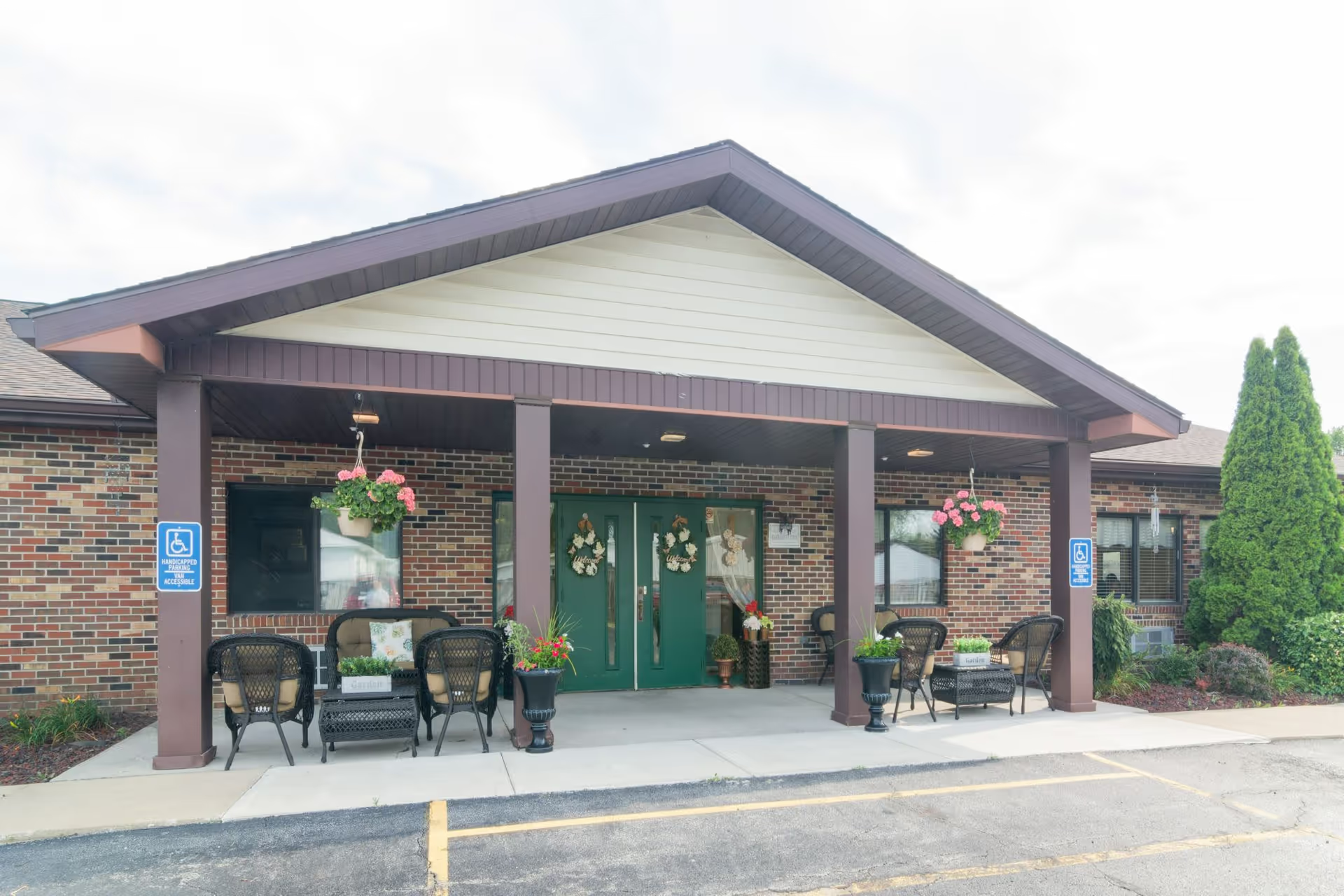
Good Shepherd Home presents as a large, recently updated facility with a range of on-site amenities and a layout that many families find apartment-like and easy to navigate. The campus includes a new wing, a large dining room, salon, library, small pool and gym, lounge spaces, and an on-site chapel; its quiet, edge-of-town location with convenient highway access is noted positively. The physical environment is generally described as clean and well maintained, and the facility offers a continuum of living options that spans independent apartments to assisted and memory-care units.
Care quality is described unevenly across accounts. Many families praise the immediate caregiving team and licensed nursing staff as compassionate, hands-on, and trustworthy — with several specific examples of staff going above and beyond. The dedicated Alzheimer's/memory-care unit receives favorable mention for its attentive approach. At the same time, other families raised concerns that point to operational variability: understaffing, uneven staff experience (including reliance on less-experienced employees), and inconsistent responsiveness for personal-care tasks such as bathing and daily checks. These patterns suggest that day-to-day care experience can depend substantially on staffing levels and individual caregiver assignments.
Dining and support services show similar contrasts. The facility offers a substantial dining program and a menu that has been liked at times, but multiple accounts point to inconsistent food temperature, quality, and variability after vendor changes. Housekeeping and laundry practices were another recurrent theme — cleanliness of rooms and clothing/laundry handling have been satisfactory for some families but a source of concern for others, with specific examples indicating lapses in consistency rather than a uniform failure.
Activities and social programming were a strong asset before infection-control events: bingo, arts and crafts, musicians, choir practice, movie areas and nightly programs were highlighted, and reviewers described a committed activities team. Several families noted reductions or interruptions in programming tied to outbreak-control periods, and some indicated that the vibrancy of activities varied over time. The facility’s amenities support a broad range of social and recreational options when programming is fully staffed and scheduled.
Management and operational themes are mixed. Positive comments about pandemic response and staff dedication coexist with critiques about higher-level communication and complaint resolution; examples include difficult interactions with management and perceptions of inconsistent adherence to the facility’s stated mission. Some reviewers raised cost-to-value concerns tied to perceived declines in food or responsiveness, and a few referenced workplace-culture issues that may affect staff morale. Infection-control events have had noticeable operational impact in the past and influenced family experience.
In summary, Good Shepherd Home appears to offer many structural strengths — updated facilities, a broad amenity set, a dedicated memory-care unit, and numerous examples of caring frontline staff. At the same time, families should expect variability tied to staffing, management responsiveness, and episodic service disruptions (notably around infection-control events and vendor changes). Prospective residents and their families would benefit from an on-site visit during mealtime and activity hours, direct questions about current staffing levels and rehabilitation resources, and clear discussion of laundry and housekeeping protocols before making a placement decision.