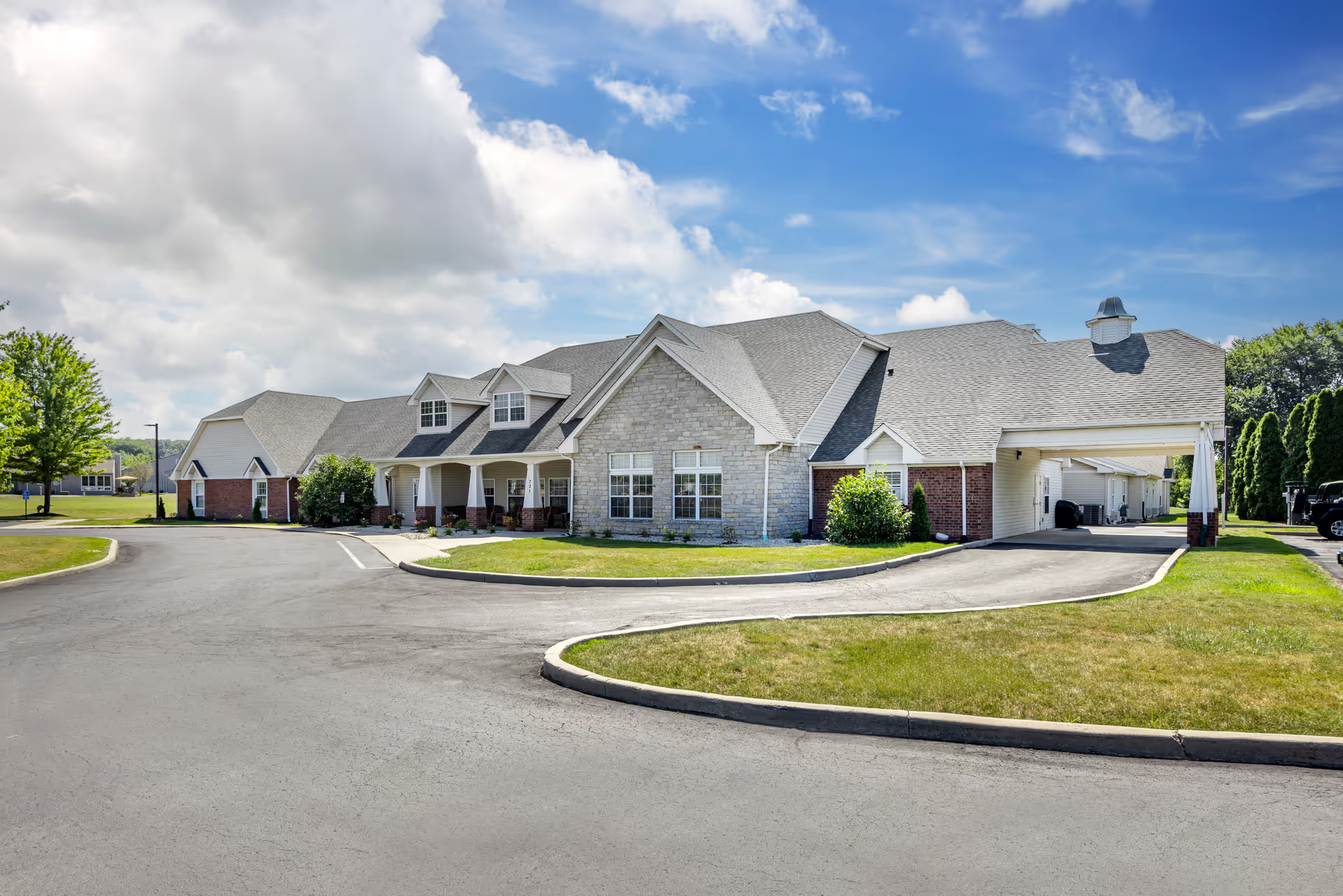
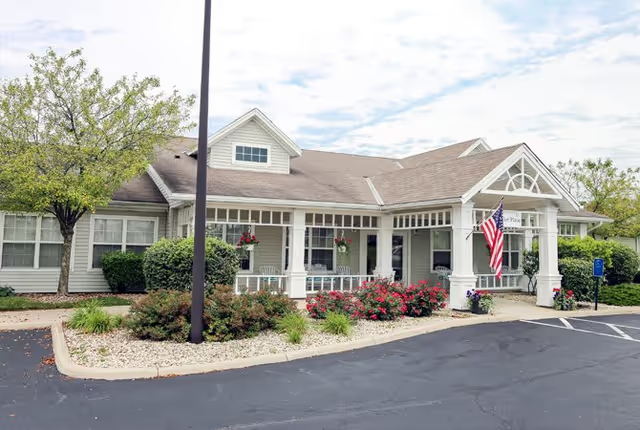
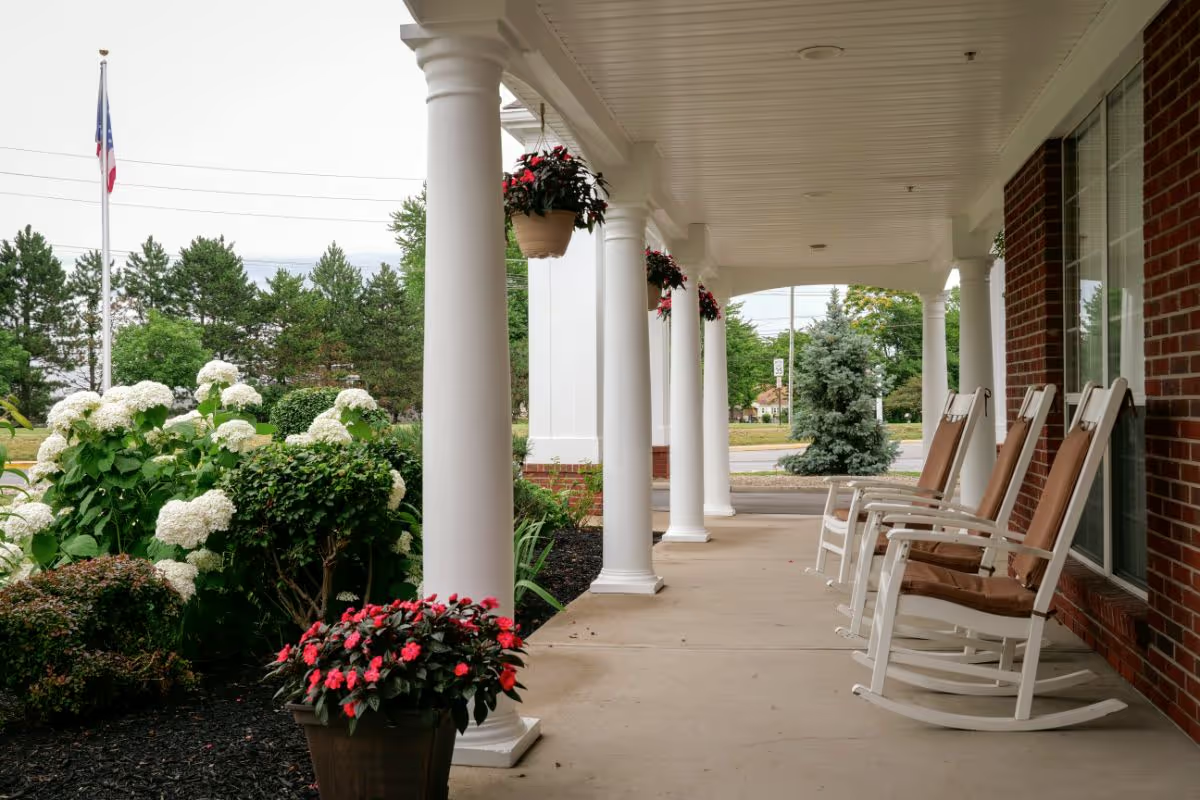
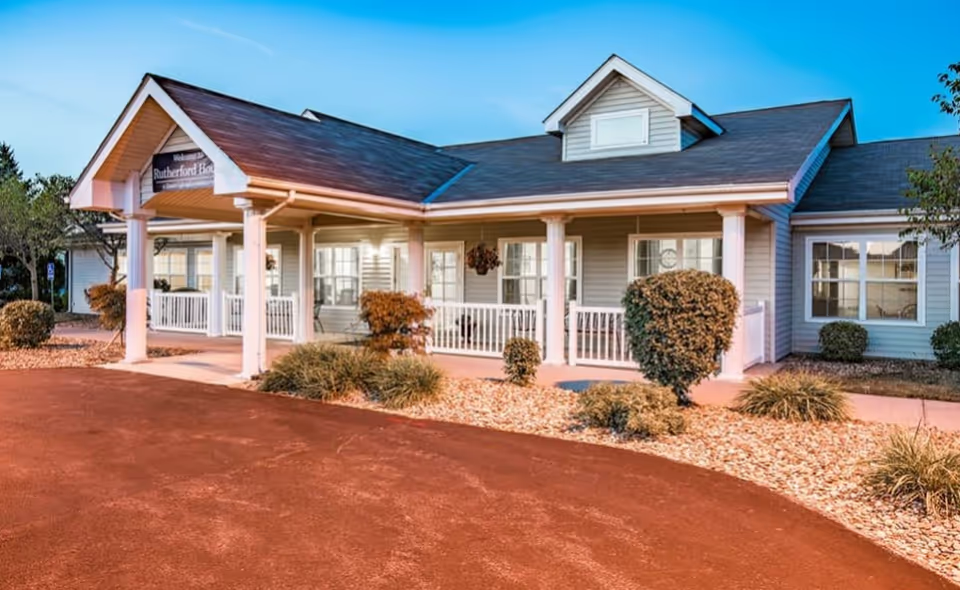
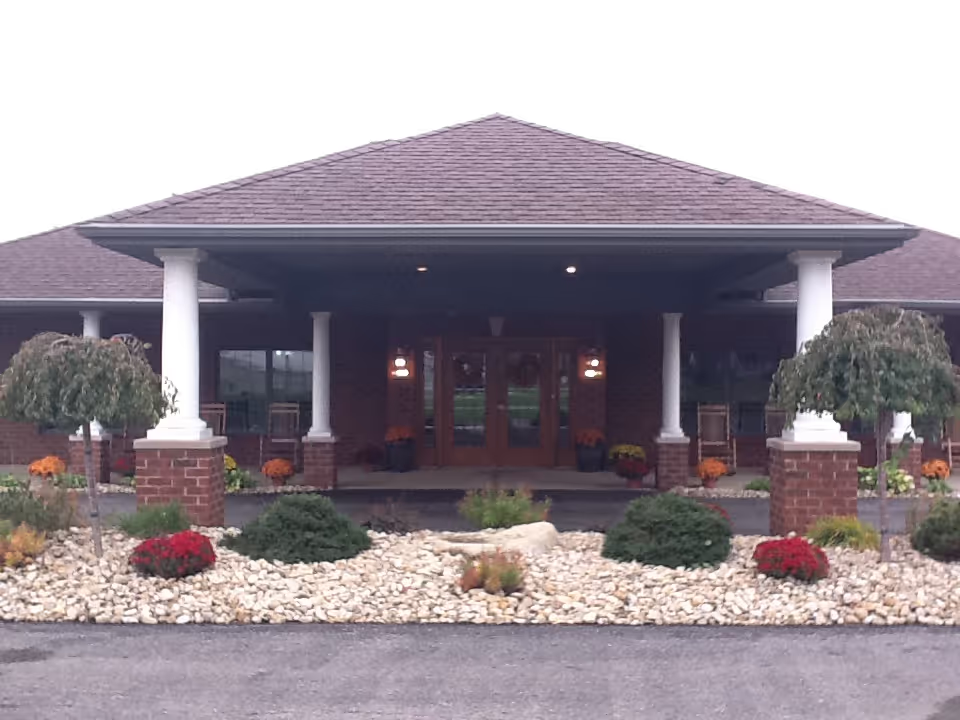
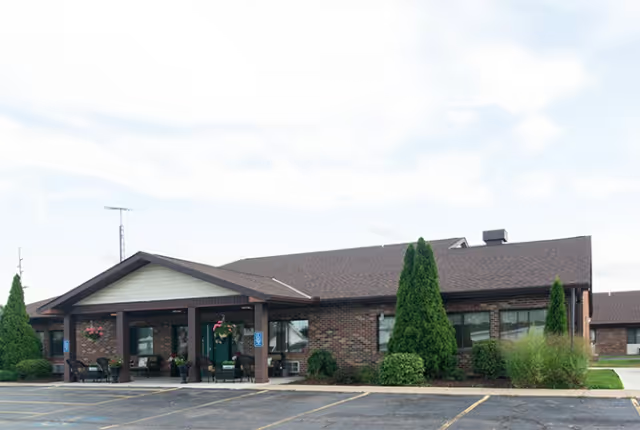
The reviews describe a facility with a mix of notable strengths and significant operational concerns, yielding inconsistent experiences for families and residents. Several accounts highlight a skilled therapy program and staff members who are personable and attentive; those families described a welcoming, home-like environment, active engagement through arts-and-crafts, and positive interactions with nursing leadership. Physical-therapy and rehabilitation services, including named therapists, received specific praise and are a clear asset for residents needing short-term or ongoing rehab.
At the same time, a recurrent theme is variability in care quality tied to staffing and process gaps. Reports indicate periods of low staffing and turnover that are associated with delays in routine clinical monitoring and response. Reviewers described missed vital-sign checks and delayed attention to emerging health needs, which in some cases resulted in escalated medical care. These descriptions point to gaps in clinical-monitoring workflows and handoff practices rather than isolated scheduling issues.
Facility operations raise additional concerns. Several families noted sanitation and linen-management shortcomings, including odor concerns in resident areas and infrequent bedding changes; others raised pest-control concerns. While some public areas and rooms are described as tidy and well-maintained, the inconsistency in housekeeping and laundry processes appears to be a persistent operational weakness. There are also comments about front-desk communication problems and difficulties obtaining timely information, which compound family stress when clinical issues arise.
Staff conduct and professionalism were mixed in the accounts: many reviewers praised friendly, knowledgeable caregivers and a supportive director of nursing, while other accounts raised concerns about staff demeanor and readiness while on duty. These divergent observations, together with references to managerial turnover, pay adjustments, and removal of supervisory roles, suggest management instability and uneven frontline leadership presence. Such instability can magnify training and accountability gaps and contributes to the variability families described.
Activity programming receives mixed feedback: some residents benefit from daily therapy and structured arts-and-crafts, while others experienced limited options (for example, primarily group games). There is limited specific information about dining quality; operational items such as kitchen and laundry functioning were referenced by families and may merit direct inquiry during a visit.
Overall pattern: the facility appears capable of delivering high-quality, family-centered rehab and caregiving at times, but operational inconsistencies — particularly staffing, clinical-monitoring processes, sanitation practices, pest control, and management engagement — create variability in resident experience. For prospective residents and families considering St. Catherine’s Manor of Fostoria, an in-person tour at multiple times of day is advisable. Specific questions to raise with leadership include staffing ratios and scheduling, clinical-monitoring and escalation protocols, linen and housekeeping schedules, pest-control measures, activity calendars, and examples of how management addresses staff performance and family communication. Documenting answers and requesting recent inspection or quality metrics can help assess whether the facility’s strengths align with an individual resident’s needs and risk profile.