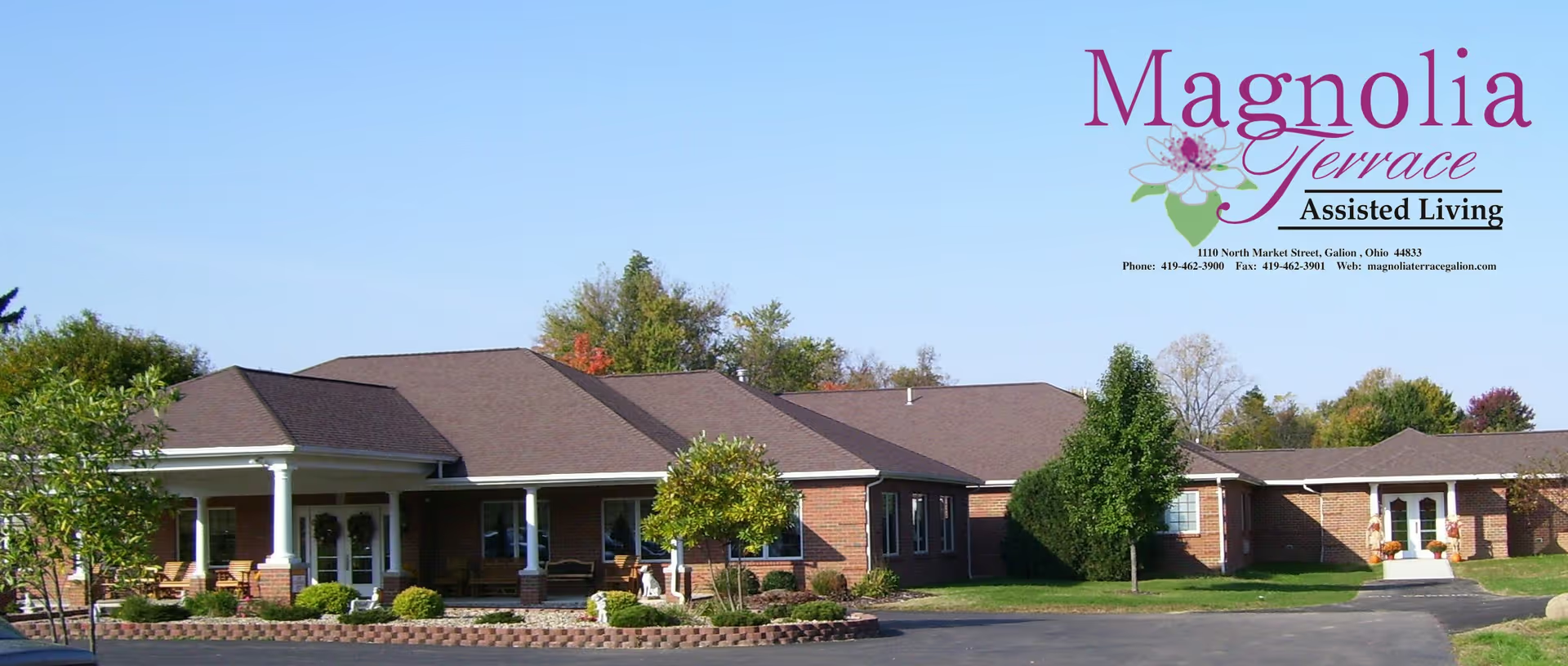
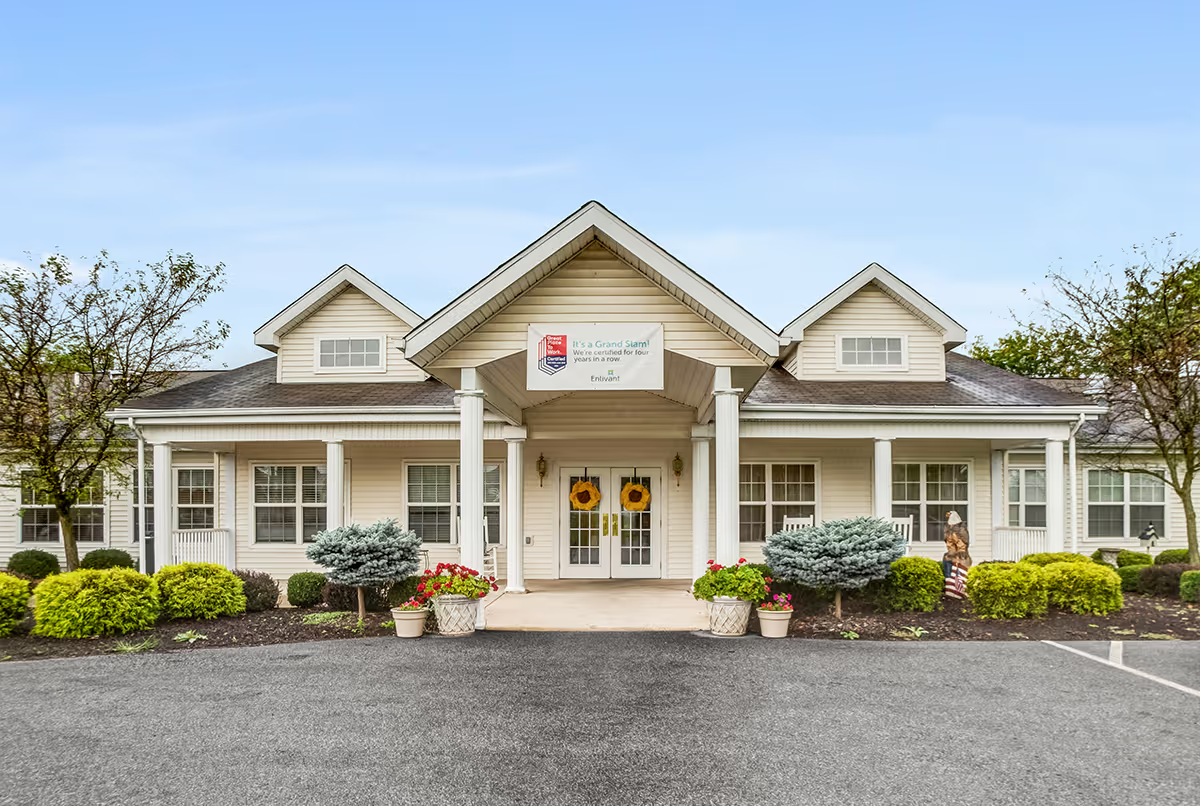
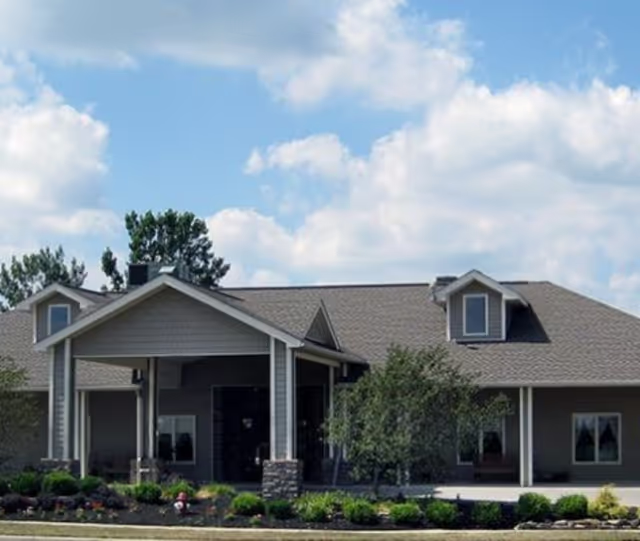
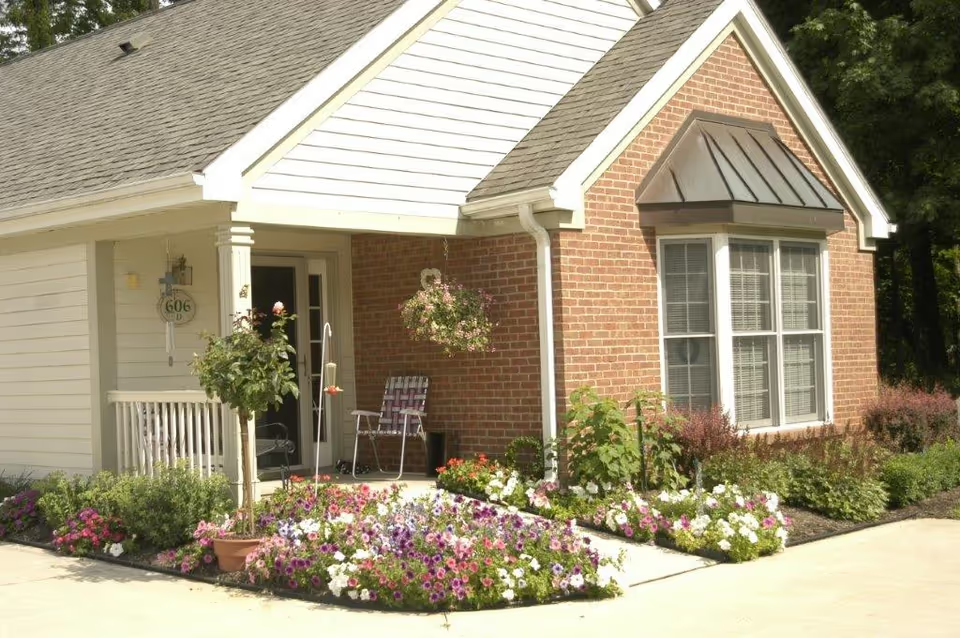
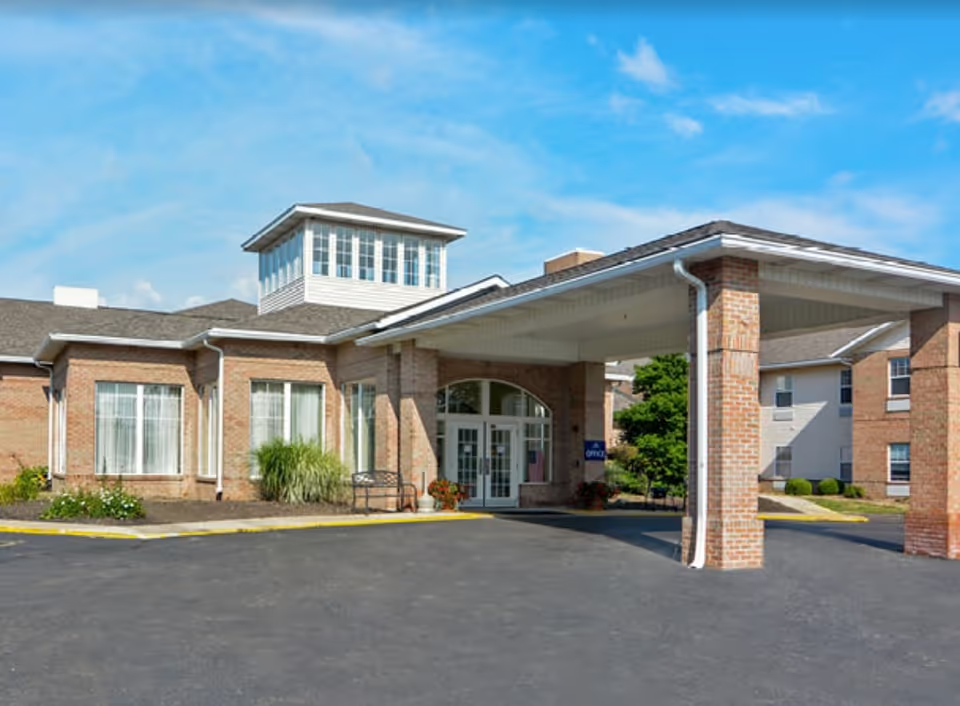
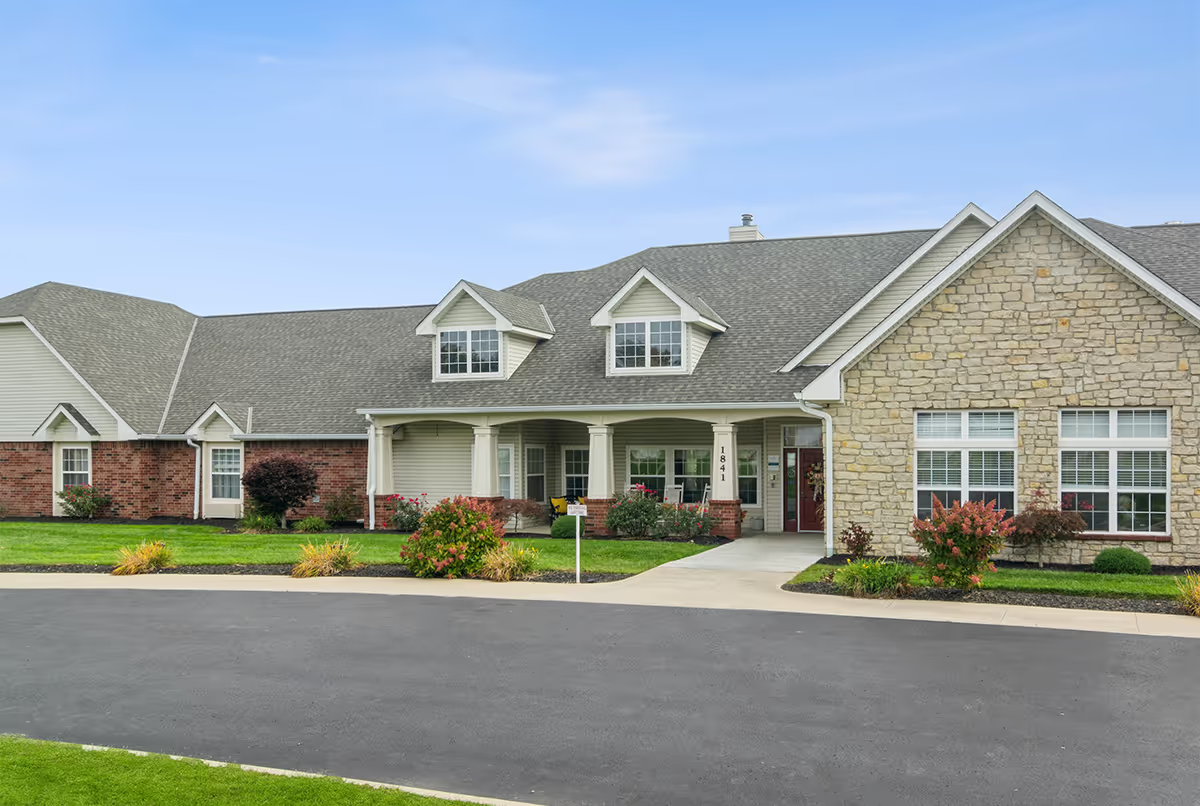
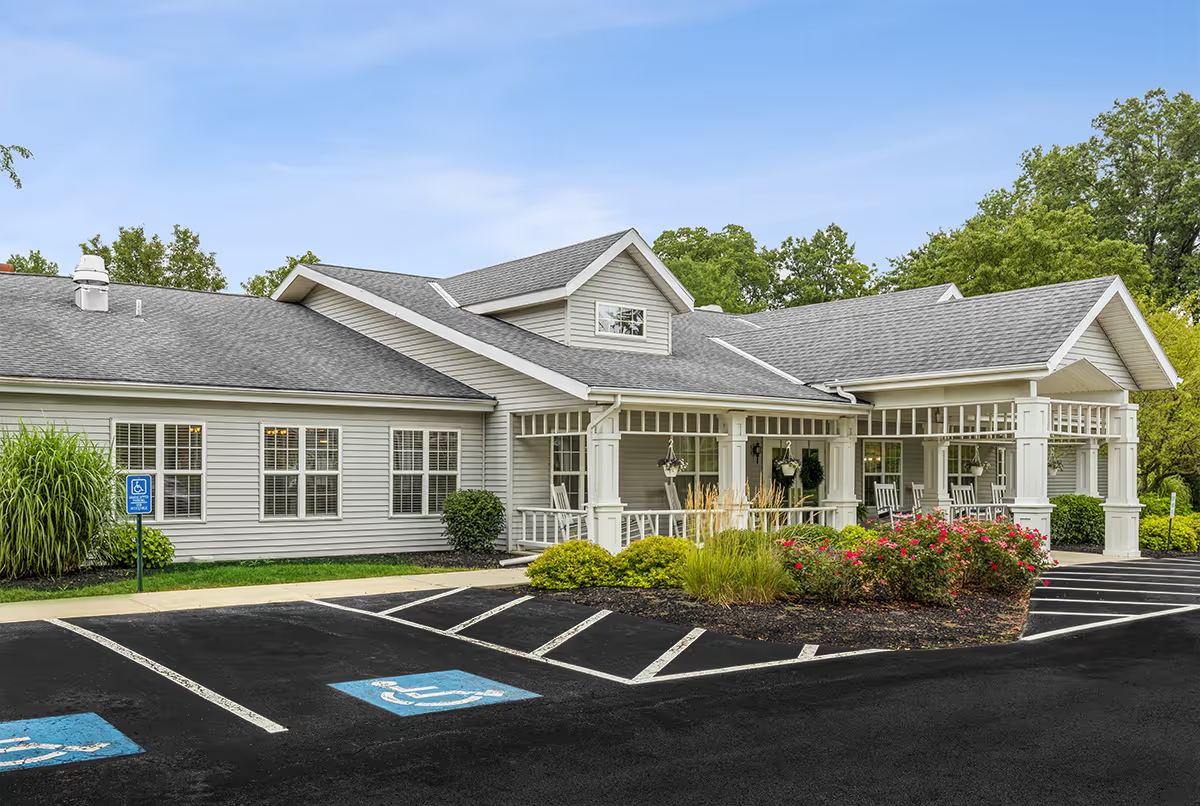
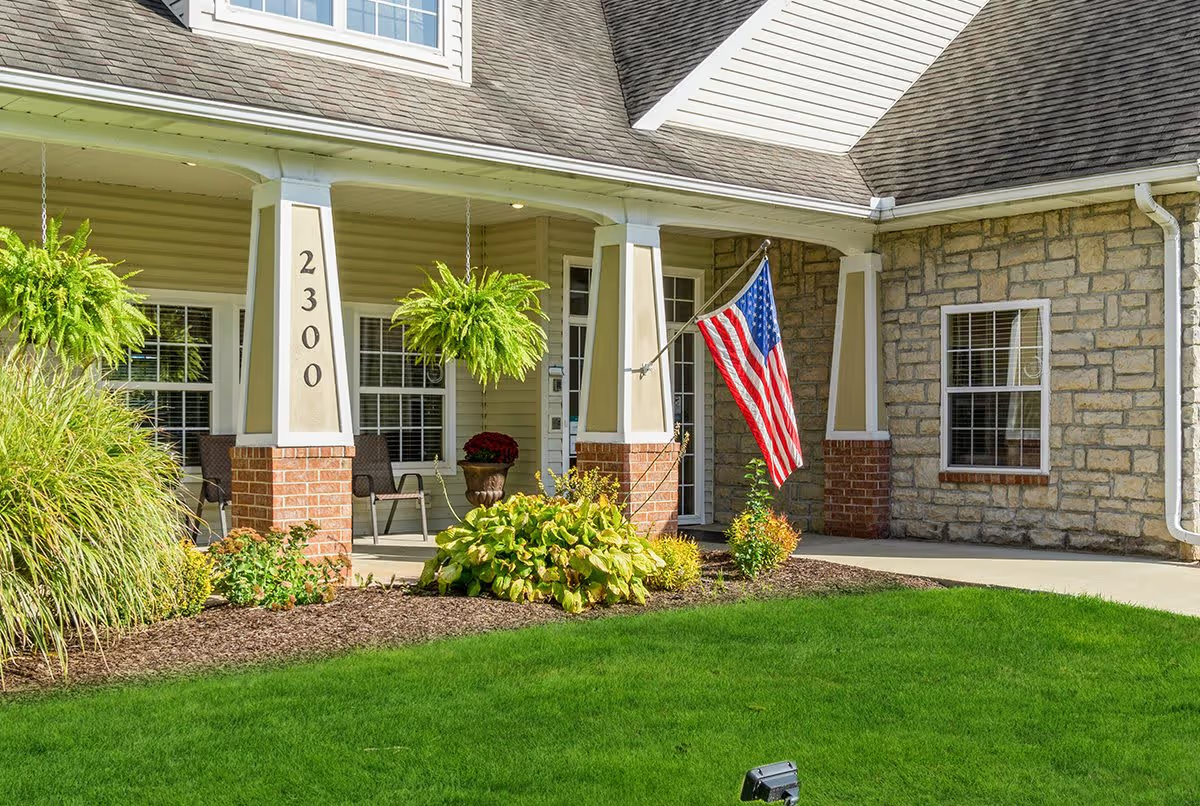
The reviews reflect a polarized picture of Galion Meadows Skilled Nursing and Rehab: several families and visitors describe a warm, family-oriented culture with strong spiritual programming and effective therapy services, while other accounts raise substantive operational and clinical concerns. Strengths that recur in positive accounts include an on-site chaplain and a visible commitment to spiritual care, a range of organized faith-based activities, and therapists who are appreciated for rehabilitative progress. Many reviewers emphasize compassionate frontline caregivers who form close personal relationships with residents and a dementia/Alzheimer’s unit that some families find well maintained. The campus setting and certain indoor areas are described as park-like and inviting by several visitors.
Care quality appears inconsistent across shifts and units. Praise for attentive staff and meaningful end-of-life support contrasts with reports of missed physician orders, delayed or missed medications, and gaps in wound care and follow-up. Diabetic diet implementation and other therapeutic-diet controls are described as unreliable. Reviewers also raised concerns about pain management, including statements alleging withheld hospice medications in at least one case, and there were concerns following a resident's death in one account. These patterns suggest variability in clinical governance and in adherence to individual care plans.
Staffing and management are recurring themes. Frontline caregivers are frequently characterized as warm and resident-centered, and agency staff are sometimes noted as competent; however, reviewers also point to variable staff competence, staffing instability, and a reliance on temporary personnel that can create inconsistencies in care continuity. Several reviews describe management instability, lapses in leadership communication, and examples of unprofessional conduct or perceived retaliation by staff members. Communication systems, including phones and scheduling, are described as unreliable, which compounds family frustration and hinders timely coordination.
Dining and daily living experiences are mixed. Some family members and residents find the food acceptable and praise therapy and activities, while others describe poor meal quality and failures to follow specialized diets. Personal-care delivery issues are cited, including inconsistent bathing and toileting schedules and other hygiene-related service gaps; these are framed as operational inconsistencies rather than uniform practice across the facility.
Activities and spiritual life are clear highlights for many families. The facility's chaplaincy, regular Bible studies, prayer circles, hymn singing, and an individualized approach to spirituality receive positive emphasis and appear to contribute to resident quality of life for those who value faith-based programming.
Overall, the pattern in these reviews is one of variability: strong, compassionate elements exist alongside operational and clinical weaknesses that affect some residents. Prospective residents and families should weigh the facility's spiritual and therapeutic strengths against reported inconsistencies in clinical oversight, medication processes, personal-care routines, and leadership stability. When evaluating the facility in person, consider asking for current staffing levels and turnover, medication and wound-care protocols, infection-control practices, recent inspection records, examples of how dietary needs are managed, and the chain of communication for family concerns.