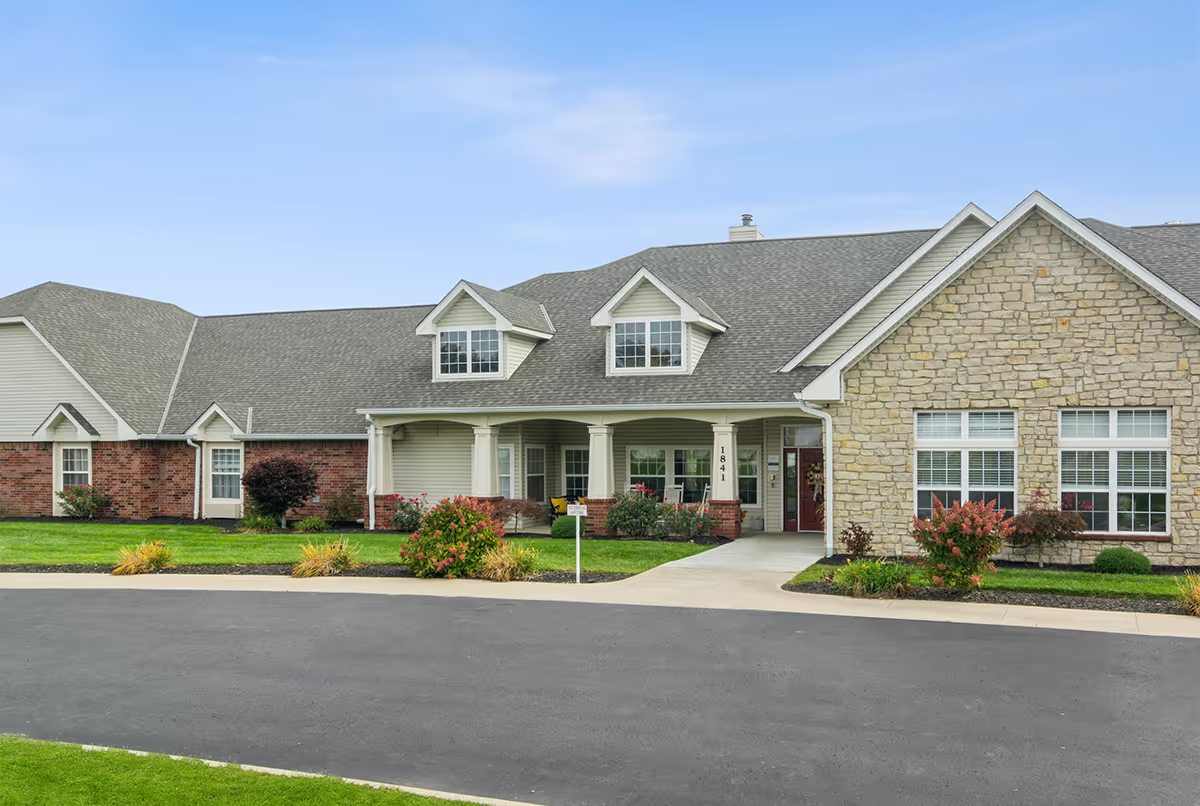
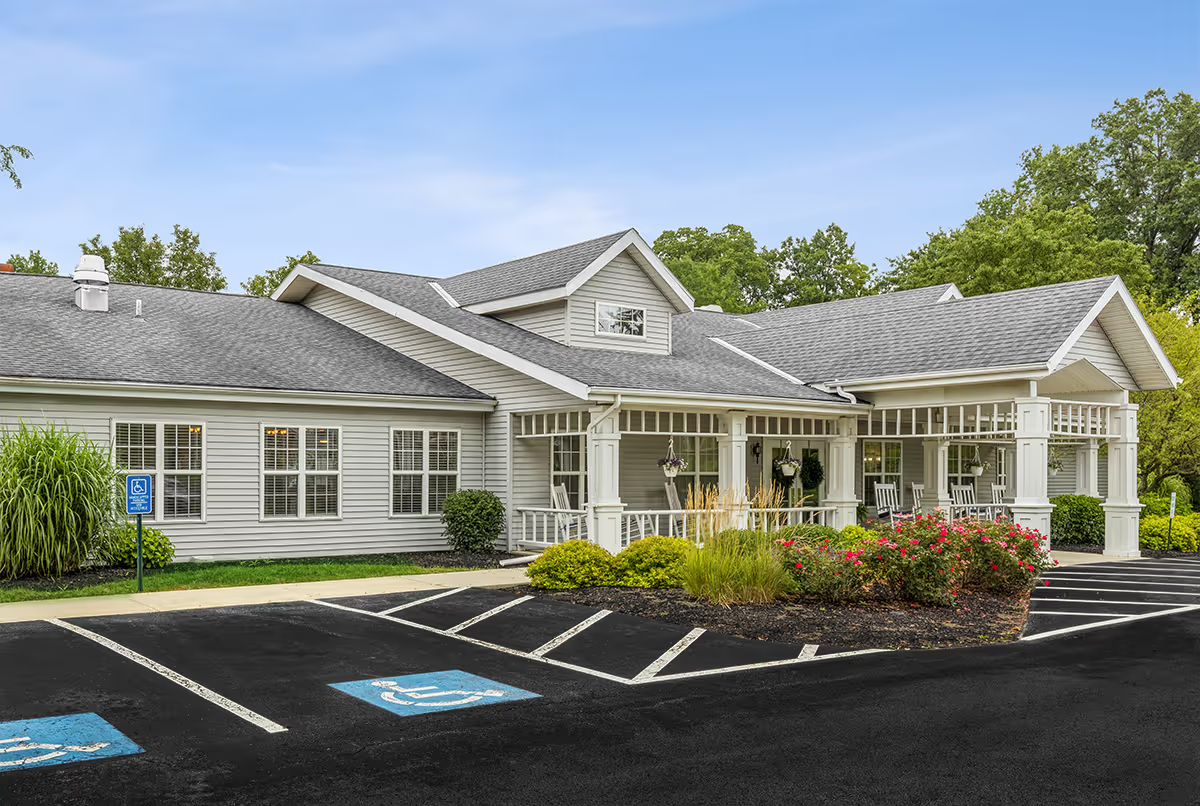
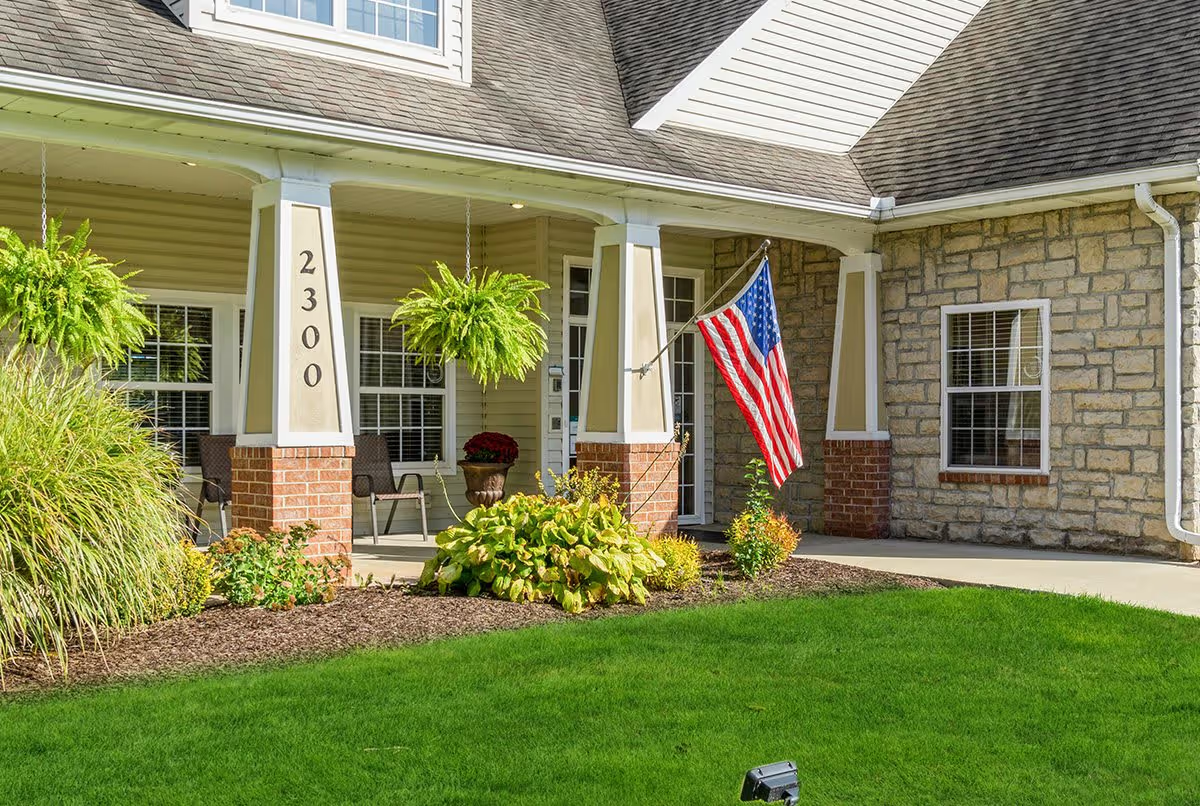
The reviews portray a facility with notable strengths alongside recurring operational concerns. Many families praise the staff's compassion, individualized attention, and a welcoming, family-oriented culture; several reviewers highlighted staff who went beyond their duties, strong front-office responsiveness, and a social-work team that supports transitions. The therapy department—physical and occupational—is frequently described as a high-performing asset, with successful rehabilitation outcomes and therapists who take an active role in recovery. Facility upkeep, recent renovations, pleasant common areas, and organized family events are also consistent positive features.
At the same time, there is a clear pattern of clinically significant concerns that prospective families should evaluate. Multiple accounts point to lapses in basic clinical monitoring and medication administration, as well as inconsistent wound, nutrition, and hydration oversight. These reports suggest weaknesses in care processes and oversight rather than isolated administrative problems, and a few reviews indicate this has led to adverse clinical outcomes for some residents. There are also accounts of falls and missed-assistance incidents that raise questions about transfer-safety practices and timely response to resident needs.
Staffing and management dynamics are a central theme. Reviewers describe staffing shortages, long shifts, and overworked nurses, which correlate with the operational gaps noted above. While some families commend the director of nursing and administrative leadership for being attentive and communicative, others report a variable supervisory tone and instances of unprofessional conduct toward staff. This divergence suggests inconsistent leadership experiences across shifts or units. Several reviewers also raised concerns about limited transparency in communications and challenges during care conferences, which can complicate family trust during transitions and clinical incidents.
Visitation and operational policies are another recurring topic. The facility appears to use appointment-based systems for virtual and outdoor visits; while these can help manage logistics, reviewers report that reliance on specific staff for setup and strict scheduling can reduce flexibility for families. Related logistical issues include room-size limitations and reported inflexibility in room reassignment despite availability. Post-discharge planning and coordination with external physicians or insurers were described as problematic in some cases, implying opportunities to strengthen care-continuity protocols.
Dining and activities show mixed signals. Many reviewers appreciate the activities calendar, live music, and family-oriented events; food and dining are sometimes praised for being pleasant. However, concerns were expressed about inconsistent assistance with meals and diet management for residents with specific nutritional needs, indicating variability in how dining support is delivered.
In summary, Mill Creek Nursing demonstrates clear areas of excellence—particularly in therapy services, family engagement, and some elements of administrative responsiveness—but also exhibits persistent operational challenges, chiefly around staffing consistency, clinical monitoring, care-continuity, and visitation flexibility. Prospective residents and families should weigh the facility’s strong rehabilitative and social programming against the documented variability in clinical oversight. Recommended due diligence includes asking for current staffing ratios, wound- and medication-management protocols, recent quality- or inspection reports, and concrete examples of how the facility coordinates post-discharge care and manages visitation logistics.