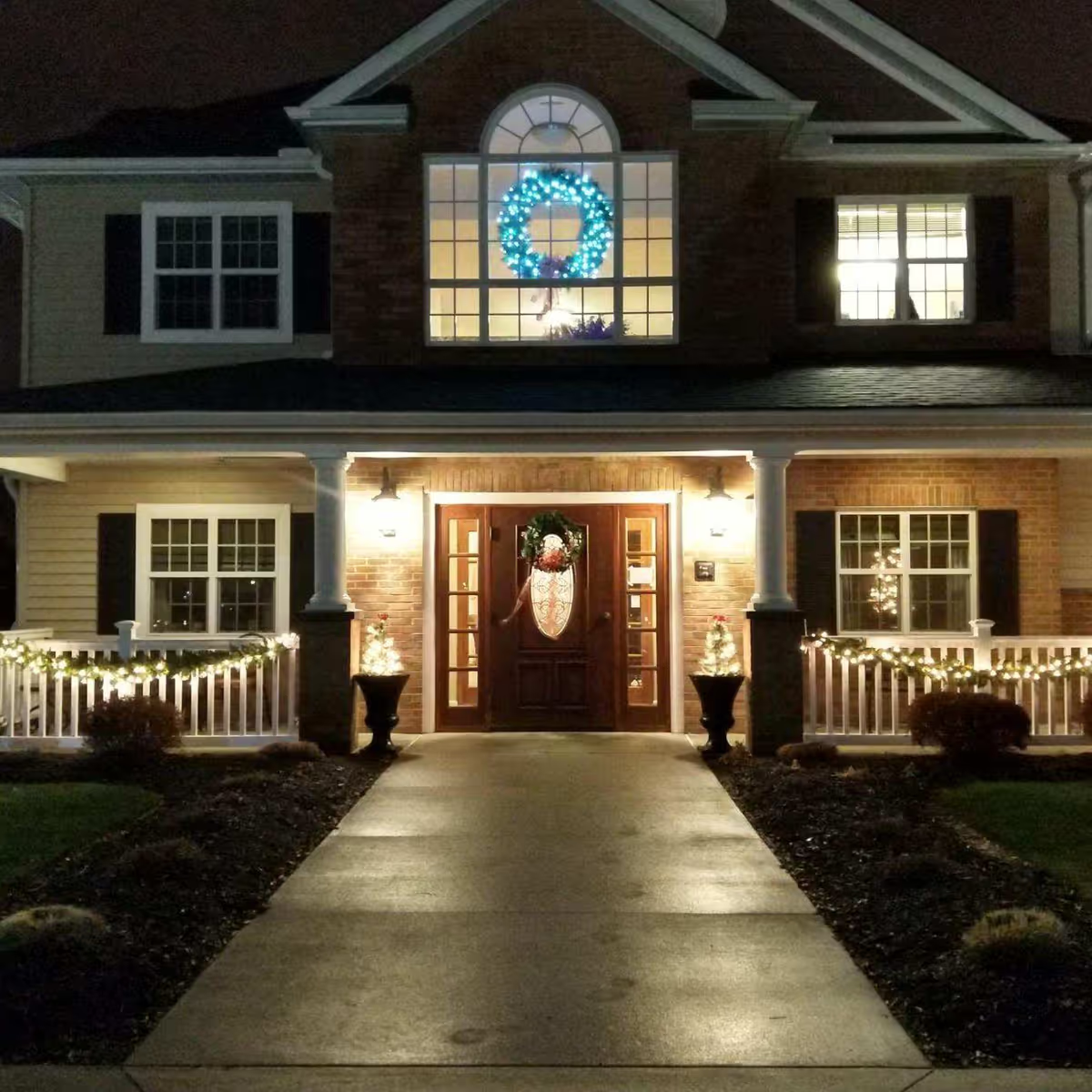
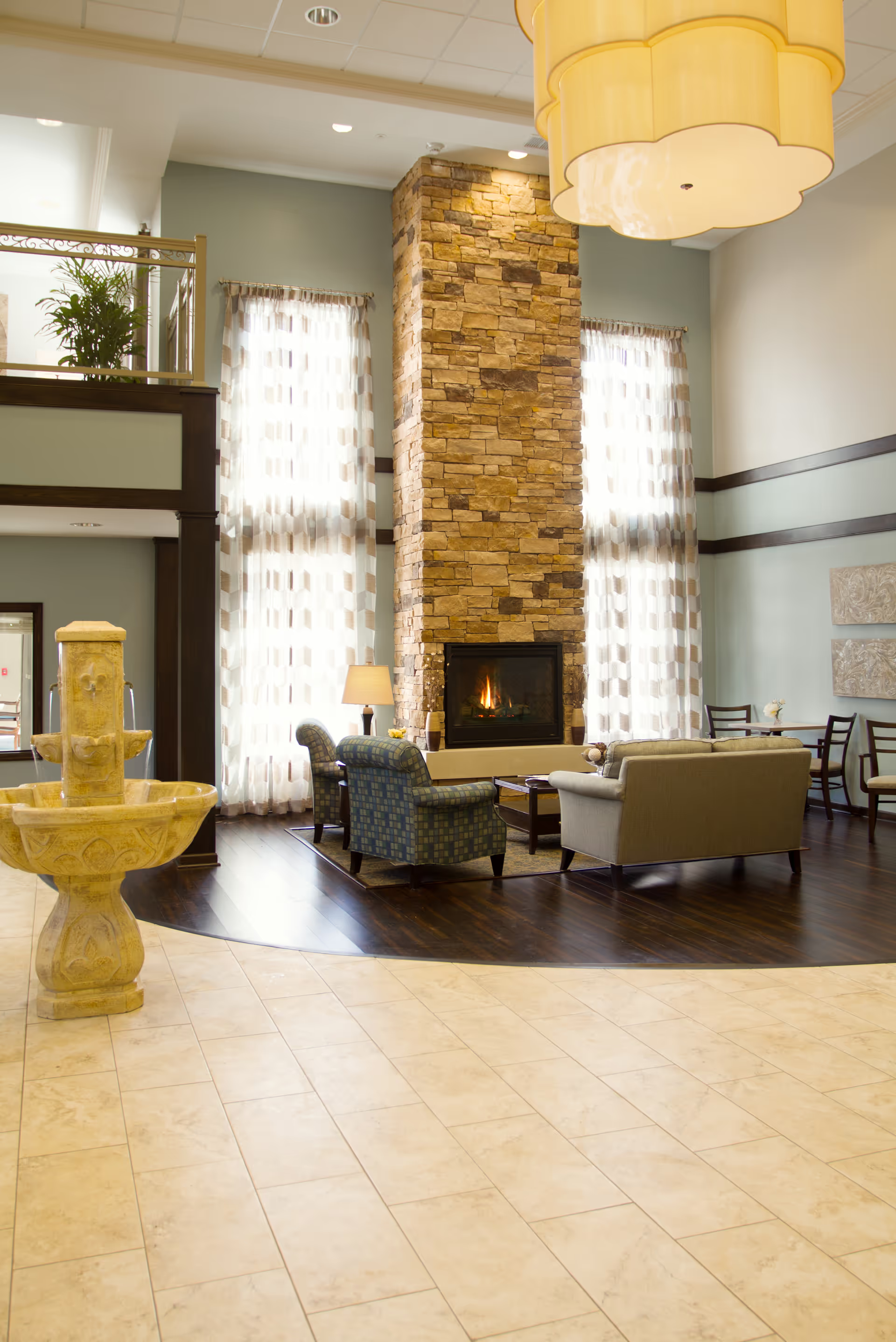
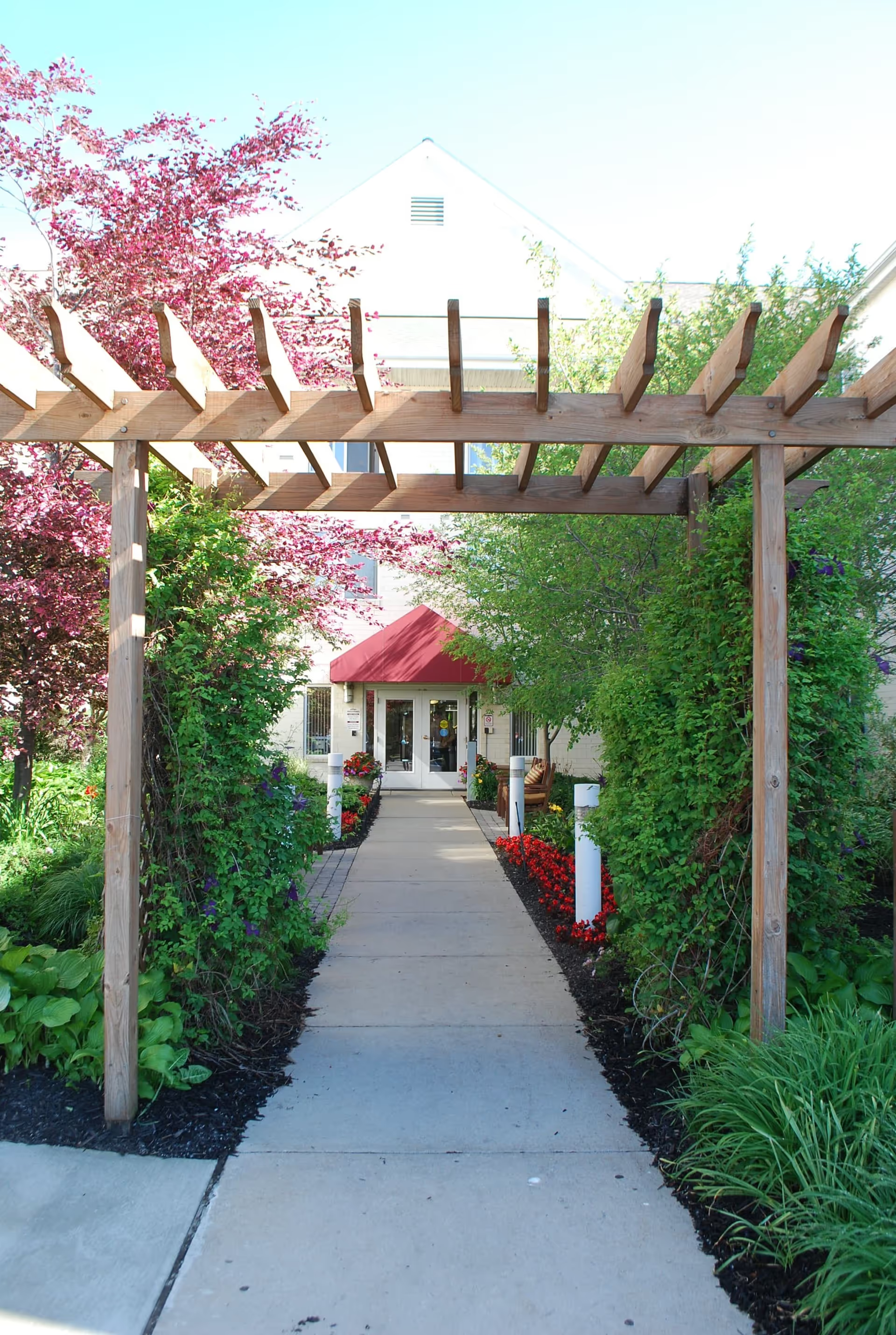
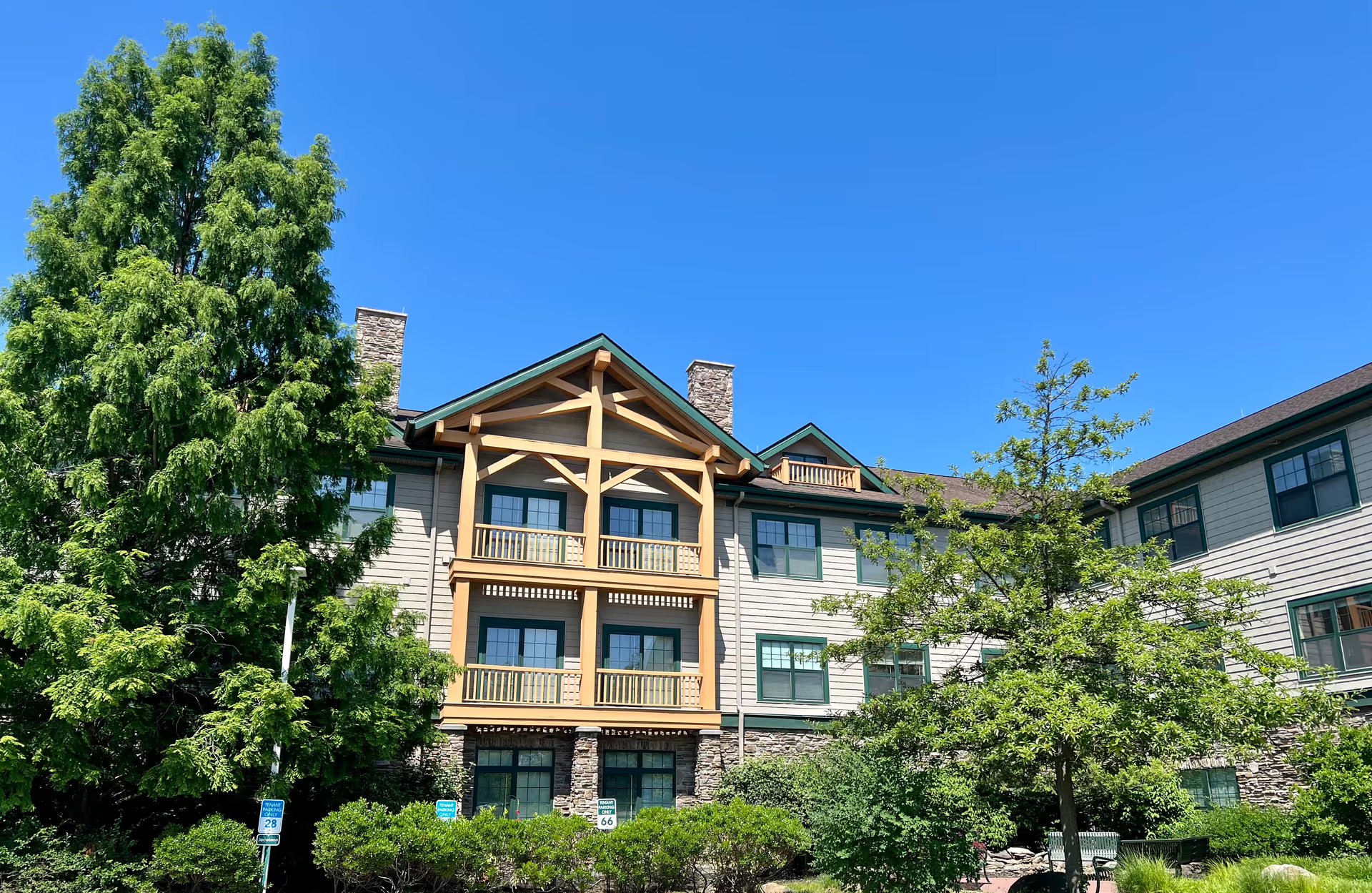
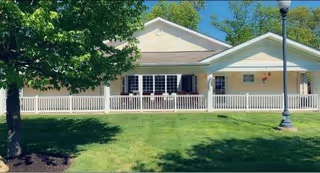
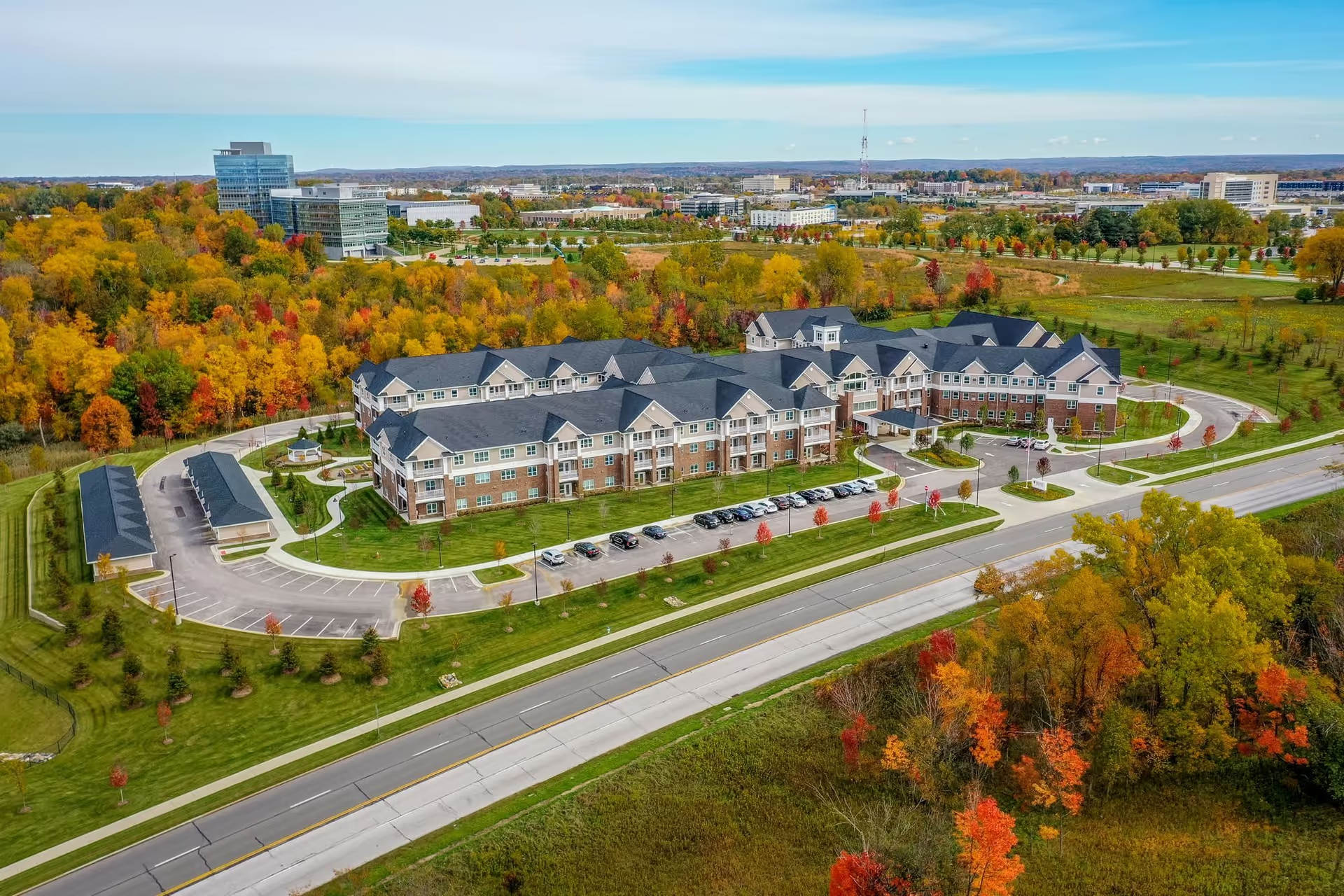
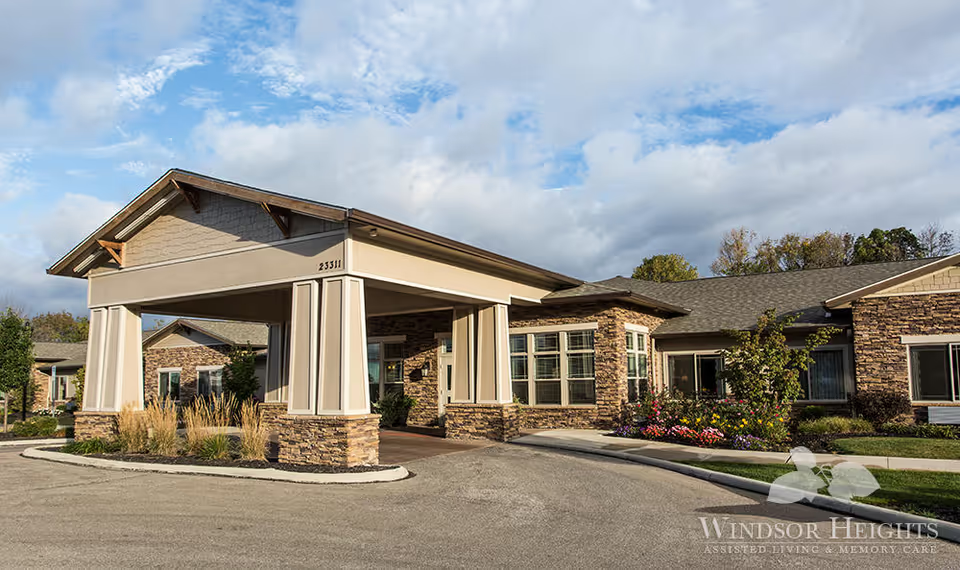
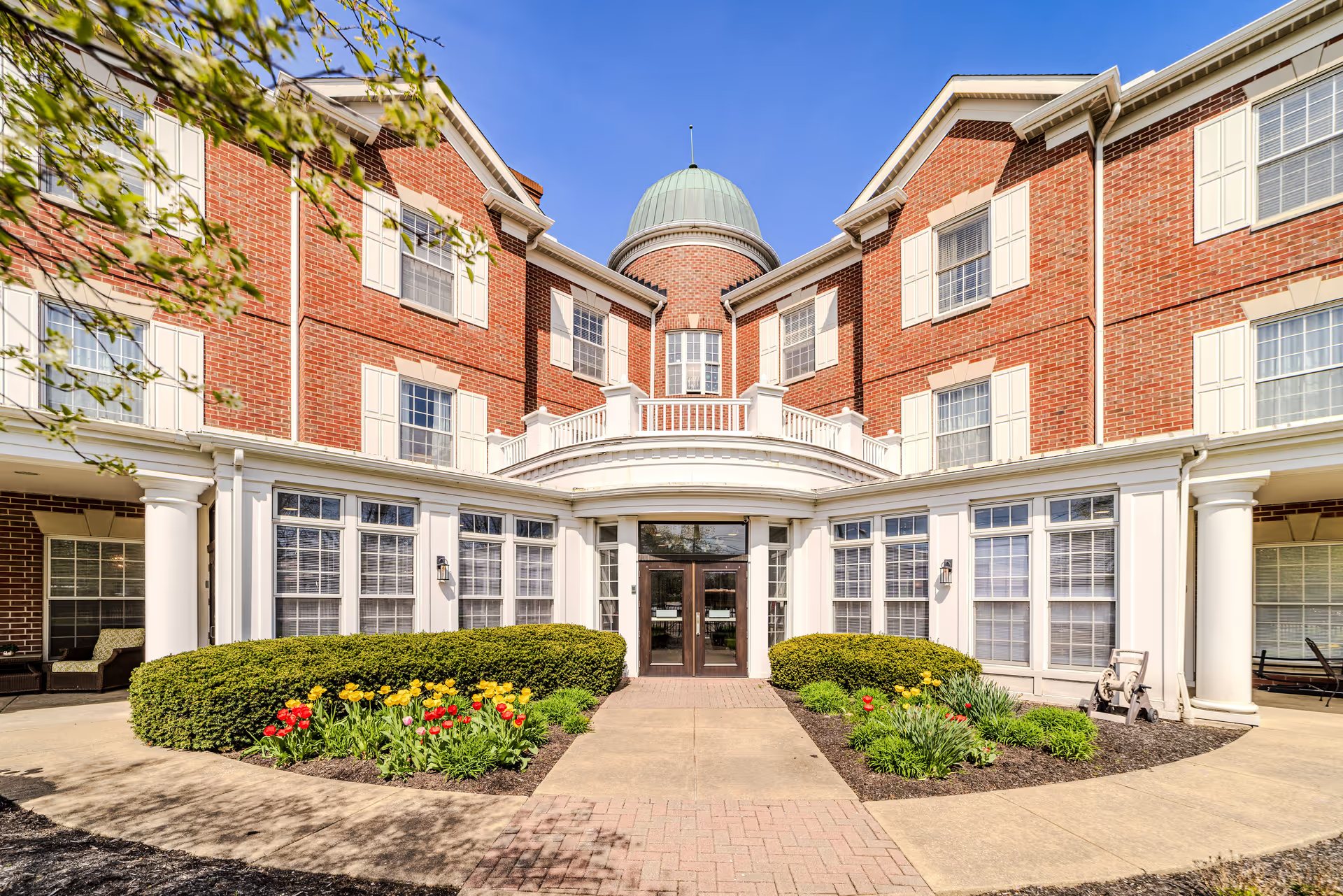
The reviews of Highland Pointe Health & Rehabilitation Center are highly polarized: many families and residents describe excellent clinical and rehabilitative services and compassionate personnel, while others describe operational and safety-related shortcomings. Positive accounts consistently highlight strong physical and occupational therapy, daily exercise regimens, attentive wound and rehabilitative nursing, and a welcoming admissions experience. Multiple reviews praise specific staff and administrators for clear communication, thoughtful care coordination, and supportive engagement with families. The facility’s campus, rooms with private bathrooms, landscaped grounds, and on-site amenities (salon, community room, dialysis access) are frequently mentioned as assets.
Care quality shows a bimodal pattern. On the positive side, reviewers note top-tier therapy outcomes, dedicated nursing teams (including night coverage), and effective social-work coordination that supports appointments and discharge planning. Conversely, other reviews describe inconsistent clinical monitoring and medication administration, delayed pain and medication delivery, missed vital-sign checks, and concerns about skin/wound and incontinence-care management. These issues are often linked to variable staffing levels and high turnover, producing noticeable differences in care responsiveness across shifts.
Staffing and management feedback is mixed. Many accounts name individual caregivers, therapists, and administrators positively, noting compassionate interactions and leadership that creates a family-like atmosphere. At the same time, multiple reviewers describe communication breakdowns between nursing, therapy, and administration, failures to arrange transportation or appointments at expected times, and billing or coordination difficulties. These operational gaps appear to contribute to uneven experiences and affect family confidence in the facility’s processes.
Dining and nutrition receive varied assessments. Several reviewers commend flavorful meals and attentive dietary staff, while others report inconsistent meal quality, frequent cold trays, powder-based or poorly warmed items, and limited allergy or dietary accommodations. Meal-timing variability and occasional lapses in meal-service continuity are recurring themes that prospective families should clarify during a tour.
Facility maintenance and cleanliness are recurring areas of concern. Positive descriptions of a clean, bright facility coexist with reports of sanitation issues, odor concerns in certain areas, delayed housekeeping, and maintenance deficiencies (damaged fixtures, temporary repairs, and visible wear in some rooms). Accessibility limitations for certain wheelchair sizes and constraints in room layouts are also noted. Safety and security worries include delays in responding to call lights, inadequate supervision during high-risk situations, and allegations of theft or personal-property vulnerability. These issues suggest the need to evaluate on-site security measures, staff-to-resident ratios, and environmental maintenance during a visit.
Activities and social programming are generally viewed favorably. Reviewers commonly report daily activities, social engagement, and an active therapy schedule that supports recovery and quality of life. Families seeking strong rehabilitation and an engaging social environment may find the facility’s programming beneficial, while those needing specialized dementia care or bariatric accommodations should verify fit and staffing expertise.
Overall pattern and recommendation: the facility demonstrates the capability to deliver high-quality rehabilitative care and compassionate nursing when staffing and management systems are functioning well. However, the frequency and seriousness of operational concerns—especially regarding clinical monitoring, responsiveness to assistance requests, sanitation consistency, maintenance, and security—create variability in resident experience. Prospective residents and families should conduct an in-person tour focused on observable operational details: ask about current staffing ratios and turnover, observe mealtimes, review medication-administration protocols, verify security and camera coverage, inspect room cleanliness and maintenance, and request examples of care-coordination practices. Confirming these specifics with administration and seeking references from recent families can help clarify whether the facility’s strengths align with an individual’s clinical and safety needs.