Overall impression: Reviews present a generally positive view of Ashtabula County Nursing & Rehabilitation Center while also identifying several operational weaknesses. Many families and residents praise the facility for its caring staff, clean environment, and available rehab and nursing services, but a subset of comments raise concerns about timeliness and consistency of some direct-care processes.
Care and staff: Clinical care and direct resident interaction are commonly described as strengths. Reviewers highlight compassionate, attentive nurses and aides, a strong sense of teamwork, and a number of long-tenured employees who contribute to continuity of care. Several accounts describe personalized attention to resident preferences and quick resolution of maintenance or comfort issues. At the same time, reviewers note variability in staff conduct and communication tone; there are isolated, serious allegations (for example, concerns related to tube-feeding management and confrontational communication) that suggest opportunities for enhanced supervision or targeted training. Staffing patterns also appear uneven, with specific concern about coverage in the memory-care unit and instances where staff availability is limited.
Dining and activities: Food quality is generally described positively, with several comments framing meals as palatable and preferable to hospital fare. The facility offers scheduled activities and a family-like social environment; residents report consistent programming and meaningful events. However, there is a desire for more volunteers and expanded programming on some days, and activity quality can be variable depending on staffing and volunteer availability.
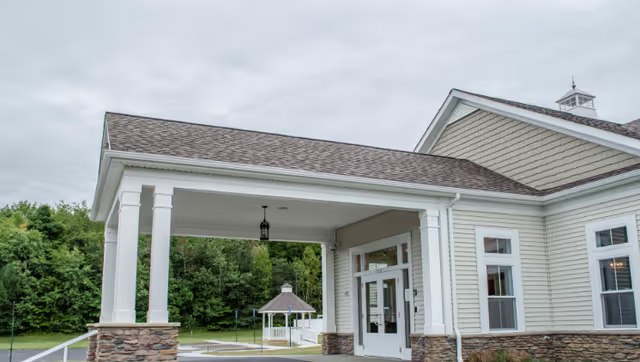
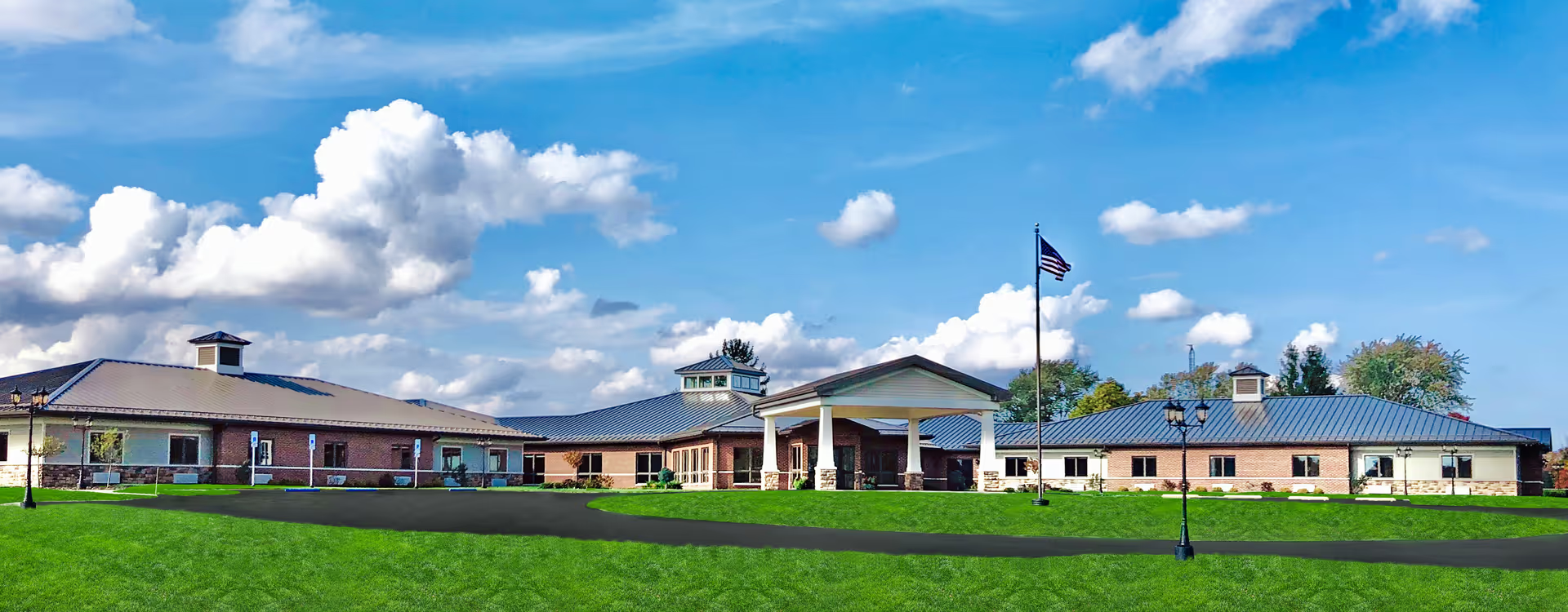
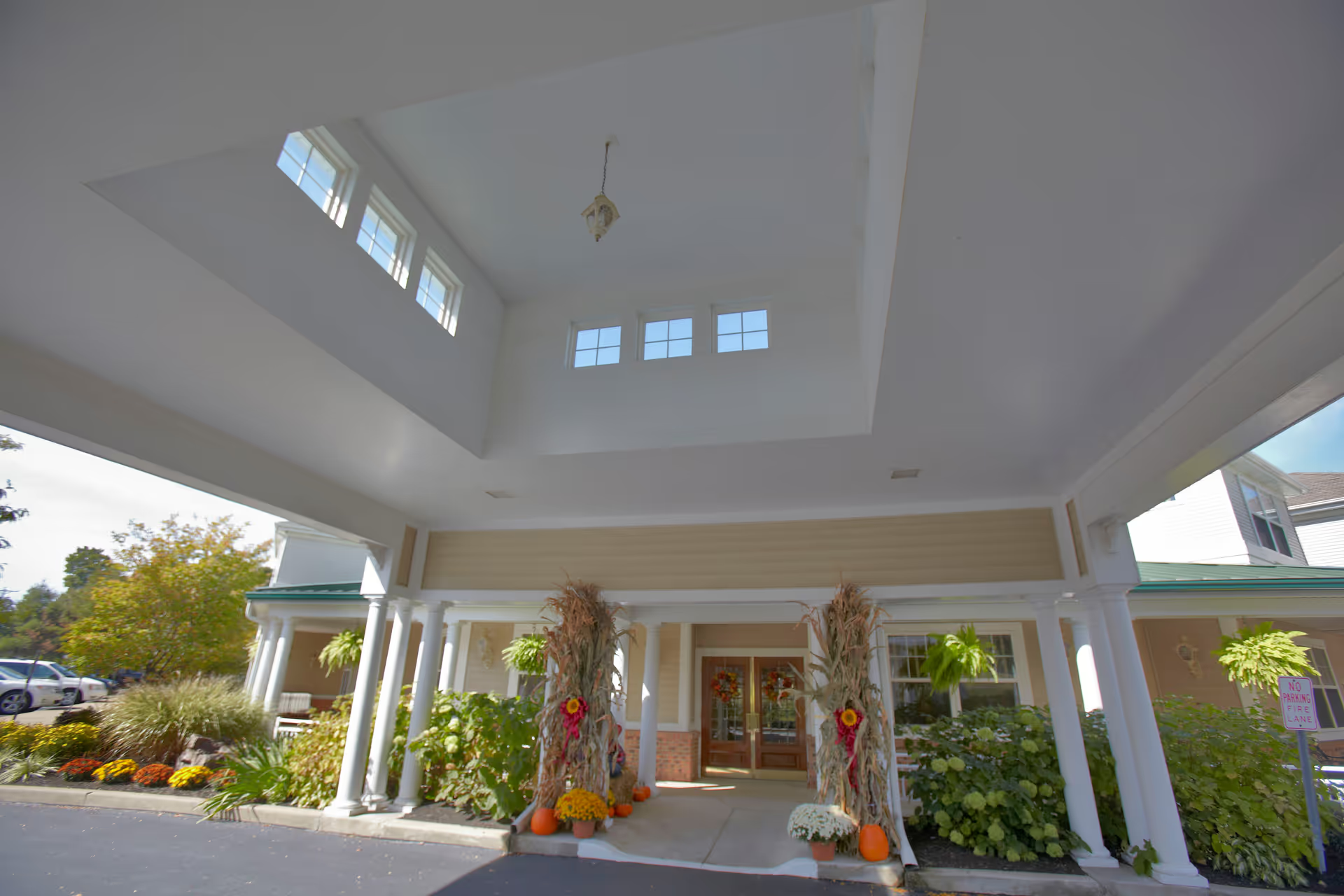
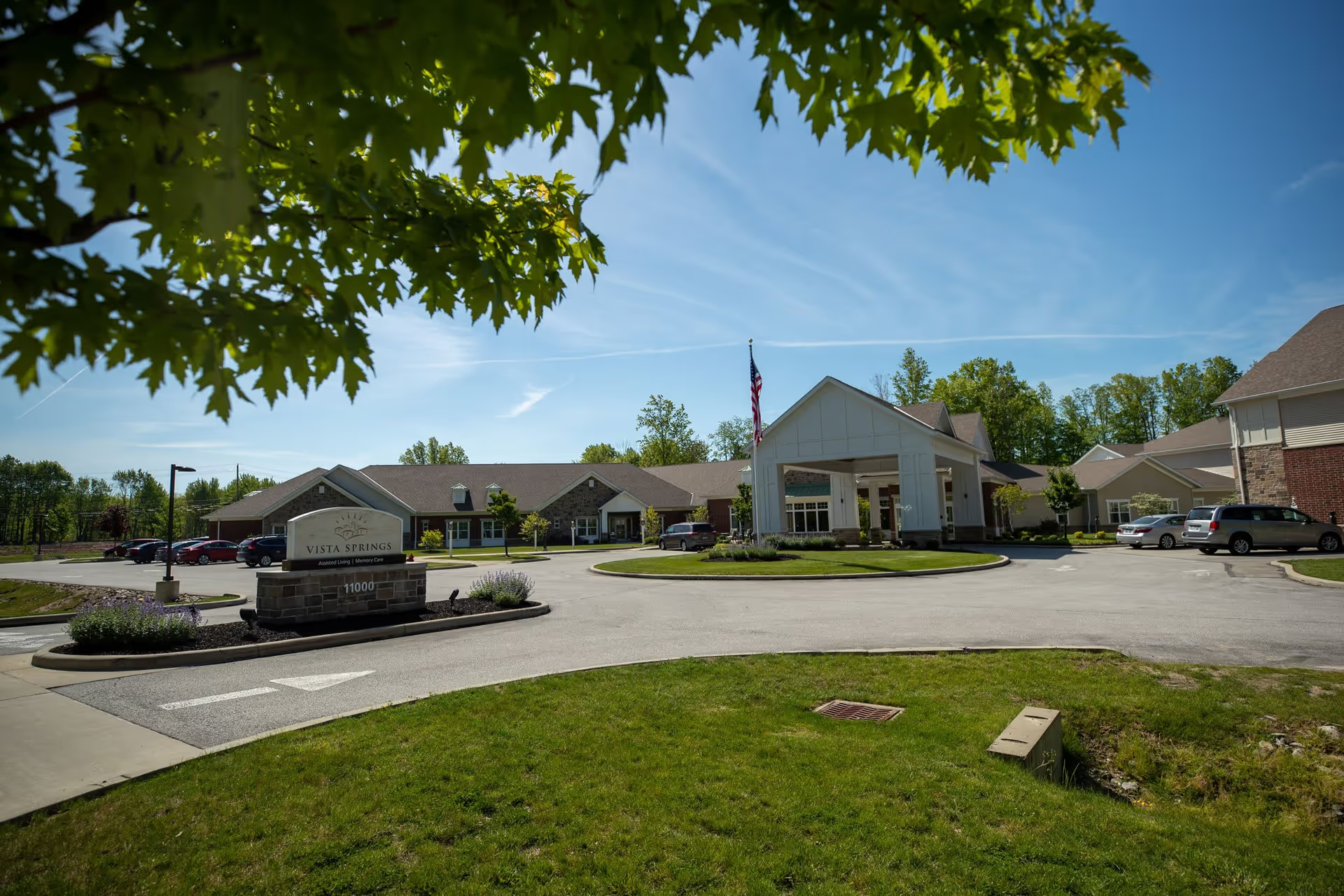
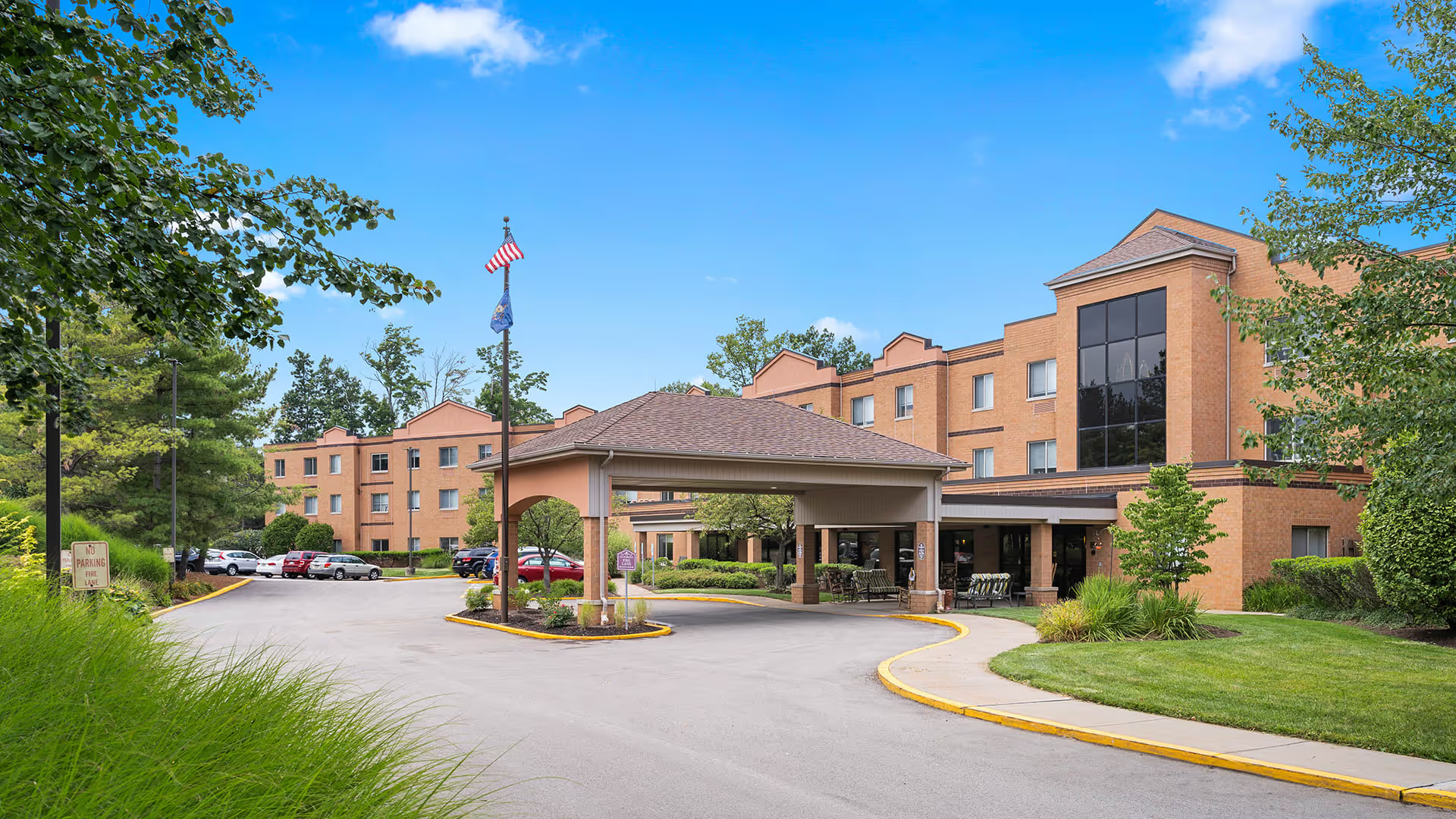
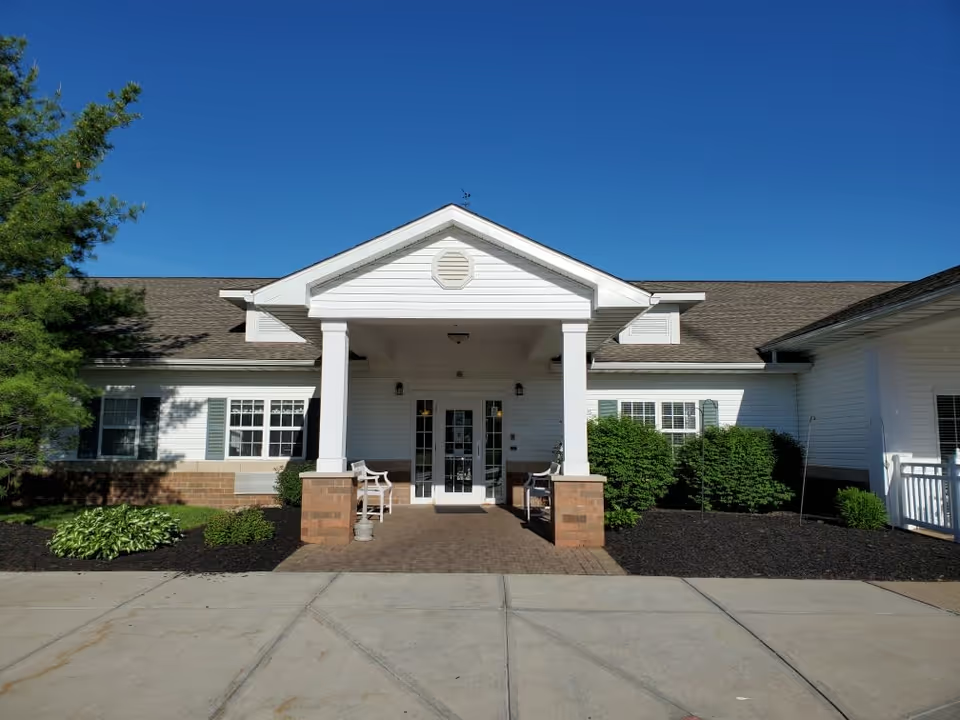
Facilities and environment: The building and grounds are frequently described as clean, quiet, and well-maintained. Maintenance responsiveness is a noted strength when issues arise. A few reviewers describe lapses in routine hygiene maintenance and bed changes, indicating inconsistency in housekeeping or incontinence-care processes rather than a universal problem. Location and general upkeep are seen as conveniences for families.
Management and operational patterns: Positive patterns include responsive maintenance, a collaborative team culture, and staff who go beyond basic expectations to personalize care. Operational weaknesses that recur across reviews include inconsistent call-bell response times, delays in medication delivery, and staff attention diverted to non-care tasks while on the unit. Memory-care staffing shortages and uneven volunteer support for activities also appear as recurring operational gaps. Together, these patterns suggest that the facility's strengths lie in staff commitment and the physical environment, while the primary areas for improvement are staffing consistency, timeliness of routine care processes, and reinforcement of communication and clinical protocols.
Bottom line: For prospective residents and families, the center offers many positive attributes—compassionate caregivers, rehabilitation services, a clean environment, and engaging social opportunities. Those considering placement should weigh these strengths against the reported variability in responsiveness, medication timeliness, and memory-care staffing. Asking management about current staffing levels in memory care, call response metrics, supervision and training procedures, and volunteer/activity plans may help clarify how the facility is addressing the recurring issues described in reviews.