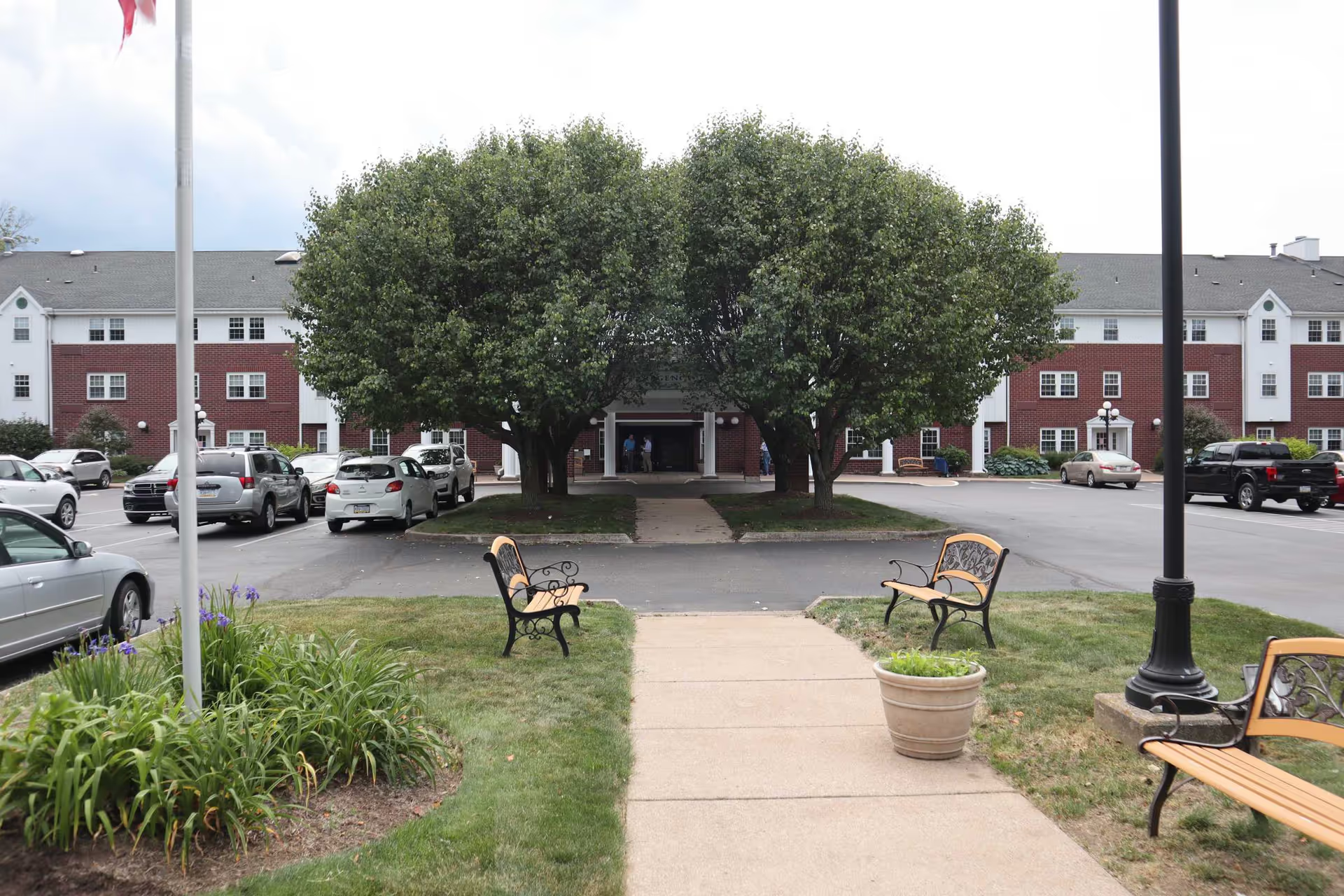
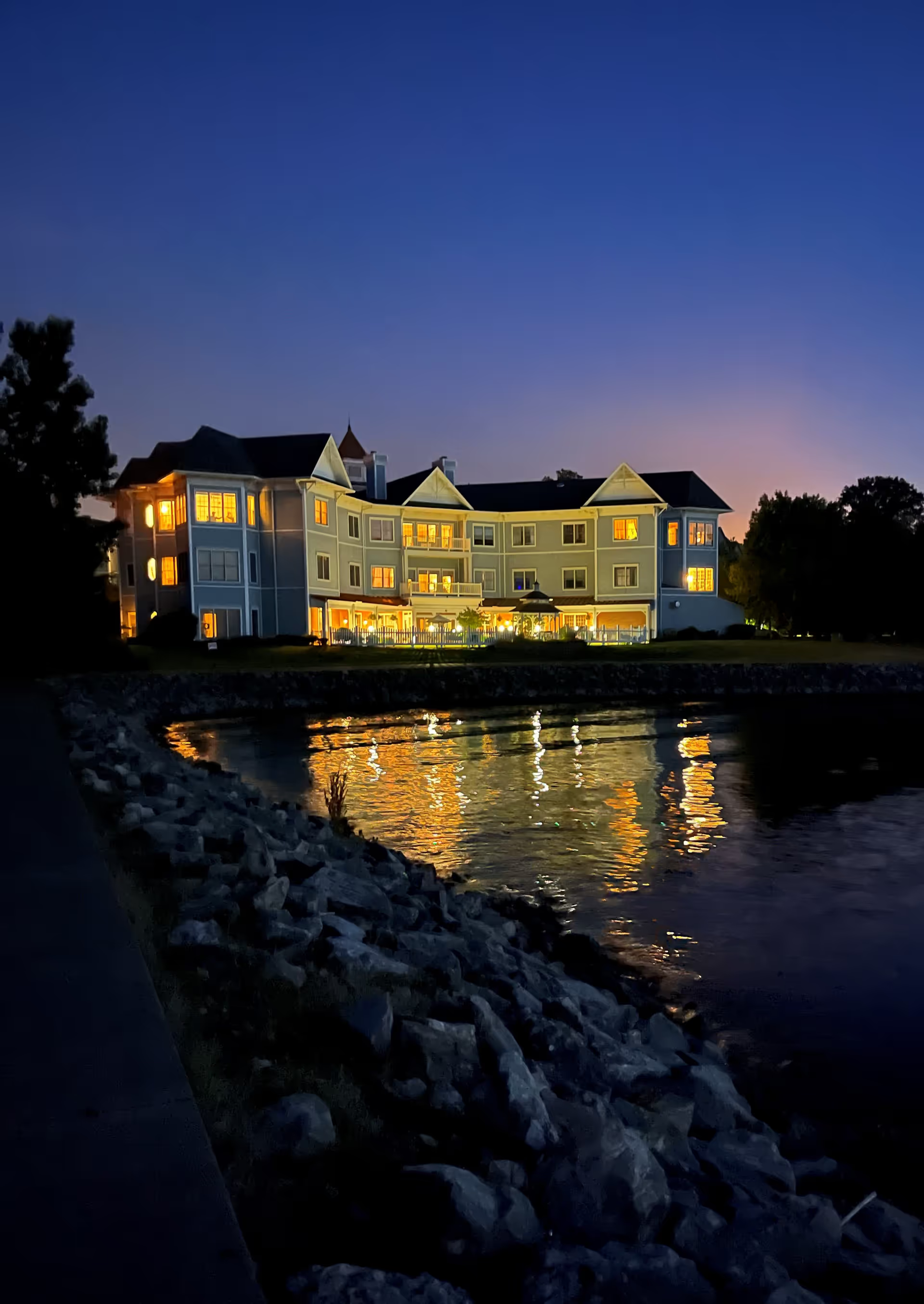
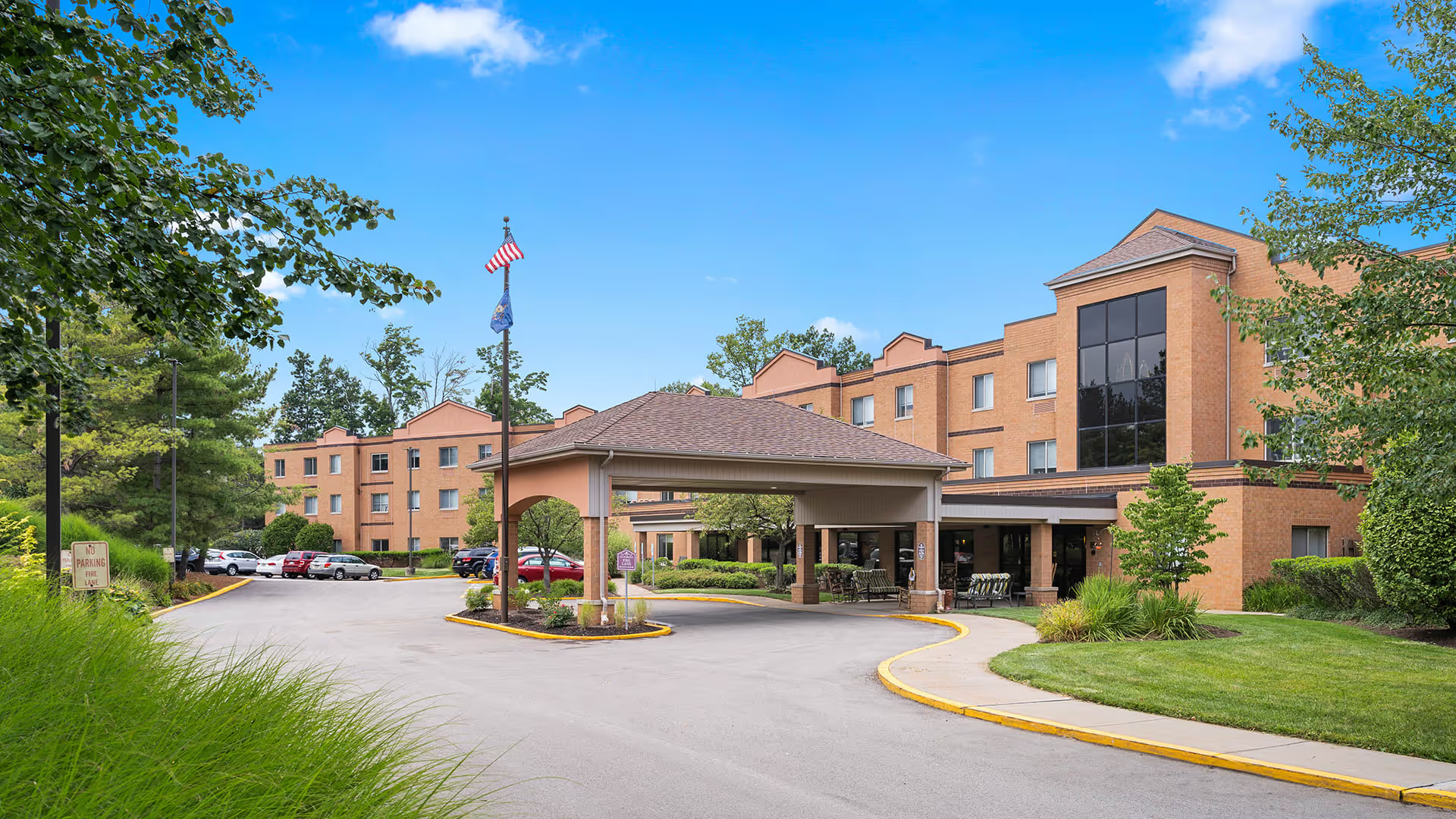
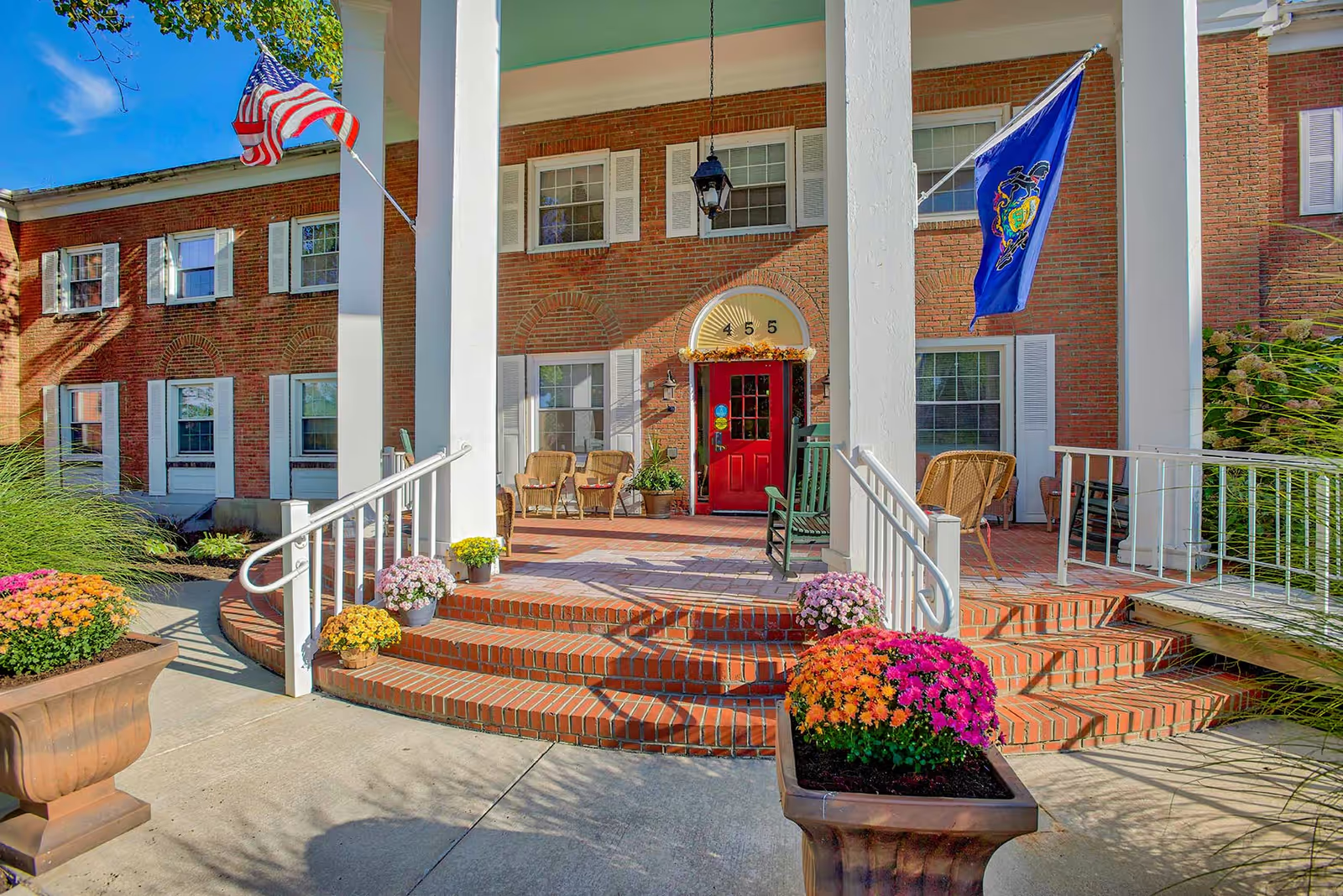
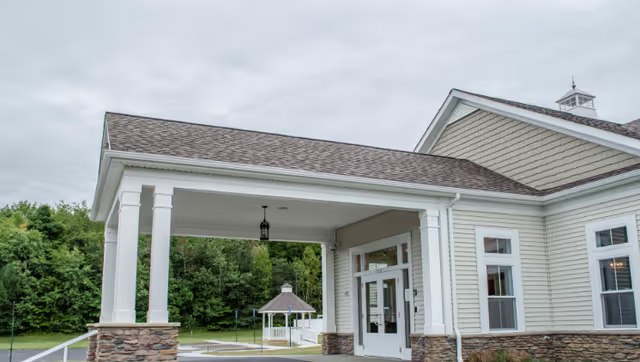
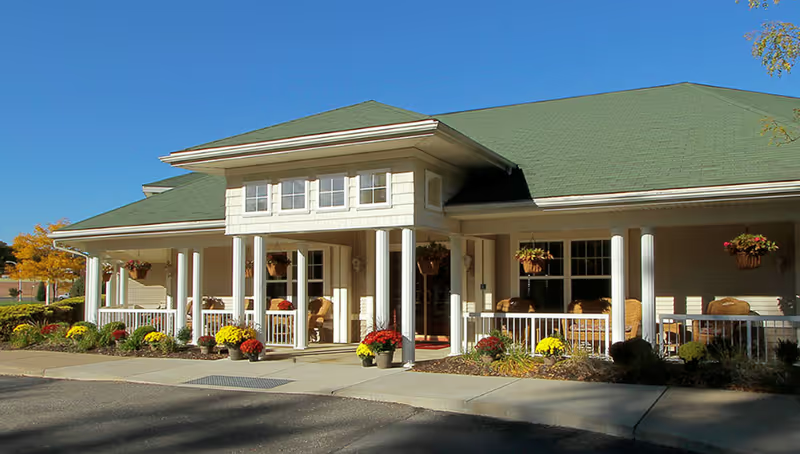
Westlake Woods presents a mixed but clear pattern: many reviewers praise the facility’s environment, meals, activities and hands-on staff, while a recurring set of operational issues tempers that positive picture. Strengths include a comfortable, well-decorated campus with spacious private rooms and an on-site continuum of care that can simplify transitions. Families and visitors frequently note friendly front-desk interactions, a proactive admissions team, responsive maintenance, and coordinated clinical communication with physicians and therapists. Dining and social programming are repeatedly highlighted — reviewers describe varied menus, high-quality meals, frequent outings, and an engaging activities calendar (including memory-focused activities and popular events such as bingo) that contribute to a strong sense of community.
Care quality assessments are polarized. Many accounts describe compassionate caregivers who go above and beyond routine duties, assist with errands and appointments, and create a familial atmosphere. At the same time, a persistent pattern of staffing instability emerges: high turnover, understaffing (including third-shift shortages), and unplanned absences are cited as contributors to delayed responses and inconsistent care. Several reviewers flagged the need for improved training and certification for aides and nursing staff, and identified gaps in supervision and conduct oversight that can affect resident comfort and safety. There are also notes about scheduling inconsistencies for personal-care tasks such as showers and laundry and variability in call-button responsiveness.
Operational weaknesses extend into facility-level practices. Some reviews describe sanitation and housekeeping inconsistencies in particular areas, and a few reviewers raised privacy concerns around in-room monitoring and policies. Memory-care capability appears uneven; while activities include memory-focused options, the facility may not be equipped to meet more advanced or specialized memory-care needs. Multiple reviewers expressed a perception that corporate support or management communication could be stronger — concerns about pay, staffing policy, and administrative responsiveness were linked to the staffing and training issues noted above.
For prospective residents and families, the facility offers clear advantages in atmosphere, dining, social programming, maintenance responsiveness, and on-campus continuity of services. Those considering placement should balance those strengths against the operational patterns identified: ask specific questions about current staffing ratios (day and night), staff turnover rates and training/certification standards, contingency plans for unplanned absences, protocols for call-button response times, scheduling processes for personal care tasks, sanitation/housekeeping audits, memory-care capability and criteria, and the facility’s policies on in-room monitoring and privacy. These targeted inquiries will help determine whether the facility’s positive everyday experience aligns with the level and consistency of care an individual resident requires.