Parkside Regency at South Shore is described overall as a clean, well-appointed independent living community with a strong emphasis on resident activities and a family-like atmosphere. Families consistently praise the day-to-day staff for being compassionate, responsive, and attentive; housekeeping and maintenance are frequently singled out as thorough, and many residents live in spacious apartments with full or partial kitchens and good storage. The property offers a broad range of amenities — atriums and open gathering areas, a movie room, gym, library, beauty shop, and regular transportation — and a full slate of social programming including bingo, happy hours, birthday celebrations, lectures, and offsite lunches and outings.
Dining and onsite services receive mixed but generally positive feedback. Several accounts highlight fresh fruit, desserts, and appealing meal options, while others describe variability in meal quality and occasional lapses in adherence to dietary restrictions. On-site conveniences such as beautician services, routine preventive maintenance, and emergency pull-cord systems contribute to resident comfort and perceived safety; some reviews also reference 24-hour nursing availability in certain contexts.
Care quality and clinical coordination emerge as key areas where experiences diverge. While many families commend individual caregivers and cite improvements under engaged leadership — with particular praise for the general manager and director of nursing — reviewers also describe inconsistent staffing levels, high turnover, and variability in caregiver responsiveness. These operational shortcomings have been linked by some families to care coordination challenges when residents need transition to higher levels of care. In a few instances families expressed concerns following a medical emergency and about how clinical incidents and communications were handled, indicating the need for clearer processes and communication protocols around serious events.
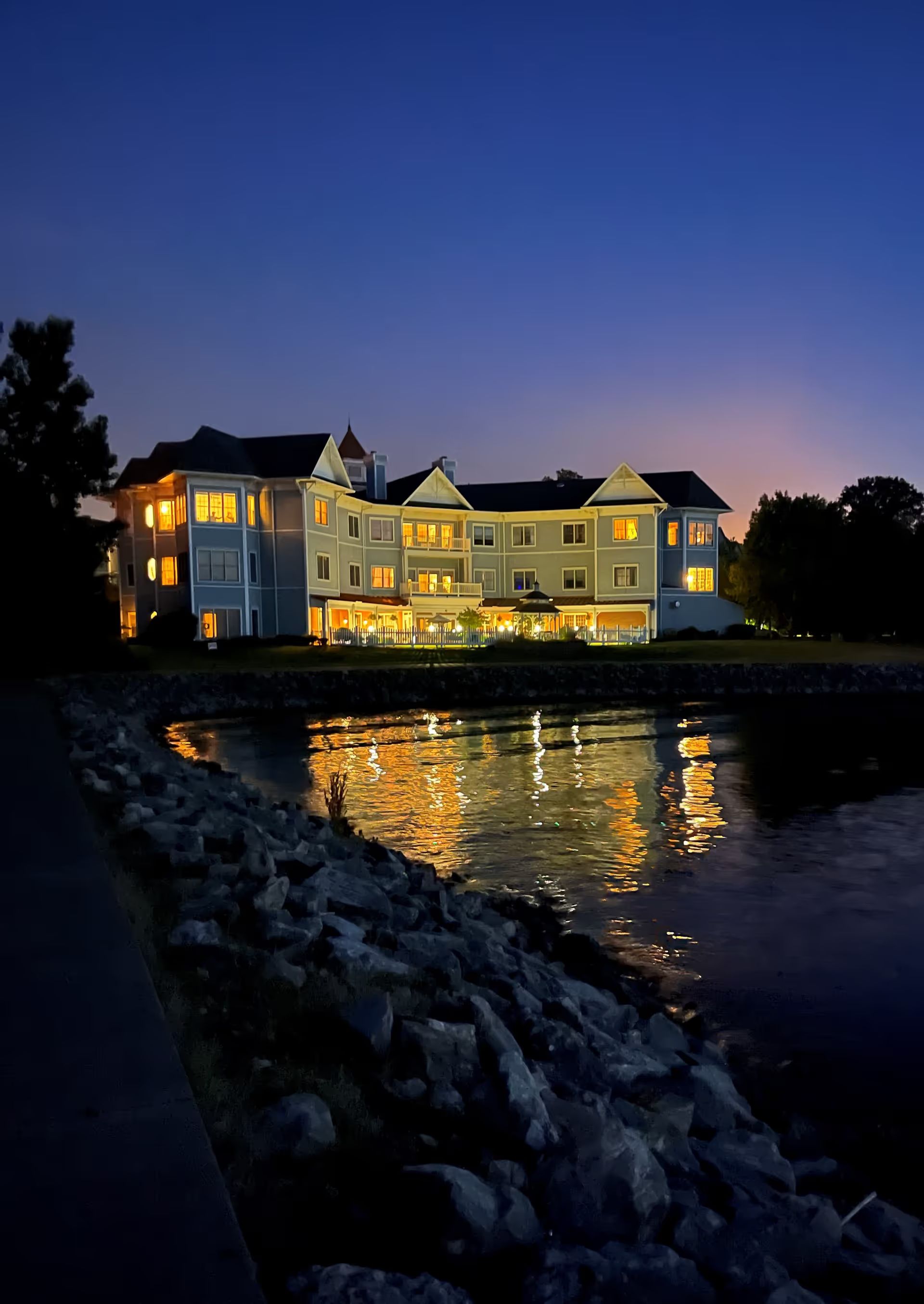
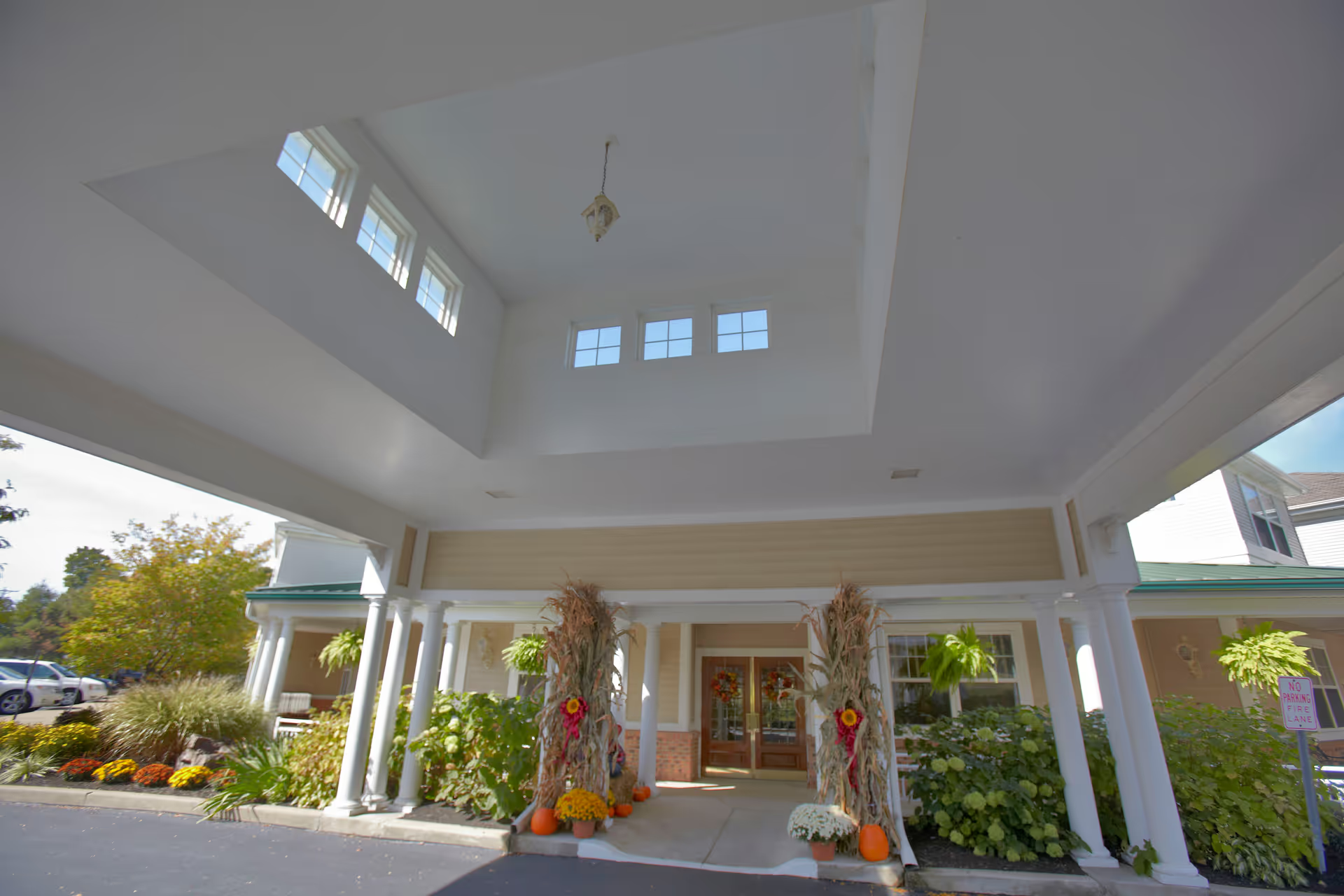
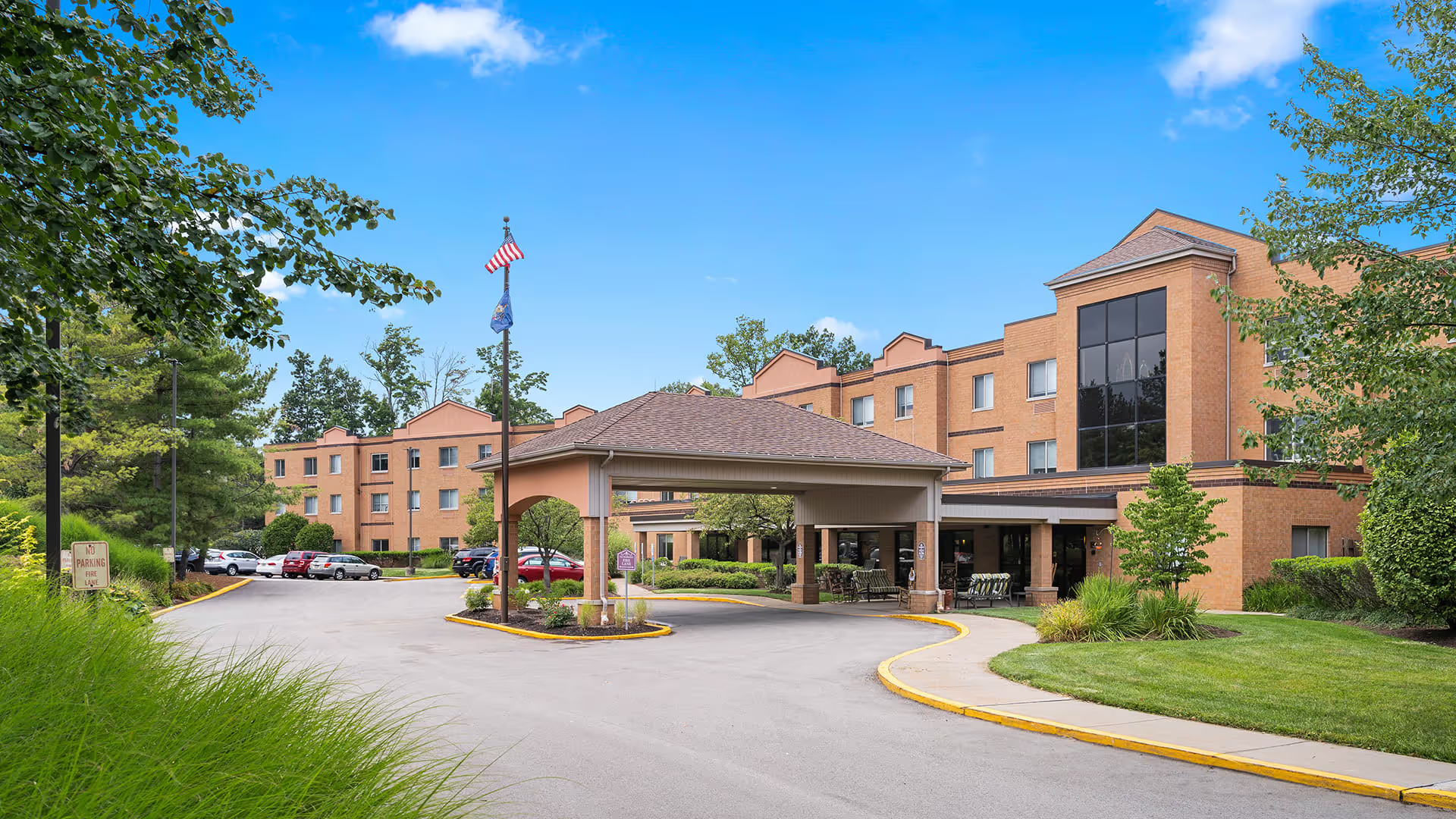
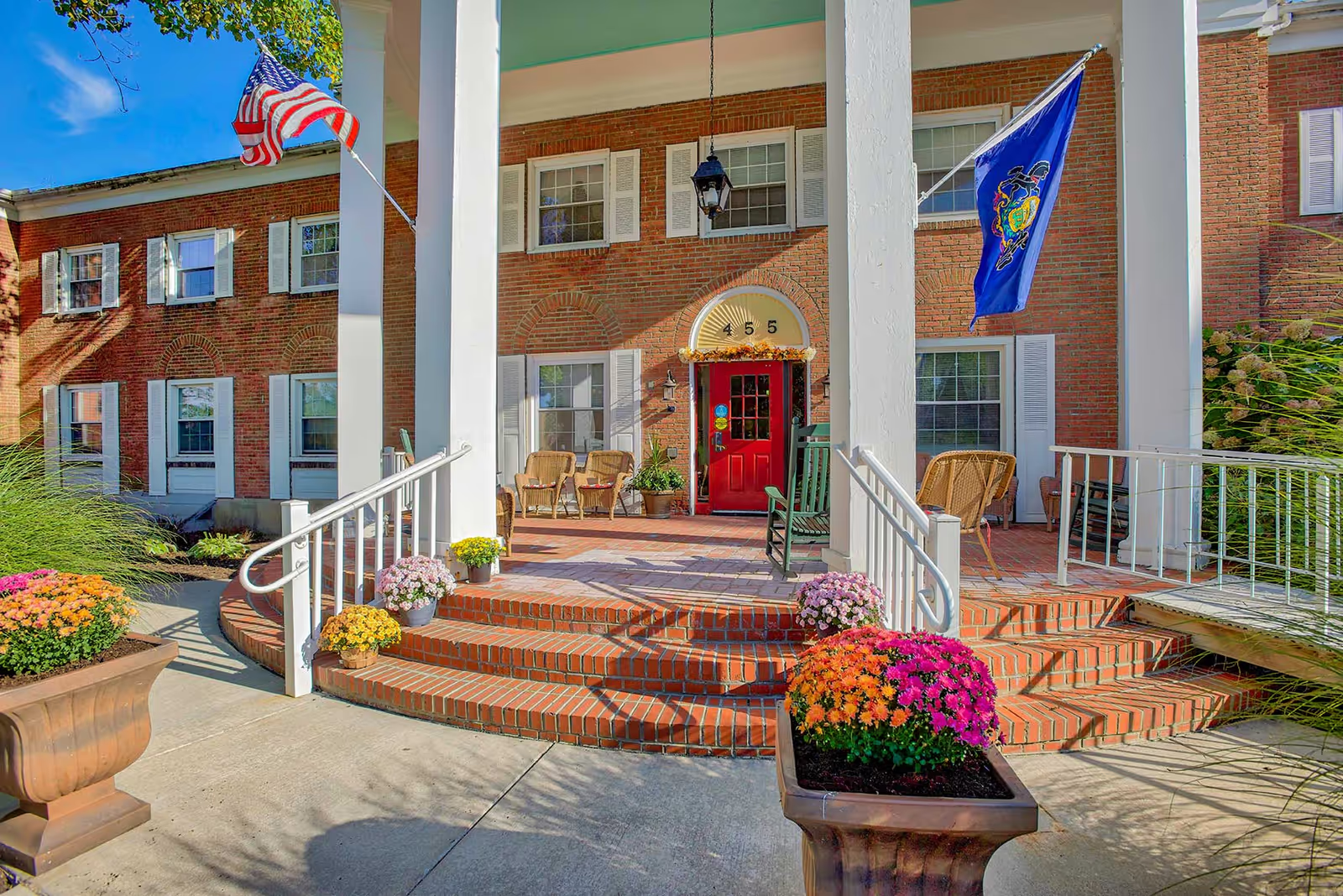
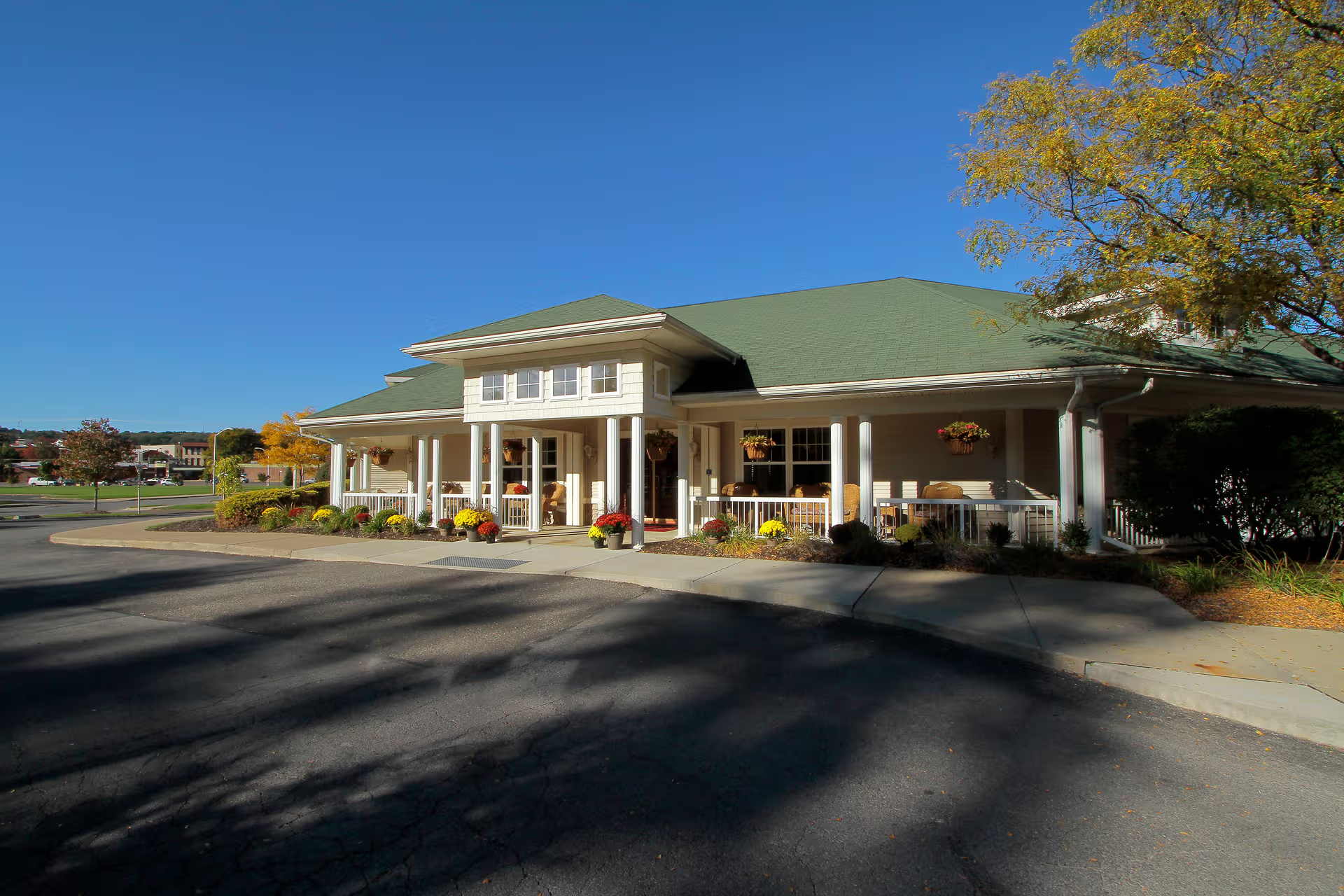
Facility condition and management impressions are similarly mixed. The community is frequently described as elegant, well-decorated, and hotel-like, with attractive grounds and active programming. At the same time, some areas are characterized as dated (notably some kitchens and building infrastructure), and there are reports of unreliable elevator performance. Management responsiveness is generally viewed positively — several families note timely responses and constructive follow-up — but there are isolated comments about staff conduct and recognition of volunteers that suggest room for cultural refinement.
Notable patterns for prospective residents and families: this community appears well suited to older adults seeking an active independent-living environment with robust social programming and accessible onsite services. Those who prioritize consistent, continuous skilled nursing or smooth transitions to higher-level care should ask targeted questions about staffing stability, care-coordination protocols, and contingency planning. Before committing, visitors should tour living units and common areas, inquire about current staffing ratios and turnover, request details on dietary accommodation processes, and clarify how the community manages transfers to higher-acuity settings and communication during medical events.