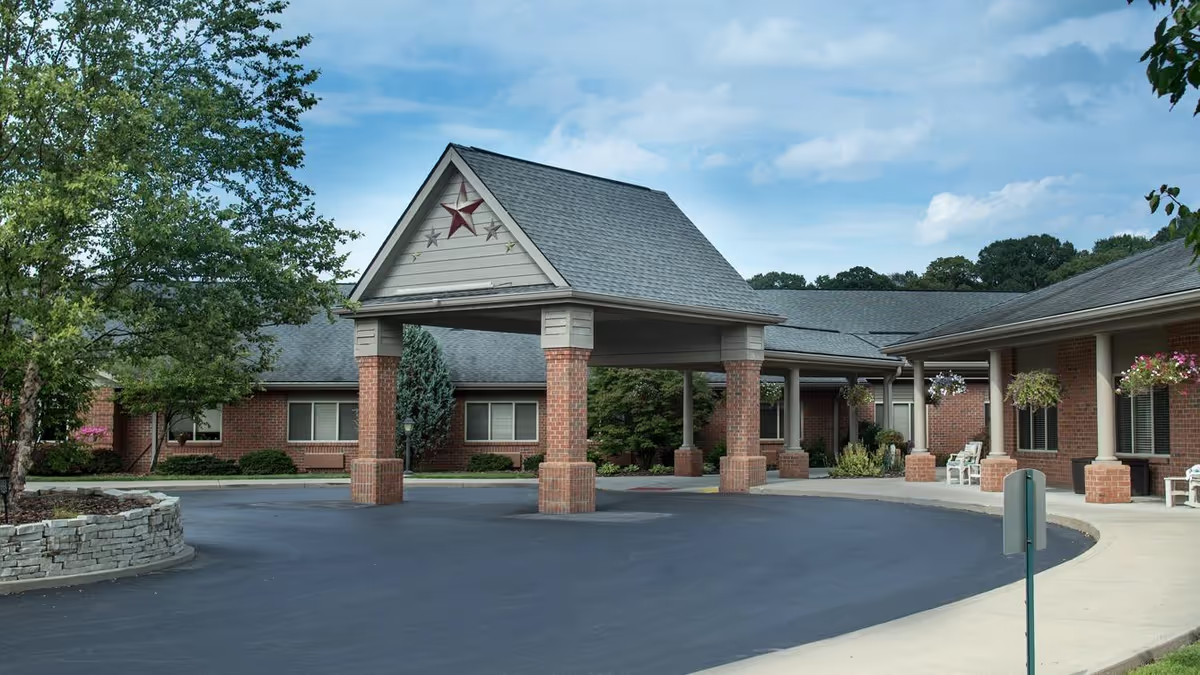
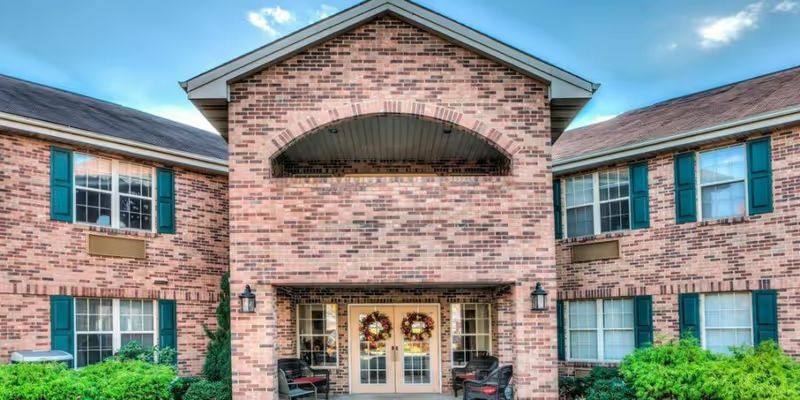
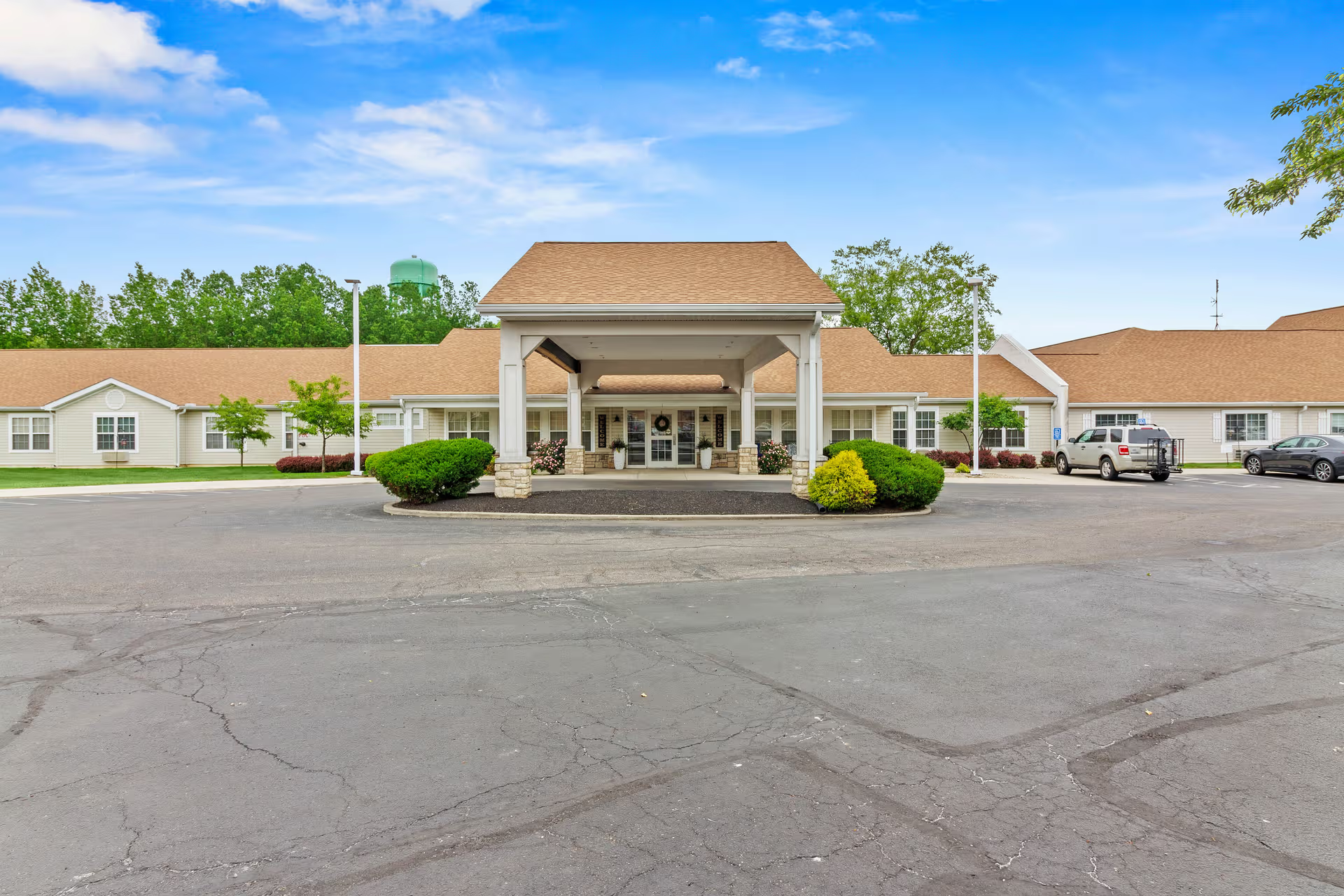
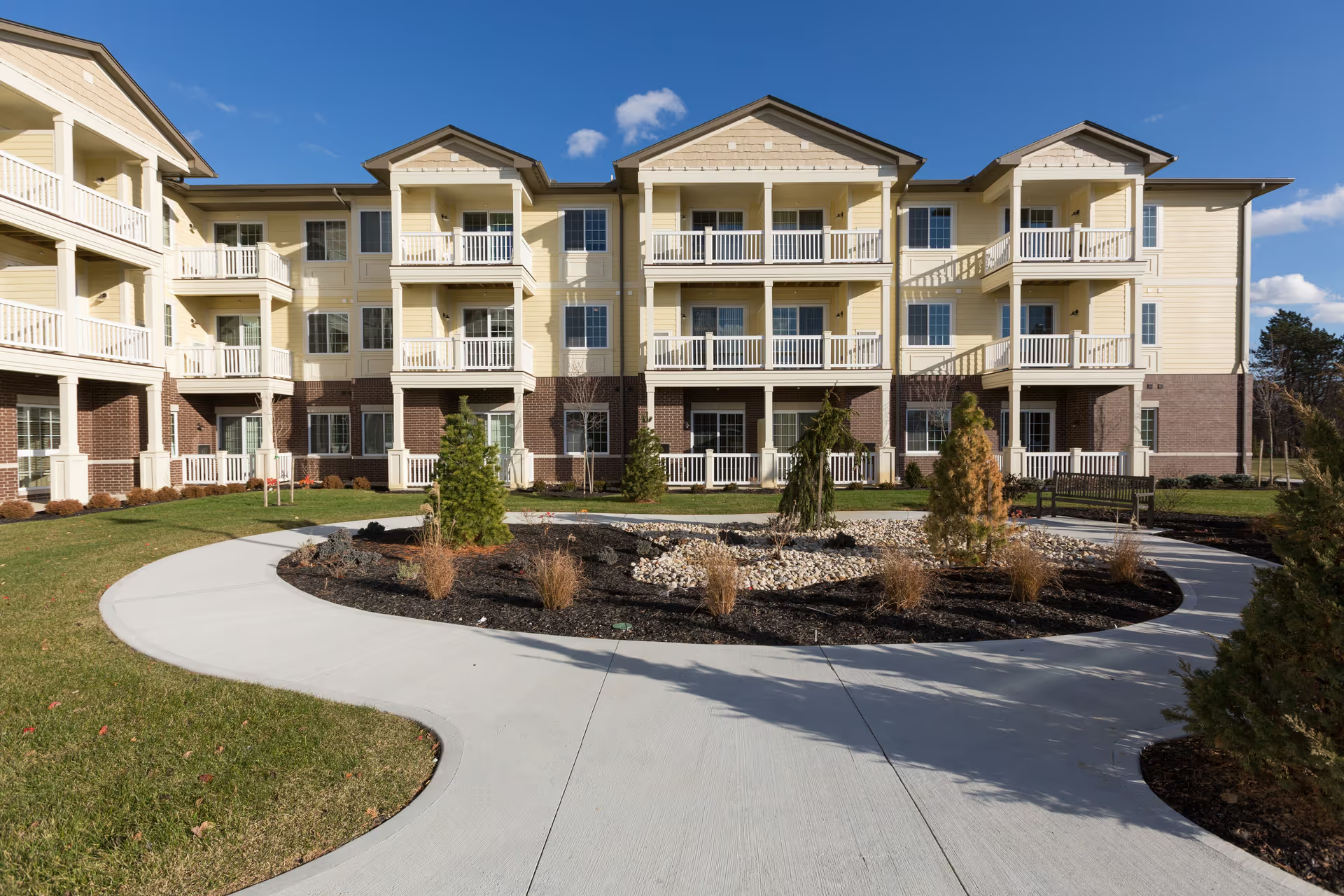
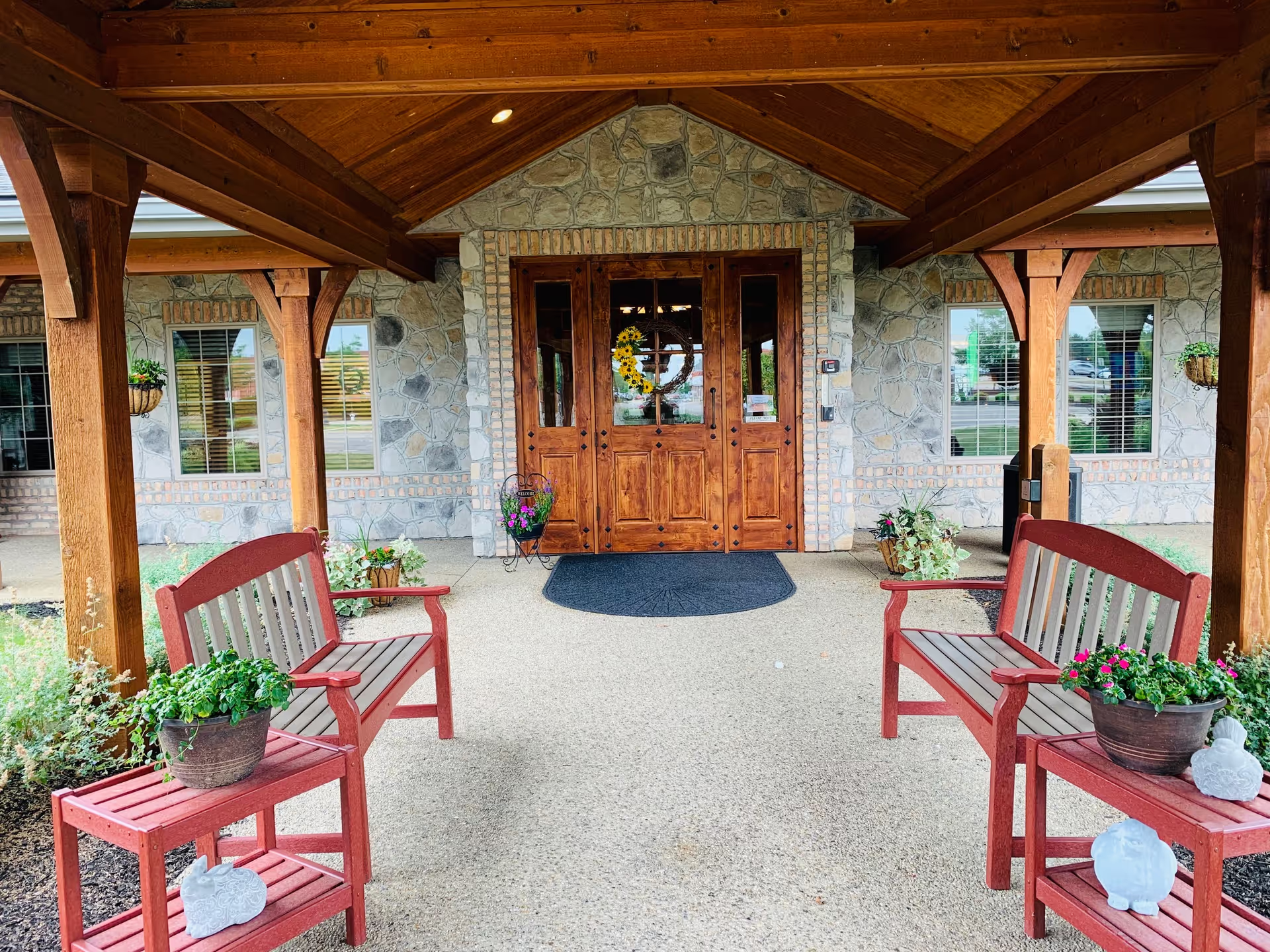
Overall impression: Primrose Retirement Community of Lancaster is described as an attractively appointed, amenity-rich community with a strong emphasis on social opportunities and a homelike atmosphere. The campus features spacious apartments (often with full kitchens), multiple dining venues, an on-site ice cream parlor and pub, a movie theater, fitness and spa facilities, salon/barber services, chapel space, and numerous common areas that reviewers identify as clean and well maintained. These physical attributes and the breadth of amenities support an active lifestyle for residents who can access them.
Care and staff: Many accounts highlight compassionate, knowledgeable staff—particularly in memory-care areas—where families cite attentive caregivers and programs tailored to cognitive needs. Specific staff members were named positively for individualized attention, and end-of-life support was described as comforting in at least one instance. At the same time, reviewers describe operational challenges: perceptions of understaffing, staff workload strain, occasional slow response times, and episodes of leadership turnover. These operational traits appear to produce variability in day-to-day responsiveness and in the consistency of care and management continuity.
Dining and activities: Dining quality receives frequent praise; meals are often characterized as excellent, and the facility offers multiple dining rooms, flexible meal options, and room service possibilities. The community also offers a wide range of activities—exercise classes, movie nights, social games, religious services, and special venues such as a pub and ice cream parlor—that support social engagement. However, there are contrasting accounts that describe limited programming in some contexts (e.g., largely television- or bingo-focused offerings), suggesting uneven activity engagement across resident groups or units.
Facilities and access: The physical plant is commonly described as clean, well-lit, and attractively furnished, with outdoor space and wildlife noted positively. Apartments tend to be spacious, and weekly housekeeping and laundry are included in some arrangements. At the same time, mobility and access limitations are mentioned: some residents with reduced mobility may find it difficult to make full use of all on-site amenities, and physical navigation in certain areas can be a concern for those with gait or transfer needs.
Management, costs, and operational patterns: Cost is a recurrent theme. Reviewers consistently note that fees are high relative to many alternatives; there are also concerns about additional monthly service charges, fees for unused services, and occasional unexpected transport or ambulance-related costs. Financial transparency and billing practices are therefore areas families should review closely. Other operational patterns raised include transportation and hospital-transfer coordination issues, telehealth/virtual-nurse accessibility gaps, and an isolated allegation concerning personal-item security. Together these items point to the need for prospective families to clarify policies on billing, transportation, personal-property safeguards, staffing ratios, and the specific activity schedule for the unit under consideration.
Bottom line: Primrose presents as a well-appointed community with strong social programming and generally positive dining and memory-care experiences. The principal trade-offs are cost and occasional operational variability—staffing levels, responsiveness, management turnover, and accessibility for mobility-limited residents. Prospective residents and families would benefit from targeted questions on current staffing ratios, billing and extra-fee policies, transportation procedures, security measures for personal items, and a unit-specific activity calendar to ensure the community is a practical and financial fit.