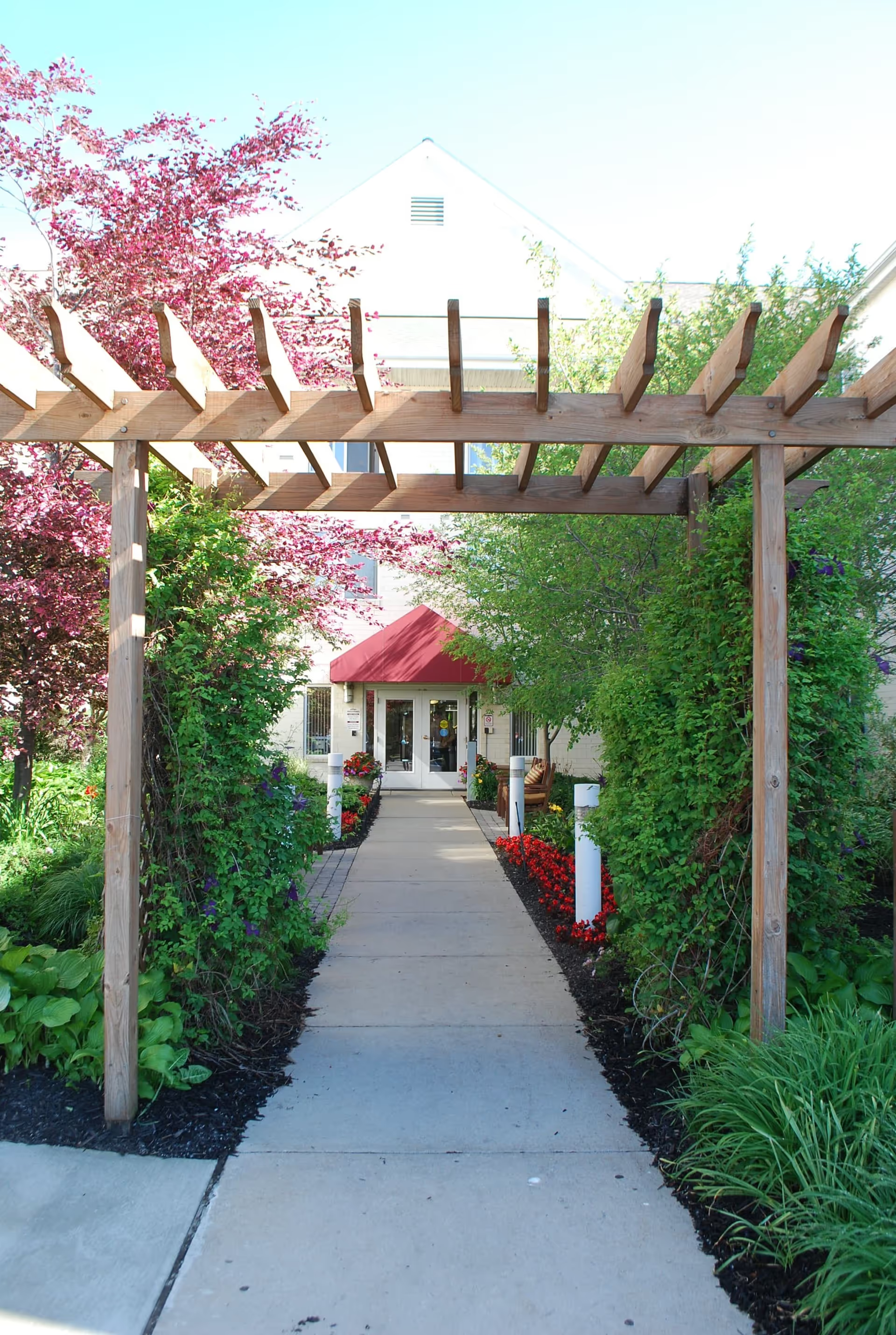
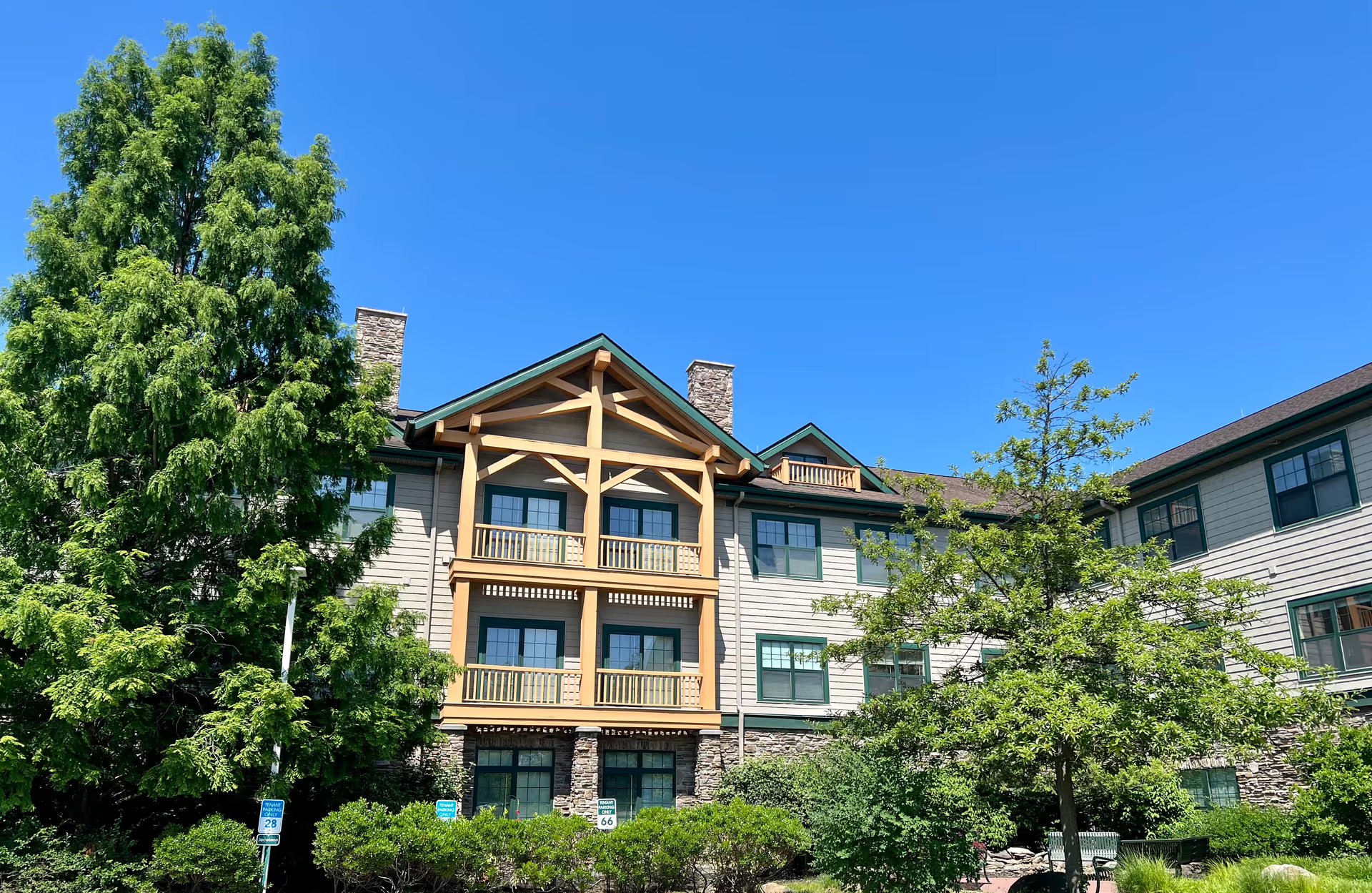
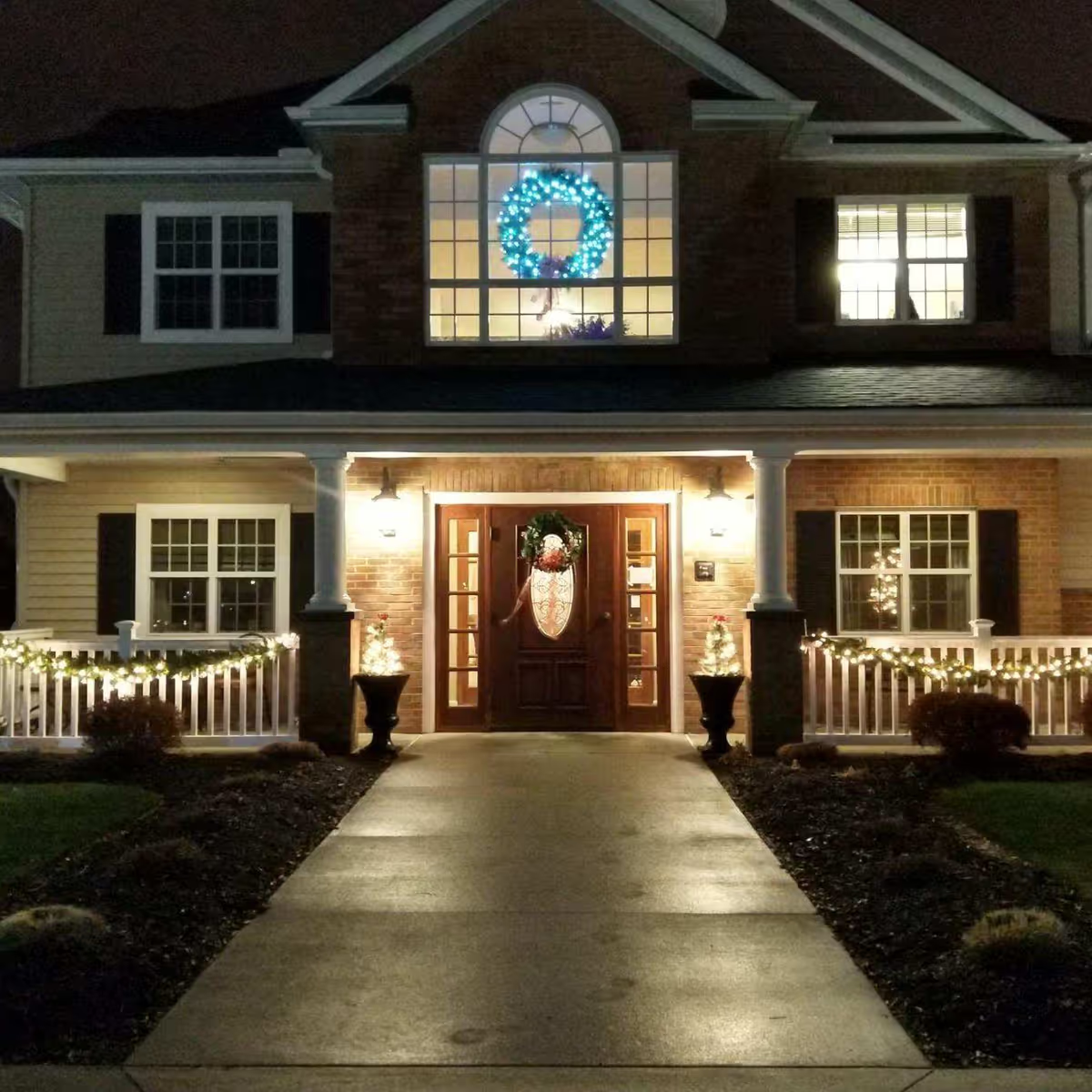
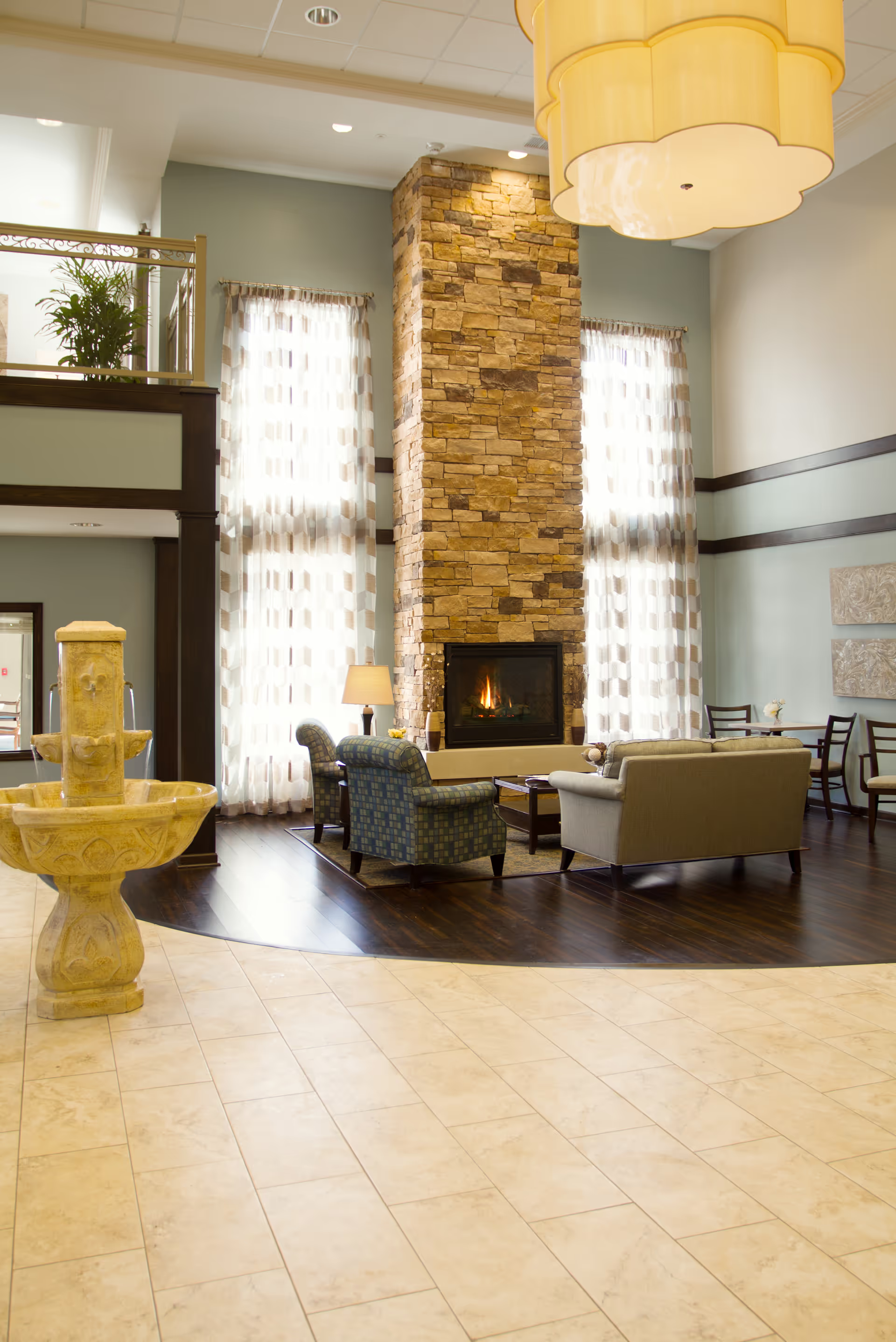
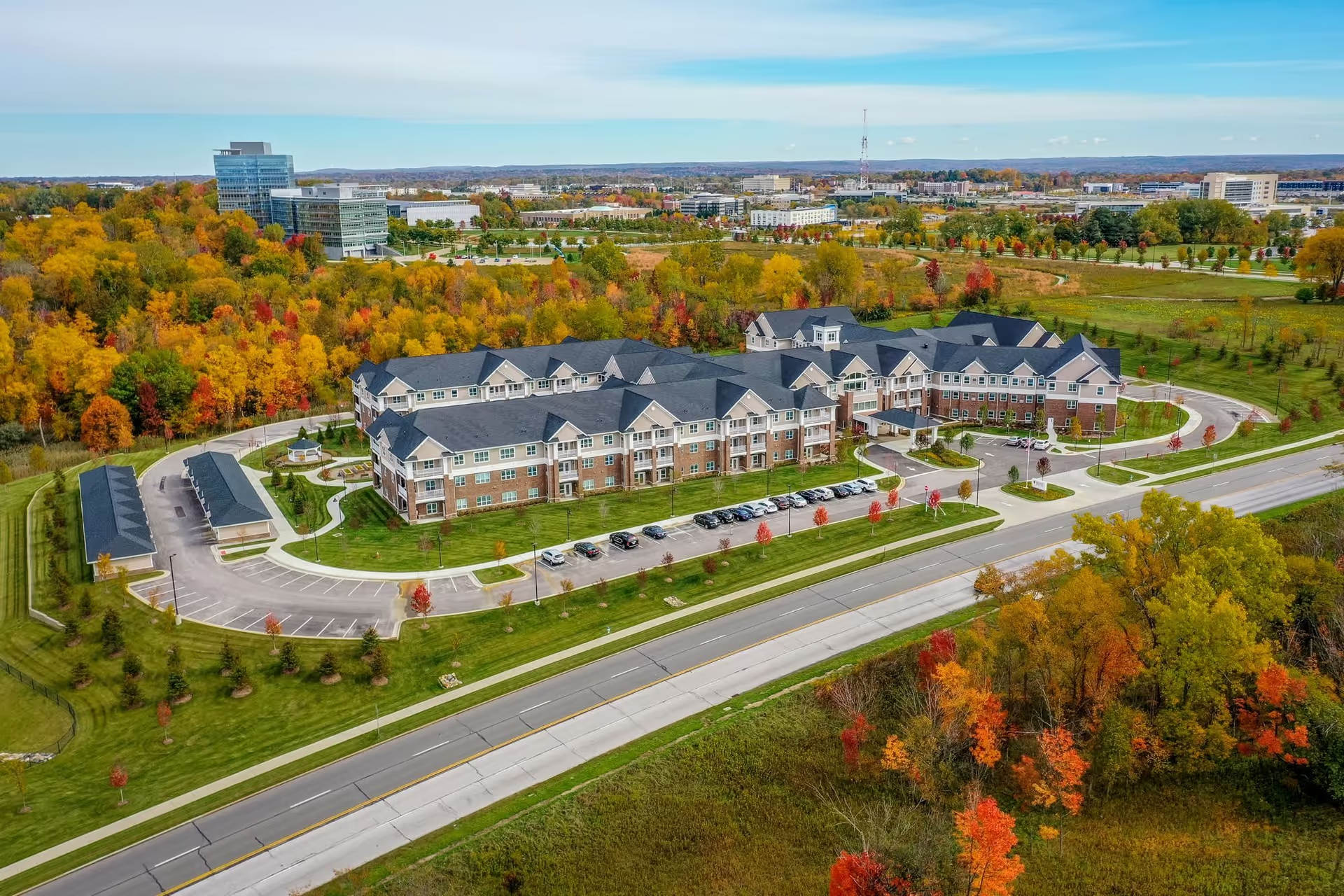
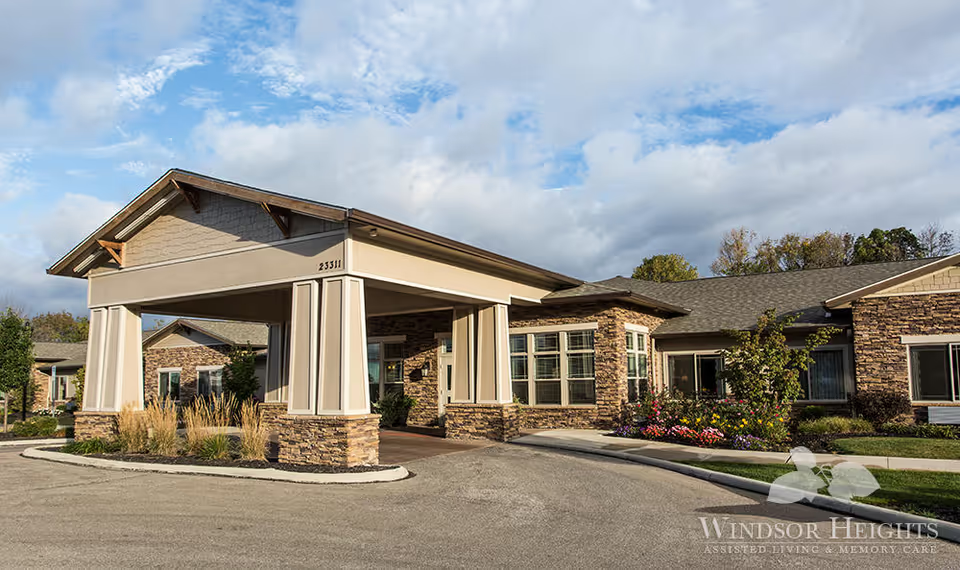
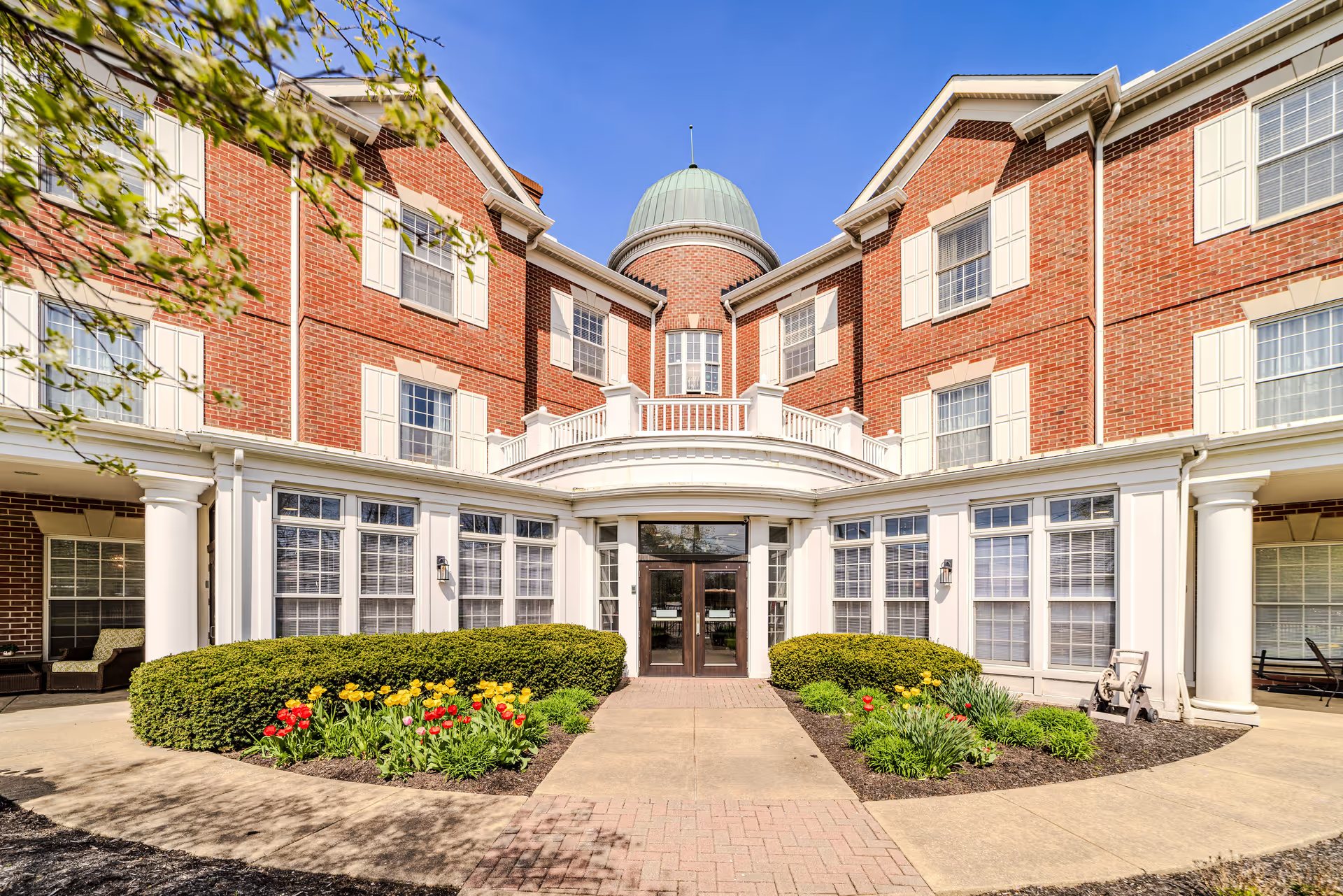
The reviews for Avenue at Lyndhurst Care and Rehabilitation Center describe a facility with a striking contrast between its physical environment and some aspects of its operational performance. The campus and interiors are consistently described as new, attractive, and well maintained; many families praise the hotel-like ambiance, landscaped grounds, and in-room amenities. The facility’s rehabilitation services are a frequent strength: several families credit the therapy teams (physical, occupational and speech) with strong clinical results that helped residents return home and continue outpatient therapy.
Clinical care experiences are highly variable. Positive accounts highlight compassionate nurses, attentive aides, and unit managers who respond to family concerns. However, a recurring pattern across reviews points to systemic staffing shortfalls, especially on night and weekend shifts, which reviewers tie to long waits for assistance, inconsistent nurse presence, and delays in addressing time-sensitive needs. Reviewers also raise operational concerns about medication administration, delayed transports to higher levels of care, and gaps in fall-prevention and transfer-safety practices. A small number of serious incidents were described, including prolonged delays in emergency response and concerns following a resident’s death; these indicate areas where clinical-incident response and escalation protocols merit close scrutiny.
Housekeeping and sanitation receive mixed assessments. Many reviews praise day-to-day cleanliness and the absence of institutional odors in public spaces, while other accounts document sanitation concerns and inconsistent incontinence-care practices in specific units or shifts. Laundry and personal-property management are additional areas of inconsistency: families report both efficient laundry services and repeated problems with unlabeled or missing clothing and limited accountability for personal items.
Dining and activities are similarly mixed. Some residents and families report satisfactory meals and a pleasant dining experience, whereas others note meals served cold or delivered late and overall inconsistent food quality. Activity programming is described as engaging for ambulatory residents, with an active recreation department noted by name in multiple comments, but reviewers also report limited programming for less-mobile or higher-dependency residents.
Management and communication show examples of responsiveness alongside reports of uneven follow-through. Several reviewers commend specific administrators, unit managers and admissions staff for clear communication and rapid problem resolution. Conversely, other accounts describe poor communication about care plans and discharge, inconsistent enforcement of policies, and perceptions that operational priorities sometimes emphasize financial considerations over sustained clinical oversight. There are also isolated allegations of theft and concerns about accountability for personal property and incident investigation.
Bottom line: Avenue at Lyndhurst offers a high-quality physical environment and strong rehabilitation programming, and families seeking short-term rehab may find very effective therapy and supportive staff. At the same time, persistent themes—chronic understaffing on off shifts, delayed responses to resident needs, variable sanitation and laundry processes, medication- and transport-related concerns, and uneven managerial follow-through—suggest operational risks for residents with higher medical dependency. Prospective residents and families should weigh the facility’s therapy strengths and physical setting against these operational patterns, ask detailed questions about staffing ratios and after-hours coverage, review transfer/incident protocols, and, where possible, get current references from recent families whose care needs closely match their own.