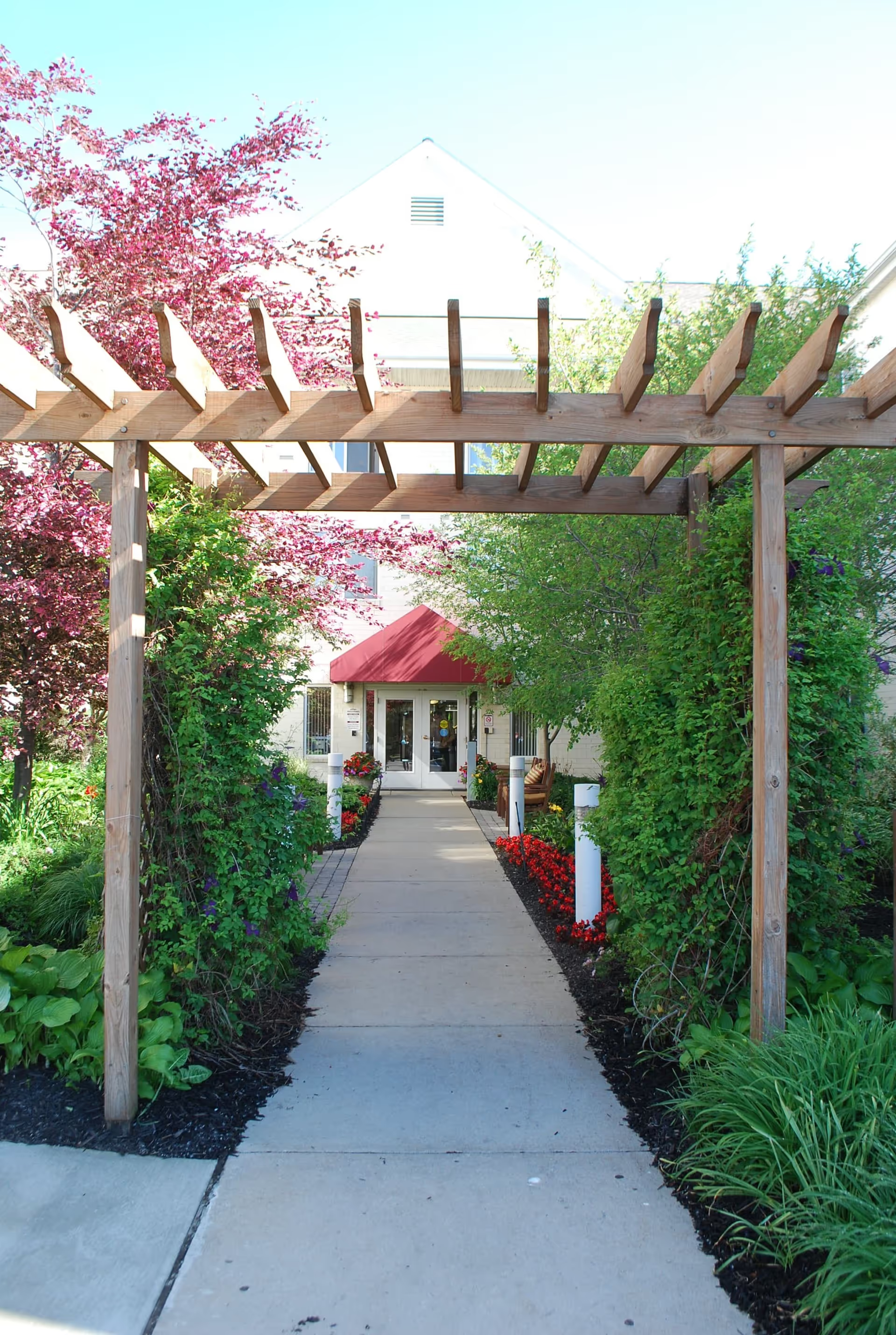
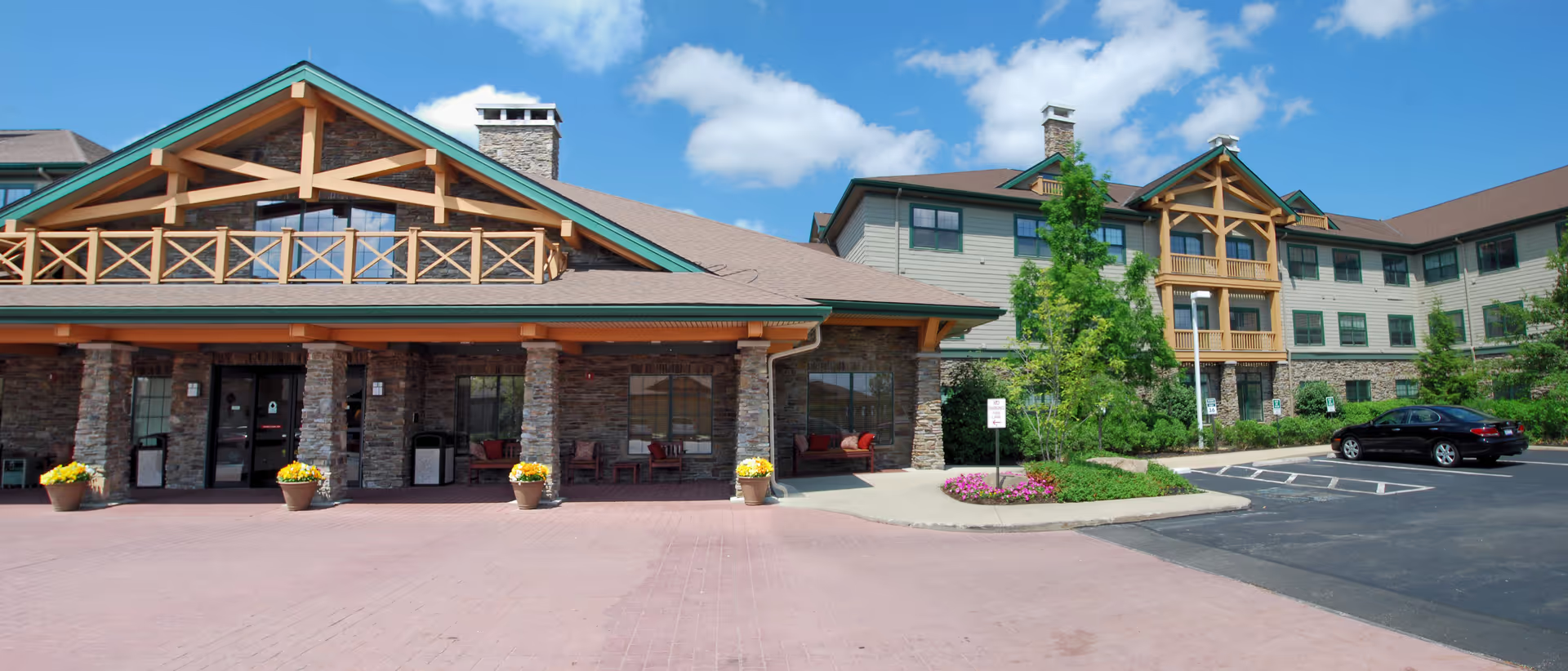
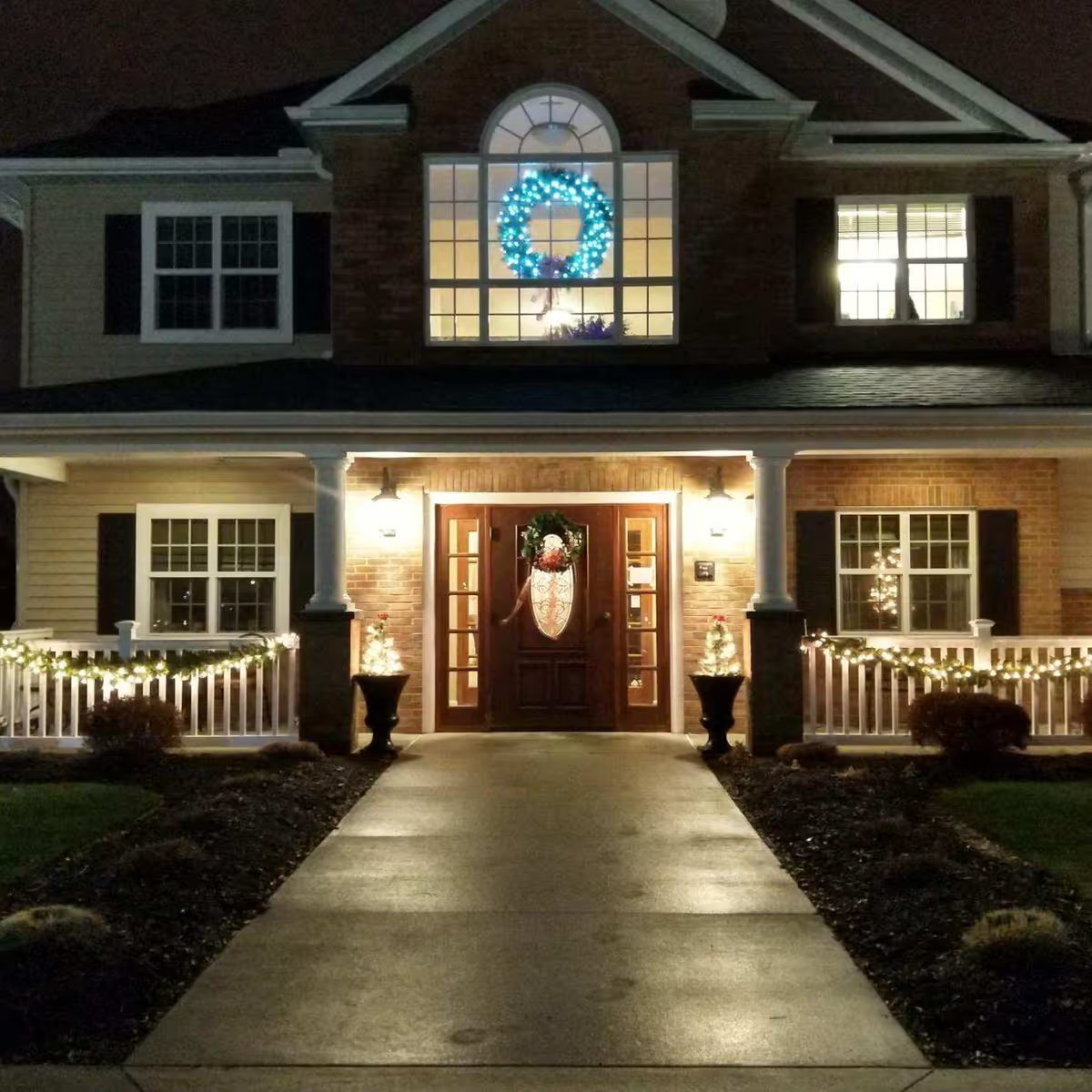
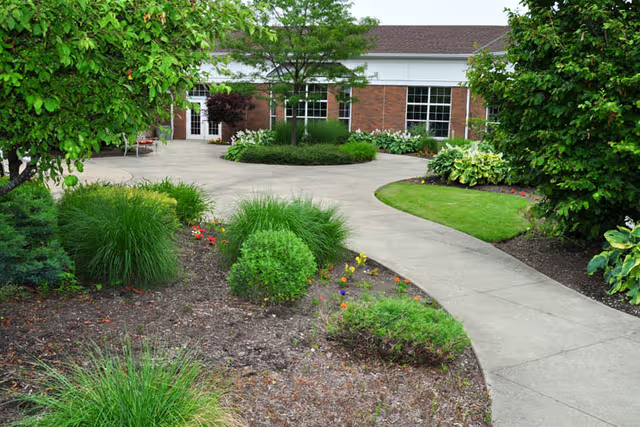
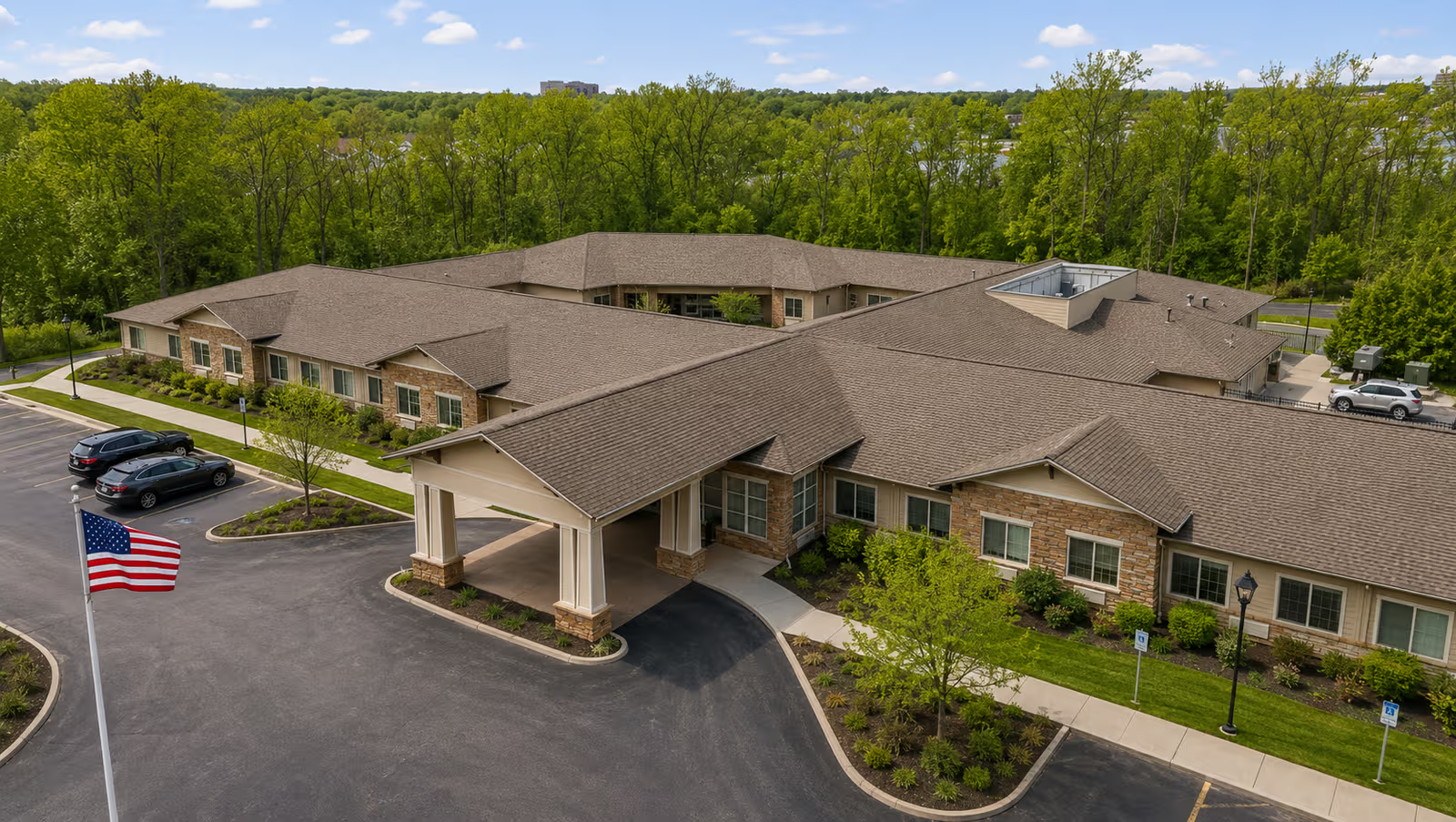
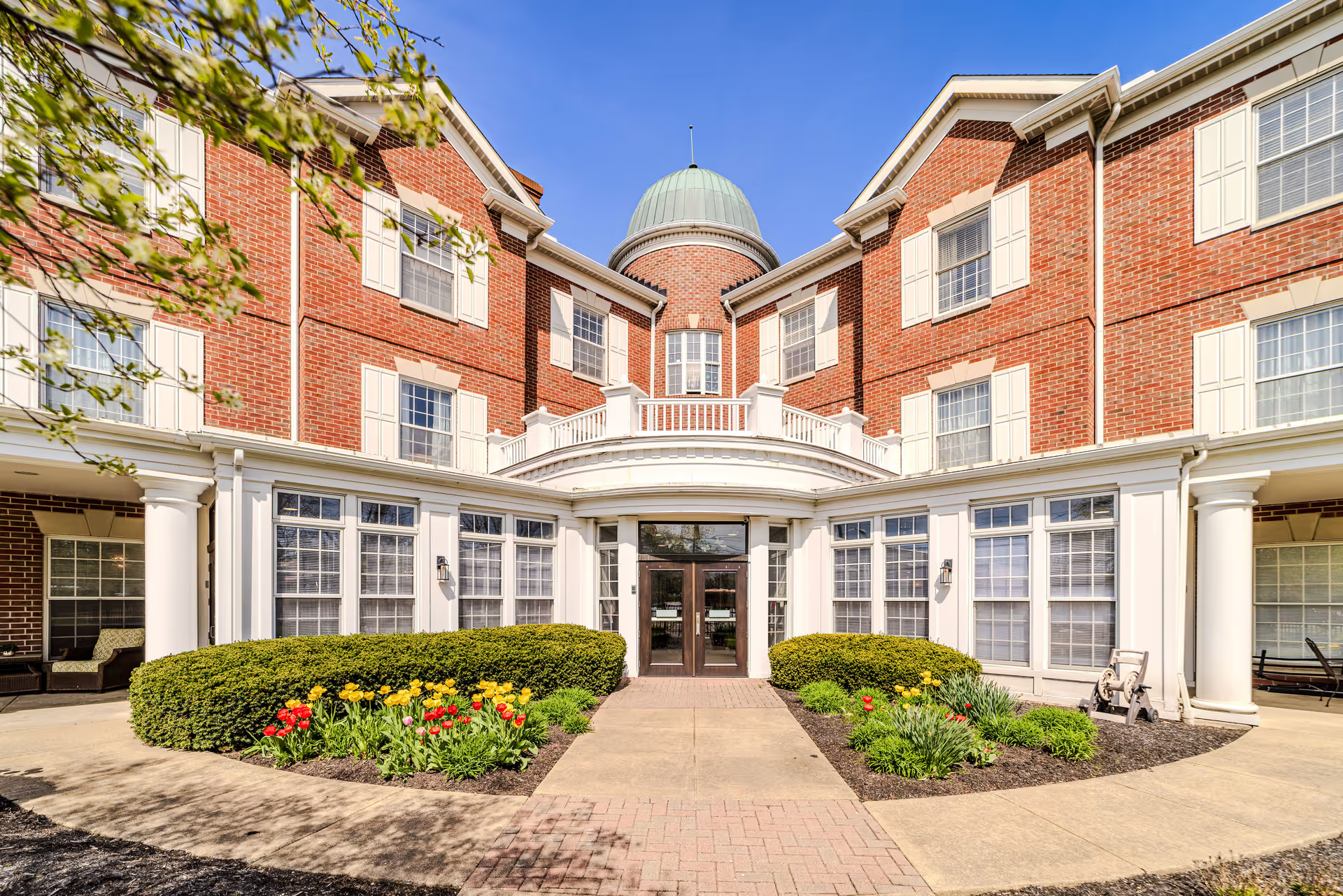
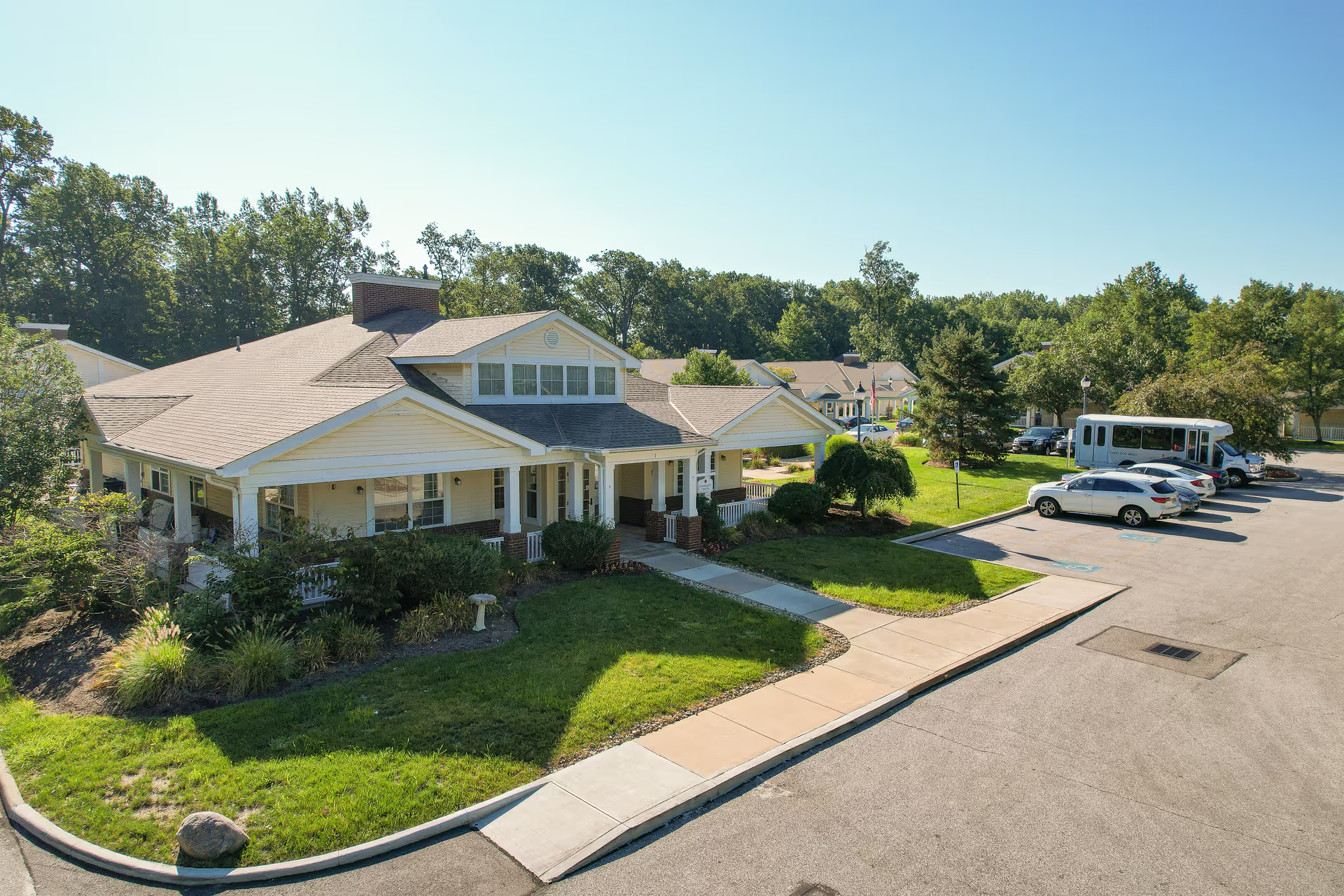
Heritage Healthcare of Lyndhurst presents a mixed picture. Clinical services such as nursing and physical therapy are generally described as competent, and many families note that direct-care staff, activity aides, front-desk personnel, and maintenance workers are welcoming and supportive. The community environment and apartment accommodations are often characterized as warm, comfortable, and well furnished; meals and social programming are cited as strengths that contribute to residents’ engagement and family peace of mind.
Care quality is uneven. While nursing and therapy were described favorably in several accounts, operational weaknesses have affected day-to-day care delivery. Reviewers identified inconsistent bathing and personal-care schedules and gaps in post-discharge coordination with home rehabilitation. Understaffing was raised as a contributing factor to delays in routine care and in emergency response timeliness. Additionally, concerns about infection-control practices and sanitation in resident-care and common areas were noted and appear to have a direct effect on families’ confidence in safety protocols.
Staff and amenities receive positive remarks: maintenance staff are described as going above and beyond, many residents and families find the administrative and front-line staff friendly, and the dining and activities programs support social engagement. Apartments that come furnished and a prepaid meal option were specifically appreciated by some families as reducing transition burden and providing day-to-day convenience.
The most consistent operational criticisms relate to management and communication. Families cite limited responsiveness from administration, inconsistent progress updates about residents’ clinical status, and gaps in scheduling or follow-through (for example, missed appointments and limited discharge planning). These patterns suggest weaknesses in administrative oversight, staffing models, and coordination between clinical teams and families.
For prospective residents and families: verify current staffing levels and emergency-response protocols, ask for written policies on bathing/personal-care schedules and infection-control procedures, request examples of discharge-planning and post-acute follow-up, and confirm how the facility communicates routine progress updates to families. These targeted questions can help determine whether the strengths described (clinical care, community atmosphere, maintenance support, meals, and activities) are consistently realized in practice and whether administrative and cleanliness concerns have been addressed.