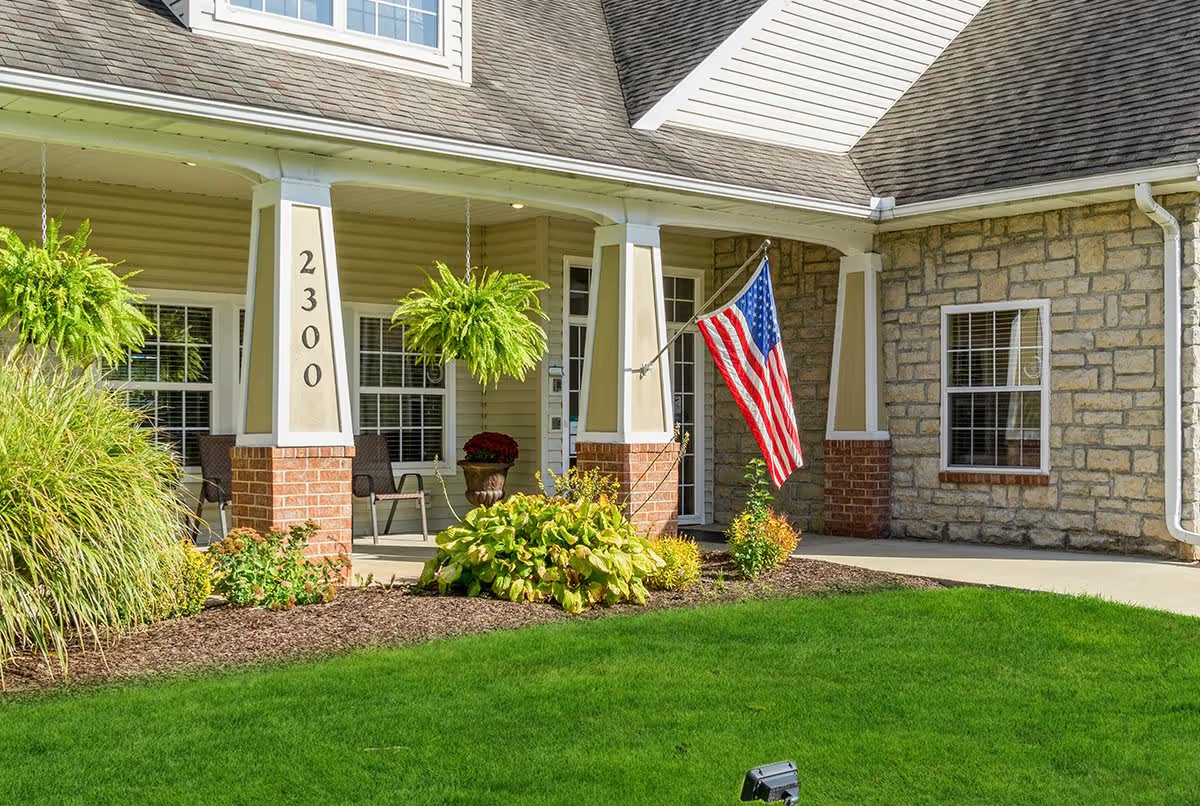
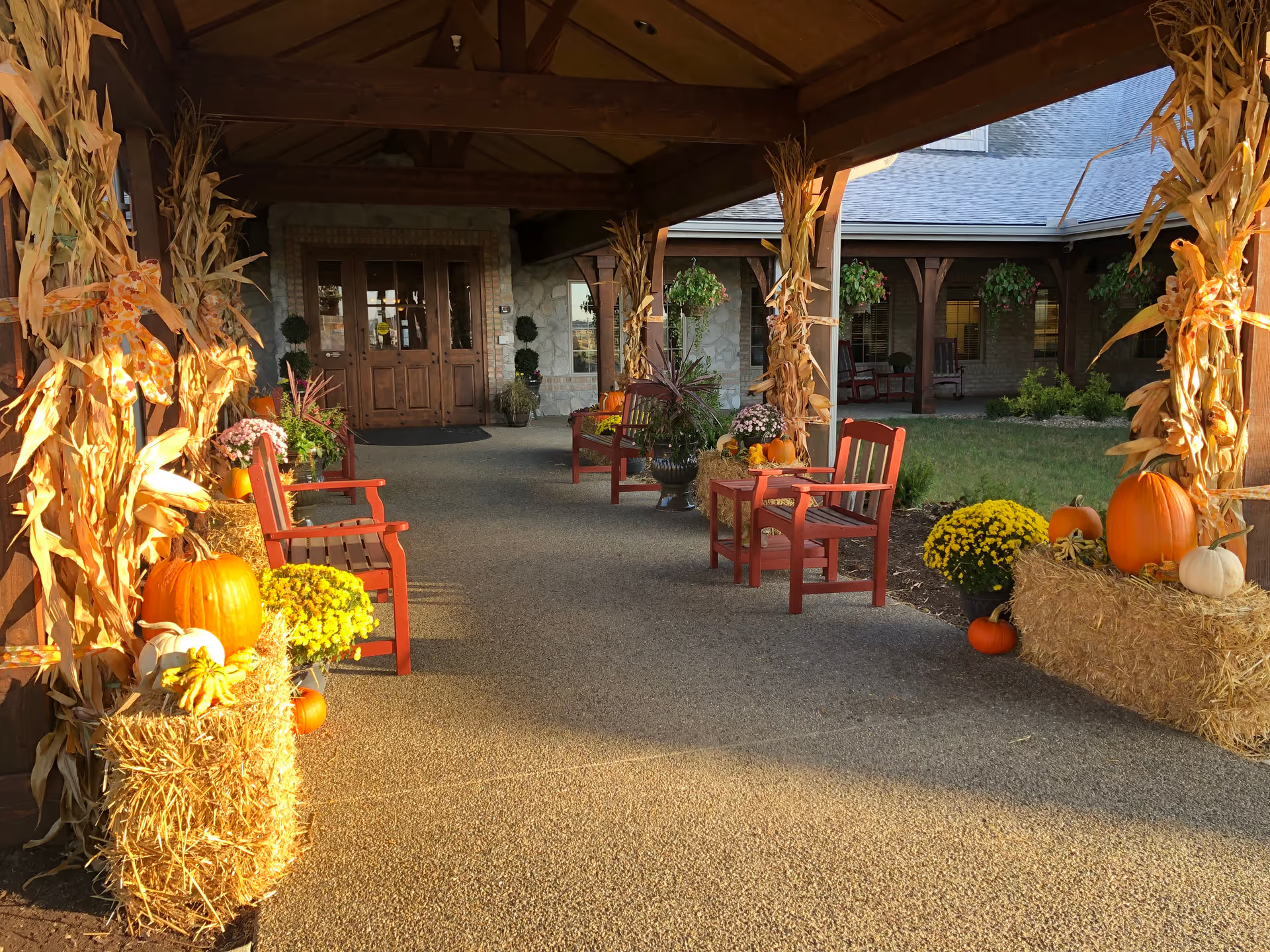
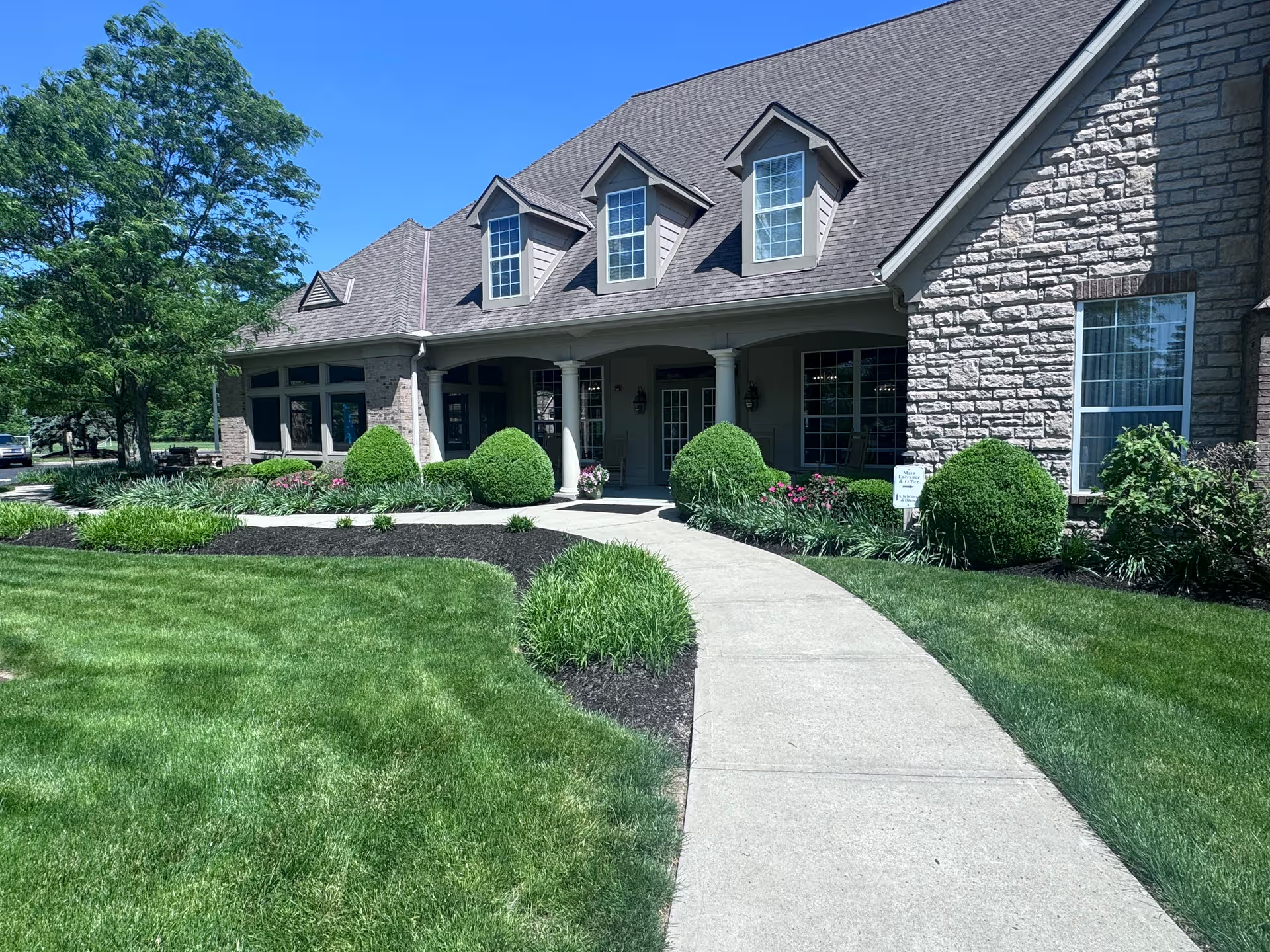
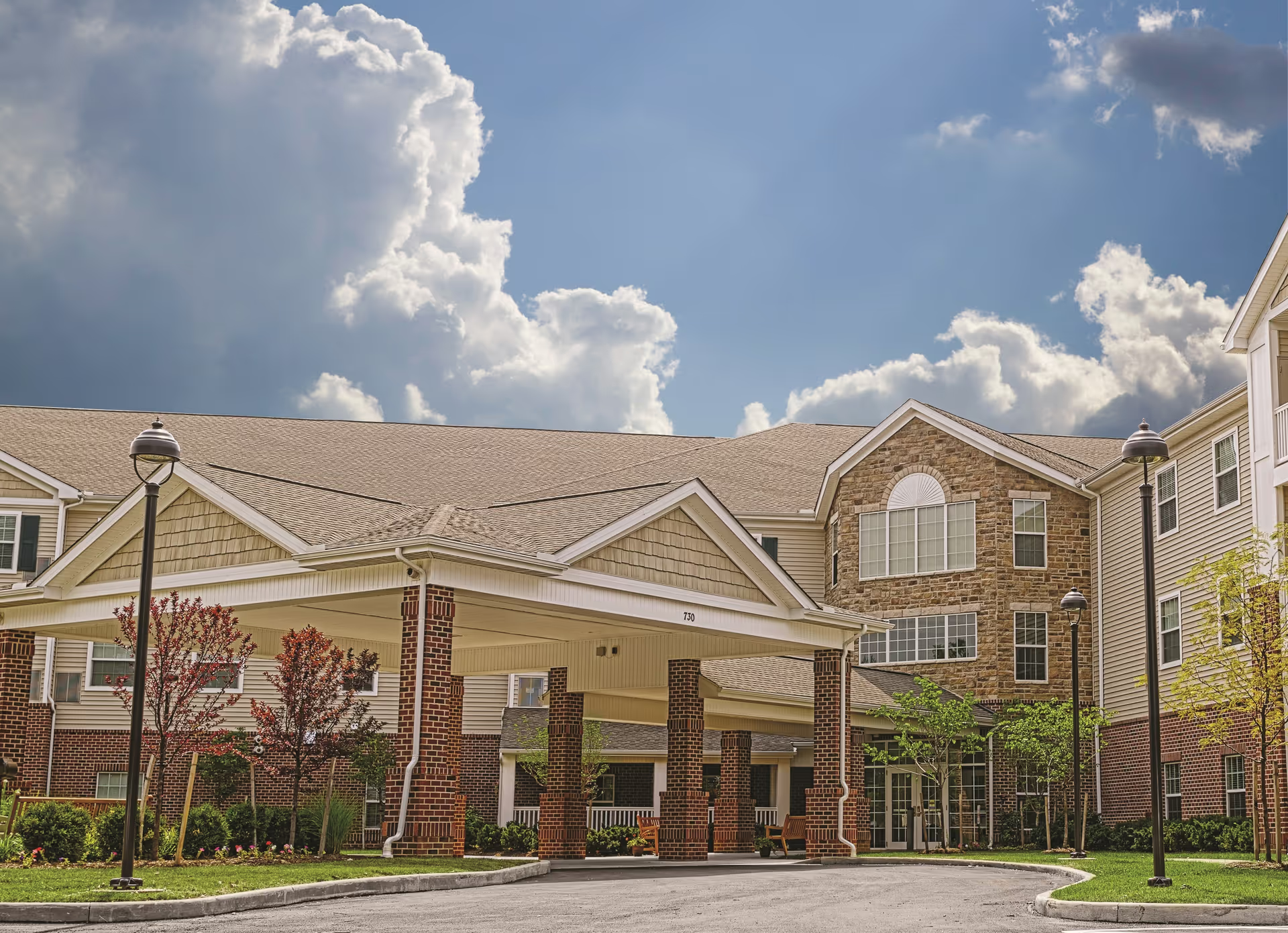
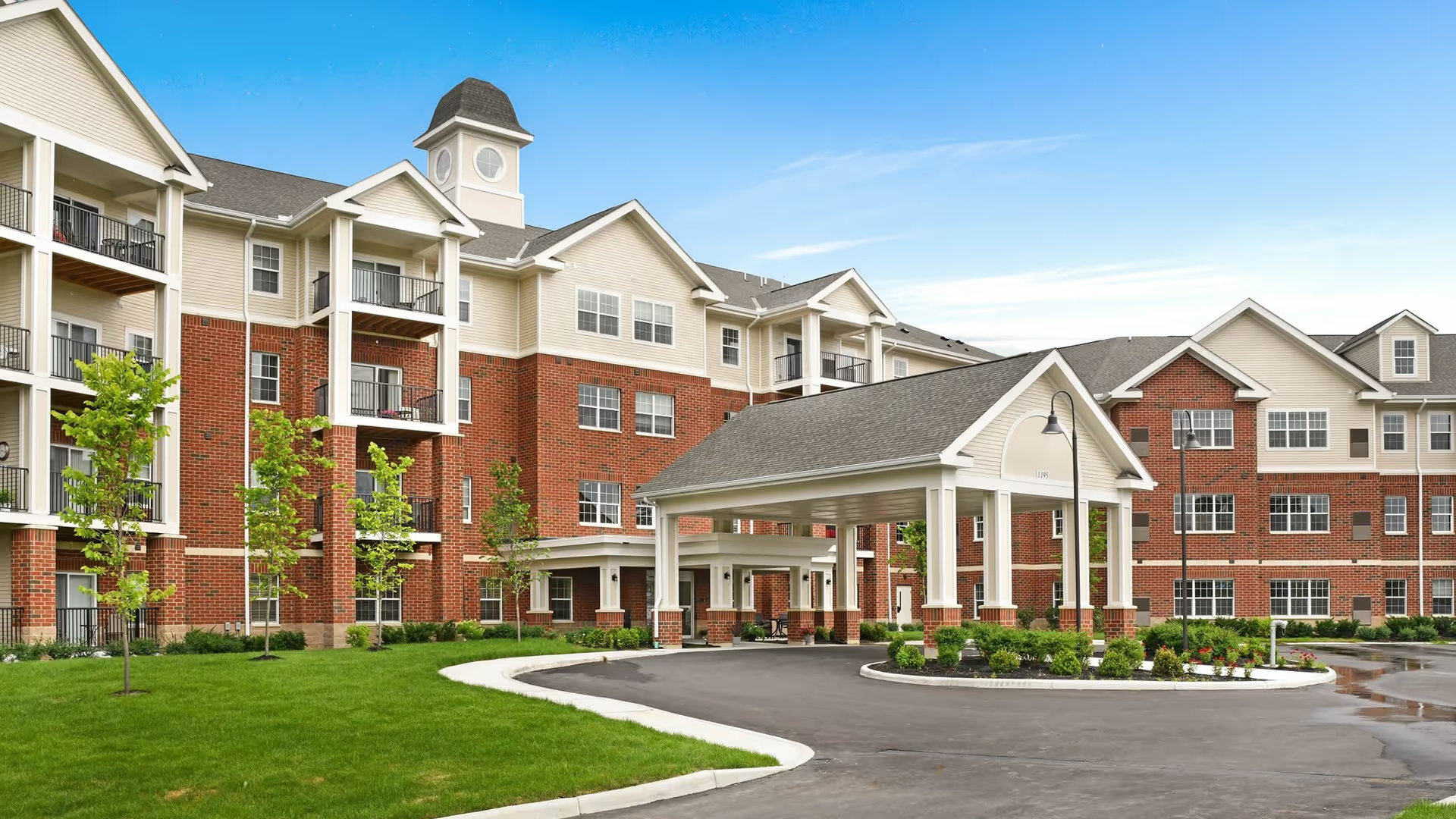
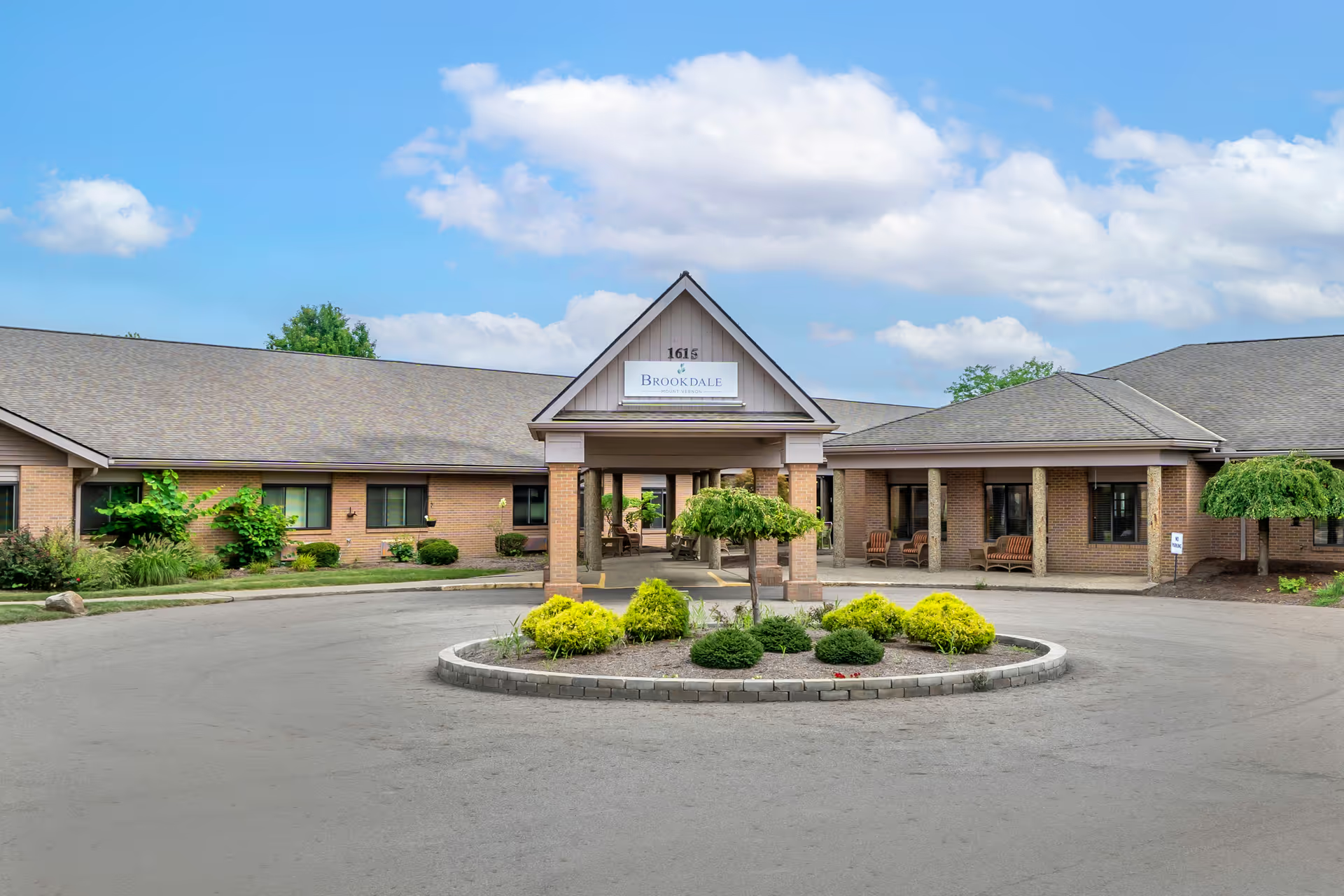
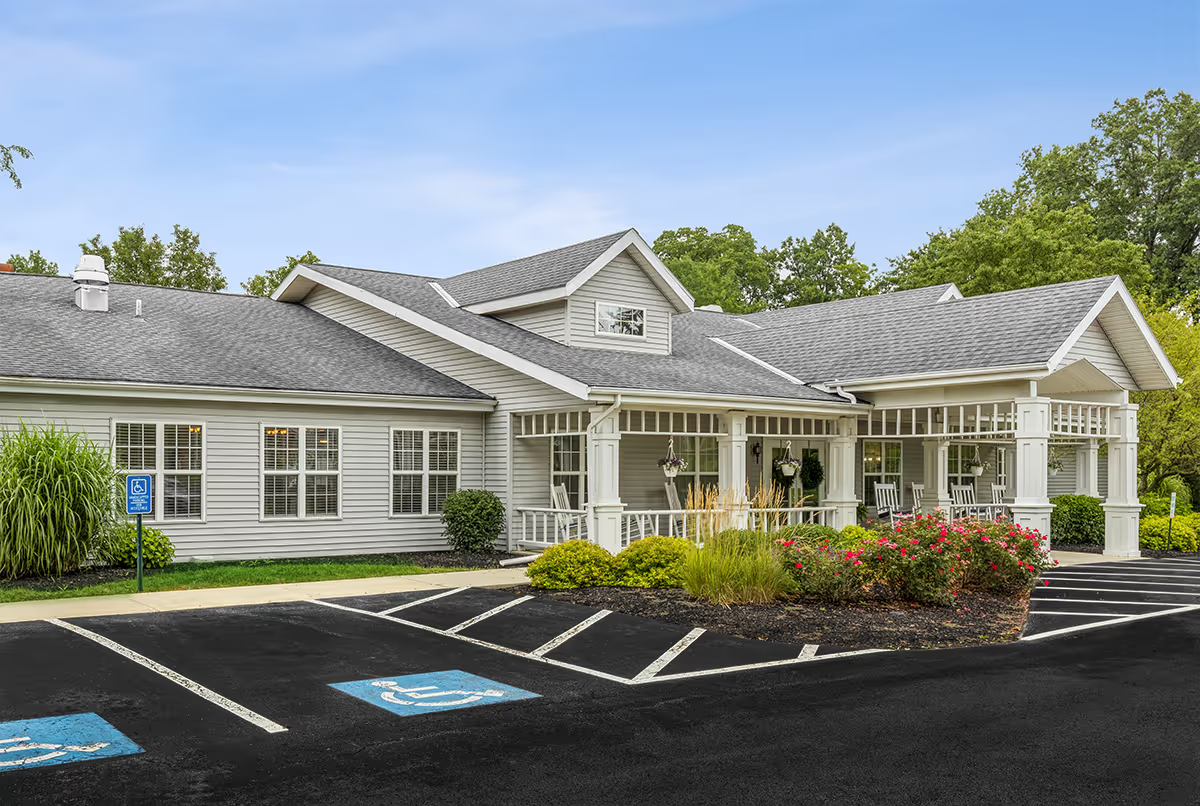
Bennington Glen elicits a mixed but distinct set of impressions. Many reviewers emphasize the facility's strengths as a recovery-focused, clean, and home-like setting with compassionate caregivers and robust on-site rehabilitation services. Physical and occupational therapy resources, frequent scheduled therapy sessions, and assistance with medical appointments and transportation are commonly cited as positive features. The building's single-floor layout, pleasant pond-side grounds, and active activities calendar—including shopping trips and monthly outings—contribute to a welcoming atmosphere for residents who prioritize social engagement and recovery support.
Care and staffing are a central theme. Numerous accounts highlight attentive, intelligent, and emotionally supportive staff who develop strong rapport with residents; long-term residents and families report that the facility can feel like home and that daily needs are met through personable interactions and routine. Conversely, reviewers also point to operational challenges: staffing shortages and turnover appear to affect consistency of care, and several reviewers cited delays in medication administration, clinical interventions, and installation of adaptive equipment. There are also descriptions of gaps in follow-through on care-plan items and unclear staff training that may contribute to variability in clinical performance.
Dining and activities are another area of contrast. The activities program is frequently praised for being engaging and well-coordinated, with a proactive activities director and frequent events that residents enjoy. Meal service receives mixed feedback: some reviewers describe adequate or satisfactory meals and consistent housekeeping, while others note that food quality and dining continuity need improvement.
Facility condition and logistics present a similar split. The facility is generally described as clean and well maintained, with daily room cleaning and a warm, cozy ambiance; however, reviewers mention small room sizes and some outdated infrastructure. Limited maintenance hours and delays from the contracted pharmacy were raised as logistical concerns that can affect care continuity.
Management, communication, and financial practices are the most frequently cited areas of concern. Several reviewers described poor communication around discharge planning, unanswered questions from a designated liaison, and inconsistent follow-up. Financial issues—characterized by complaints about billing transparency, aggressive collection practices, and disputes over resident liability—were sufficiently prominent to warrant attention. In addition, some reviews raised infection-prevention and incontinence-care concerns tied to clinical follow-up; these accounts suggest families should inquire specifically about care protocols, staffing ratios, and infection-control measures during a tour.
Practical takeaway: Bennington Glen offers clear strengths in rehabilitation services, a friendly culture, and an active activities program within a pleasant, single-floor setting. Prospective residents and families should balance those positives with questions about staffing stability, communication and discharge processes, meal-service standards, maintenance responsiveness, and billing policies. An on-site visit that includes observing mealtime, therapy sessions, staffing at shift change, and a review of written care-plan and financial policies will help determine whether the facility's operational practices match a family's expectations and clinical needs.