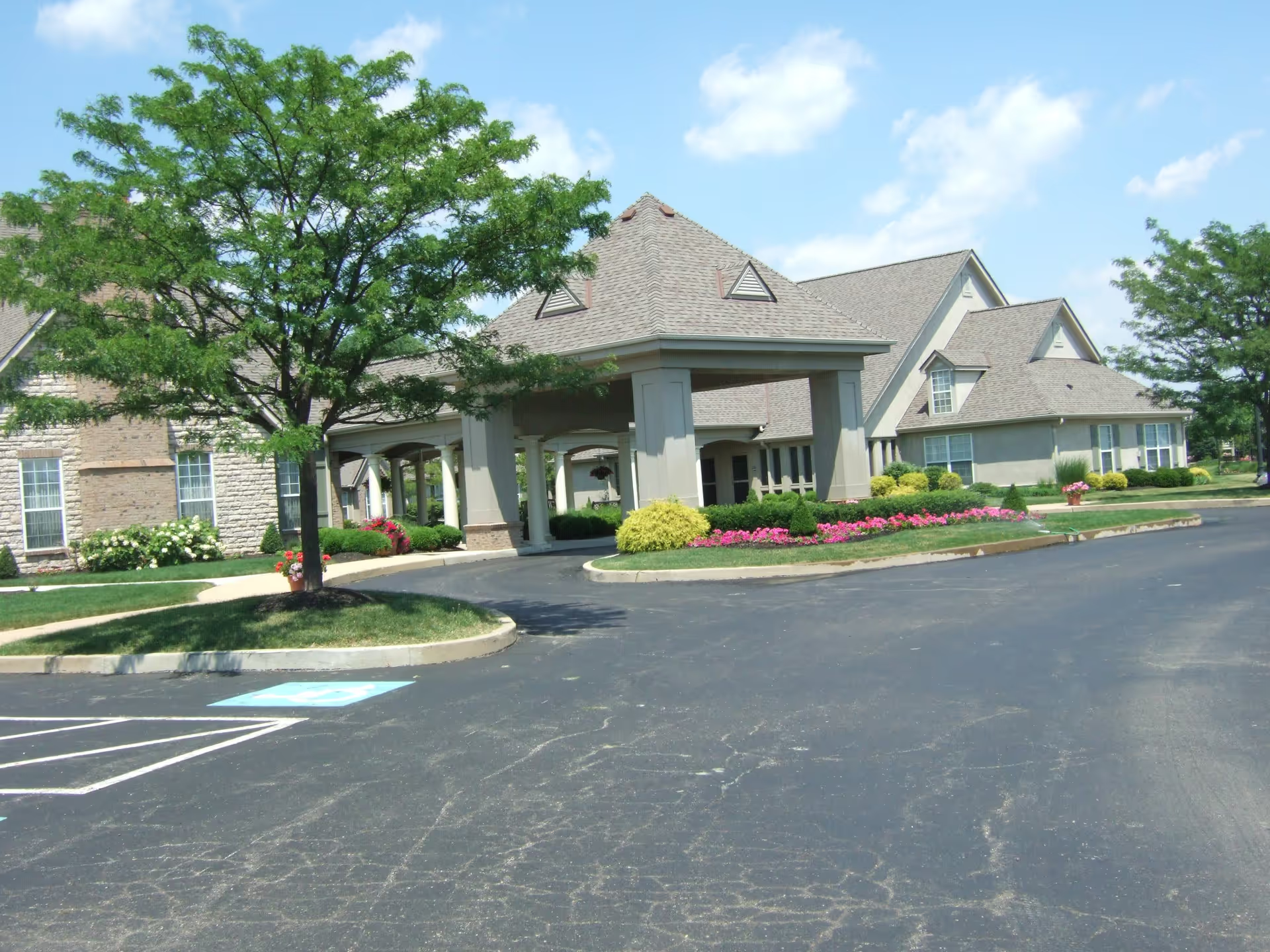
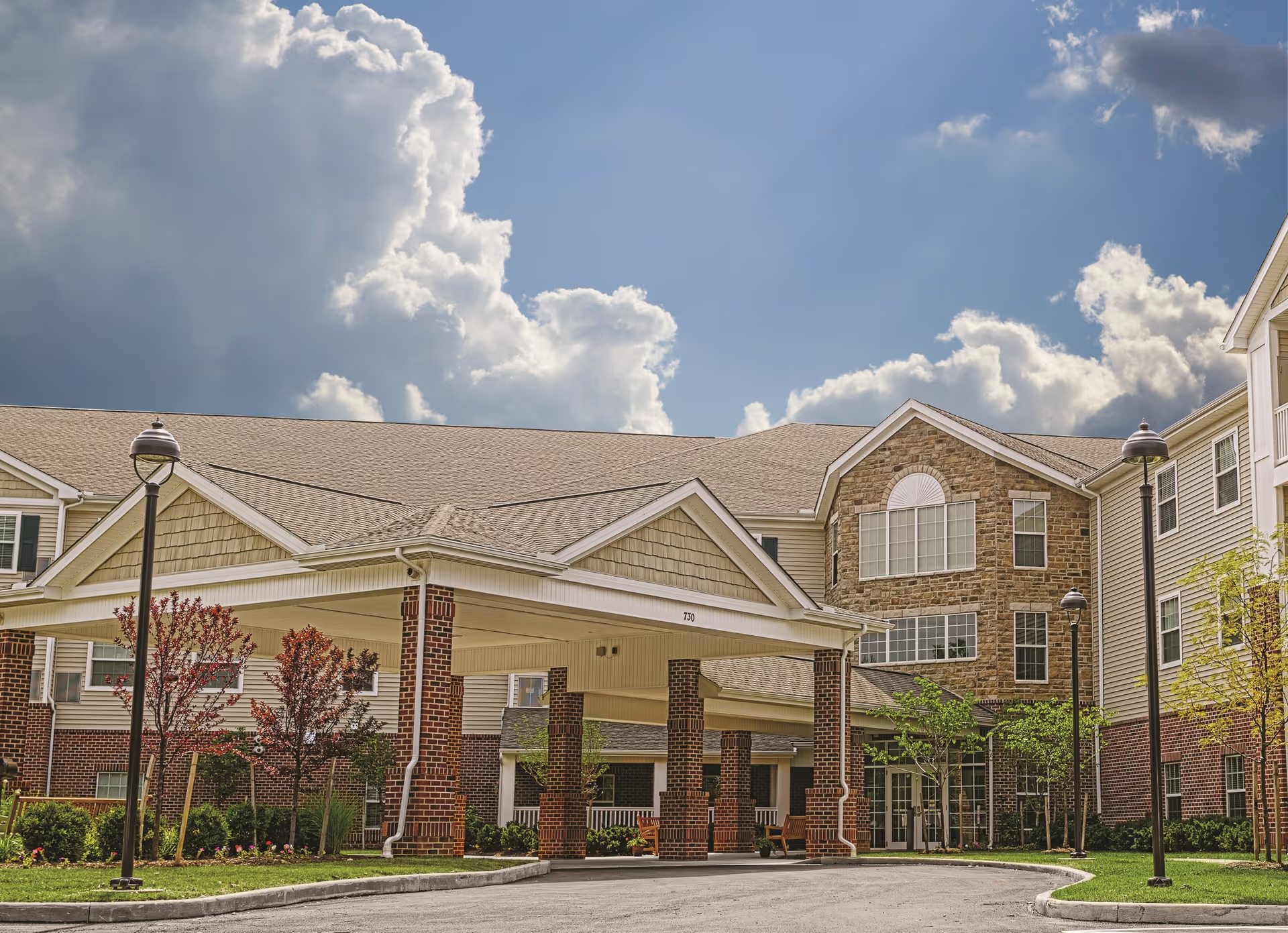
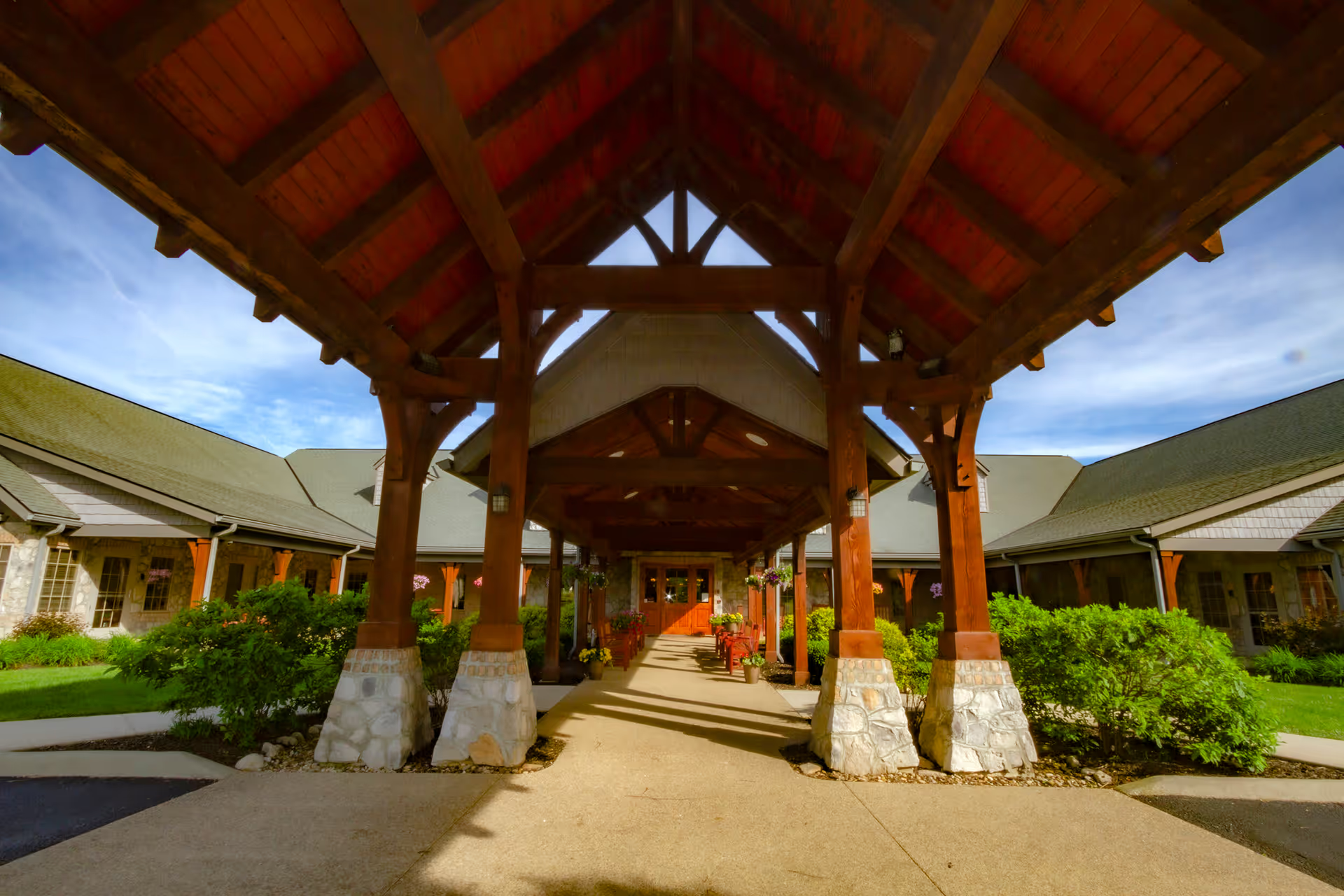
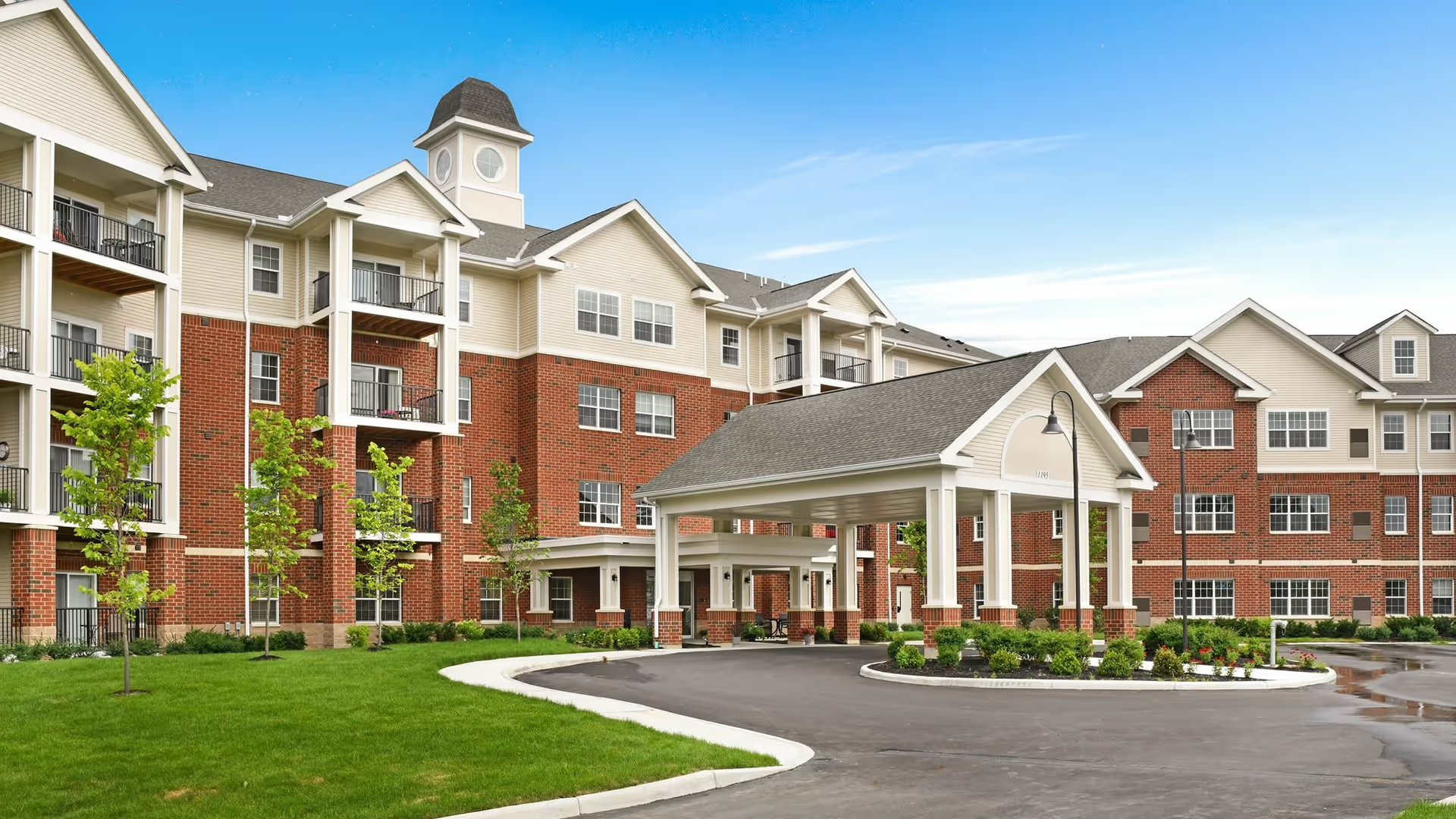
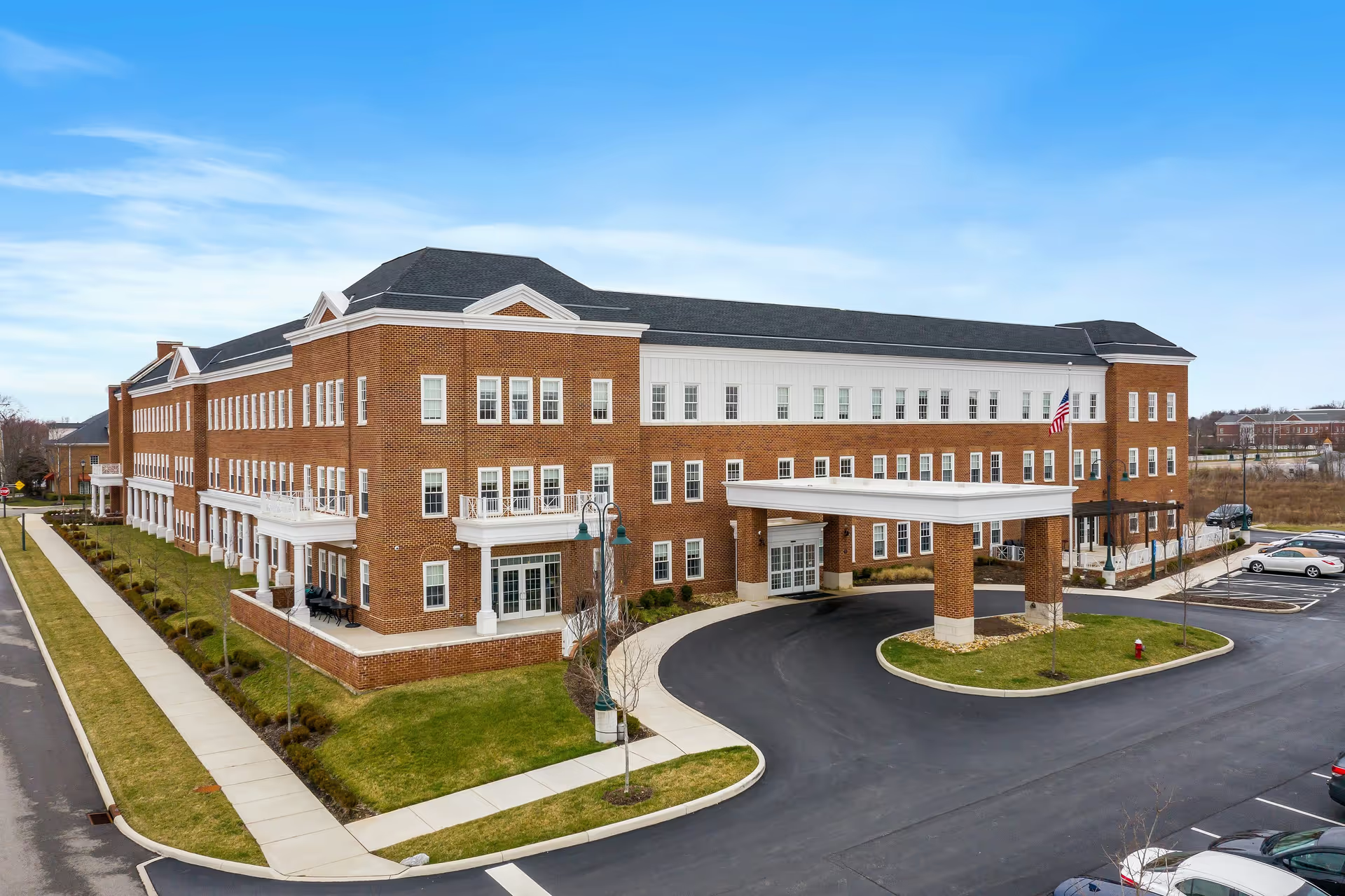
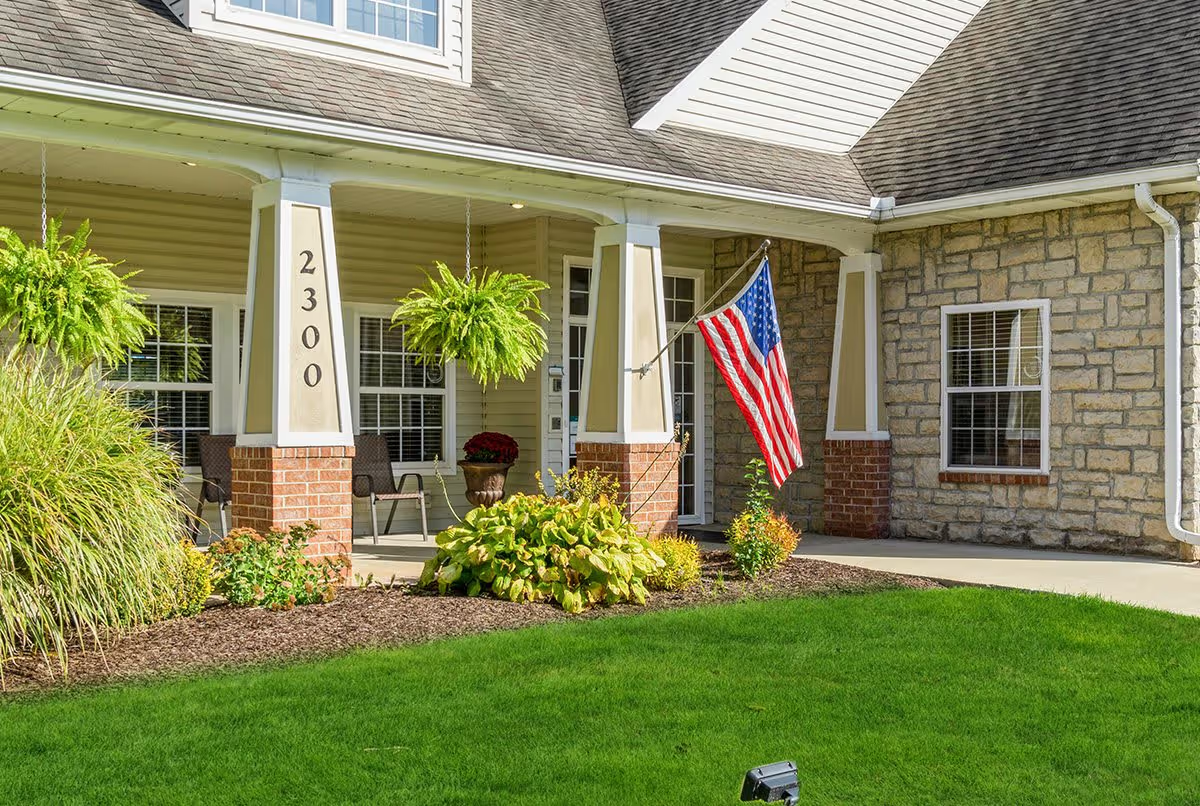
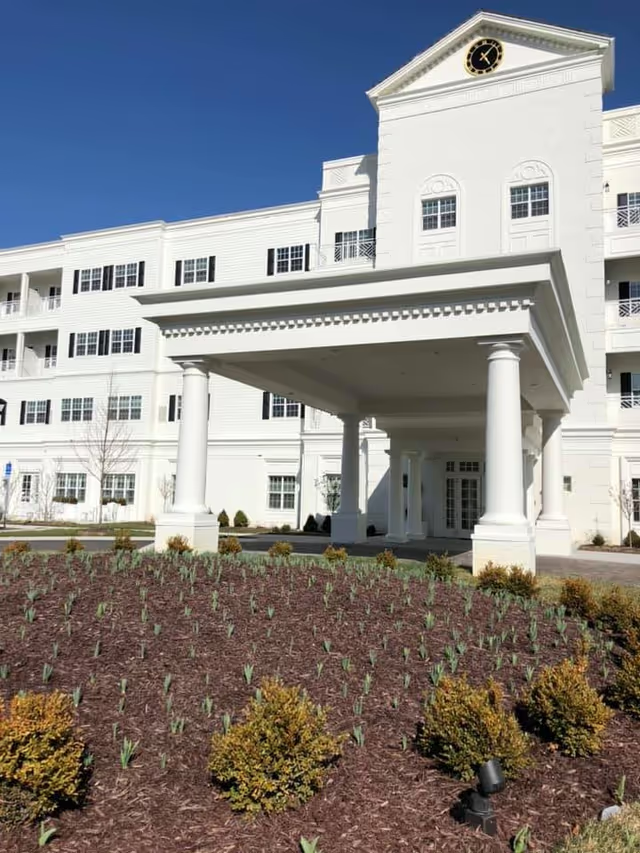
Overall impression: The Inn at Walnut Trail presents as a modern, well-appointed assisted living community with a broad range of social and recreational offerings. Many families describe a visually appealing, clean facility with bright rooms, large common areas, and numerous on-site amenities such as a chapel, pub, movie theater, bistro, general store, and enclosed courtyard spaces. The property’s one-story layout and secured outdoor courtyards are frequently cited as accessibility and safety features that support resident mobility and outdoor engagement.
Staffing and care quality: A prominent strength is the front-line staff. Numerous accounts highlight friendly, compassionate caregivers who form close, personalized relationships with residents, learning names and preferences and providing attentive day-to-day support. The facility also offers rehabilitation services, hospice support, and a memory-care unit, and many families report smooth admissions and rapid placement when needed. However, there are recurring operational concerns: leadership and nursing turnover, periodic short-staffing, and variability in caregiver experience. These patterns have been associated with inconsistent clinical responsiveness in some cases, including delays in addressing medical concerns and uneven monitoring after clinical events.
Memory care and clinical safety: Memory-care services are available and are described positively by some families, but there is a clear pattern of concerns from others about dementia-care continuity and safety practices. Specific operational issues raised include policies that can result in discharge when residents’ care needs increase, and gaps in protocols intended to prevent unsupervised egress. Relatedly, reviewers describe inconsistent incident response and communication with families during clinical events. Prospective families should clarify the facility’s dementia-care admission and discharge criteria, staffing ratios, safety measures for wandering risk, and procedures for clinical escalation.
Dining, activities, and community life: The Inn emphasizes social dining and a varied activities calendar. Positive feedback frequently notes a dedicated culinary team, the social nature of mealtimes, live music, outings, and a full schedule of activities that keep residents engaged. That said, food quality is described inconsistently: some families praise the dining experience and pleasant dining spaces, while others find the food lacking. Activity offerings and transportation to outings are consistently reported as strengths that contribute to an active, communal atmosphere.
Management and communication: Admissions and admissions staff are often described as helpful and efficient, with several families noting a smooth move-in and supportive orientation. Conversely, ongoing management and communication receive mixed feedback: reviewers cite unmet promises from leadership, inconsistent follow-through, and lapses in family communication about care changes. There are also a small number of serious allegations concerning financial practices; these are significant and merit direct inquiry during a tour.
Notable patterns and guidance for families: Reviews are polarized—many families describe excellent, family-like care and a resort-like environment, while a distinct set describe substantive clinical, policy, and management concerns, particularly around memory care. When evaluating this community, prospective residents and families should tour the memory-care unit, ask for written policies on discharge and safety, request staffing ratios (including night coverage), review clinical escalation and medication-management procedures, inquire about staff turnover rates, and ask for references from current families. Obtaining clear, documented answers in these areas will help balance the facility’s evident strengths against the operational inconsistencies highlighted by other families.