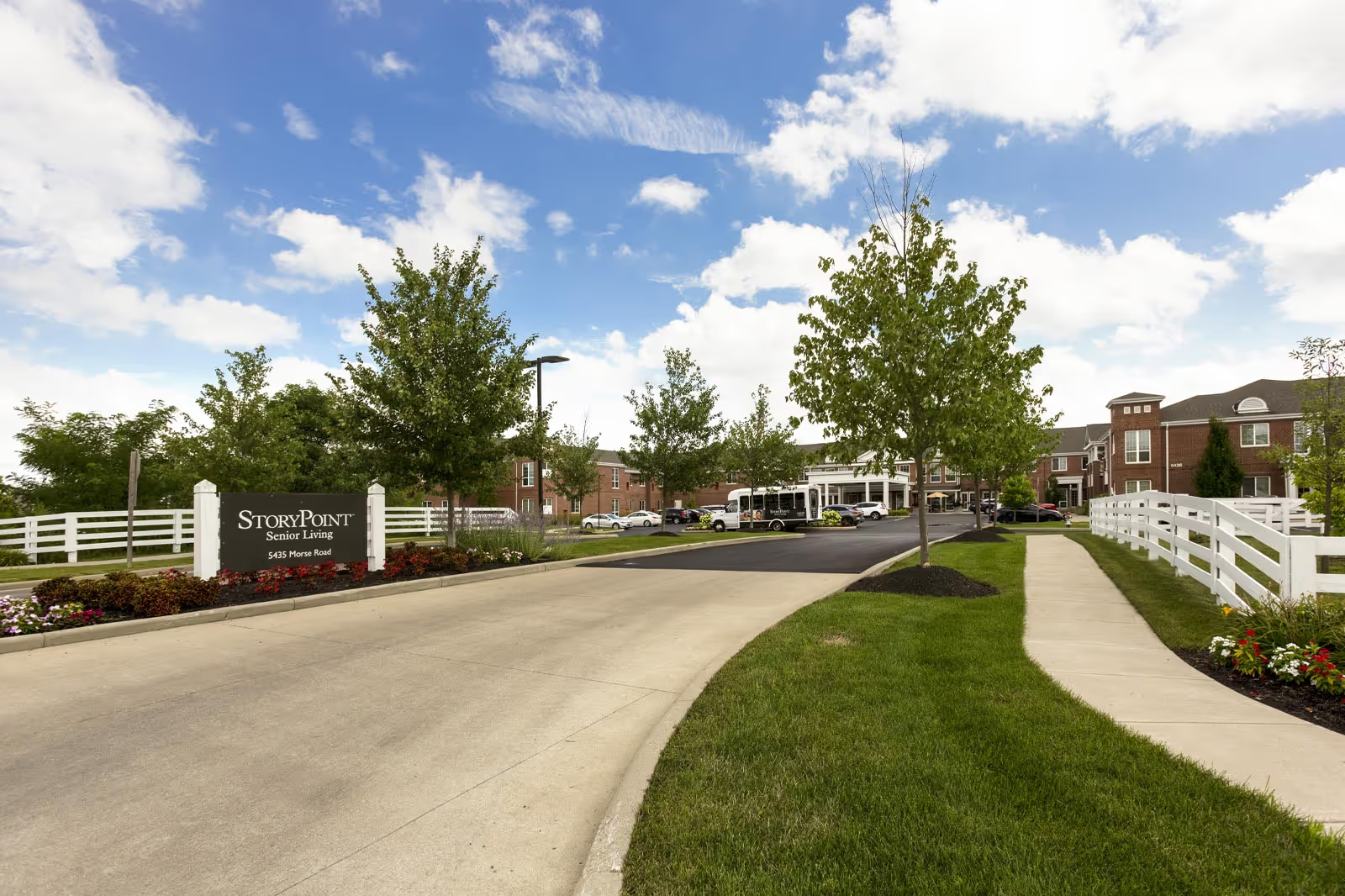
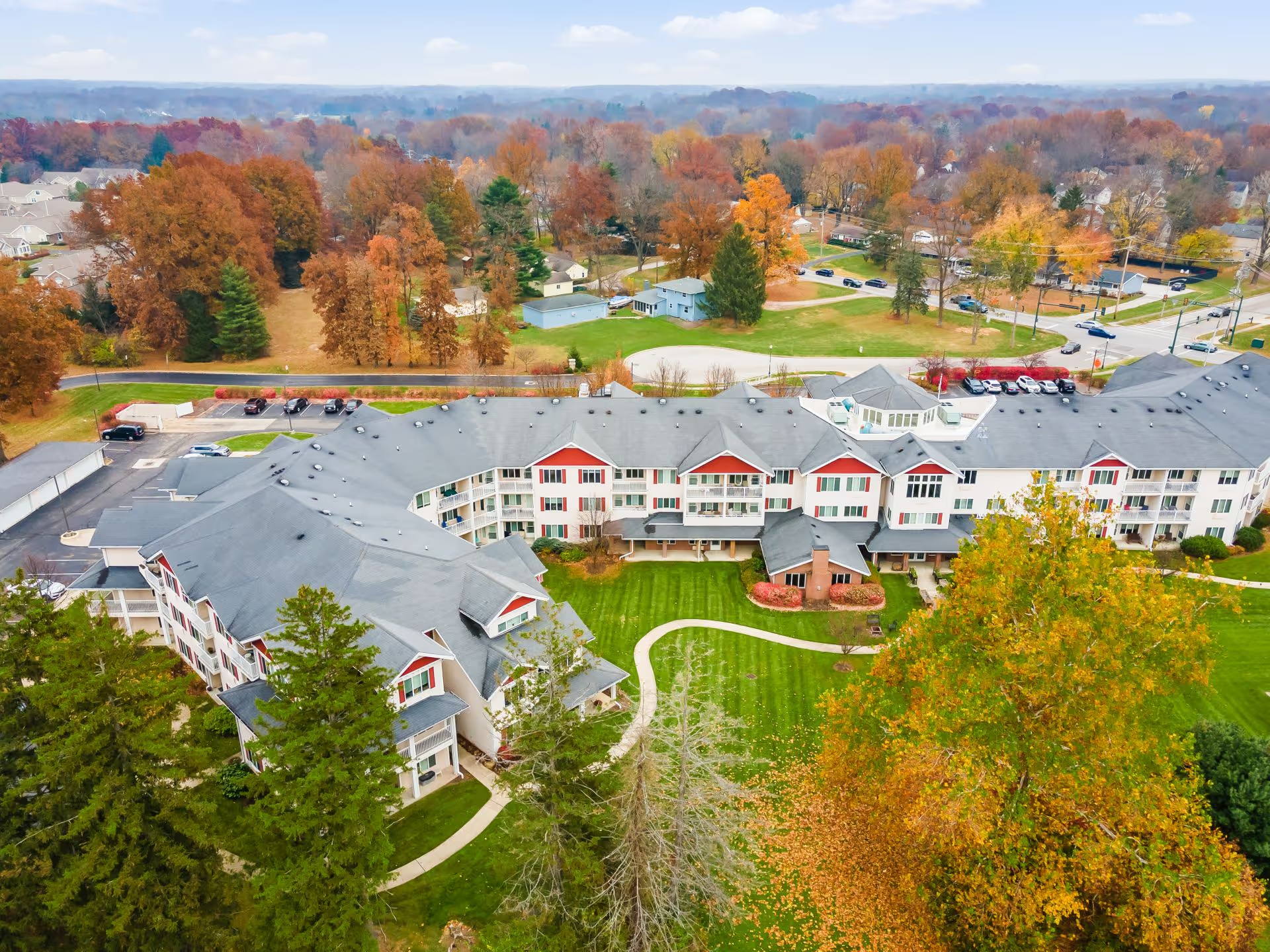
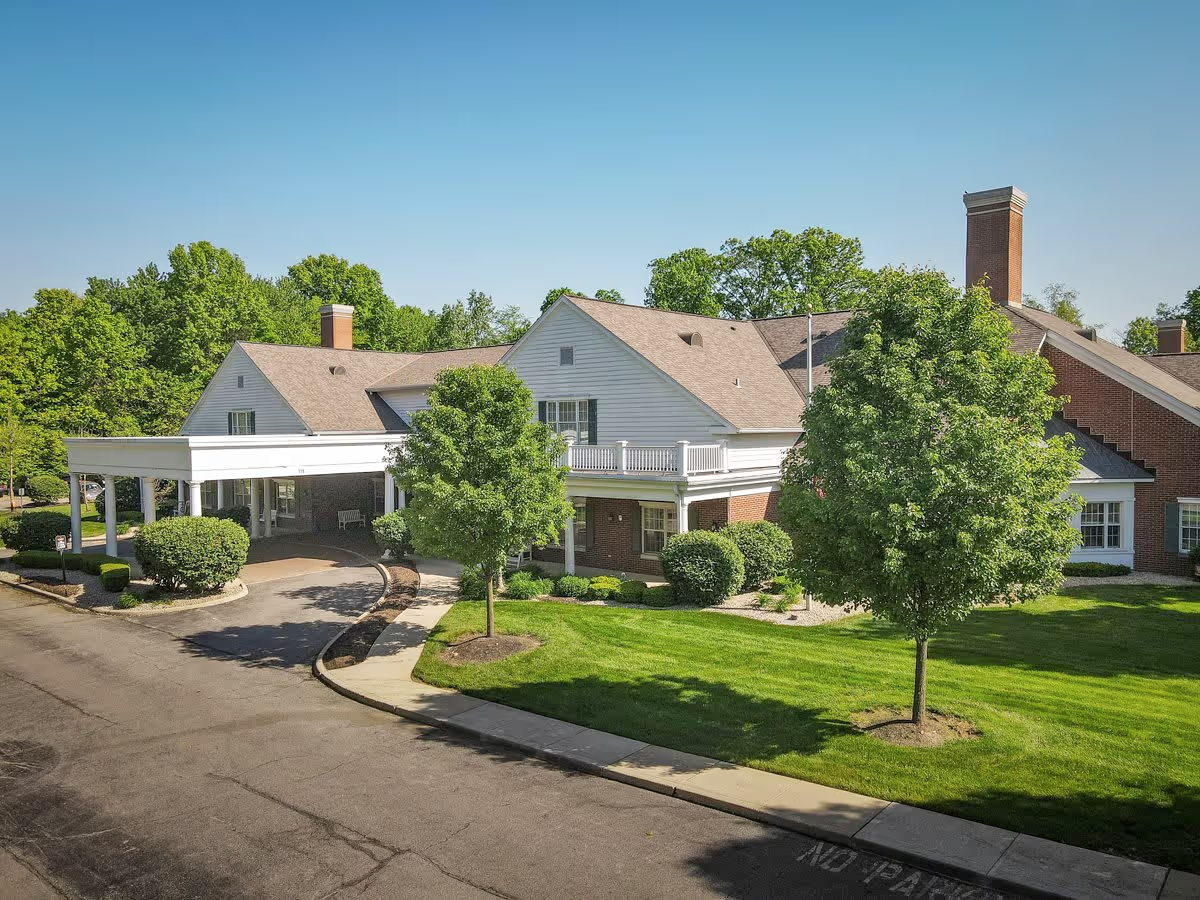
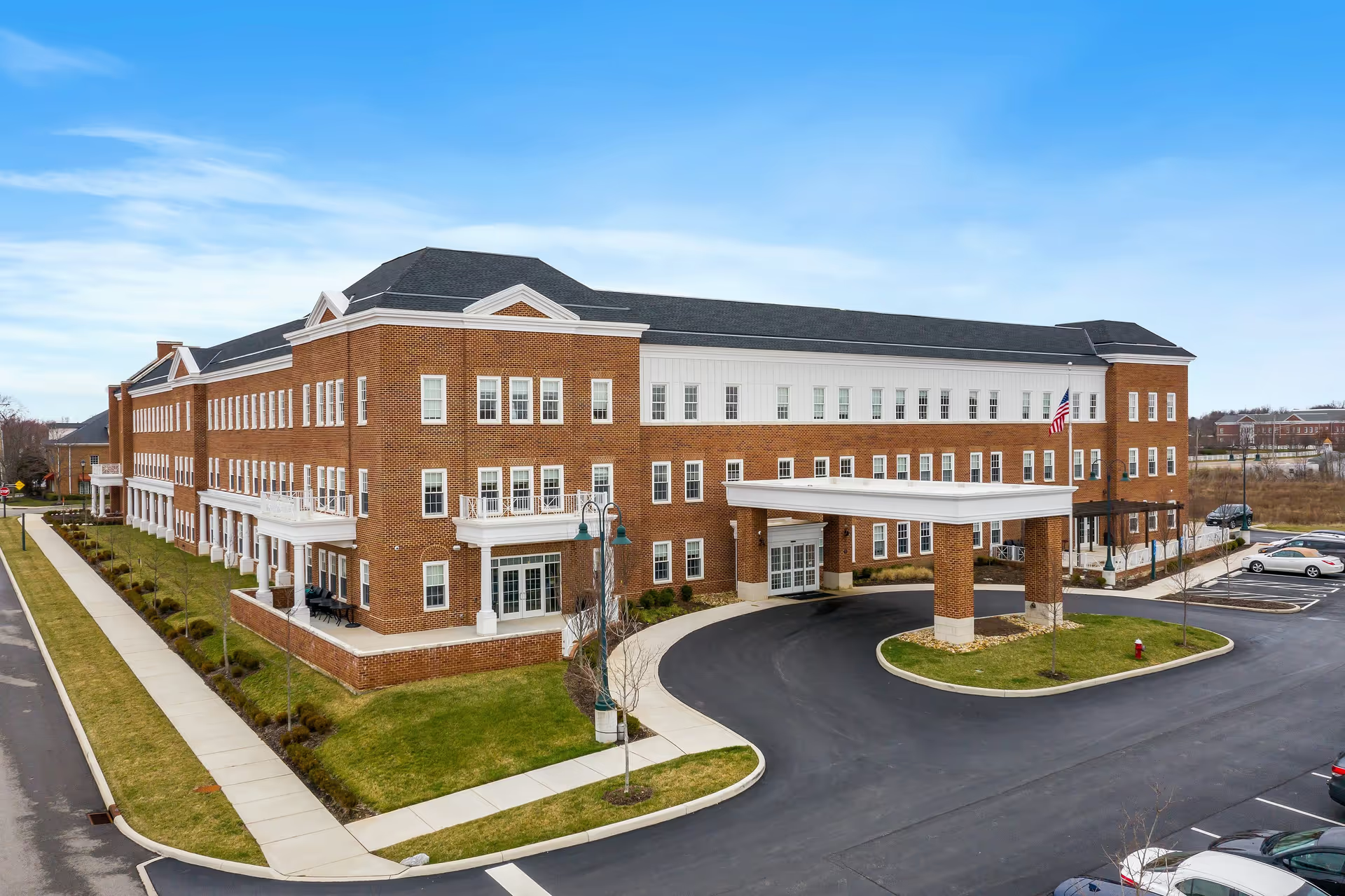
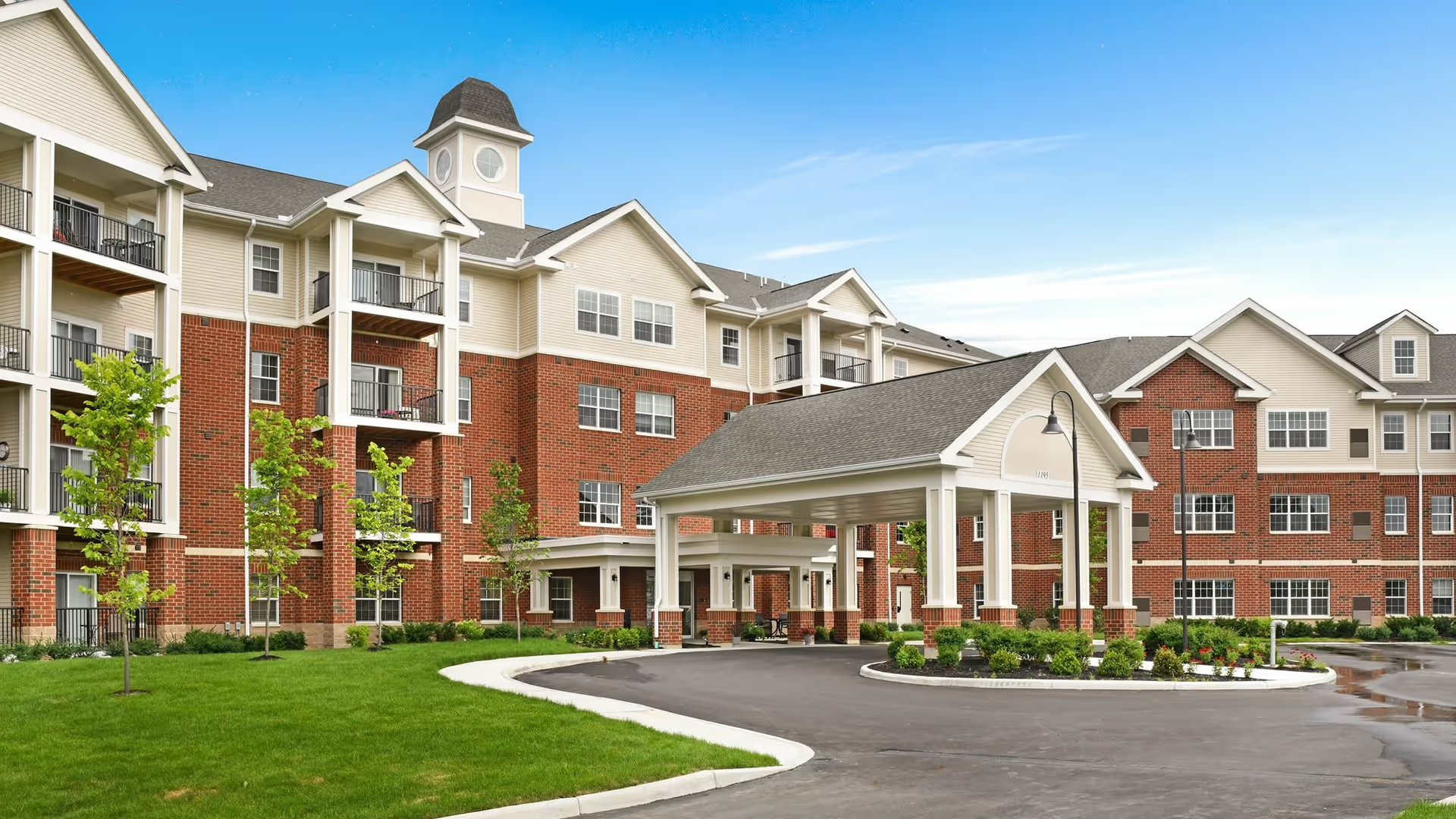
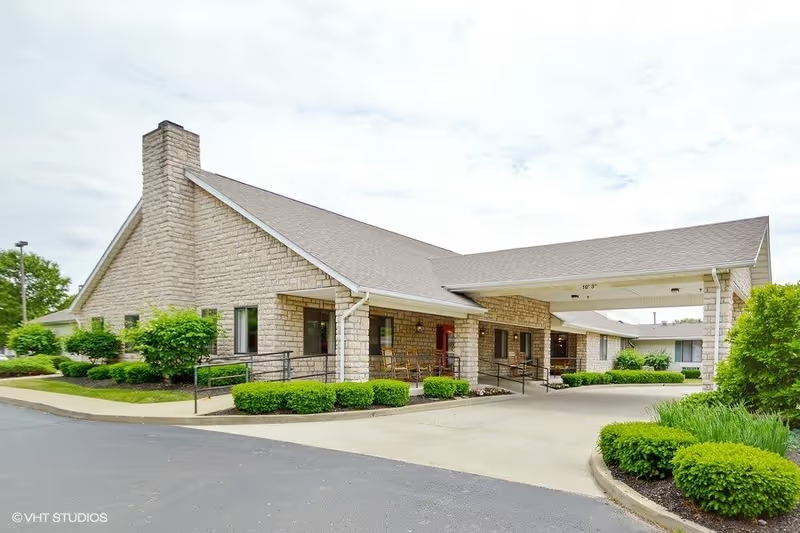
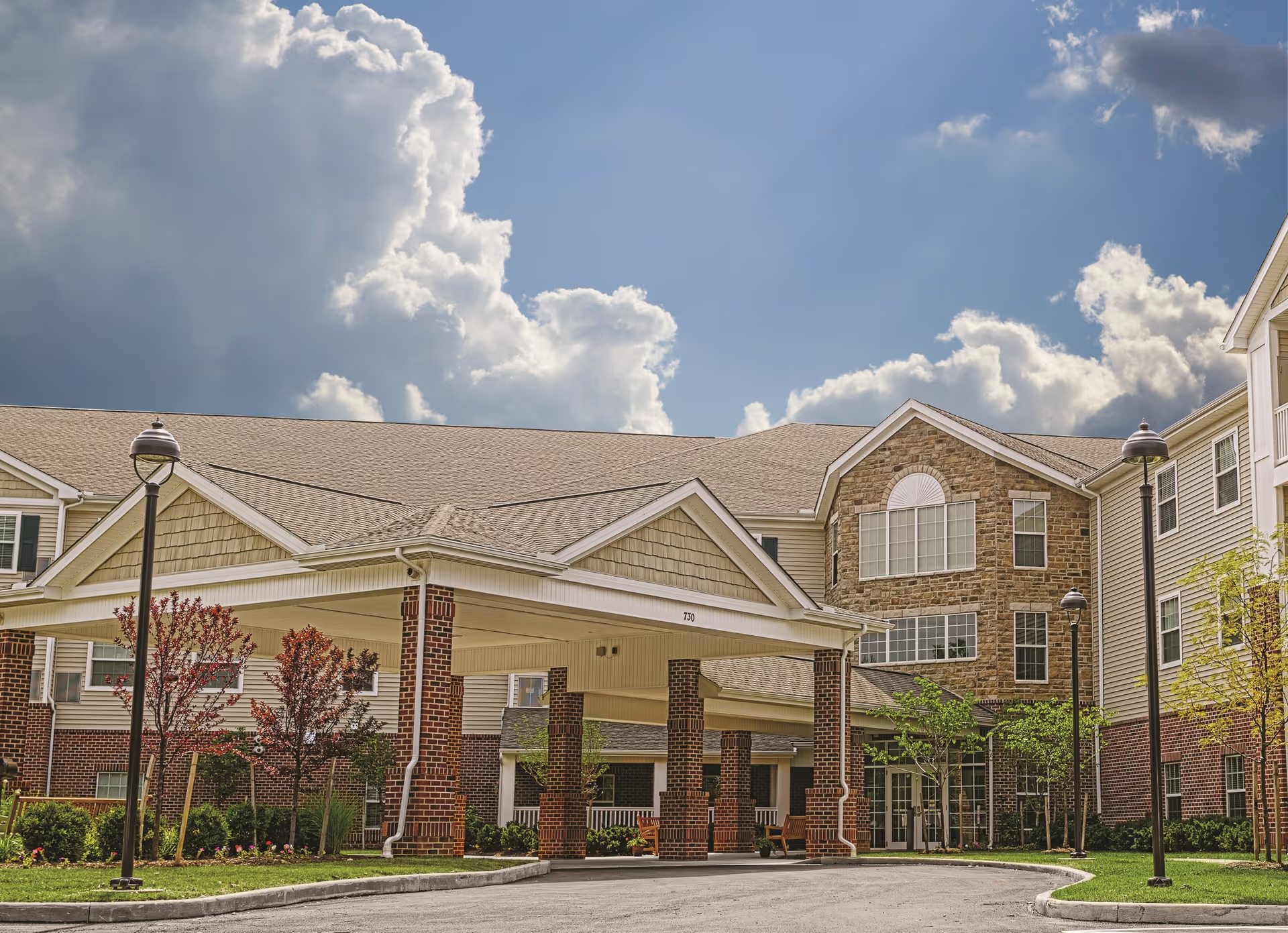
Overall impression: Reviews of Our Home - New Albany emphasize a well-appointed, home-like campus with strong clinical and lifestyle offerings. Families and residents consistently praise the facility’s physical environment — spacious, bright rooms; large common areas; accessible design; and thorough cleanliness and maintenance. The campus includes amenities such as a chapel, guest apartment, and open social spaces that contribute to a residential atmosphere rather than an institutional feel.
Care and staff: Most feedback highlights compassionate, attentive caregivers, a favorable nurse-to-resident ratio, and 24-hour on-site nursing. Reviewers cite specific strengths in memory care (secure unit with monitoring and planned transitions), skilled therapy services (PT/OT), and individualized assistance from front-desk and community-relations staff. Leadership initiatives and a low staff-turnover note suggest organizational attention to staff development. However, there are consistent concerns about uneven staff conduct and communication tone, and some comments point to workplace-culture and morale issues that can affect consistency of care across shifts.
Dining and activities: Dining is frequently praised — an on-site executive chef, well-presented meals, and willingness to personalize menu items are recurring positives. The activity program appears robust, with many weekly offerings, music and entertainment, chair-based aerobics, social events, and a well-regarded Day Friends program that supports short-stay and respite needs. These lifestyle features are highlighted as important contributors to resident engagement and family satisfaction.
Facilities and operations: The facility’s layout, cleanliness, and maintenance receive strong positive attention. Accessibility features, wide hallways, elevator access, and bright common areas support mobility and social interaction. Families appreciate practical supports such as veteran funding information and guest accommodations. On the administrative side, several reviewers described delays in records, instances of unexpected charges for assistance or hospice items, and occasional lapses in documentation or billing transparency. There is also at least one serious allegation concerning medication administered without documented consent; prospective families should treat medication-consent and administration as an area for careful inquiry.
Notable patterns and guidance for families: The dominant pattern in these reviews is positive — high marks for staff compassion, memory-care capability, dining quality, and an engaging activity program. The downside cluster centers on operational consistency: staff conduct and morale variability, documentation and record delays, occasional rushed care, and unclear billing practices. Prospective residents and families would be well served to ask specific questions during tours about staffing patterns and turnover, medication-administration and consent procedures, billing and extra-charge policies, and how the community addresses staff training and culture. Requesting written policies, recent staffing metrics, sample menus, and references from current families can help validate the generally strong clinical and lifestyle attributes while clarifying the operational areas that some reviewers found problematic.