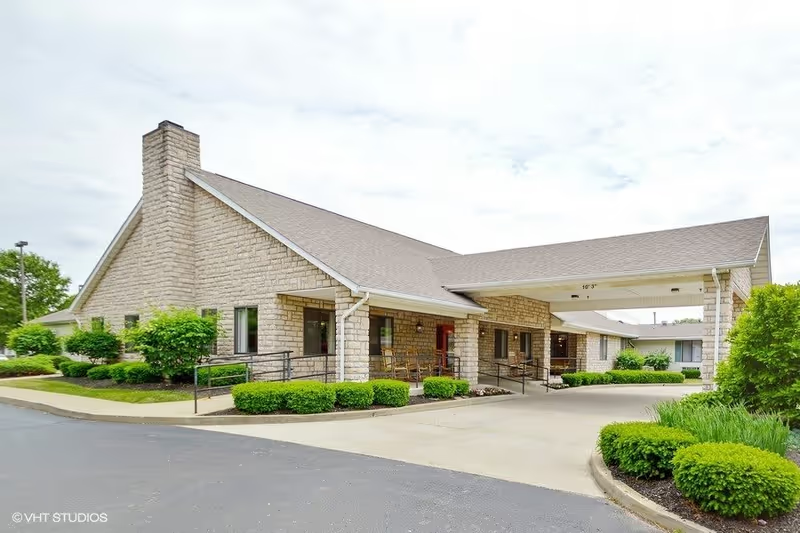
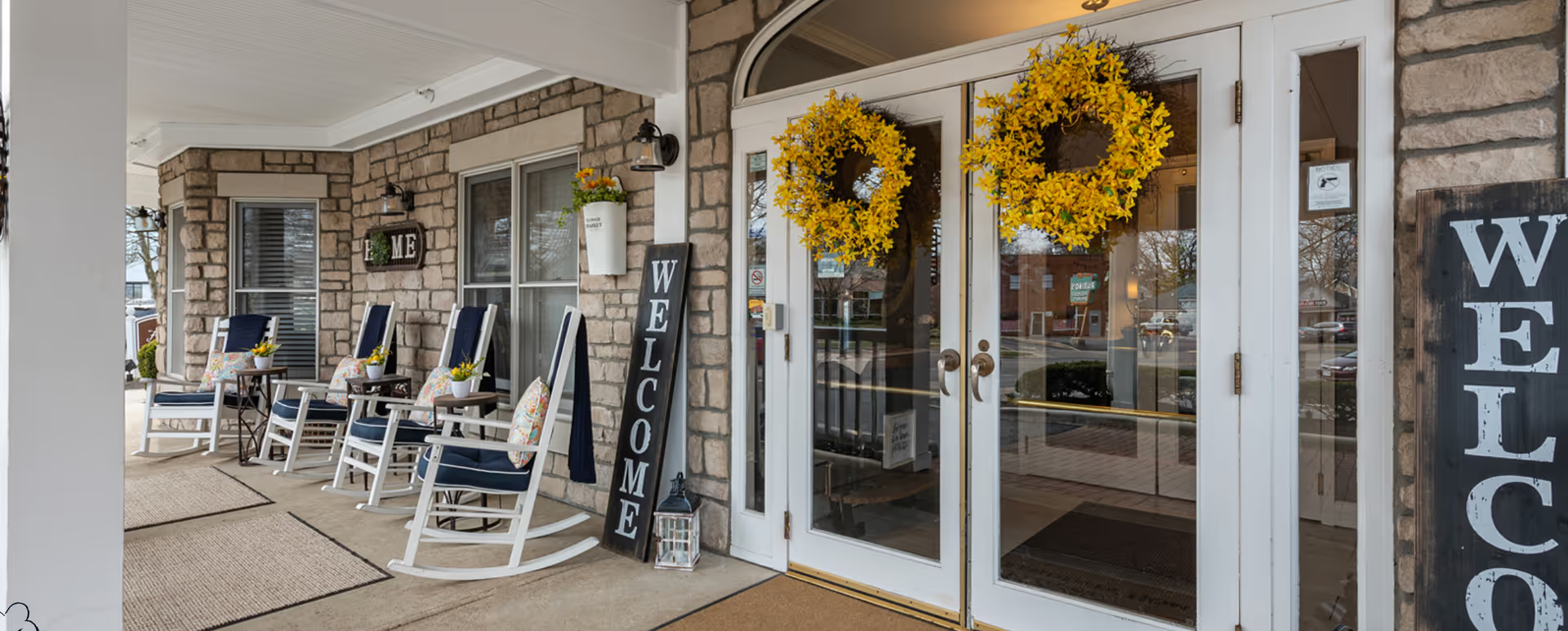
StoryPoint Gahanna Central presents as a small, neighborhood‑style assisted living and memory‑care community with many strengths commonly highlighted by families. The facility is consistently described as clean, bright, and home‑like, with a thoughtful floor plan of smaller “neighborhoods,” comfortable common areas, and an attractive central courtyard and garden. Reviewers frequently praise the care culture: staff are often characterized as compassionate, family‑oriented, and engaged, and several families noted visible, long‑tenured leadership and hands‑on management participation.
Clinical and direct‑care quality receives mixed but specific feedback. Many accounts emphasize attentive caregivers, strong dementia training, personalized care coordination, and 24‑hour nursing availability. At the same time, there is variability in caregiver skill and in how consistently clinical needs are met; reviewers referenced delays in responsiveness, uneven performance among aides, and concerns about infection‑control or clinical oversight in specific short‑stay situations. These mixed signals suggest the facility can deliver strong individualized care but that consistency may depend on staffing levels and specific teams on duty.
Dining and nutrition are similarly mixed. The community operates an in‑house chef and several families praised fresh, scratch‑made meals and pleasant dining experiences. Others described uneven food quality, seasoning issues, or insufficient mealtime assistance and encouragement for residents with cognitive or eating difficulties. Prospective families should confirm current menu offerings, meal‑service processes, and how staff support residents with reduced appetite or special diets.
Activity programming and social life are often cited as a strength, particularly for memory‑care residents. The community offers a varied calendar of events, live music, outdoor gatherings like BBQs, and family‑inclusive celebrations that several families appreciated. Engagement and variety, however, were not uniformly experienced; some residents participated actively while others encountered limited options that matched their interests. This indicates programming breadth is present but individual engagement may vary by neighborhood or resident mix.
Facility features and logistics are generally well regarded: clean rooms with natural light, single‑level navigation, pet‑friendly policies, and multiple small common areas that foster a home‑like atmosphere. Noted limitations include smaller unit footprints that may not accommodate larger furniture, occasional delays in addressing sanitation or maintenance items, and limited availability at times due to high occupancy.
Management and operational patterns show both strong and problematic elements. Multiple families praised an involved executive director and proactive communication around appointments and transitions. Conversely, there are recurring comments about inconsistent follow‑up on complaints, staffing shortages impacting responsiveness (especially after hours), and variability in leadership responsiveness. A few accounts include serious allegations of staff misconduct and of complaint‑related retaliation, and there are mentions of concerns following a resident's death; those items warrant direct discussion with administrators and review of incident documentation before placement.
In summary, StoryPoint Gahanna Central offers many features attractive to families seeking a small, home‑like assisted living or memory‑care setting: compassionate staff, active programming, clean facilities, and strong family engagement. Prospective residents should weigh these strengths against patterns of inconsistent staffing, variable dining and caregiving experiences, room size limitations, pricing, and the need to clarify how the community handles clinical oversight, sanitation response, and formal complaint resolution. An in‑person tour that includes a meeting with nursing leadership, review of staffing ratios, current infection‑control policies, meal samples, and clear explanations of pet policy and contract terms is recommended to evaluate fit for an individual’s needs.