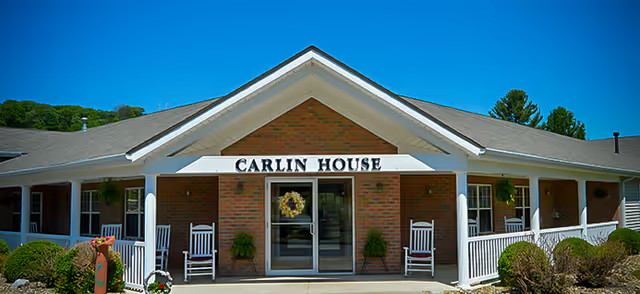
The reviews describe a facility with a mix of clearly positive interpersonal strengths and recurring operational weaknesses. Families and visitors frequently highlight compassionate, attentive nursing aides and several individual caregivers who provided thoughtful, resident-focused attention; these staff members contributed to a welcoming atmosphere and helped some residents settle and feel safe. Some therapy staff and substitute therapists were also noted as effective and helpful when present.
Despite those positives, there are consistent concerns about clinical quality and oversight. Reviewers describe repeated hospital readmissions for infections (including urinary tract infections and sepsis) and concerns about wound care and follow-up; these issues suggest gaps in clinical monitoring, care-plan execution, and infection-prevention processes. Several accounts raise medication-management problems, including administration errors and inconsistencies, which contribute to an impression of unreliable medication practices and occasional serious clinical consequences.
Staffing and communication are prominent operational themes. The facility appears to struggle with staffing shortages and turnover, which reviewers link to delays in care, inconsistent therapy delivery, and stress for residents. Families describe difficulties reaching clinical leadership and administrative staff—especially on weekends—and a pattern of poor follow-through when concerns are raised. This extends to nonclinical operations: transportation and appointment coordination are described as unreliable, and there are shortcomings in personal-property handling and searches when items go missing.
Facility- and service-level concerns also surfaced about cleanliness and odor in some areas, and mixed feedback on dining. Several family members reported that food quality did not meet resident preferences, with some residents disliking the meals. Activity and social engagement were generally framed positively where staff were actively involved in spreading positivity among residents, but therapy programs were characterized as inconsistent in scheduling and effectiveness.
Management and leadership perceptions are mixed to negative in many accounts. Reviewers described a lack of timely communication from administration, difficulty reaching the director of nursing, and limited visible physician presence; these operational gaps appear to amplify family frustration when clinical or practical issues arise. There are a few serious individual allegations related to medication handling and outcomes; these raise the need for close review and, if applicable, regulatory follow-up.
In summary, prospective residents and families should weigh the facility’s clear strengths in compassionate direct caregiving and a generally friendly atmosphere against operational weaknesses in clinical oversight, staffing consistency, communication, and property/transport logistics. If considering admission, ask for specifics about physician coverage, wound-care protocols, medication-administration checks, weekend contact procedures, staffing ratios, transportation arrangements, and how the facility documents and follows up on missing-personal-item searches and family concerns.