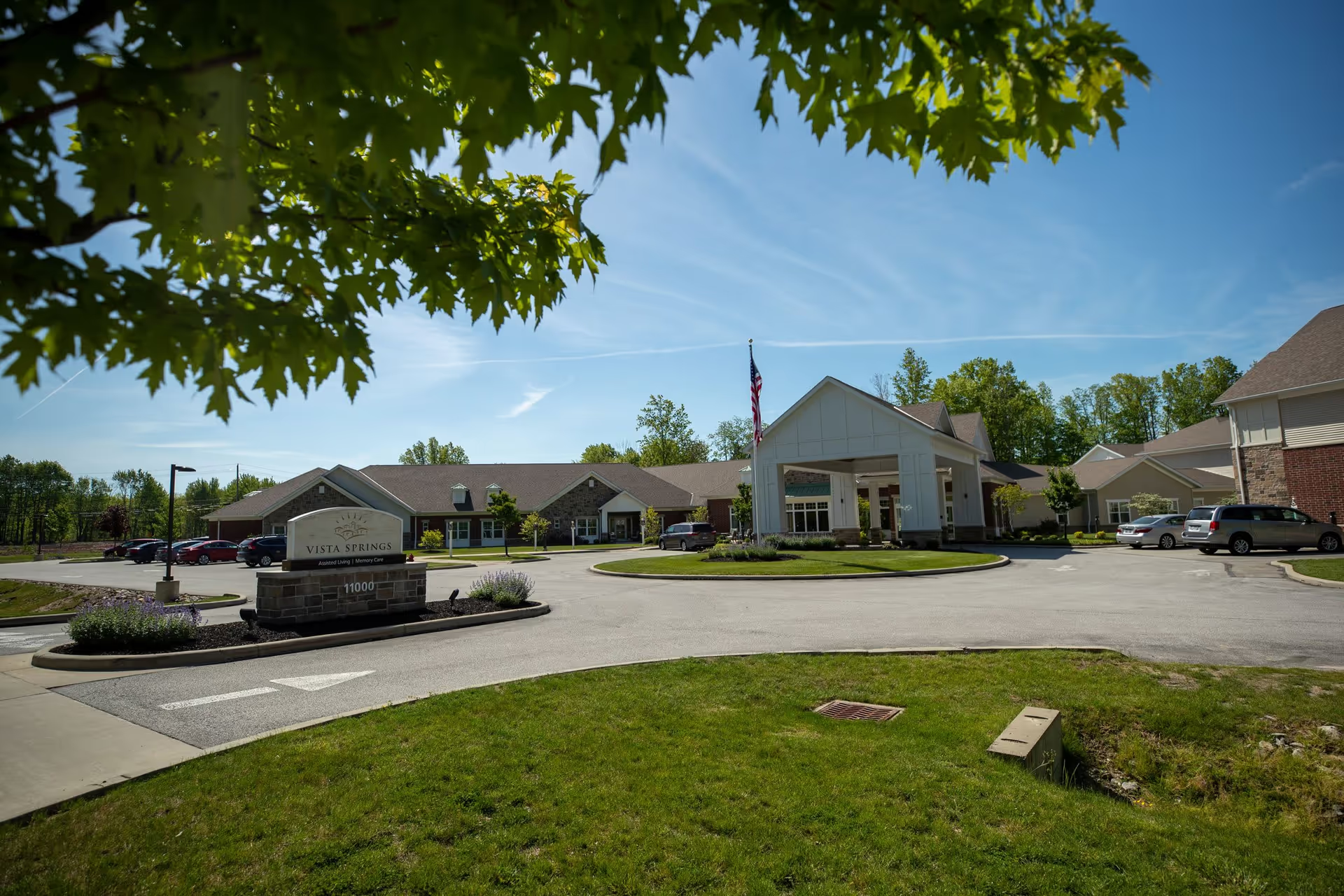
Care quality at this facility is widely described as variable. Many families and residents praise skilled therapists and several nurses and aides for attentive, compassionate care, particularly for short-term rehabilitation goals. However, recurring operational weaknesses—principally inconsistent staffing and a reliance on agency personnel—appear to produce frequent variability in day-to-day caregiving. Reported consequences include long call-light response times, inconsistent assistance with eating and toileting, delayed bathing and linen changes, unaddressed weight loss, and concerns about wound and pressure-area care.
Frontline staff evaluations are mixed. Reviewers often identify individual staff members (therapists, activity staff, some nurses and aides) as excellent and deeply committed; the therapy and activities teams receive especially consistent positive feedback. At the same time, many accounts note rude or unapproachable aides, inconsistent nurse availability, and agency staff who do not integrate smoothly with permanent teams. These staffing and conduct inconsistencies contribute to communication gaps and uneven handoffs across shifts, which reviewers link to missed medications, inconsistent glucose monitoring and insulin timing, and documentation irregularities.
Dining and nutrition are another polarizing area. While dietary staff are sometimes described as friendly and able to provide alternatives, multiple reviewers flagged cold meals, poor food quality, and inadequate diabetic meal options. These dining problems are cited alongside inventory and supply-management issues — for example, periods when medications or other supplies were unavailable — that affect continuity of clinical care.
Facility upkeep and sanitation receive mixed marks. Many reviewers commend clean, well-maintained common areas and responsive maintenance staff, yet others report delayed repairs (broken HVAC units, toilet and shower issues), sanitation concerns in particular units, odor concerns, and lapses in laundry and linen handling. Personal-belongings management is an occasional problem, with reports of missing clothing and inconsistent housekeeping on some units.
Management and leadership perceptions vary. Some families describe approachable administrators and clinicians who respond to issues; others describe management as absent or focused on financial priorities, and some note a perceived decline after ownership changes. There are also references to serious concerns, including allegations of discriminatory behavior and instances that raised questions about end-of-life care; these are not universal but are significant and elevated anxiety among affected families.
Notable patterns: therapy and activities are consistent strengths, while clinical and operational reliability (staffing, medication management, wound care, dining, and sanitation) are common sources of concern. Experiences appear highly dependent on unit, shift, and staff mix; this produces a polarized set of reviews ranging from highly positive to deeply dissatisfied.
For prospective residents and families, useful areas to probe during a tour include current staffing ratios and use of agency staff, protocols for medication administration and diabetic meal planning, wound-care and pressure-area monitoring processes, linen and laundry schedules, maintenance response times, and how management documents and communicates incidents and follow-up. Asking for recent survey results, staffing schedules, and examples of interdisciplinary handoffs may clarify whether the facility’s operational practices align with a family’s care expectations.