This set of reviews presents a mixed but consistent pattern: the facility's rehabilitation and therapy services are a clear strength, while several operational and administrative areas show recurring weaknesses. Many families and residents praise the therapy team for frequent, progress-focused sessions and for helping residents return home. Nursing staff and aides are frequently described as compassionate, attentive, and willing to go beyond routine duties; activities programming and accessible outdoor spaces are also repeatedly highlighted as positive aspects.
Care and staff: Clinical rehabilitation services and therapists receive strong positive remarks for responsiveness, frequency of sessions, and measurable progress. Nursing and direct-care aides are often characterized as caring and supportive, with examples of attentive fall-risk monitoring and assistance at mealtimes. However, reviewers also describe inconsistent staffing levels and the use of temporary staff, which correlate with delays in response to call bells, uneven follow-through on requests, and variability in clinical visits. These operational gaps appear to affect continuity of care and family confidence in some cases.
Administration, communication, and records: A notable cluster of concerns relates to administrative practices. Reviewers describe inaccuracies in medical records and emergency-contact information, which raise both safety and privacy concerns. Family communication is also inconsistent: administrators sometimes provide conflicting information or fail to follow through on commitments. Several accounts mention delays or nonresponse to family inquiries and emergency alerts. These themes point to a need for stronger recordkeeping controls and clearer, more reliable family communication protocols.
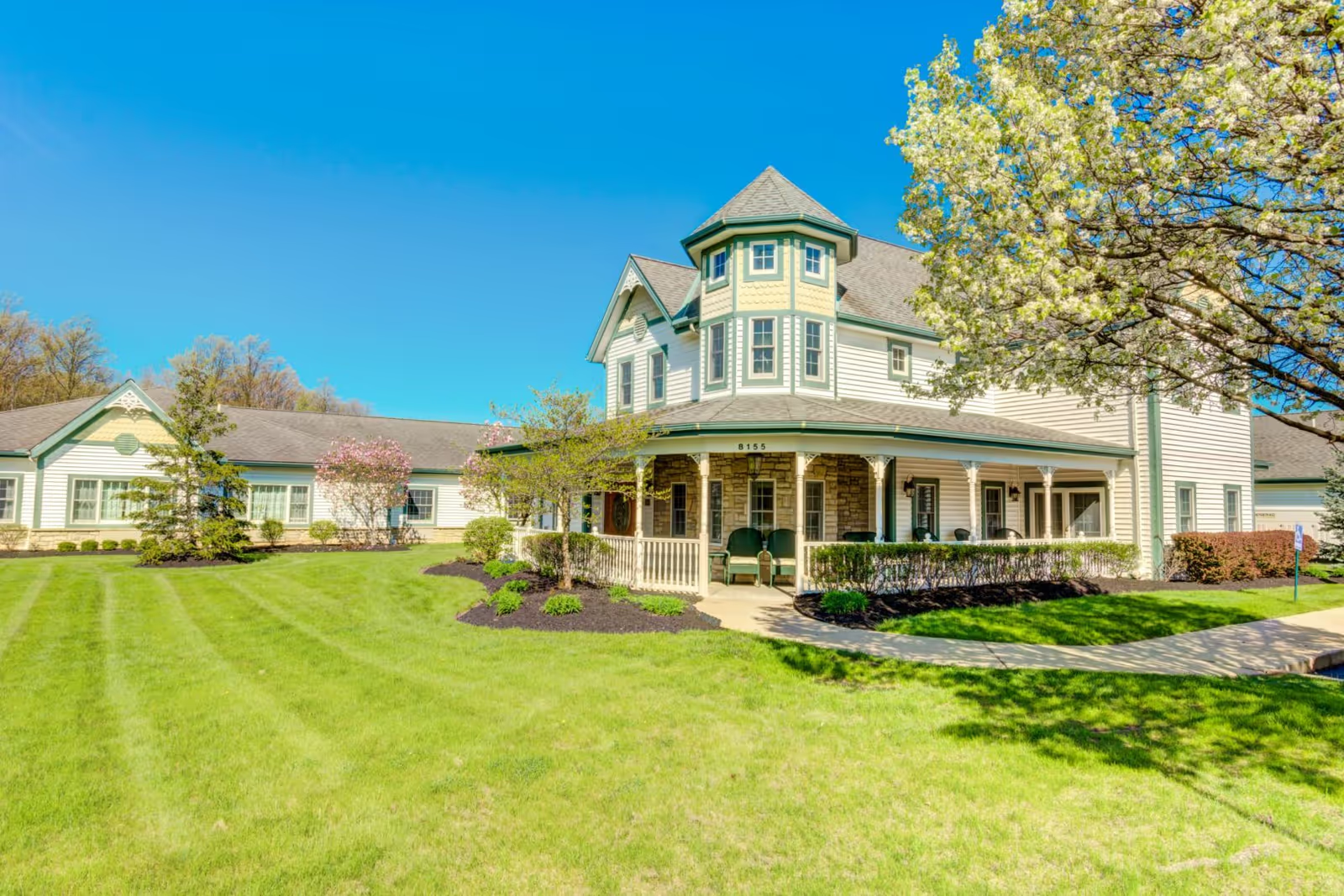
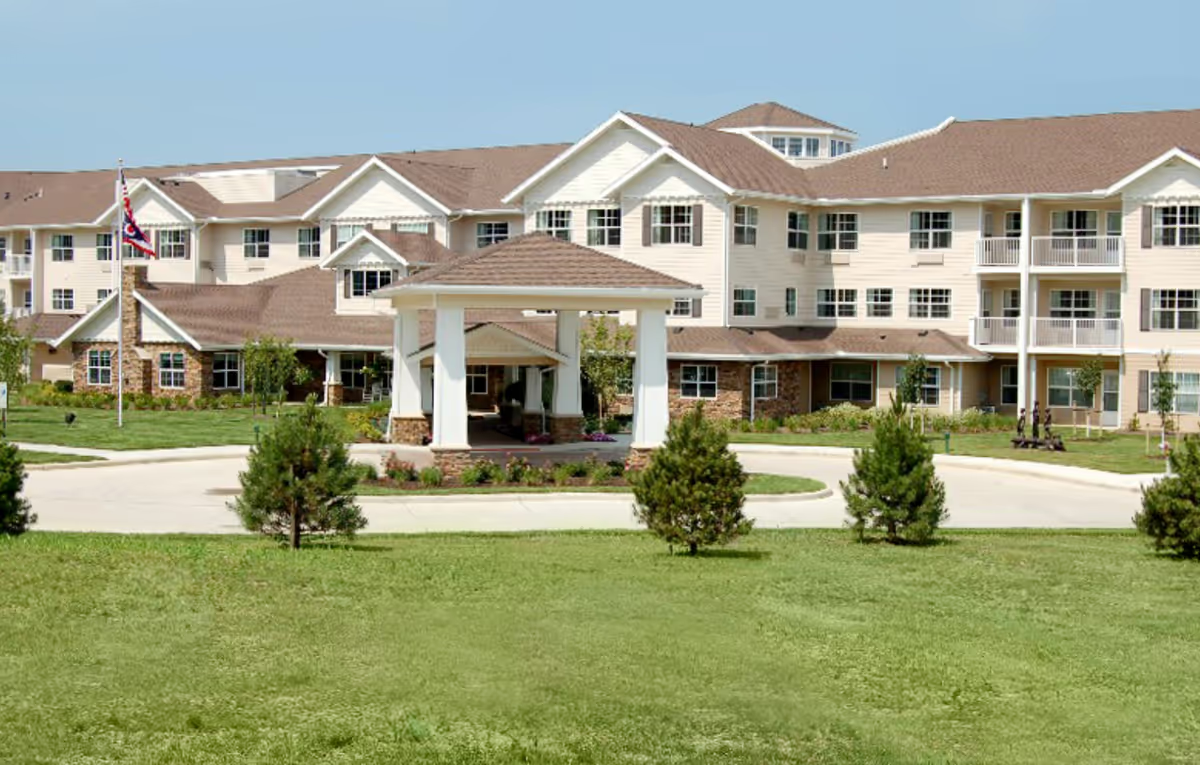
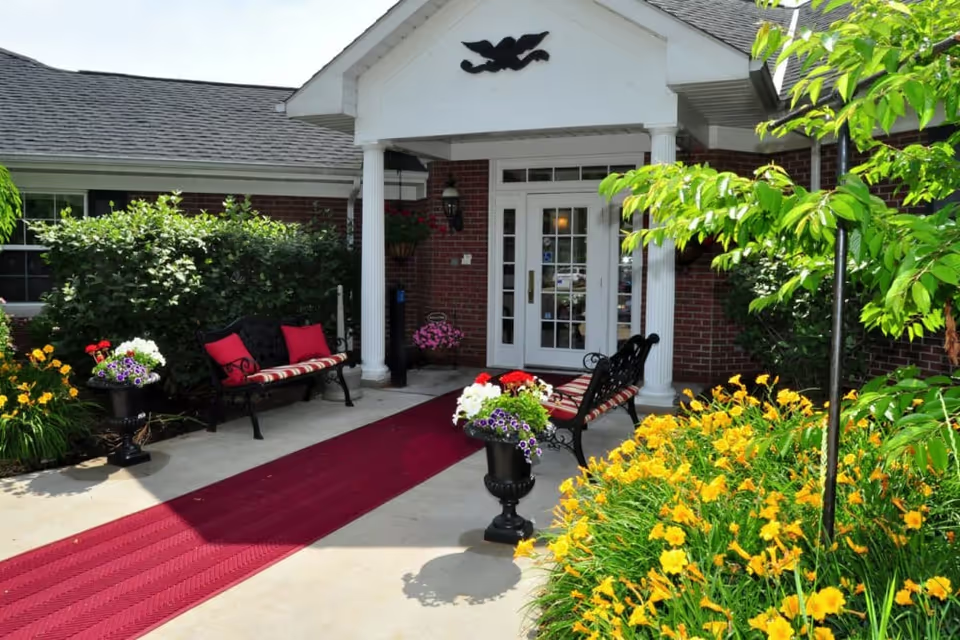
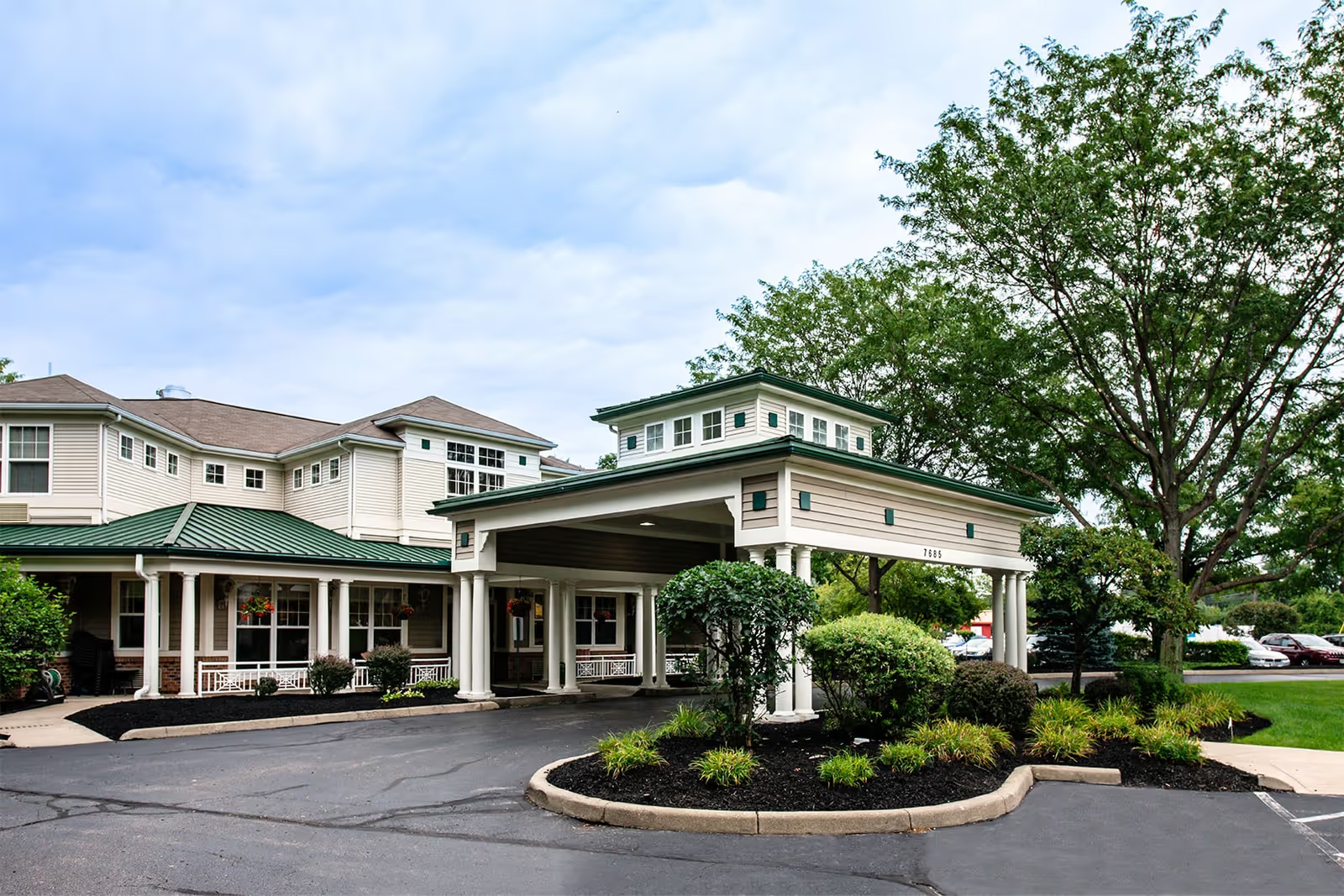
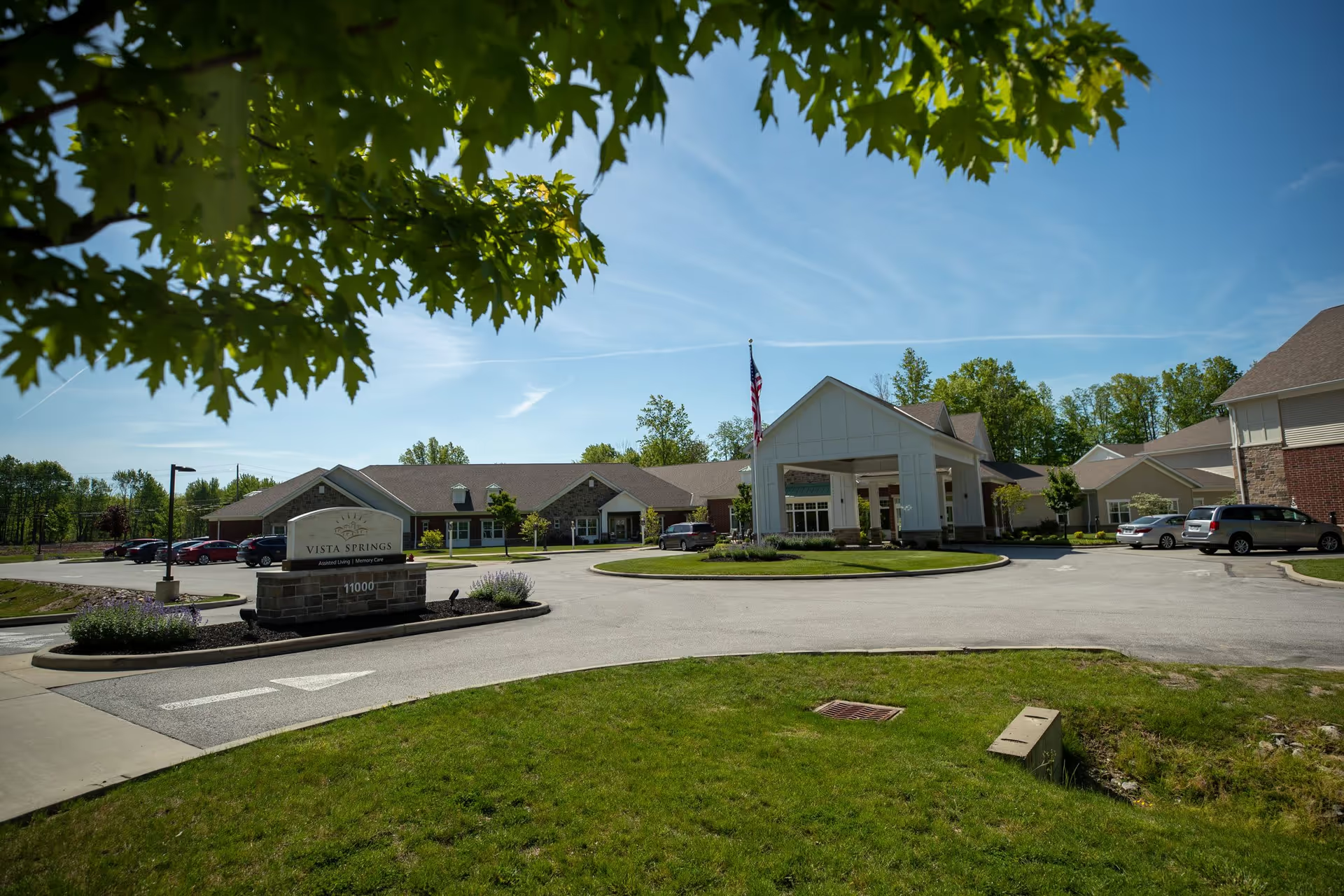
Dining, housekeeping, and facilities: Opinions on dining and housekeeping are mixed. Some families describe healthy, tasty meals and clean laundry service; others find meal options limited and variable in quality. Cleanliness and sanitation receive uneven assessments—communal areas and rooms are described as welcoming by some but as having sanitation and odor concerns by others. The activities department and outdoor gardens are consistently praised, and common areas are generally described as pleasant. Private rooms may be small or shared, and several reviewers indicate the environment feels more aligned with short-term rehabilitation than with comfortable long-term residence.
Safety and emergency preparedness: There are specific accounts of inadequate safety checks during events such as power outages and instances where emergency alerts were not promptly addressed. These reports, combined with record inaccuracies and staffing variability, suggest gaps in emergency preparedness and routine safety monitoring that the facility should address.
Overall impression and fit: The facility appears well-suited for individuals seeking intensive short-term rehabilitation due to a strong therapy program and many compassionate frontline caregivers. For families considering long-term placement, the reviews indicate the importance of verifying current staffing stability, record-accuracy practices, dining options, and the facility's responsiveness to family communication. Improvements in administrative accountability, recordkeeping, housekeeping consistency, and emergency procedures would address the most frequently cited weaknesses and create a more uniformly positive experience.