Reviewer feedback for Mentor Ridge Health and Rehabilitation Center presents a mixed but distinct pattern: clinical rehabilitation and many elements of the resident experience are frequently praised, while operational and safety processes show notable variability.
Care and clinical services: The facility’s rehabilitation program receives consistently positive remarks. Physical and occupational therapy teams are described as active, collaborative, and effective at restoring function; several families credited therapy staff with measurable functional improvement. Nursing staff are often characterized as compassionate and approachable, and some reviewers highlighted strong interdisciplinary coordination and a deficiency‑free survey status. However, there are serious clinical concerns reported alongside these positives. Reviews indicate gaps in medication administration and reconciliation, lapses in infection‑control management and disclosure, and at least one account of a serious infection that led to hospitalization and further procedures. These clinical issues suggest uneven application of safety protocols and the need for clearer clinical handoffs and antibiotic/medication oversight.
Staffing, responsiveness and conduct: Many reviewers praise individual caregivers, aides, and support staff for kindness and attentiveness, and some describe a family‑like culture. At the same time, staffing levels and responsiveness vary by shift: evenings and nights are frequently cited as understaffed, with delayed responses to call lights and alarms and occasions when residents lacked timely attention. Some reviewers described distracted staff behavior (for example, staff engaged in non‑work activities at stations) and inconsistent communication tone. These patterns point to workforce and supervision challenges that affect the resident experience unevenly.
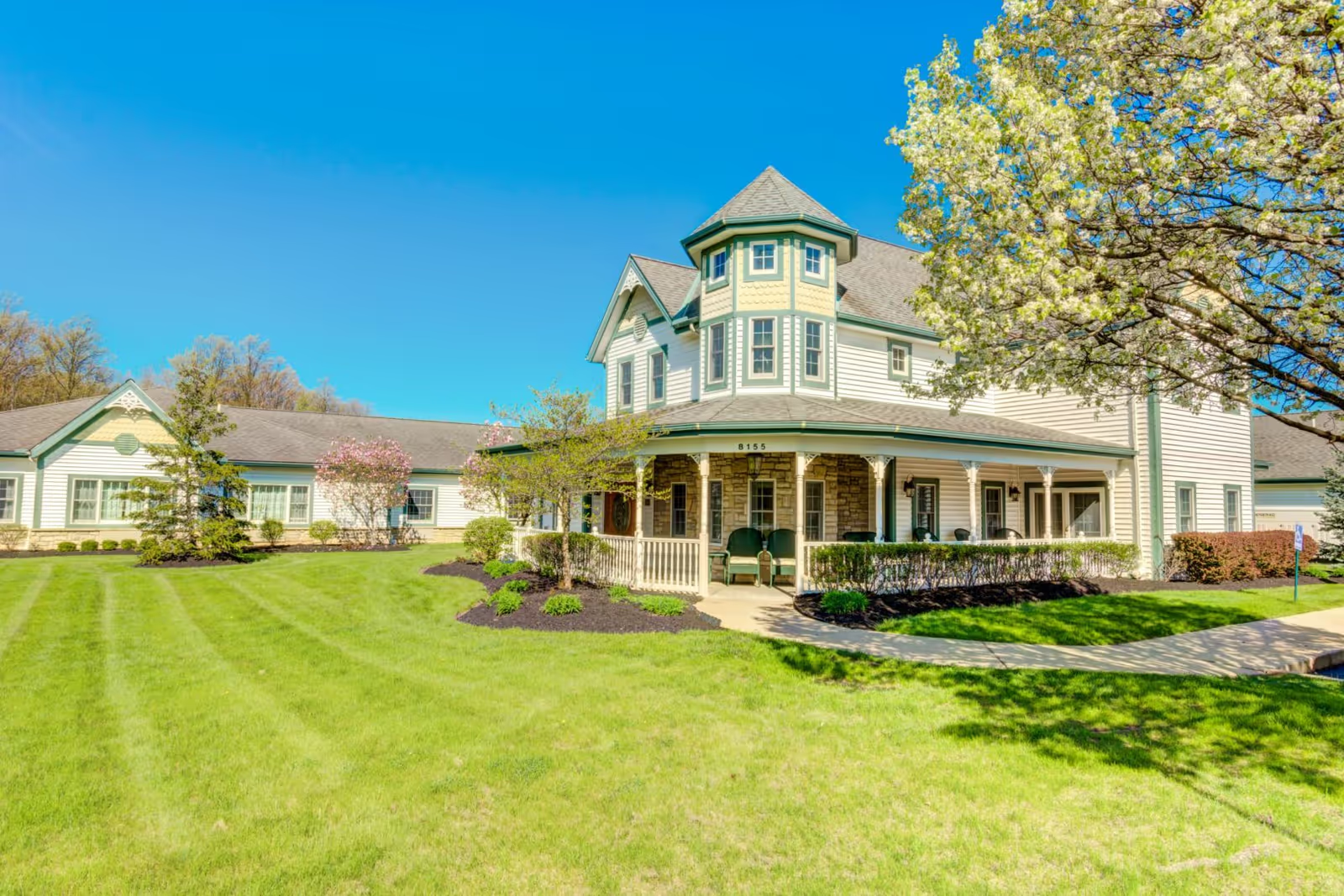
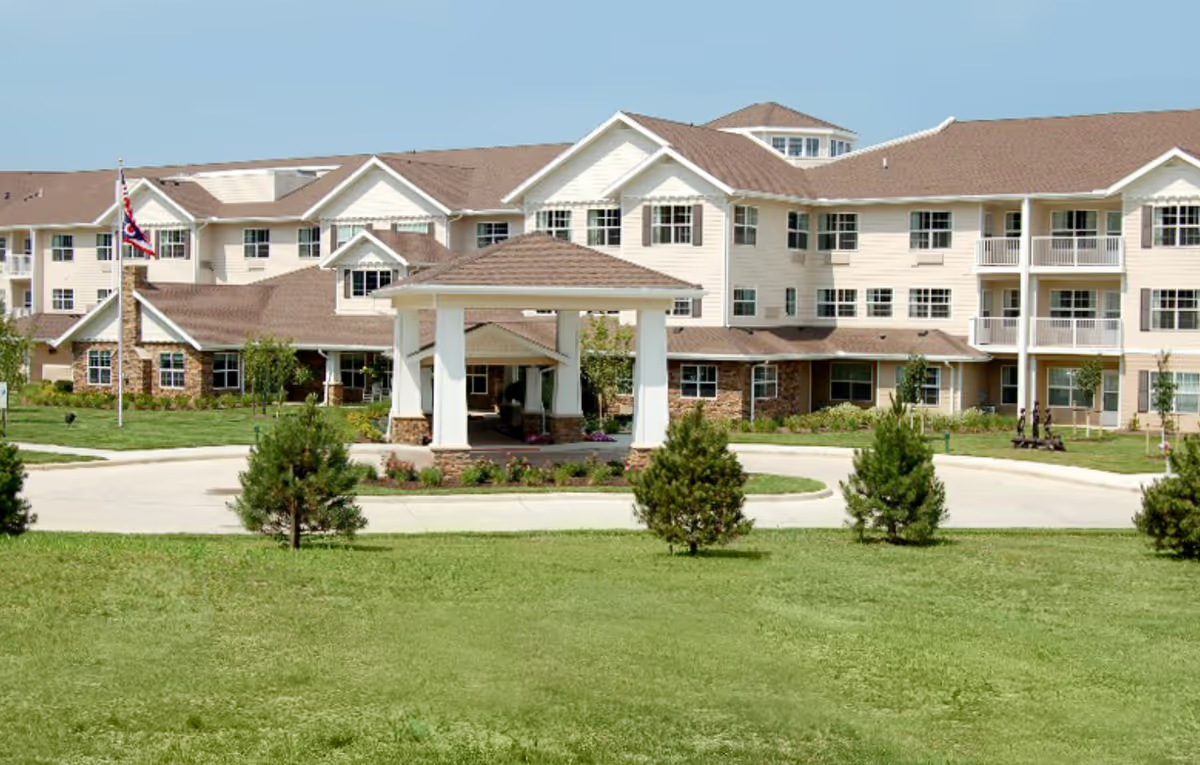
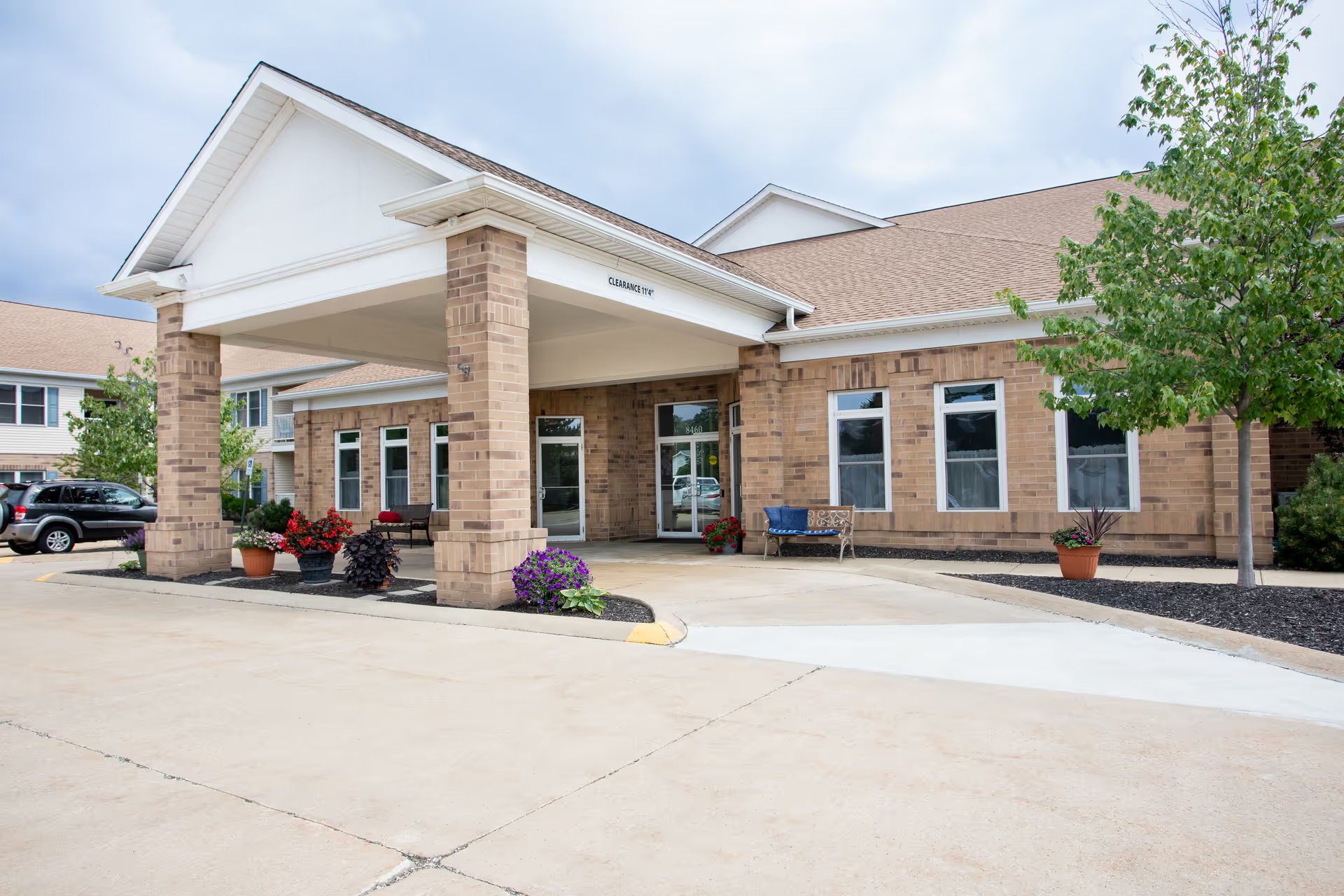
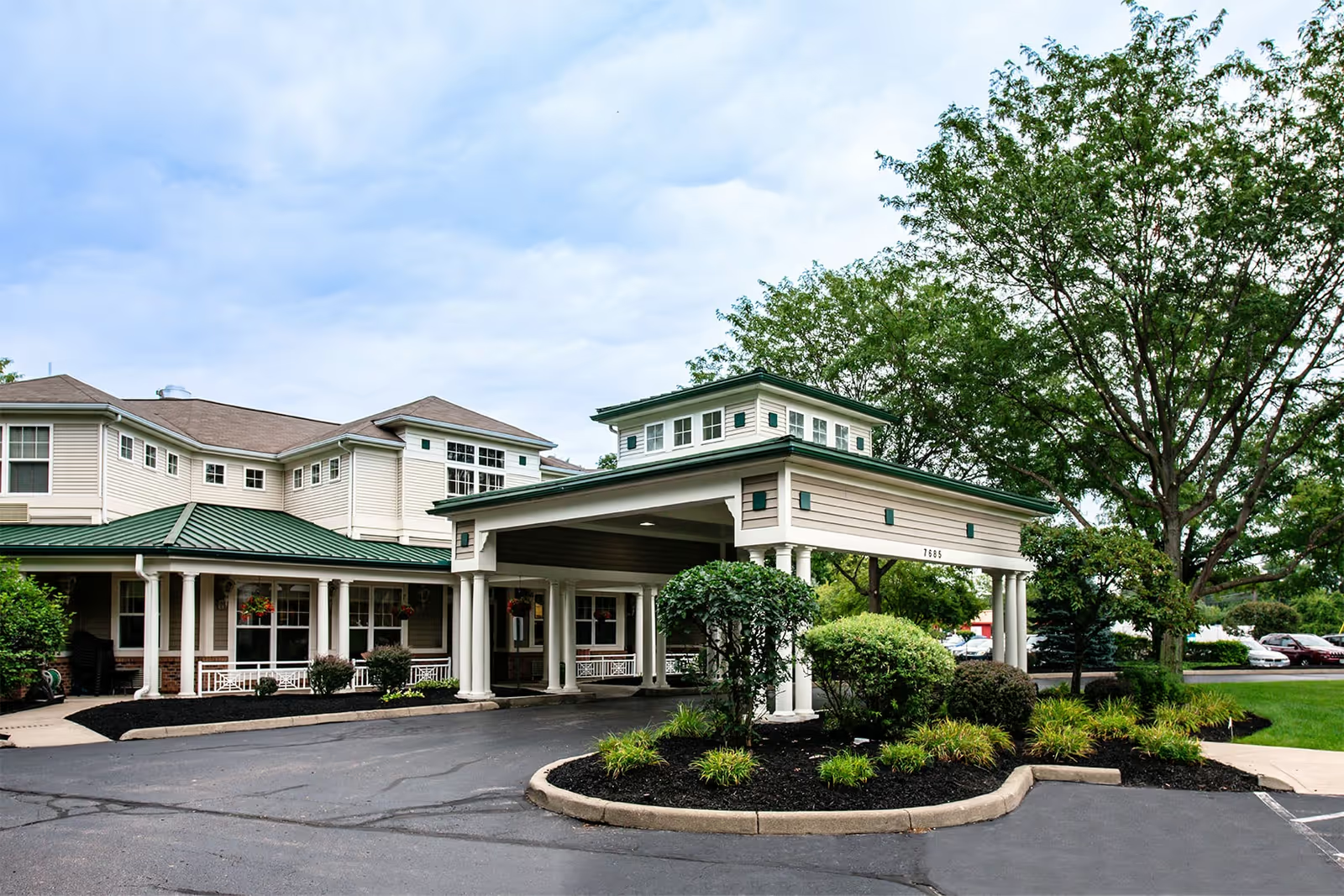
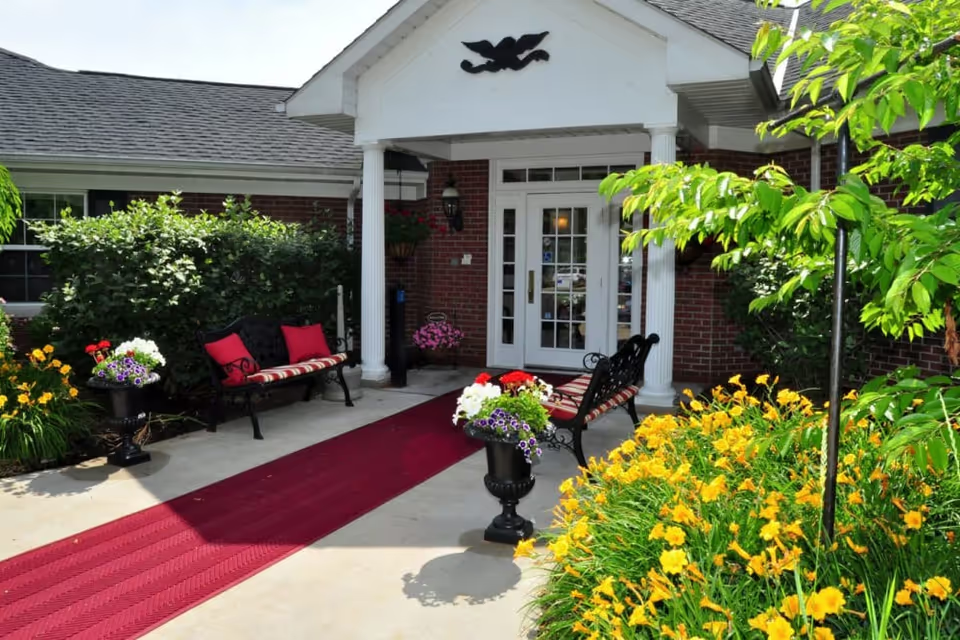
Dining, activities and facility environment: The building and grounds are commonly described as clean, modern, and well maintained, with a home‑like atmosphere and attractive social spaces (including an onsite coffee social hub). Activities programming, outings, and a large activities room receive positive remarks and appear to be strengths of the community. Dining evaluations are mixed: several reviewers praised food quality and dietary responsiveness, while others reported cold meals, menu preferences not met, and dietary needs not consistently addressed. This indicates variability in meal service execution and consistency.
Management, records and discharge processes: Administrative experiences are mixed. Some families singled out engaged leaders who facilitate outings, personalize care, and expedite requests; others experienced slow or absent responses from administration, full voicemails, and difficulties obtaining medical records. Multiple reviews flagged delays or problems with records access and HIPAA‑related communications. Discharge planning also shows variation: a number of accounts describe thorough, smooth discharges, whereas others report premature discharges or inadequate aftercare planning that resulted in readmission. Together these items suggest inconsistent operational processes for records, family communication, and care transitions.
Notable patterns and considerations: The overall picture is one of a facility with strong rehabilitation capabilities, attractive physical space, and many committed staff members, but with inconsistent operational reliability in key safety and communication areas. Concerns most frequently cluster around staffing variability by shift, medication and infection‑control practices, call‑response times, family communication, and discharge/aftercare coordination. There are also isolated but serious allegations related to staff dishonesty and lapses in records handling that prospective families will want to clarify.
Advice for prospective residents and families: If considering this facility, seek specific, documented answers about staffing ratios for evenings and nights, medication‑administration safeguards, infection‑control protocols and notification procedures, and the facility’s approach to discharge planning and post‑discharge follow‑up. Ask to review recent survey results, incident logs, and examples of communication policies for families. Visiting during different shifts (including evenings and weekends), meeting therapy staff, and requesting references from recent families can help evaluate whether the operational weaknesses highlighted in some reviews are currently being addressed.