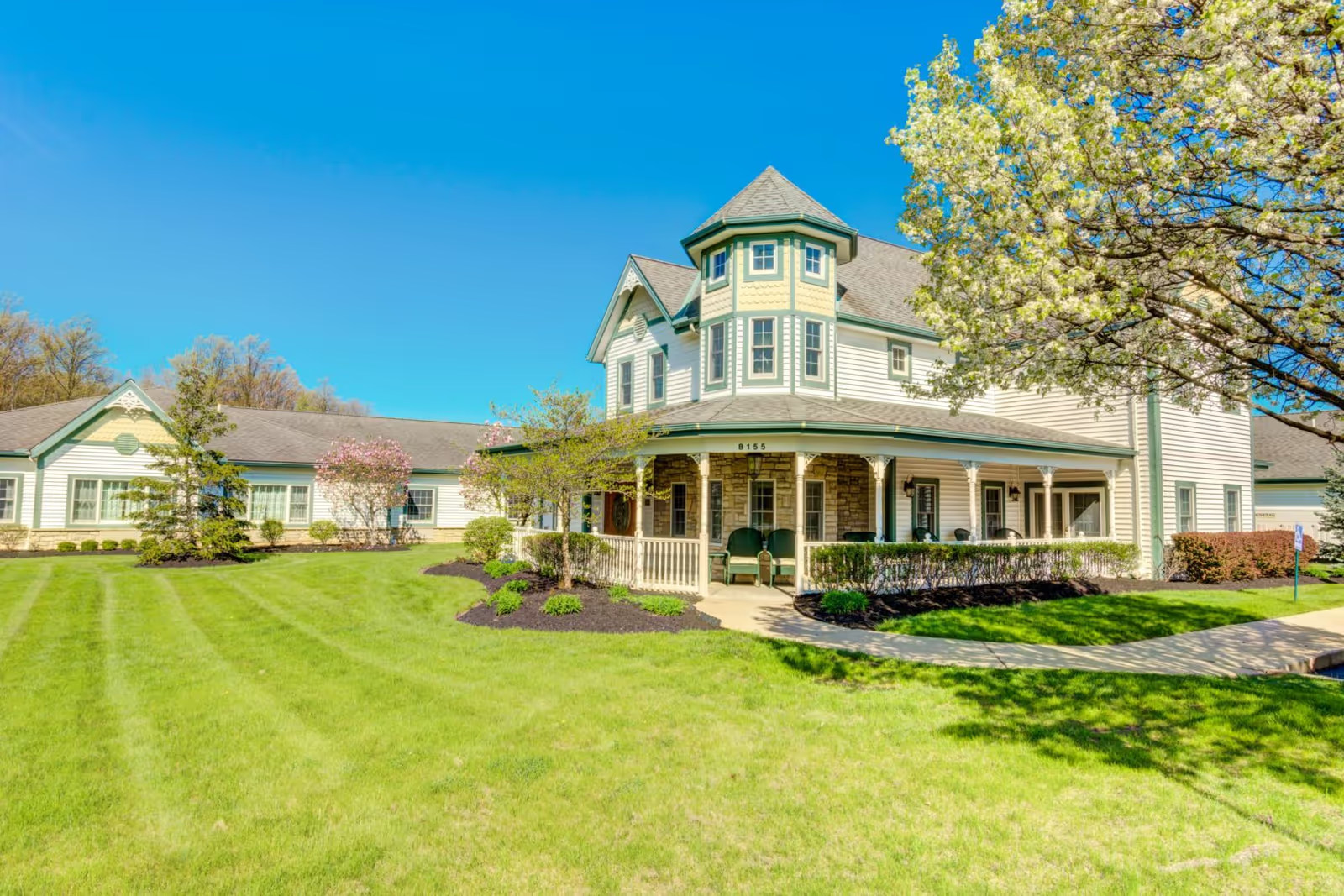
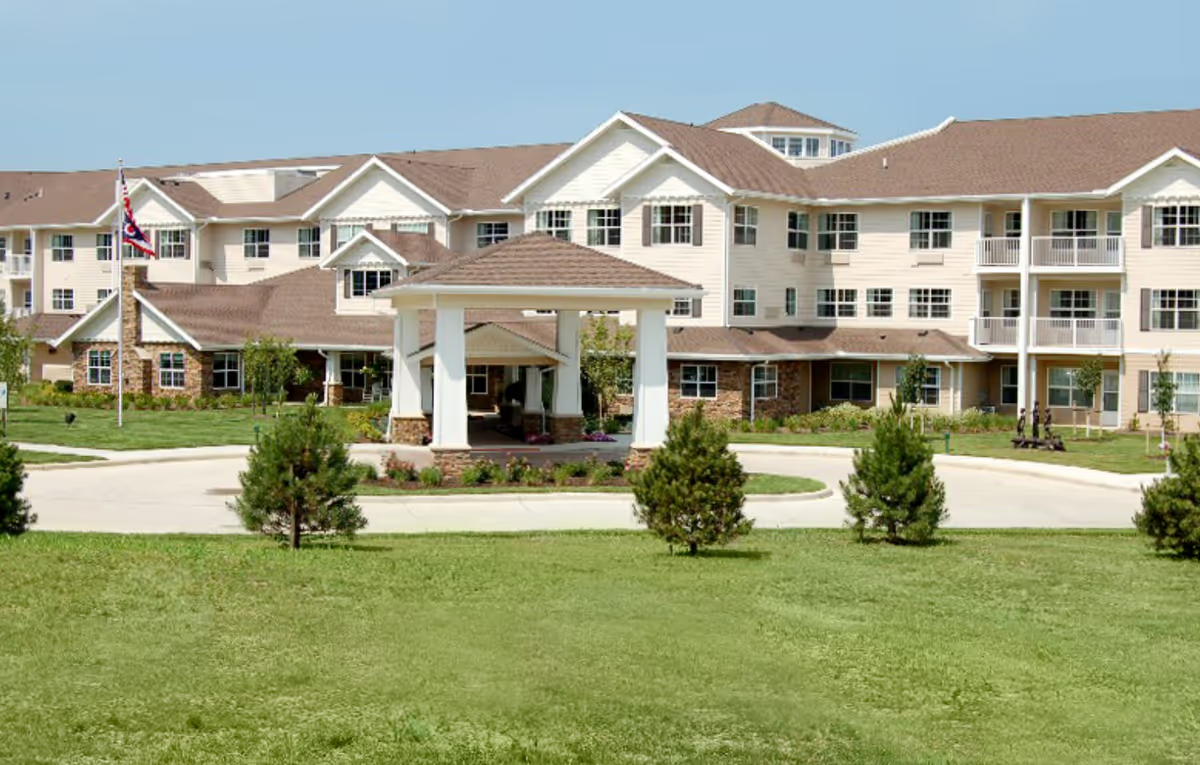
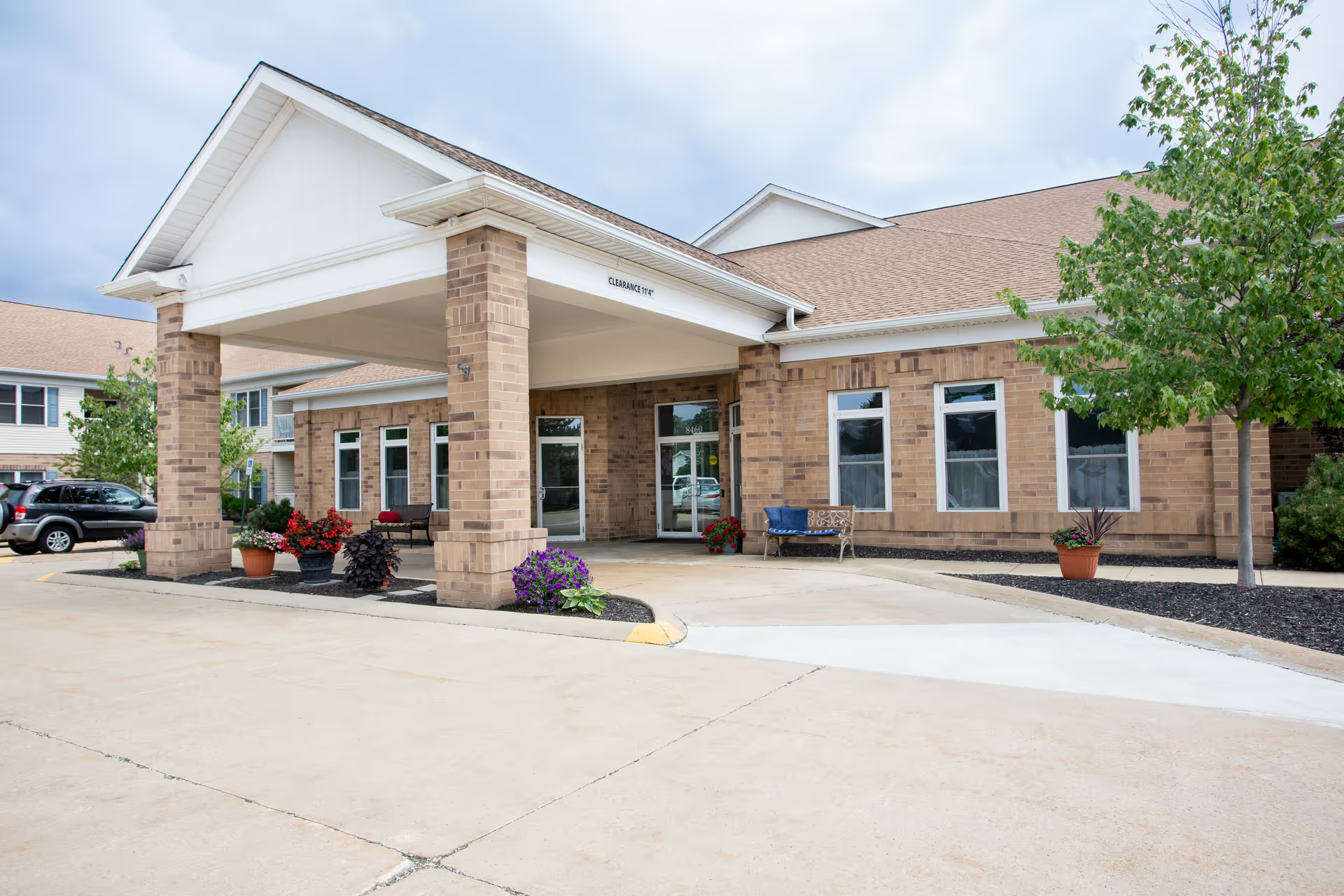
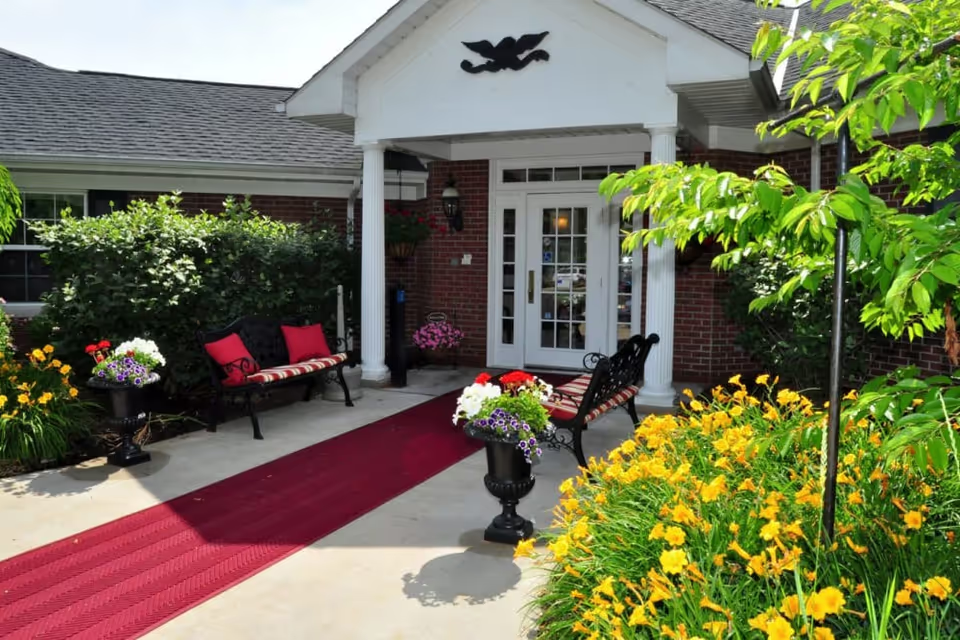
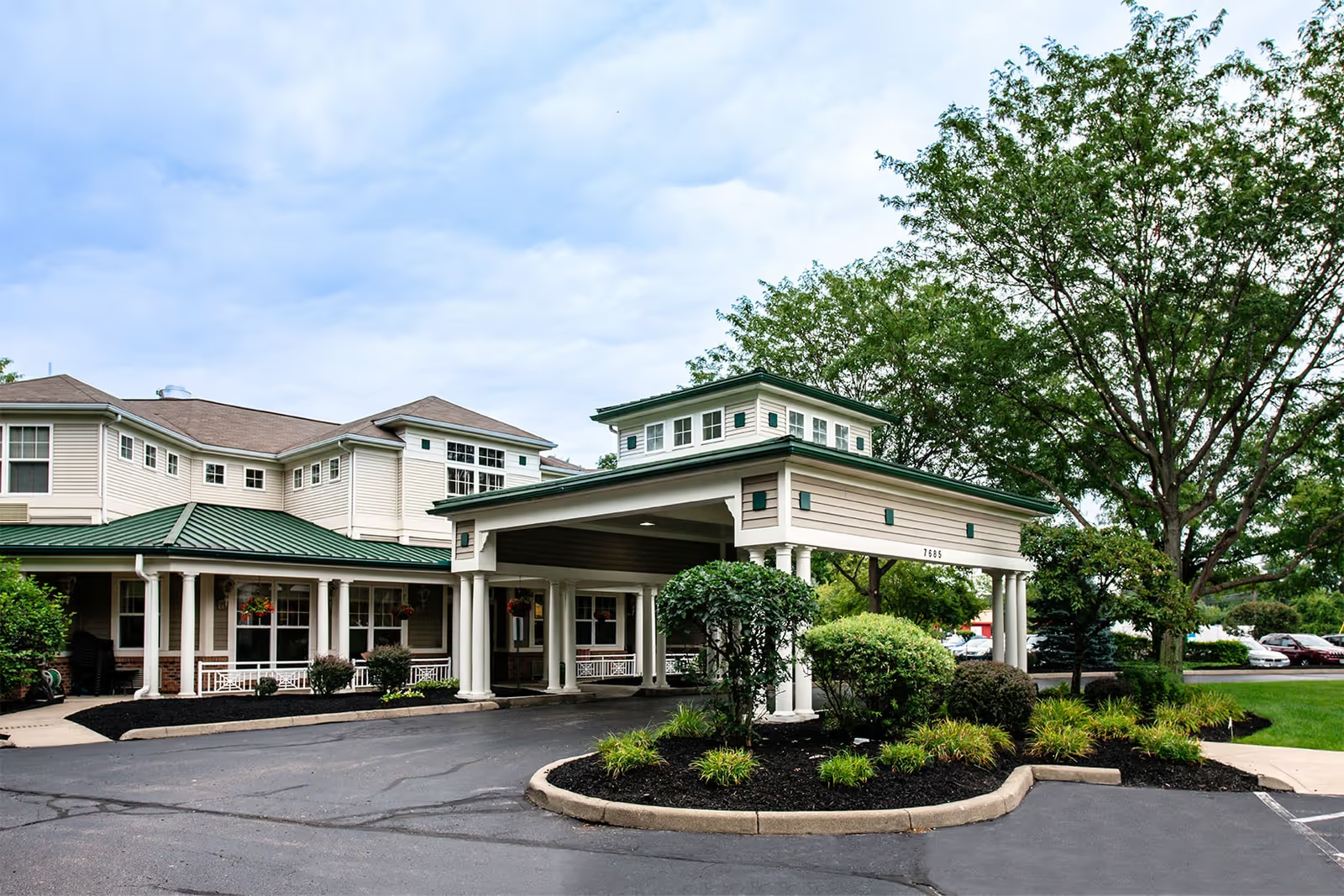
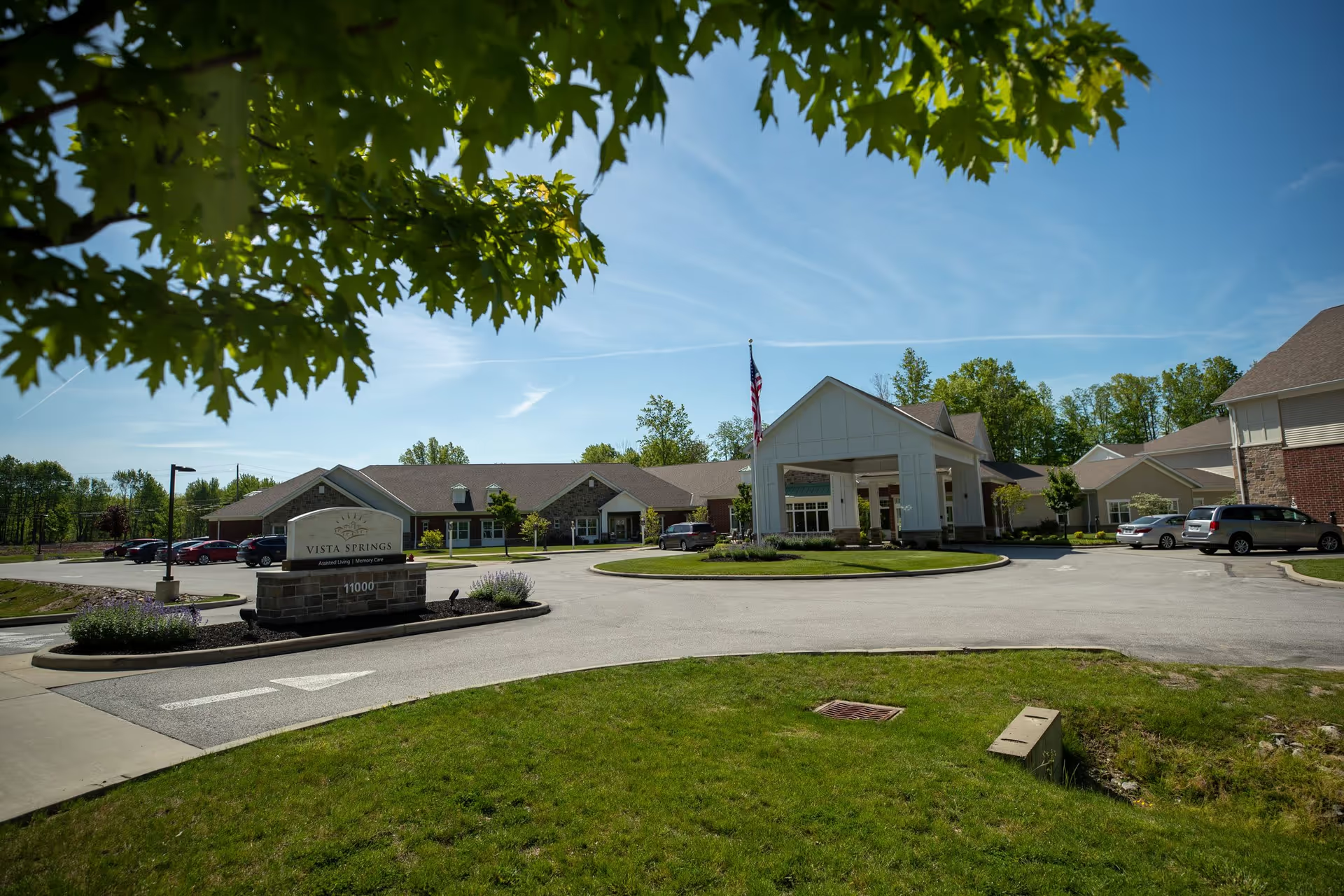
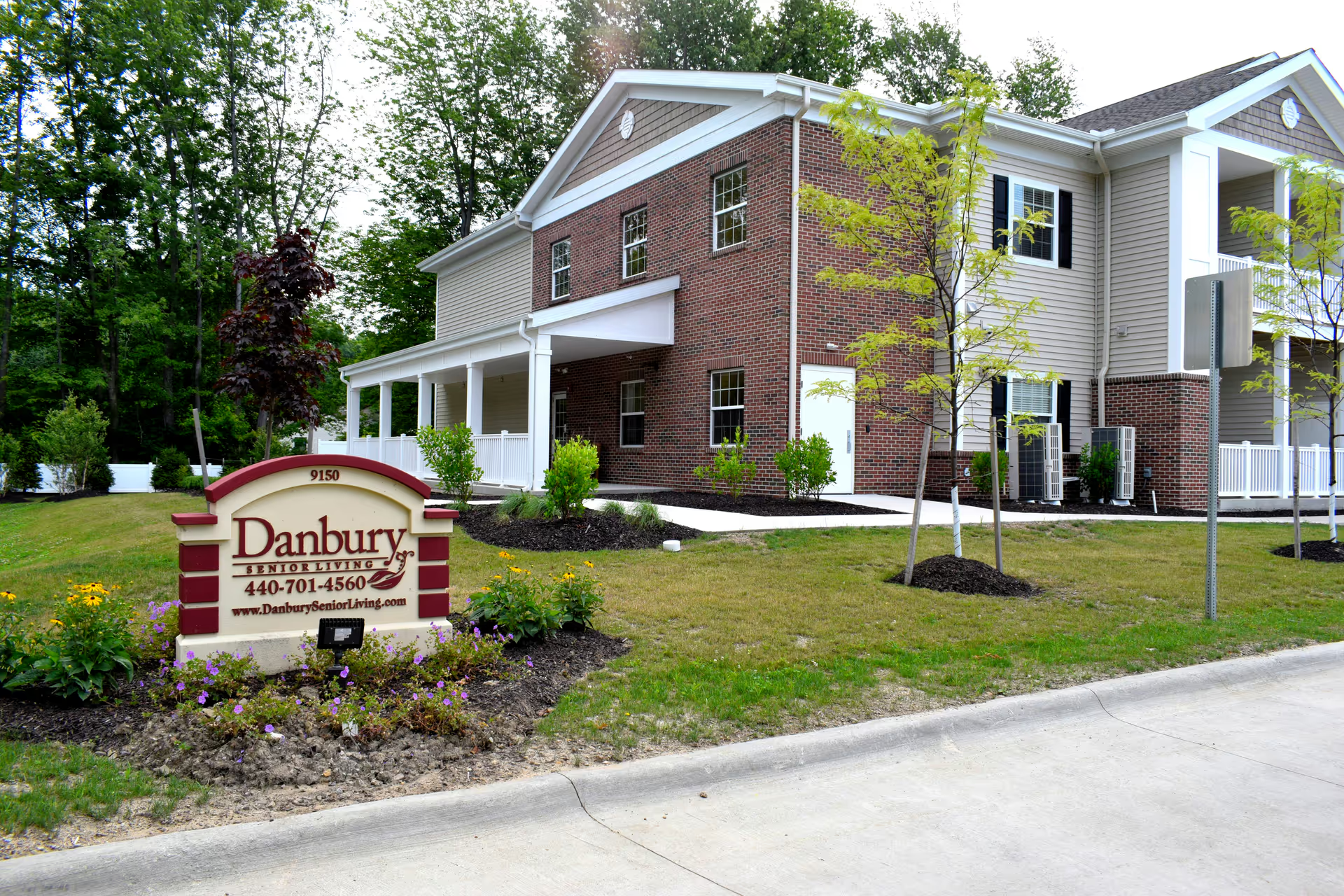
Feedback for Vitalia Mentor is mixed, with a clear split between families who describe very positive experiences and those who raise substantive operational concerns. Many reviewers praise individual staff members and departments—particularly therapy/rehab, wellness nursing, admissions, and dining/concierge teams—and describe the building as attractive, well furnished, and comfortable. At the same time, multiple accounts describe facility-level weaknesses that affect safety, consistency of care, and day-to-day operations.
Care and staff: Reviewers frequently highlight compassionate, attentive caregivers and several named coordinators and directors who provide strong, reassuring leadership. Therapy and rehabilitation services receive consistent positive remarks for effectiveness and responsiveness. However, staffing instability and high turnover are recurring themes. Families describe slow responses to assistance requests and call lights, inconsistent medication administration and clinical follow-up, and variable communication from nursing leadership. These patterns suggest pockets of dependable care alongside periods of reduced staffing coverage and delayed clinical responsiveness.
Dining and activities: The community’s restaurant-style dining model, flexible meal hours, and social dining atmosphere are strengths for many residents. Some families describe the food as high quality and the dining room as an active social hub. Conversely, others report inconsistent meal quality, frequent stockouts of menu items, and occasional shortfalls in bistro offerings. Activities programming is generally viewed positively, with many engagement options, but some reviews note unfulfilled or irregularly scheduled activities and limited fitness equipment.
Facilities and safety: The facility’s new construction, attractive finishes, and well-maintained common areas are noted positively. At the same time, reviewers raise operational concerns about design and safety features—examples include shower access limitations, non–walk-in shower thresholds, bathrooms and rooms that are tight for larger needs, nonfunctional emergency pull cords or other sensors, and bistro or amenity equipment outages. Several reviewers also express sanitation and pest-control concerns in particular common areas. These items point to a need for ongoing facilities maintenance and verification of safety systems.
Management, billing, and compliance: Admissions and tour staff are often described as welcoming and helpful, and some directors are singled out for prompt issue resolution. Nevertheless, families report inconsistent administrative responsiveness in other cases, including delayed follow-up, perceived dismissive communication, and unexplained billing changes or additional charges. There are even allegations of regulatory noncompliance in a few accounts; families should verify regulatory standing and enforcement history as part of any evaluation.
Notable patterns and recommendations: The overall picture is one of an aesthetically strong community with clear strengths in therapy, select caregiving staff, and social dining, paired with operational variability in staffing, clinical follow-up, dining consistency, and facilities upkeep. Prospective residents and families should conduct in-person visits during active meal and activity times, ask specific questions about current staffing levels and turnover, request documentation about safety systems and sensor/camera maintenance, review contract language around billing and additional charges, and clarify pet policies if relevant. These targeted inquiries will help determine whether the facility’s praised elements align with the prospective resident’s priorities and risk tolerance.