Care quality at the facility appears mixed and polarized. Many families and residents describe attentive, compassionate caregiving and positive long-term outcomes, particularly for those receiving rehabilitation and physical therapy. At the same time, other accounts raise serious concerns about timely clinical care: delays in responding to call lights and requests, medication-administration problems, and lapses in oxygen and safety monitoring have been reported. These contrasting perspectives suggest that the resident experience may depend heavily on unit staffing and shift patterns.
Staffing and staff conduct are key drivers of the variable experiences. Positive comments highlight warm, caring direct-care staff and a family-like atmosphere; several reviewers specifically praised frontline caregivers and the supportive workplace culture. Conversely, recurring operational issues—staffing shortages, high turnover, and inconsistent communication between management and frontline employees—are associated with delayed care, missed needs, and uneven customer-service tone at reception. Reviewers also noted that specialized units, including the dementia/Alzheimer's wing, sometimes appear to have weaker staffing or less consistent expertise compared with other parts of the facility.
Dining and nutrition have shown improvement over time according to multiple accounts. A dedicated dietary manager and post-renovation changes are linked to higher satisfaction, more accommodating meal options, and better presentation for many residents. However, reports of inconsistent meal temperature and occasional subpar food service remain an operational weakness to monitor.
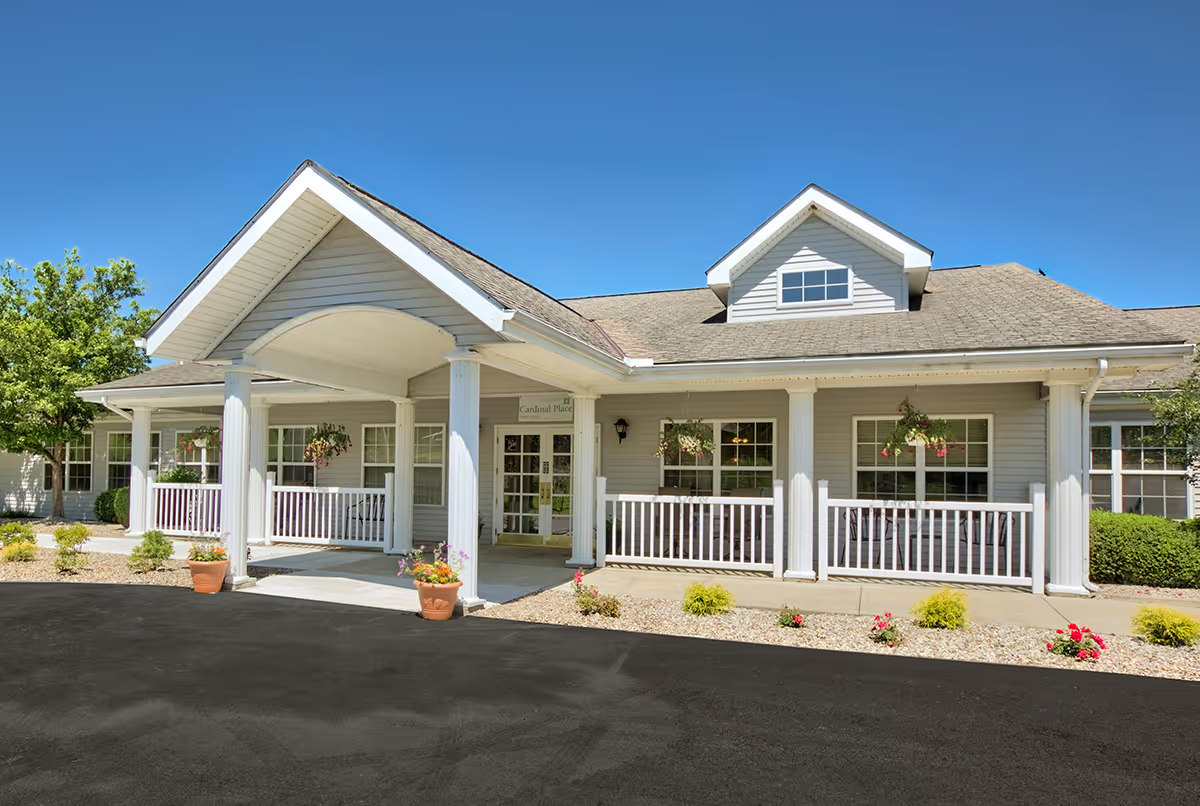
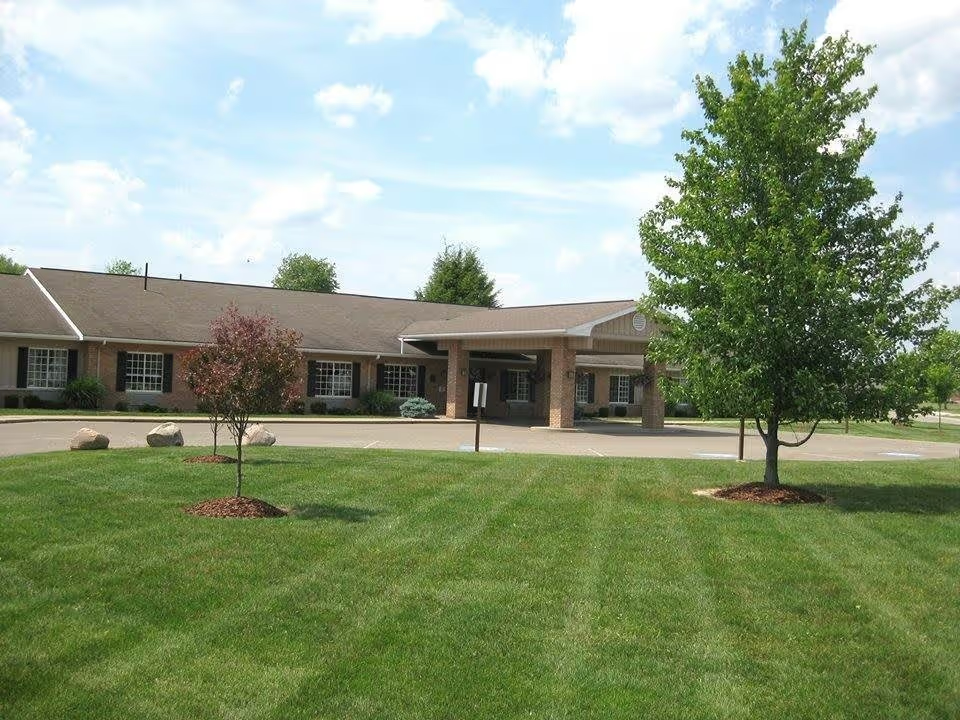
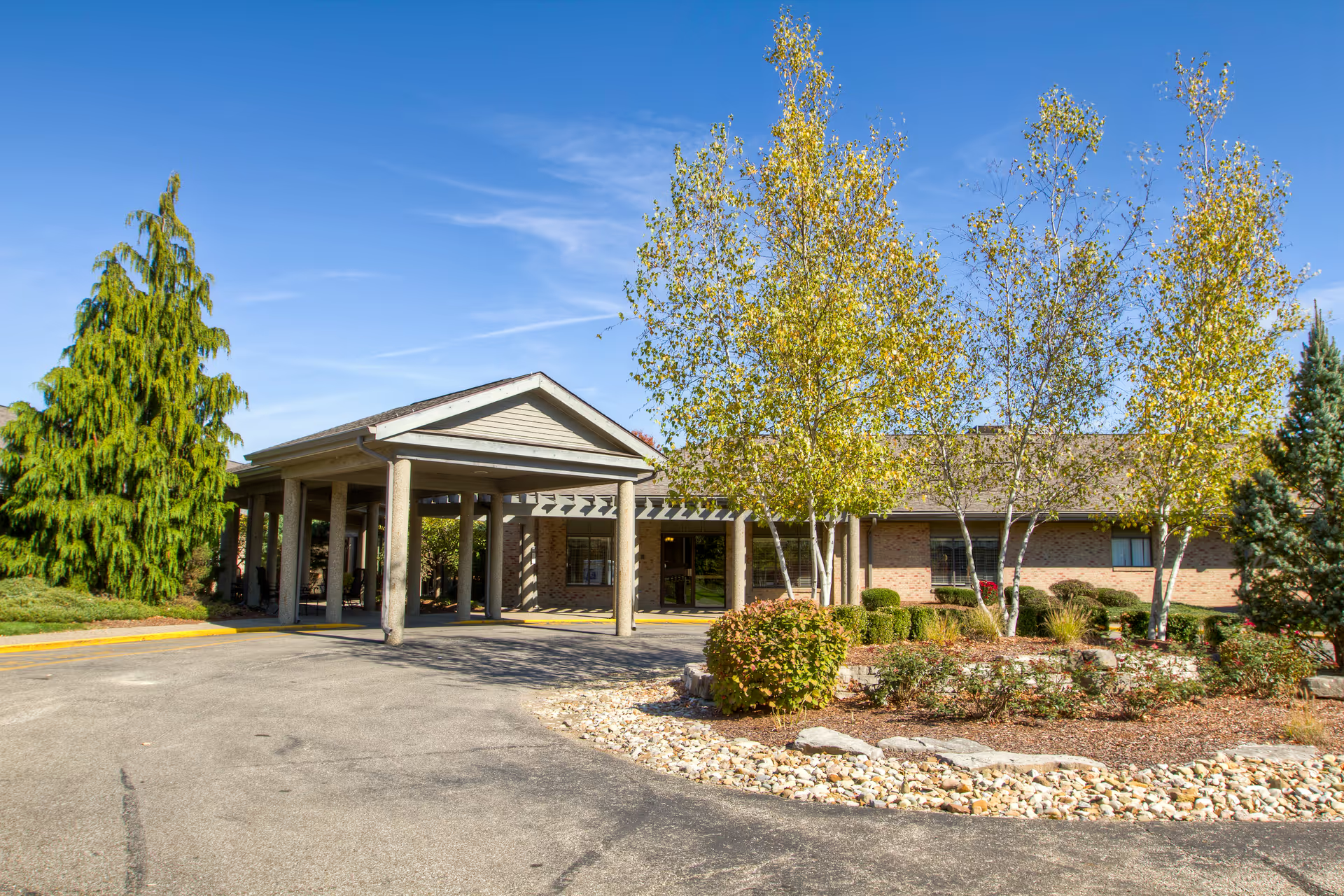
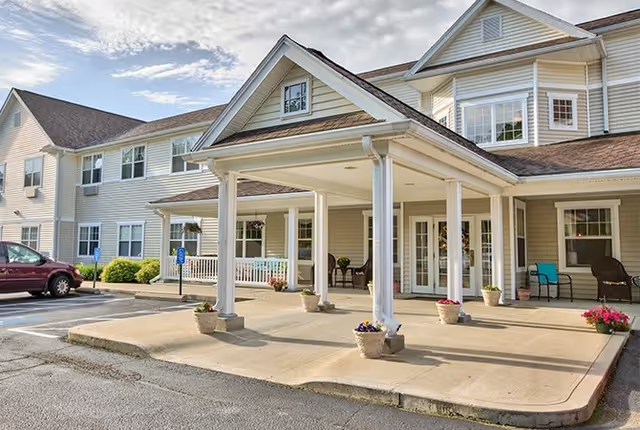
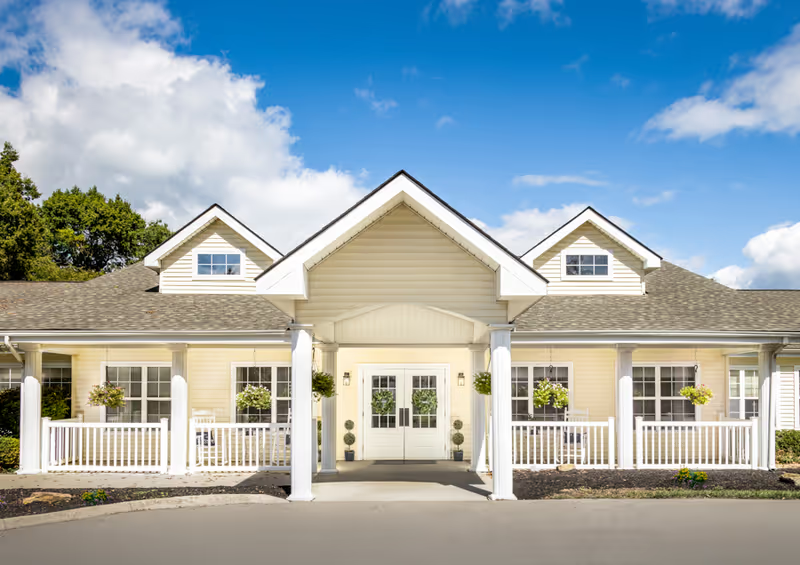
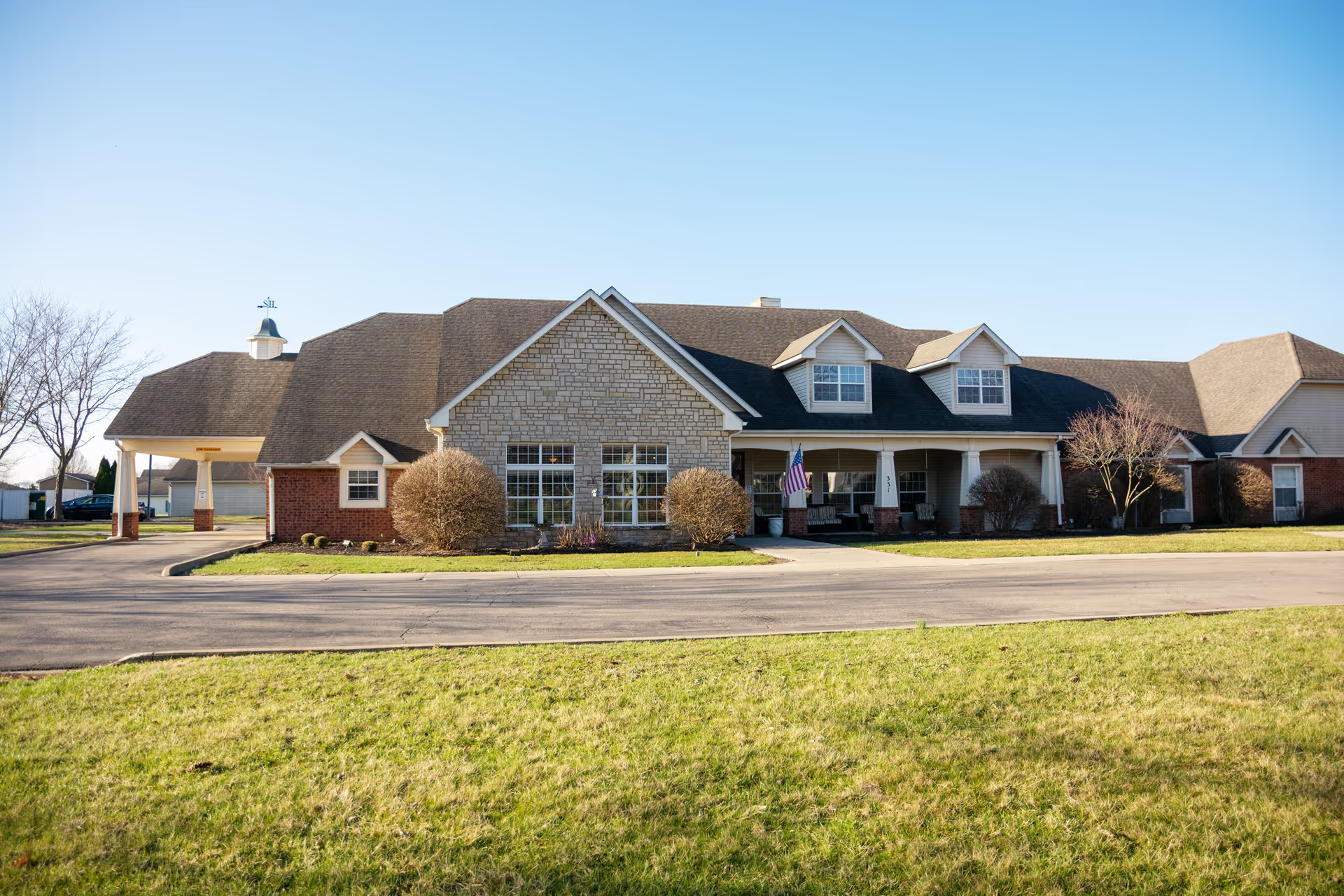
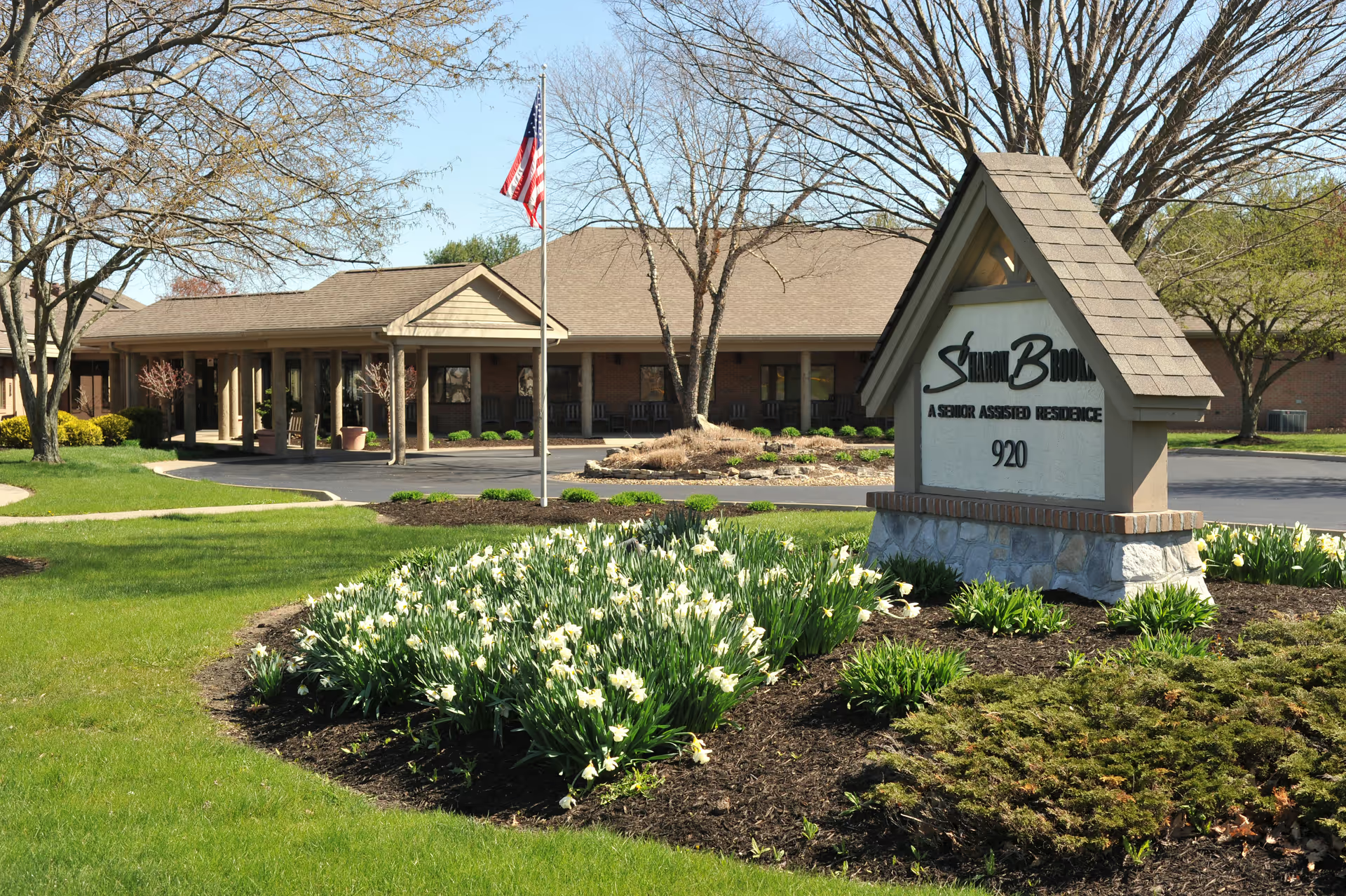
Facility condition and amenities are generally described positively. The building exterior and recent interior renovations were praised, with mentions of clean common areas, private rooms, and updated hallways. That said, a subset of reviewers reported sanitation or pest-control concerns and episodic infrastructure issues (for example, air-conditioning problems and disruptive nighttime construction) that affected resident comfort. Renovation work was also cited as a source of disturbance when scheduled during evening hours.
Management performance receives mixed evaluations. Several reviewers singled out the director of nursing for active involvement and timely resolution of concerns, and others described improved oversight following management engagement. At the same time, there are consistent notes about weak downward communication, unfriendly front-office interactions, and variable follow-through on discharge planning and coordination.
Notable patterns for prospective residents and families: experiences appear to cluster—some households report consistently excellent care and good outcomes, while others report operational failures that affected safety and dignity. Serious allegations of inappropriate physical treatment and undue restriction have been made and merit careful inquiry. For families considering this facility, recommended actions include touring multiple units (including the dementia wing), asking for current staffing ratios by shift, reviewing medication- and oxygen-management protocols, inquiring about recent pest-control and sanitation measures, and confirming the schedule and impact of any ongoing renovations. Direct conversations with the director of nursing about discharge planning and incident communication practices may also clarify how the facility addresses and prevents the kinds of concerns described by some reviewers.