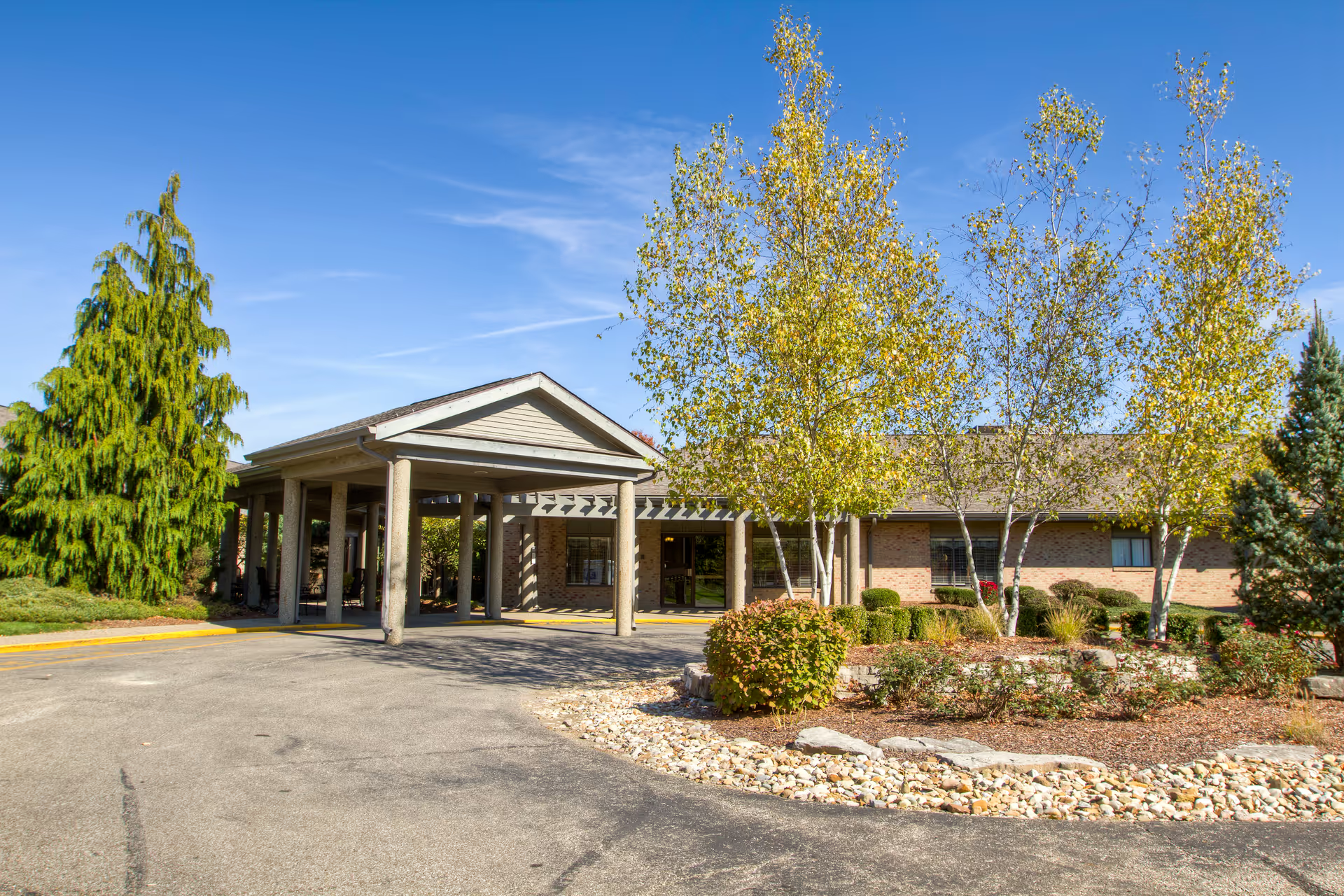
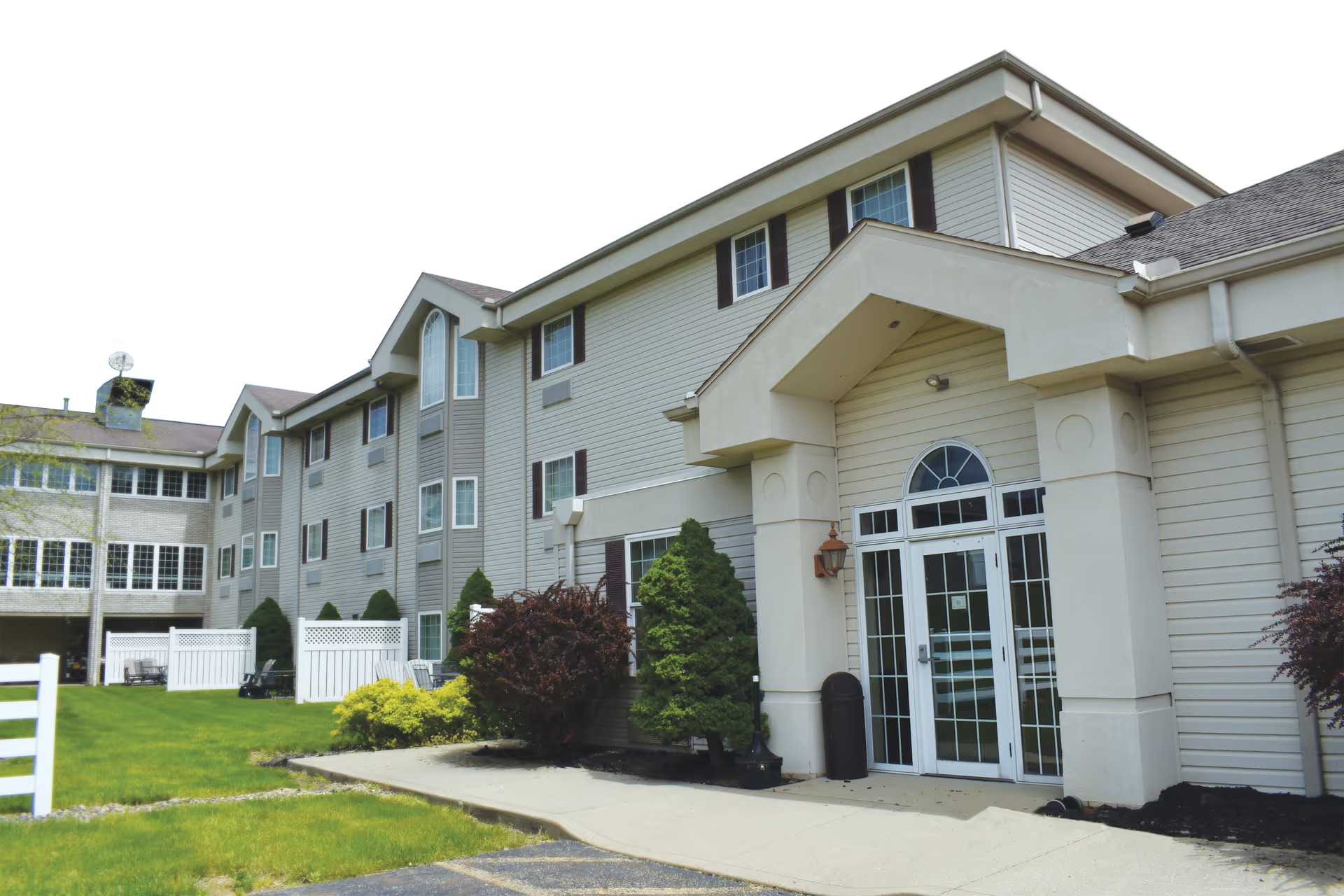
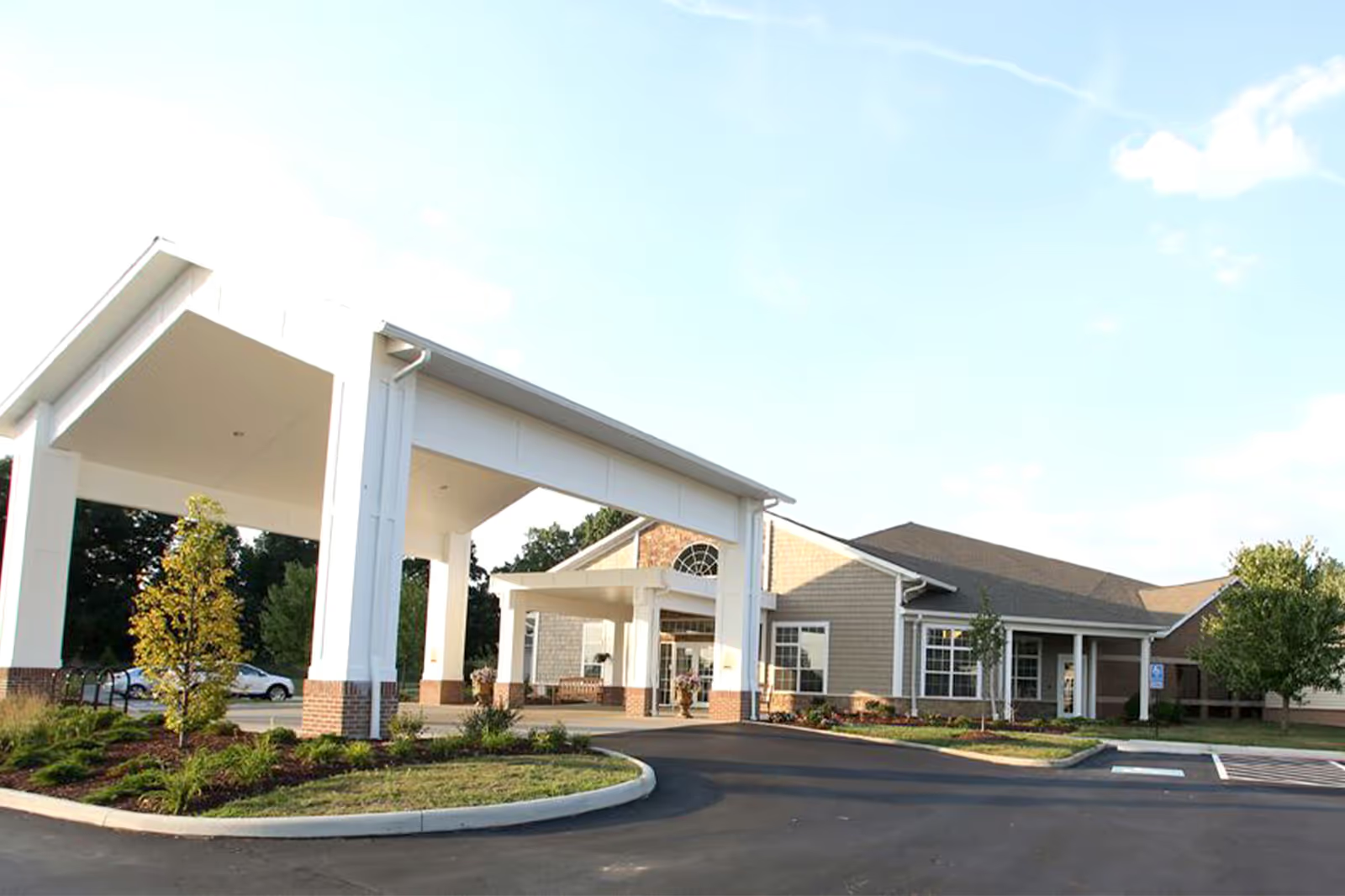
Overall impression: Reviews show a bifurcated pattern. A number of families describe Riverside Manor Nursing & Rehabilitation Center as a clean, well-kept facility with caring, professional staff who create a homelike, family-oriented environment. Those accounts emphasize attentive nursing, friendly support personnel, good food, and a sense of security and community. At the same time, a subset of accounts raises serious operational and clinical concerns that merit careful attention when evaluating the facility.
Care quality: Many reviewers praised the clinical care and the attentiveness of nursing staff. Several families said their loved ones received high-quality care and felt well supported. Conversely, other accounts point to issues with handling during transfers and personal care, and at least one described delayed or insufficient response to an acute breathing problem. These contrasting impressions suggest generally strong clinical capabilities but with instances where transfer safety, monitoring, or escalation procedures may be inconsistent.
Staff and management: Staff are frequently described as kind, generous with time, and professional; family involvement and warm interpersonal interactions are recurrent strengths. However, there are also concerns about inconsistent staff conduct and tone, and about communication between staff and family members. Notably, some accounts describe problems with how serious events were communicated to families, including end-of-life notification and follow-through. These patterns point to opportunities for clearer protocols, training, and supervisory oversight around family communication and sensitive situations.
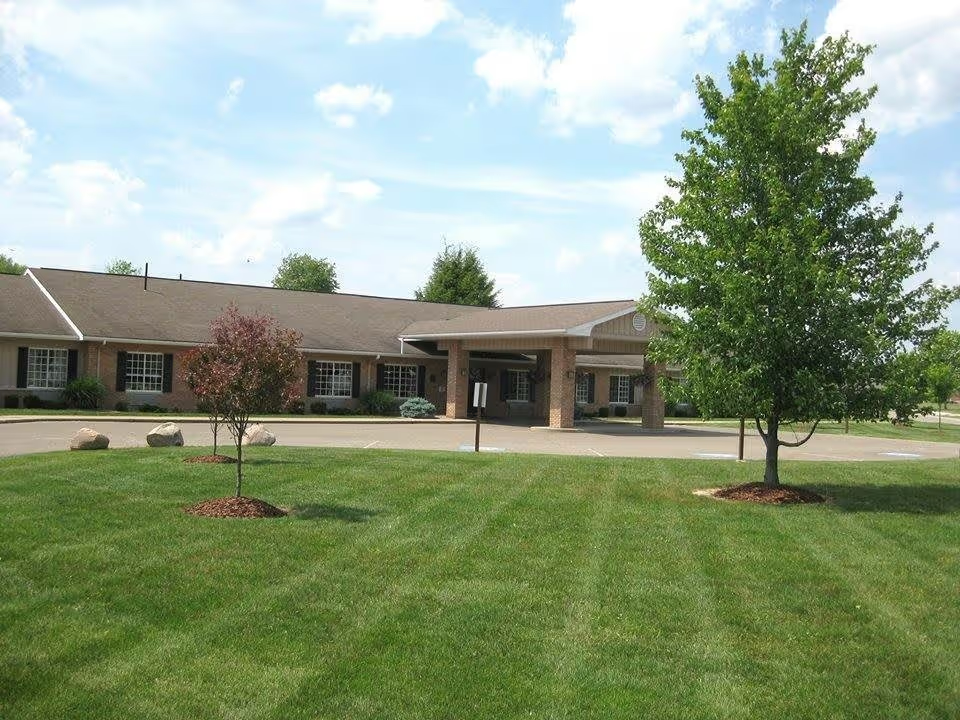
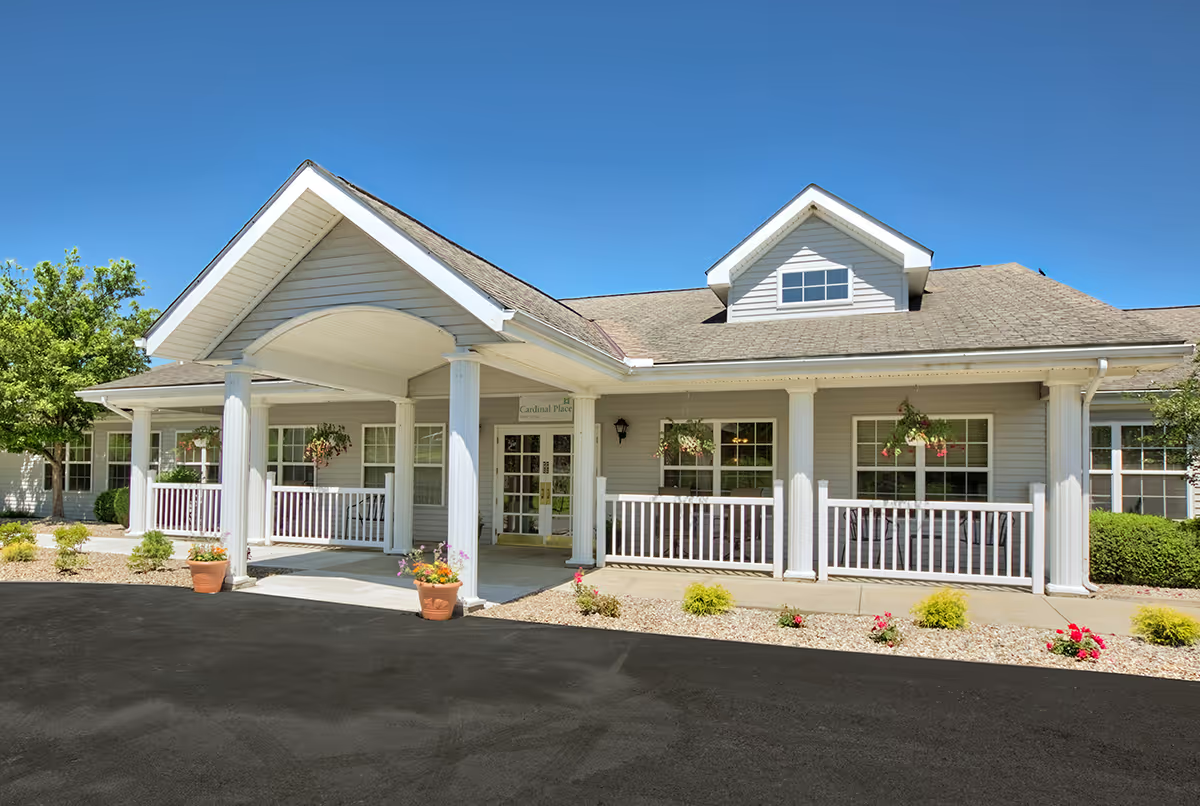
Dining, activities, and facilities: The facility is repeatedly described as extremely clean and well maintained, with a positive atmosphere. Meals are described positively in multiple comments. Reviewers frequently mention a welcoming, community feel, though specific descriptions of organized activities are limited in the available summaries. The convenient location and reputation within the community are also cited as advantages.
Notable patterns and considerations: The dominant positive themes are cleanliness, a caring and familiar staff culture, and generally strong clinical care. The dominant concerns relate to operational consistency: transfer and mobilization safety, resident-consent and dignity during personal care, responsiveness to acute clinical changes, family notification practices around serious events, and discharge management. Prospective residents and families would be advised to tour the facility, observe staff–resident interactions, and ask management about specific policies and metrics: transfer-training and lift/hoist protocols, staffing ratios and shift handoffs, clinical escalation and monitoring procedures, written family-notification processes (especially for critical or end-of-life events), and formal discharge procedures. These checks can help reconcile the positive day-to-day experiences many families describe with the more serious procedural gaps noted by others.