Overall impression Briar Hill Health Campus - Memory Care is consistently described by families as a small, family-like memory-care community with a strong emphasis on compassionate hands-on caregiving and clinical oversight. Reviewers most frequently highlight the quality of the caregiving team, proactive communication with families, and a rehabilitation program that supports mobility and wound healing. The community accepts Medicaid and offers both respite and long-term placement, which contributes to its appeal for diverse payer sources.
Care and staff Care quality is presented as a central strength. Families describe nursing and aide staff as attentive, kind, and responsive; many note proactive updates about medications, therapy progress, and health changes. Specialized clinical services such as wound care and skilled physical/occupational therapy are reported to be effective, with specific examples of wound healing and functional improvement. Staff continuity and a low-turnover environment are cited as contributors to consistent care and relationship-building. One recurring operational concern is the perception of staff favoritism; while most comments are positive, prospective families may wish to explore staff assignment practices and observe care interactions directly.
Dining and therapy Dining receives generally favorable remarks: meals are called enjoyable, with multiple daily eating opportunities referenced in reviews and specific positive mentions of brunch and other special meal events. The rehabilitation program is a clear asset — reviewers cite a dedicated therapy area, daily therapy options, and successful rehab outcomes. The facility also appears to coordinate clinical care with family-facing communication, including care meetings that involve nursing, social work, activities, and business staff.
Activities and social life Briar Hill offers a varied activity schedule including arts and crafts, bingo, church services, themed weeks, casino night, and seasonal outings. The environment is described as engaging and oriented toward social connection; reviewers frequently mention new friendships and companionship among residents. A notable pattern, however, is that some residents with higher cognitive or physical impairment have limited participation in group activities. Families should ask about activity adaptations and one-to-one engagement options for residents with greater care needs to ensure appropriate inclusion.
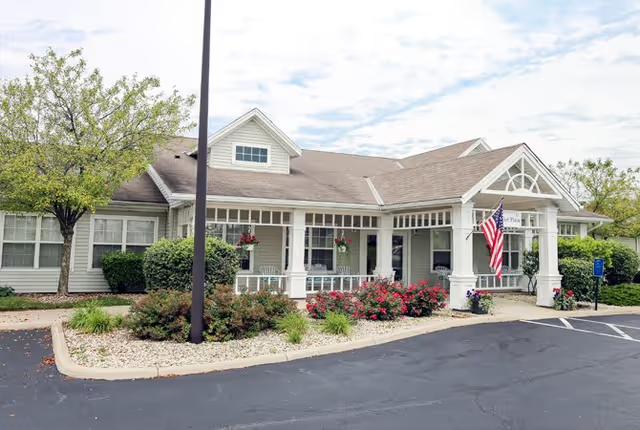
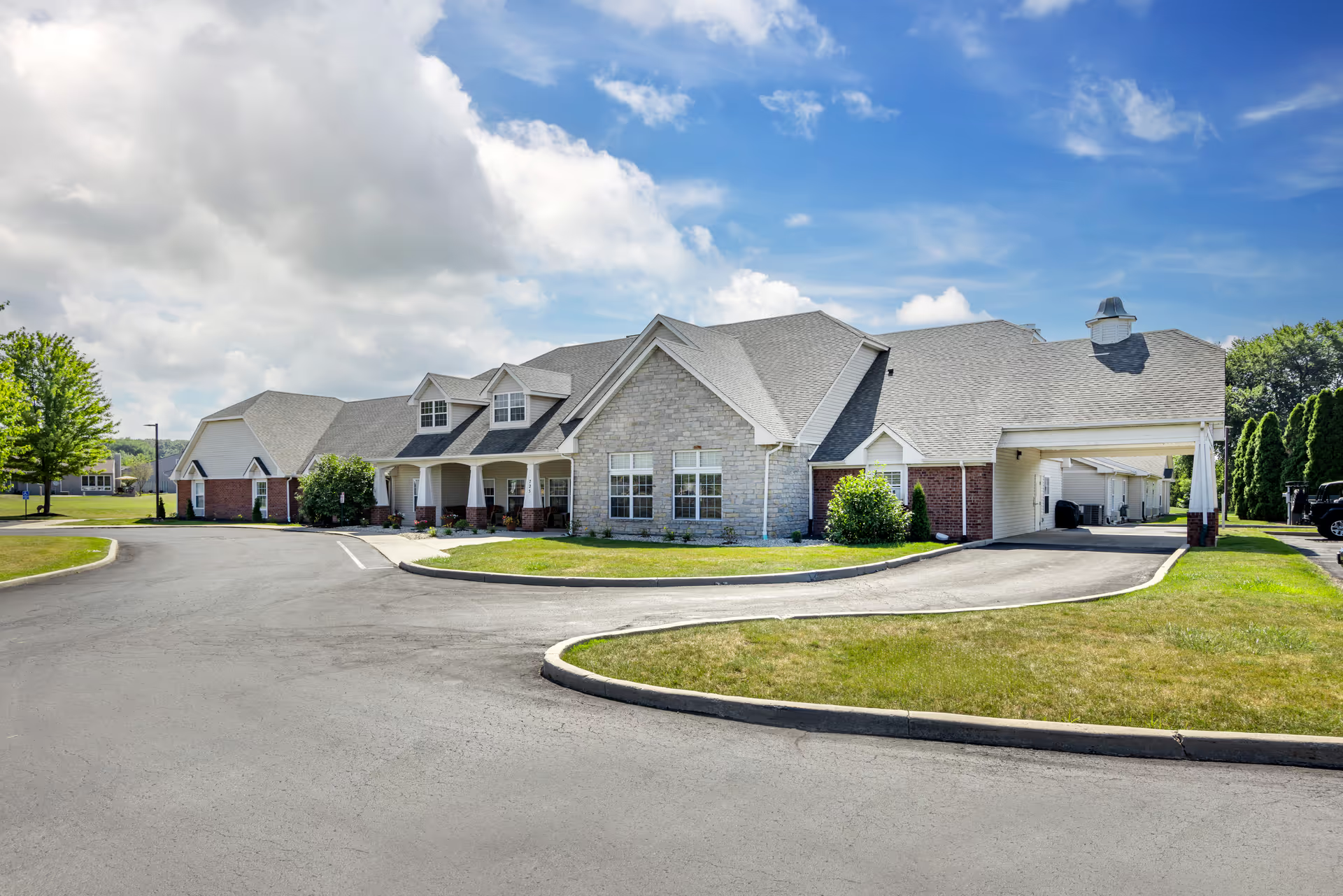
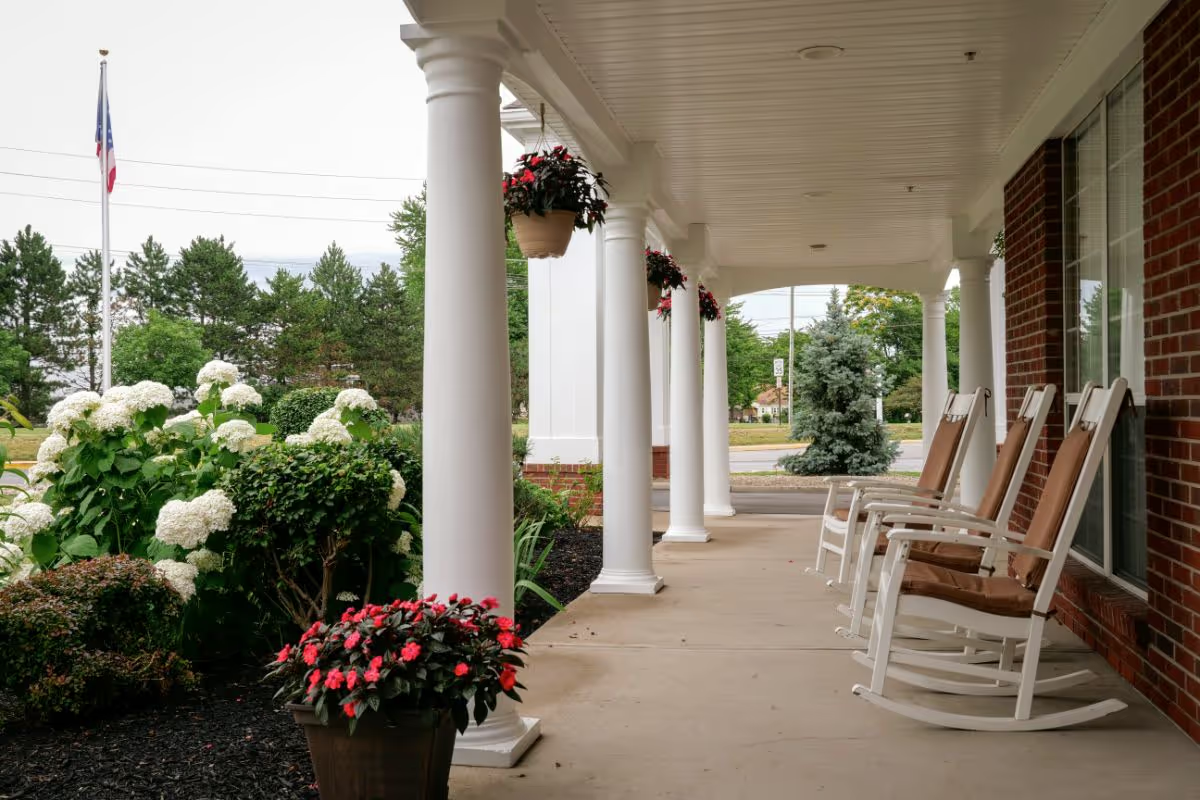
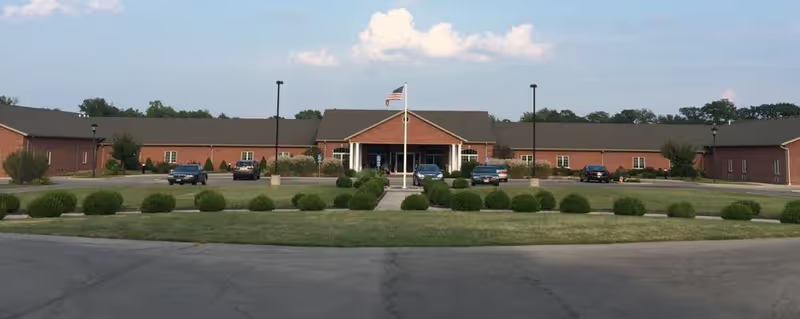
Facilities and management Physical spaces are characterized as clean, neat, and well maintained. Housekeeping and room upkeep receive positive attention. Administrative communication and responsiveness are commonly praised — reviewers note proactive outreach, regular interdisciplinary meetings, and an accessible business office. The community’s small size and ‘‘small-town’’ values are seen as strengths for families seeking a warm, close-knit setting. There are occasional comments indicating variability in visitor comfort or preference for the visiting experience; visitors may want to review communal visiting areas and scheduling preferences during an on-site tour.
Notable patterns and guidance for families The dominant pattern across reviews is strong, relationship-based caregiving with effective clinical supports and a broad activity program. For prospective residents and families, recommended questions include: how the facility adapts activities for residents with higher needs, how staff assignments and oversight mitigate perceived favoritism, what the process is for roommate matching, and how the interdisciplinary team communicates with families (frequency and format). Overall, Briar Hill presents as a community with solid clinical resources, a caring workforce, and an emphasis on family communication, tempered by operational considerations around equitable staff interactions and activity accessibility for the most impaired residents.