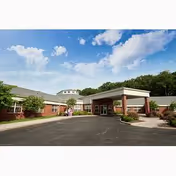
Maumee Pointe presents a mixed profile: it is widely described as a new, modern, and well-kept assisted-living and memory-care facility with many physical amenities, while operational and clinical consistency appear variable. The campus and apartments receive consistent praise for their design and cleanliness — reviewers cite bright units with windows, attractive bathrooms, a large dining area, multiple recreation rooms, a theatre, chapel, courtyard and on-site services such as a beauty salon and fitness/raised-bed gardening areas. For families prioritizing a contemporary physical environment and broad amenity set, Maumee Pointe often meets expectations.
Clinical care and safety elicit divergent impressions. Several families praised therapy services (PT/OT), attentive nursing when present, and thoughtful approaches to activities and socialization that improved mood and engagement. However, reviewers also described operational gaps that affect clinical continuity: limited on-site physician coverage (reliance on a nurse practitioner), inconsistent medication-administration schedules, and difficulties coordinating care with outside hospice providers. There are also reported concerns about fall-prevention and transfer-safety practices. Prospective residents and families should clarify medical coverage arrangements, medication timing, and incident-response protocols in writing.
Staffing and day-to-day responsiveness are another area of contrast. Many comments highlight compassionate, involved caregivers and a strong activities team that runs creative programs, outings, and family-friendly events. At the same time, reviewers described inconsistent staffing levels (notably evenings and weekends), staff distraction affecting responsiveness, and variability in how dementia-care needs are addressed. Memory-care programming and safety monitoring were praised by some but characterized as inconsistent by others, suggesting uneven application of dementia-specific training and engagement strategies across shifts.
Dining and activities are strengths for a number of families: dining is described as healthier and enjoyable by some, and the activity calendar appears robust with a variety of social, creative, and community outings. That said, there are comments about limited menu variety and concerns about meal-service continuity or prioritization of offsite ordering processes. Families who consider Maumee Pointe should sample meals, review sample menus, and ask about how dietary preferences and special diets are managed.
Management, policies, and communication show mixed feedback. Positive remarks about friendly staff and helpful referrals sit alongside comments about management accessibility, lack of a staffed reception/entrance security point, and perceived mismatch between tour presentations and daily reality. A few families described unresolved billing or transfer concerns following clinical events; these suggest the value of obtaining clear written policies on refunds, incident escalation, and transitions to higher levels of care prior to move-in.
Bottom line: Maumee Pointe offers a new, amenity-rich environment with many well-regarded staff and programs, and it may be a good fit for families prioritizing modern facilities and an active activities schedule. At the same time, documented operational weaknesses — primarily inconsistent staffing coverage, gaps in dementia-specific expertise, limited physician availability, and some communication/policy ambiguities — warrant direct inquiry during the tour process. Recommended next steps for families: observe multiple shifts (including evenings/weekends), request written protocols for dementia care, medication administration, hospice coordination and fall prevention, review sample menus and therapy offerings, and clarify management accessibility and billing/transfer policies before committing.