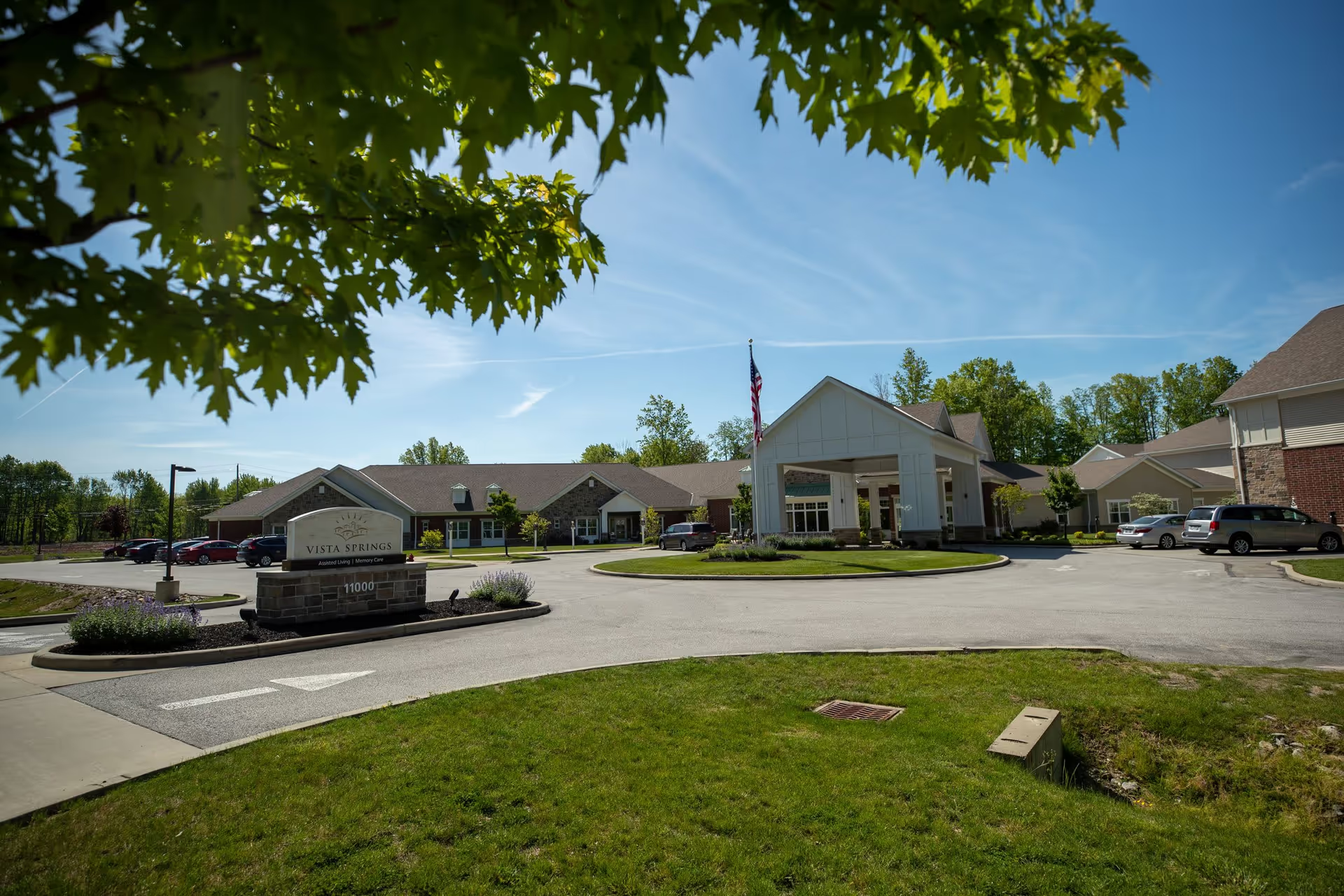
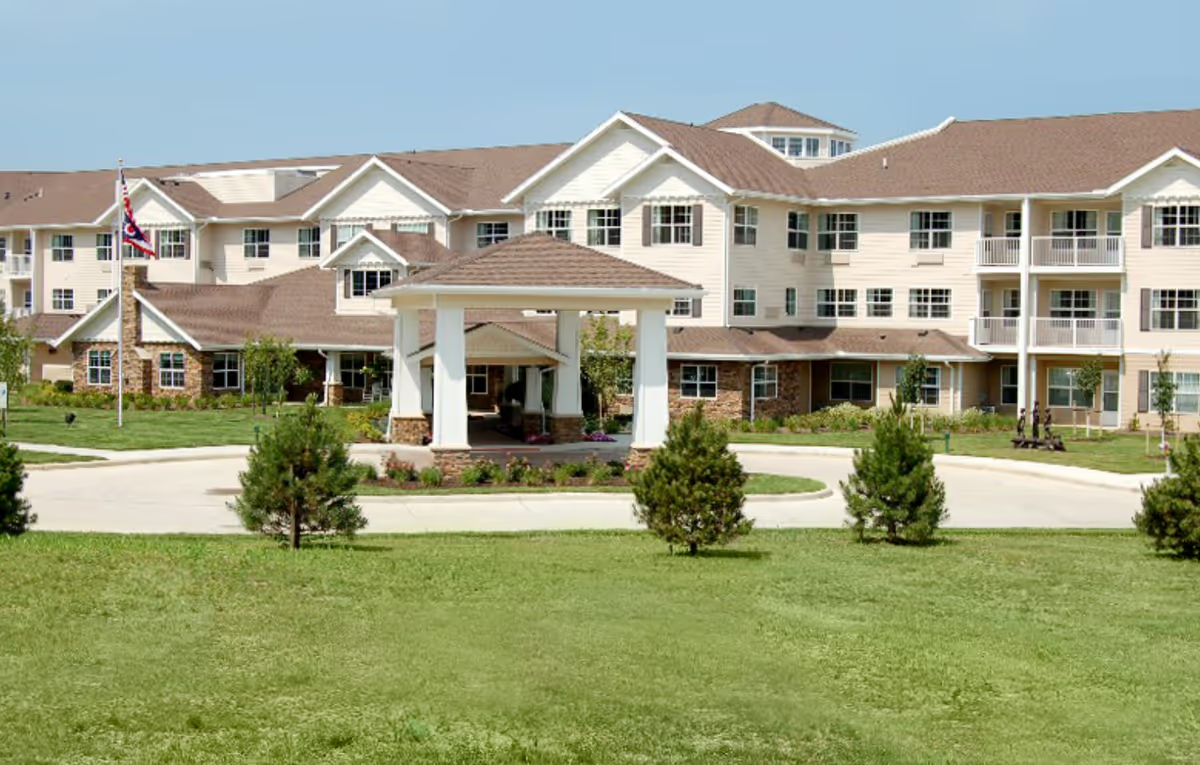
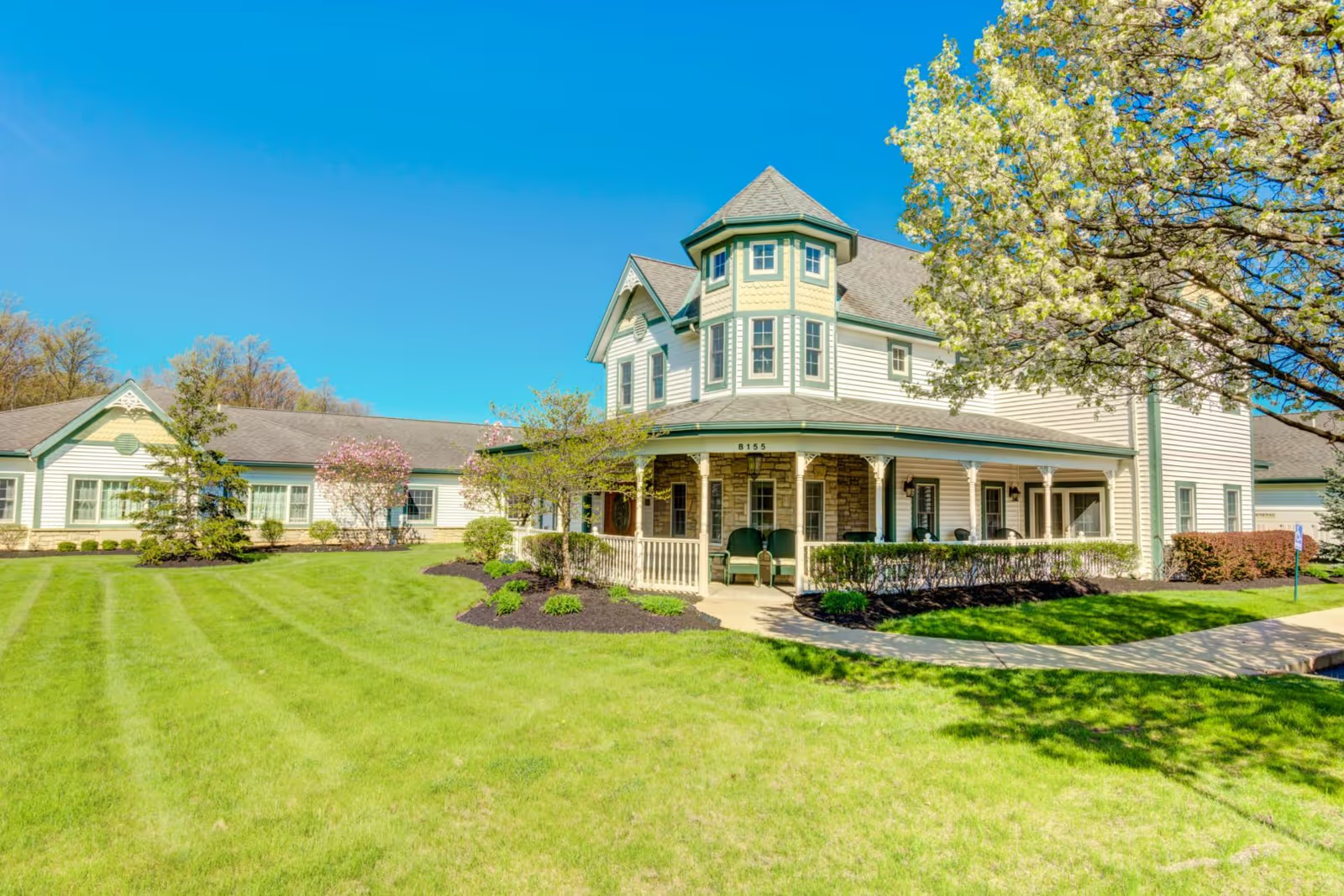
Grand River Health and Rehab Center elicits strongly polarized impressions. A substantial portion of feedback highlights the facility’s strengths in rehabilitation: physical, occupational and speech therapy staff are repeatedly described as skilled, motivating and effective, with many families attributing measurable mobility and functional gains to their care. Life‑enrichment programming, transport accommodations, and an active schedule of outings and social activities are also frequently praised. Several reviewers described the building as clean, well maintained and welcoming, and many noted helpful front‑desk, maintenance and housekeeping staff.
Clinical and nursing care descriptions are mixed. While therapy teams are a recurring strength, reviewer comments indicate variability in nursing and aide responsiveness: slow call‑light response times, inconsistent assistance with bathing and toileting, and staffing shortfalls (notably reduced STNA coverage on weekends) are recurring operational concerns. Several comments raise medication‑management issues such as delayed or missing doses and questions about administration and consent; there are also mentions of swallowing‑safety considerations that may require heightened feeding precautions. A number of accounts describe serious clinical outcomes that families found concerning, indicating the need to verify the facility’s current protocols for wound management, pressure‑injury prevention, and escalation to higher‑level medical care.
Management and communication likewise show a split pattern. Some families singled out individual administrators, social workers and named staff for effective, responsive engagement and clear discharge planning; others reported difficulty reaching leadership, slow callbacks, or unsatisfactory conversations about financial arrangements. One recurring theme is that positive interpersonal experiences often depend on specific staff members being present and engaged. There are also allegations in the feedback concerning improper handling of benefits or billing; these are serious claims that several families raised and that warrant verification through objective sources such as recent surveys or regulatory records.
Dining and facility amenities receive generally favorable comments, with multiple mentions of enjoyable meals, available alternatives, and pleasant dining areas; however, there are intermittent reports of meal omissions or variable food quality. Activities and social programming are a consistent positive, contributing to resident engagement and family reassurance. Cleanliness and upkeep are frequently noted as strengths, though occasional sanitation and service‑continuity concerns appear in some accounts.
Notable patterns for prospective families: the facility’s rehabilitation services and life‑enrichment programming are among its clearest strengths, and many short‑term rehab patients achieve meaningful progress. Conversely, persistent operational themes—staffing shortages (particularly on weekends), inconsistent nursing responsiveness, medication‑management gaps, and uneven administrative communication—appear repeatedly and are associated in some cases with adverse clinical outcomes. Before placement, families should ask current management about recent staffing levels and turnover, nurse‑to‑resident ratios on weekends, physician coverage and on‑call arrangements, protocols for wound and pressure‑injury prevention, medication‑administration policies and consent processes, and how the facility documents and communicates incident follow‑up. Reviewing recent inspection reports and seeking direct family references can help clarify how consistently the facility delivers the positive aspects many reviewers describe versus the operational risks others experienced.