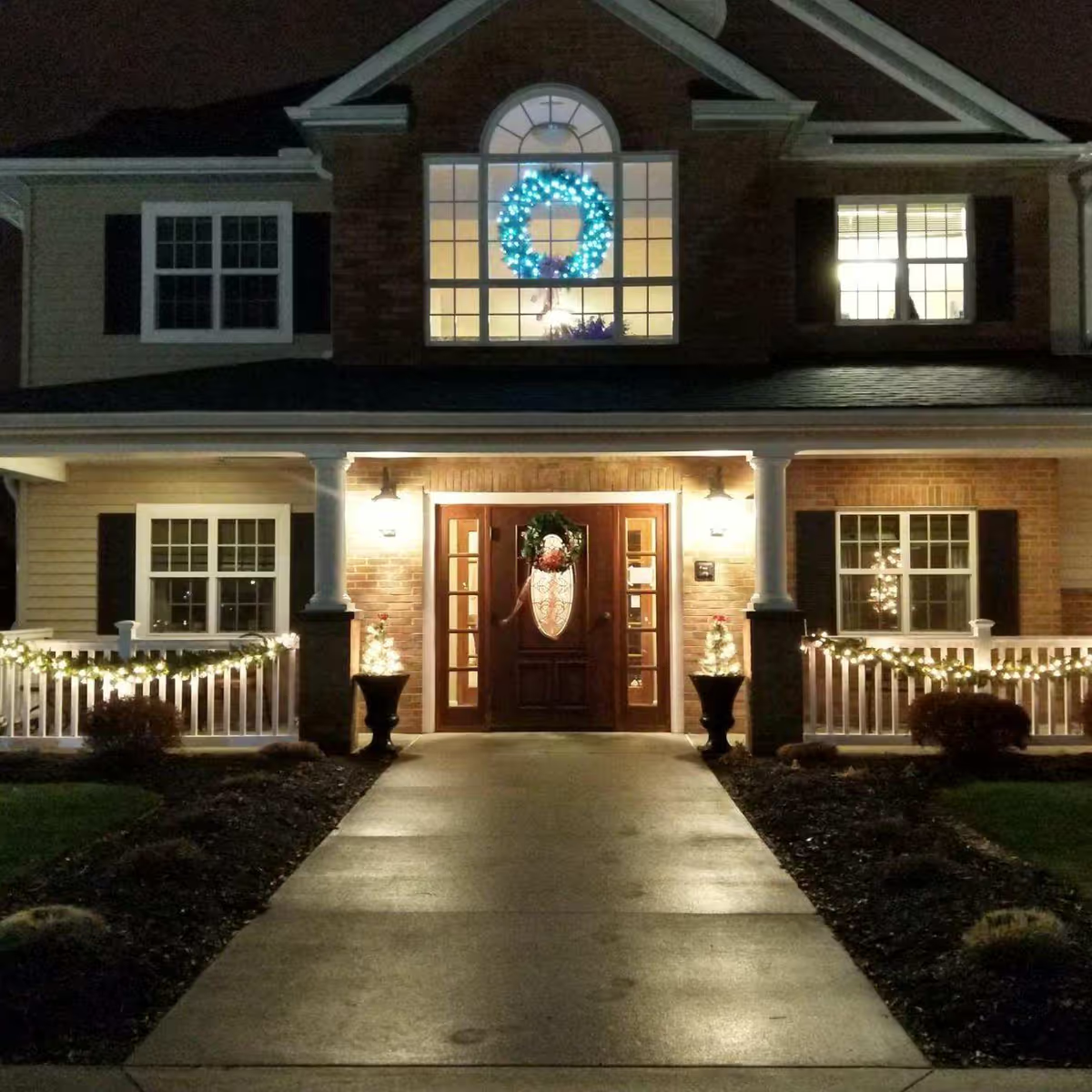
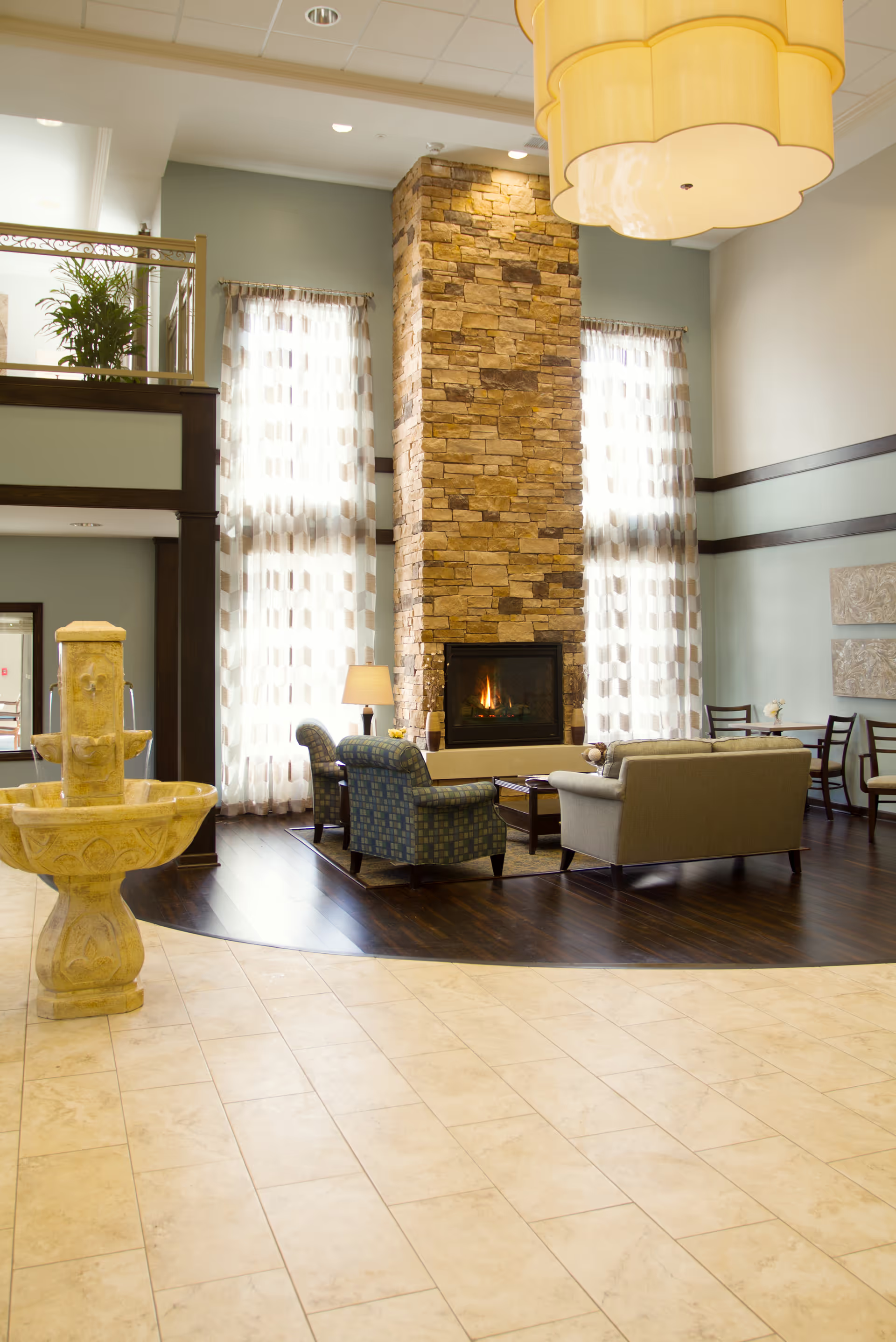
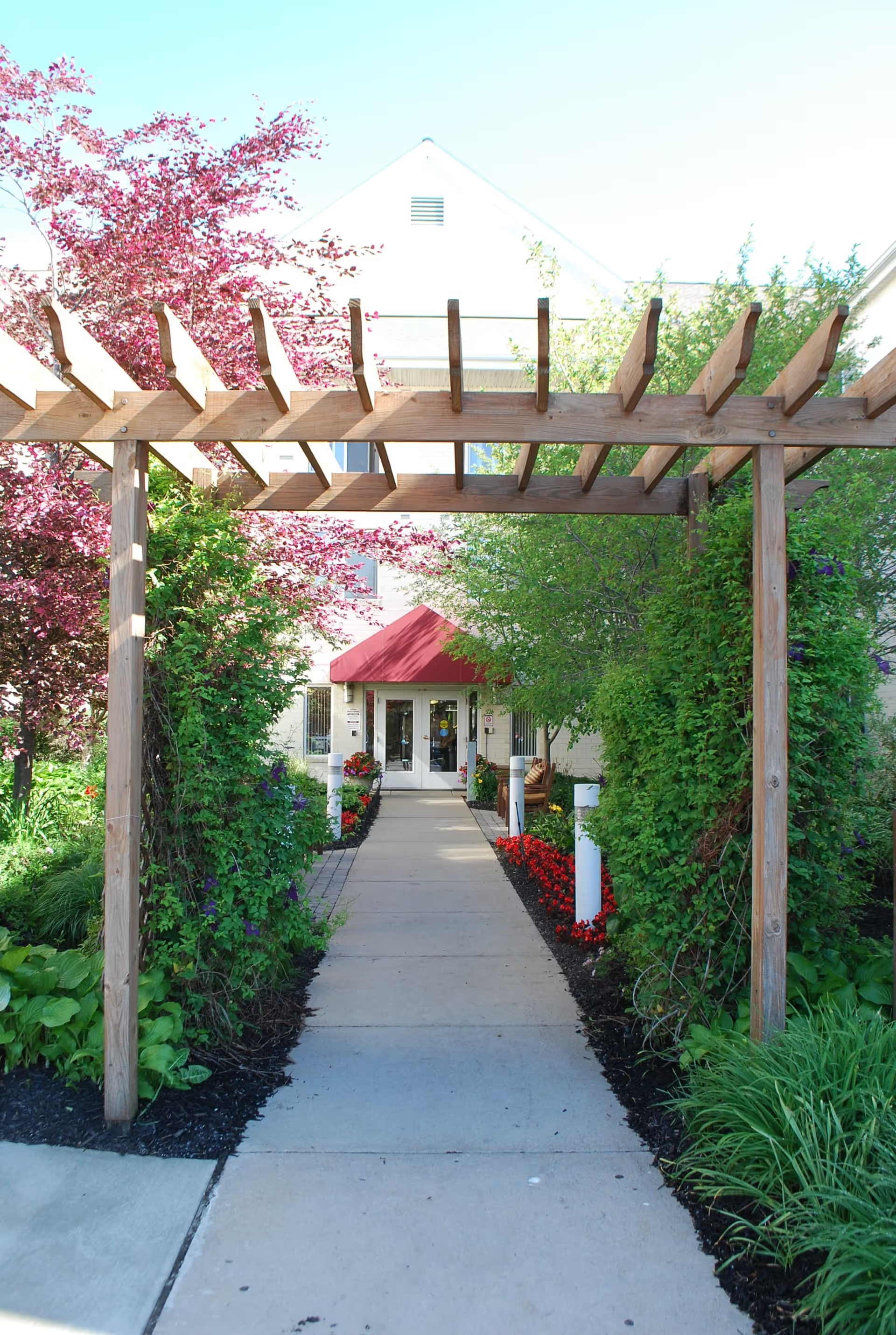
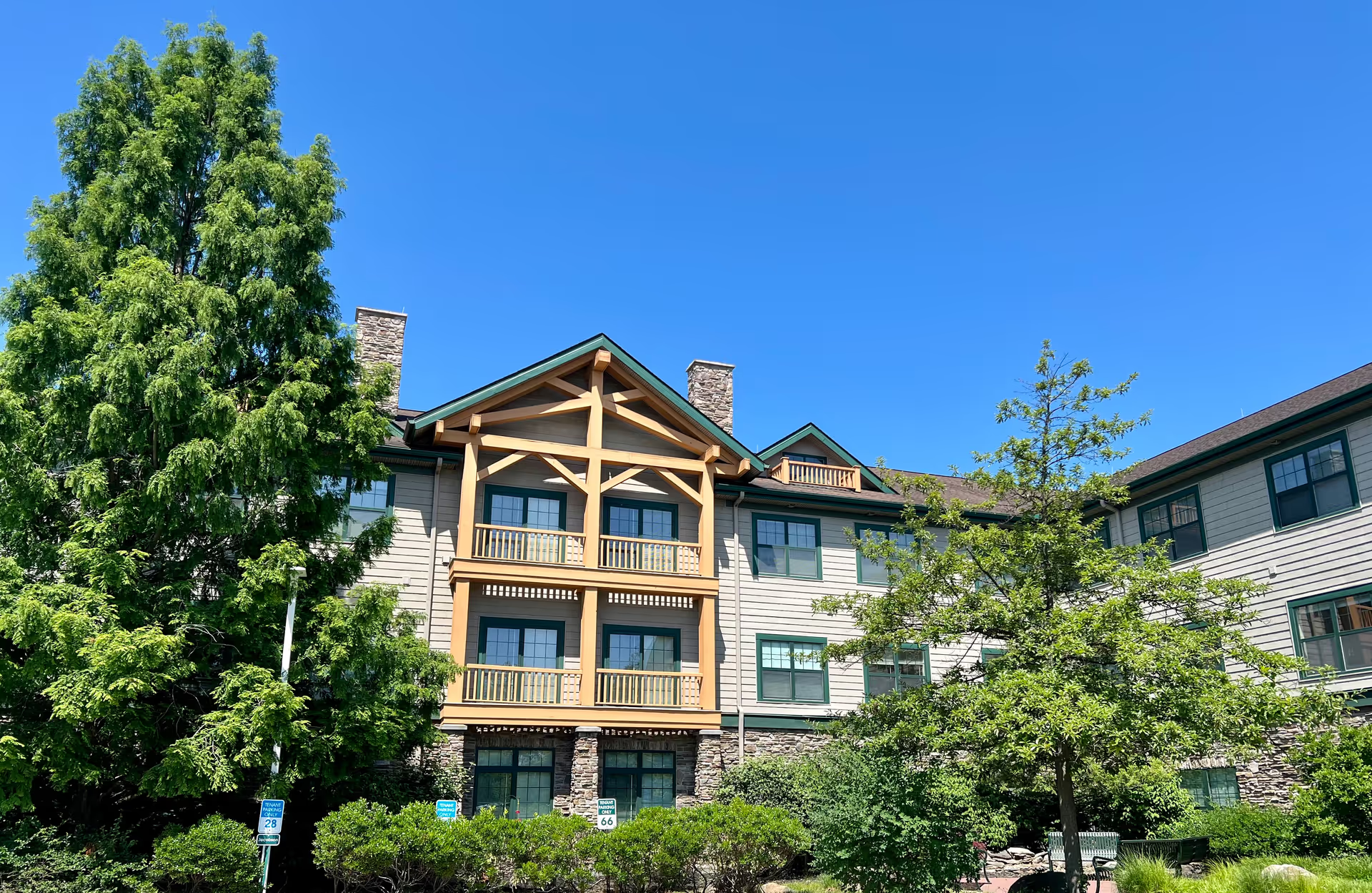
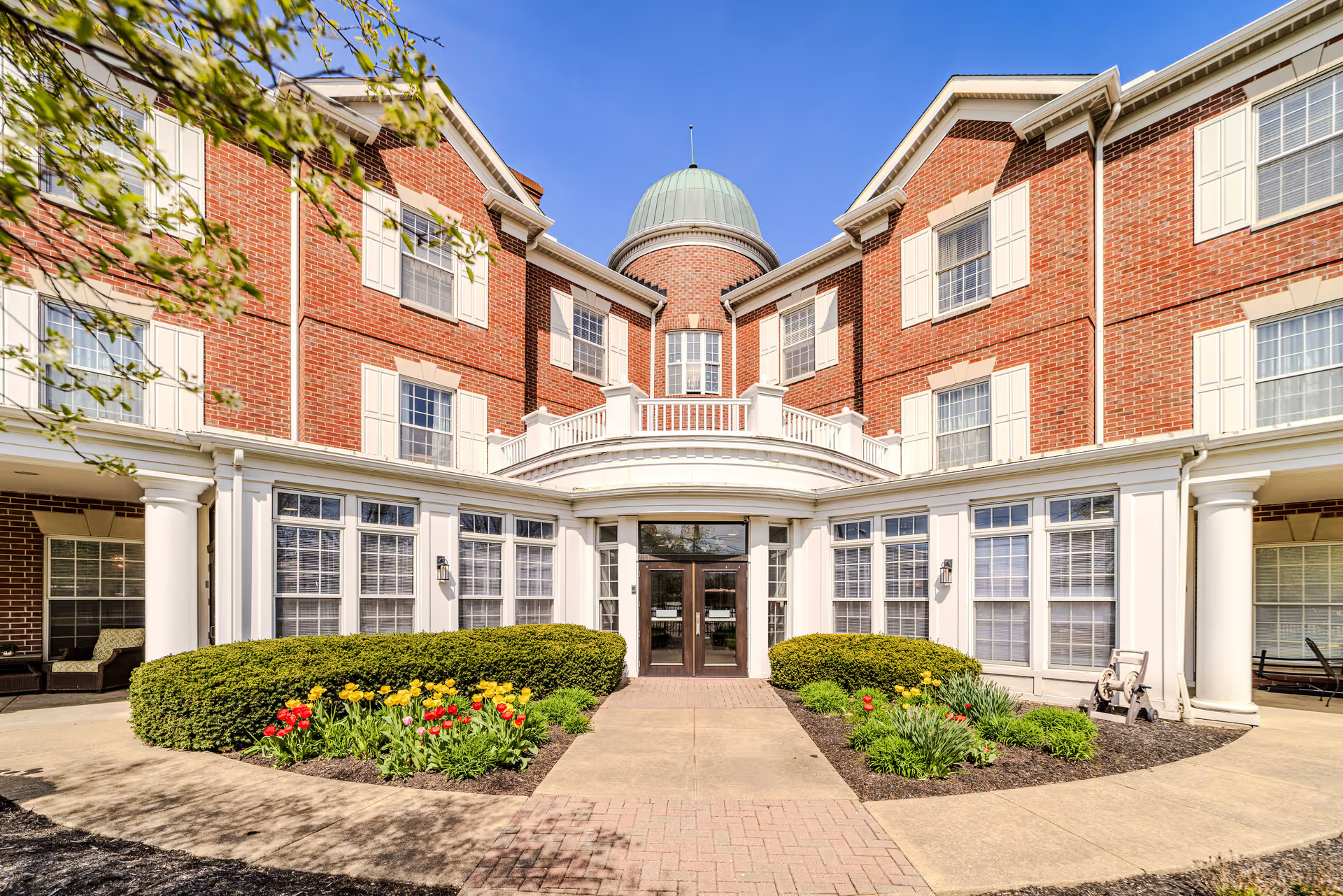
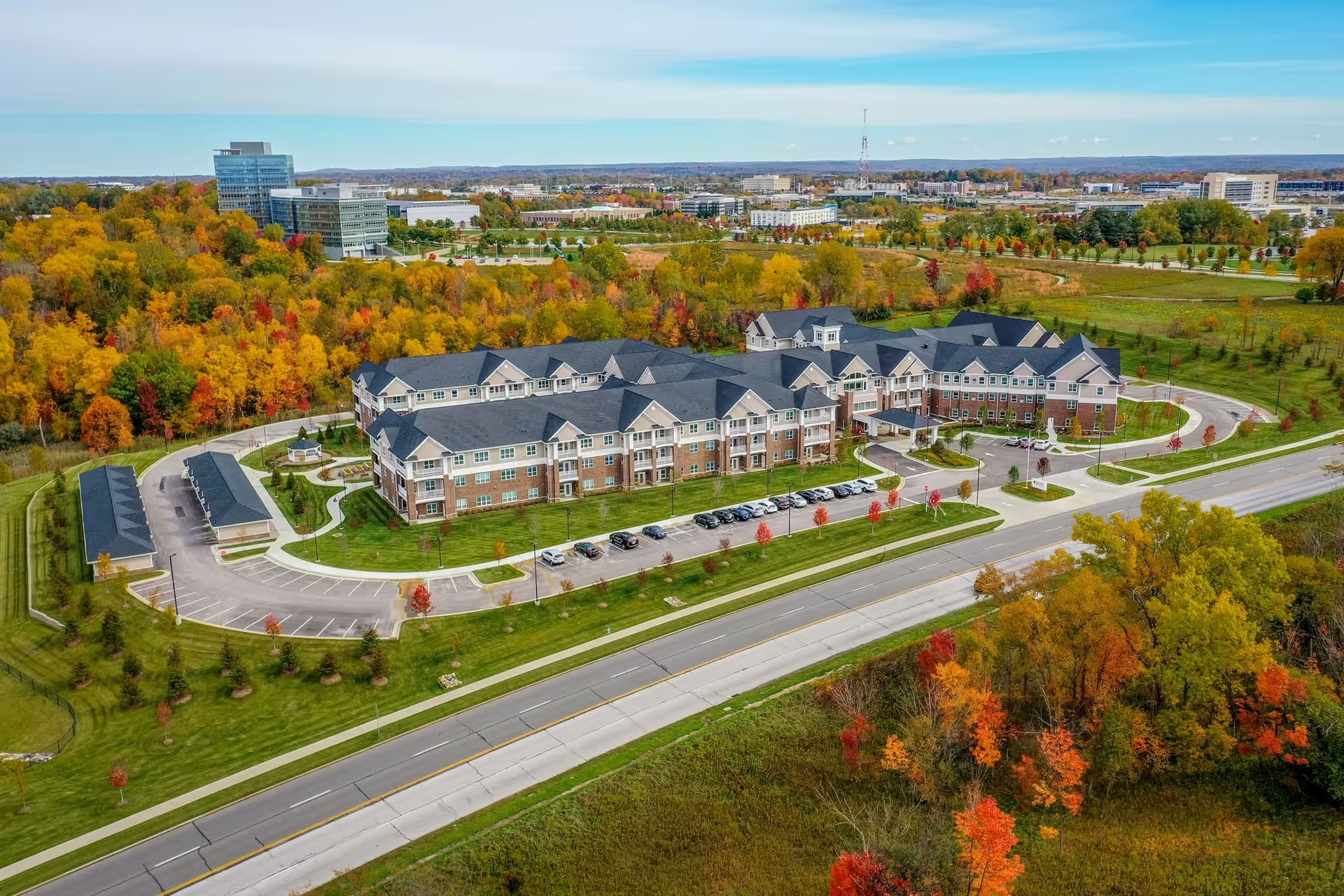
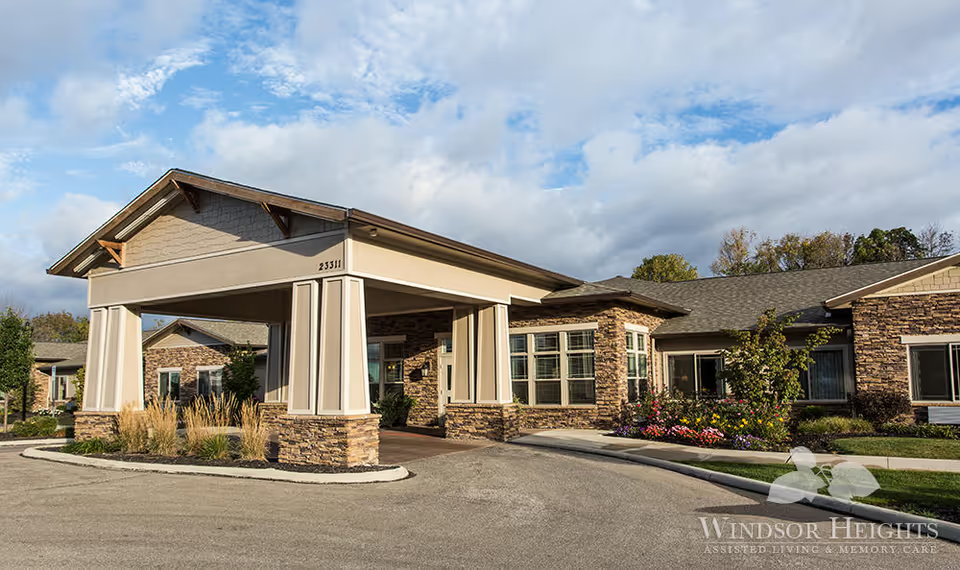
The Winfield at Richmond Heights presents a mix of clear strengths and recurring operational concerns. On the positive side, the physical campus and apartment offerings are a consistent strength: reviewers highlight spacious one- and two-bedroom units with dens, full kitchens, large bathrooms (including accessible showers), in-unit laundry, generous closet space, and balcony options. Common areas and grounds are frequently described as well maintained and attractive, with responsive maintenance staff and a pleasant outdoor/gardening area. The facility provides an integrated continuum of care with on-site therapy (physical, occupational, speech), physician/nurse options, a salon, and transportation services, which many families find convenient for long-term planning.
Care and staffing elicit mixed impressions. Many residents and families praise individual caregivers, nurses, and leadership for professionalism, compassionate interactions, and strong communication during the COVID period. Several reviews single out high-performing aides and nursing supervisors and note thorough therapy services and good coordination with families. However, there is a recurring pattern of staffing instability and turnover that appears to create variability in day-to-day care. Families describe delayed responses to call buttons, inconsistent personal-care assistance (including bathing and hygiene support), and uneven medication administration practices. These operational gaps contribute to concerns about skin integrity and incontinence-care delays for some residents and raise questions about sustained care quality after the initial move-in period.
Dining and activities are generally cited as strengths but with some variability. Many reviewers praise restaurant-style dining, chef-prepared meals, private dining options for events, and a lively dining room atmosphere. Activity programming is robust, with exercise classes, social events, music, and holiday celebrations that support social engagement. That said, a portion of feedback points to limited menu flexibility (weekly published menus with fewer choices) and inconsistent food quality in certain instances.
Management and communication produce a split impression. Leadership changes and engaged administrators are noted positively in several accounts, and some families report good collaboration with staff. Conversely, other families describe communication lapses, inconsistent follow-through on promises made during tours, and concerns about responsiveness from management. An outdated emergency-call system and reports of long waits for assistance are recurring operational criticisms that intersect with safety perceptions, particularly for memory-care residents where secure supervision and wandering-prevention measures were raised as concerns.
Overall, The Winfield offers many features attractive to prospective residents—spacious, well-equipped apartments, a maintained campus, therapy and medical services on-site, and an active social calendar. Prospective residents and families should weigh these strengths against documented operational weaknesses: staffing stability, reliability of personal-care and medication processes, call-response infrastructure, and management follow-through. For families considering The Winfield, a careful, specific inquiry about staffing levels, emergency-response times, dementia-care staffing and safety protocols, meal choices, and billing/pricing transparency is advisable. Visiting during different shifts, asking for recent staffing metrics, and clarifying service guarantees in writing can help assess whether the facility’s positive attributes align with an individual resident’s care needs.