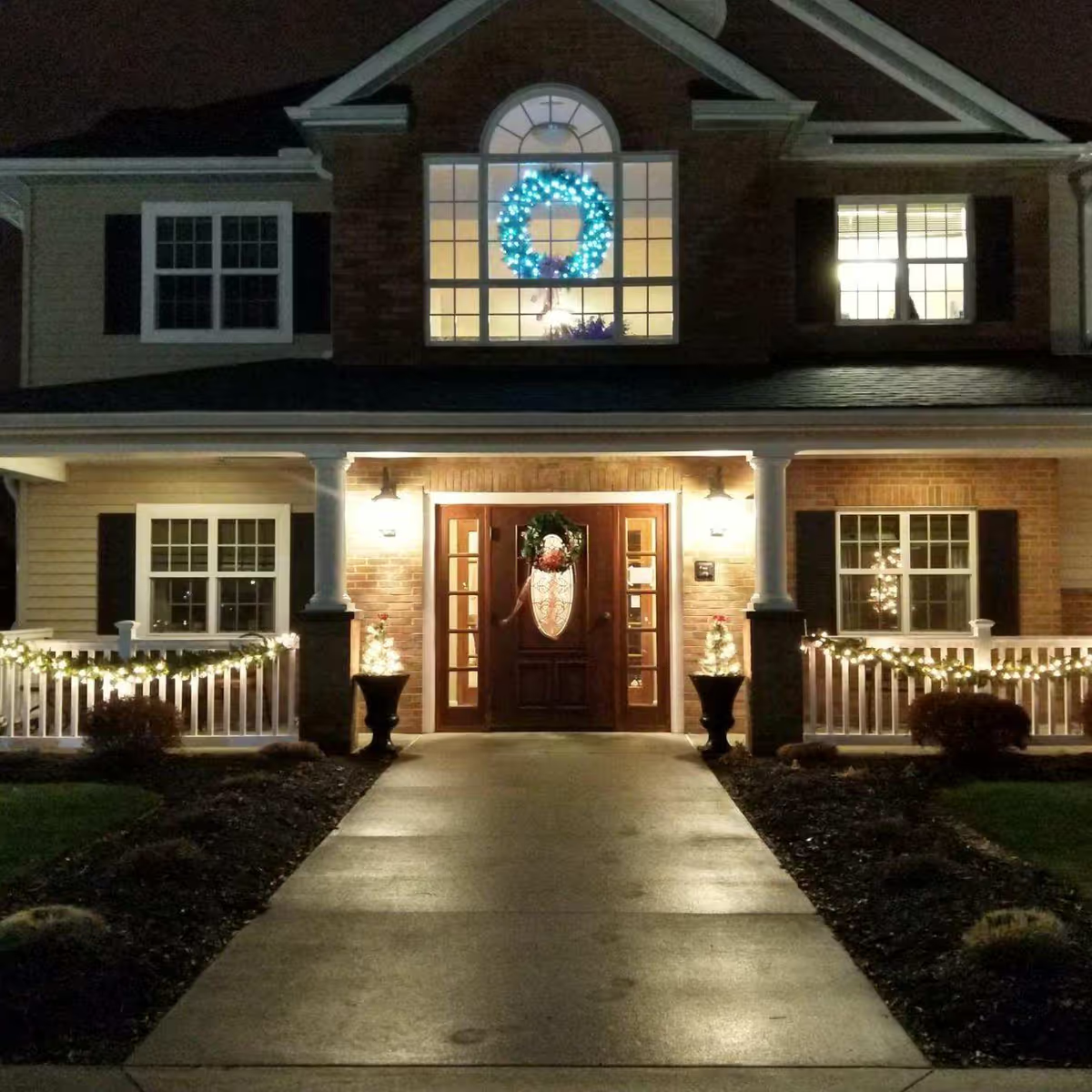
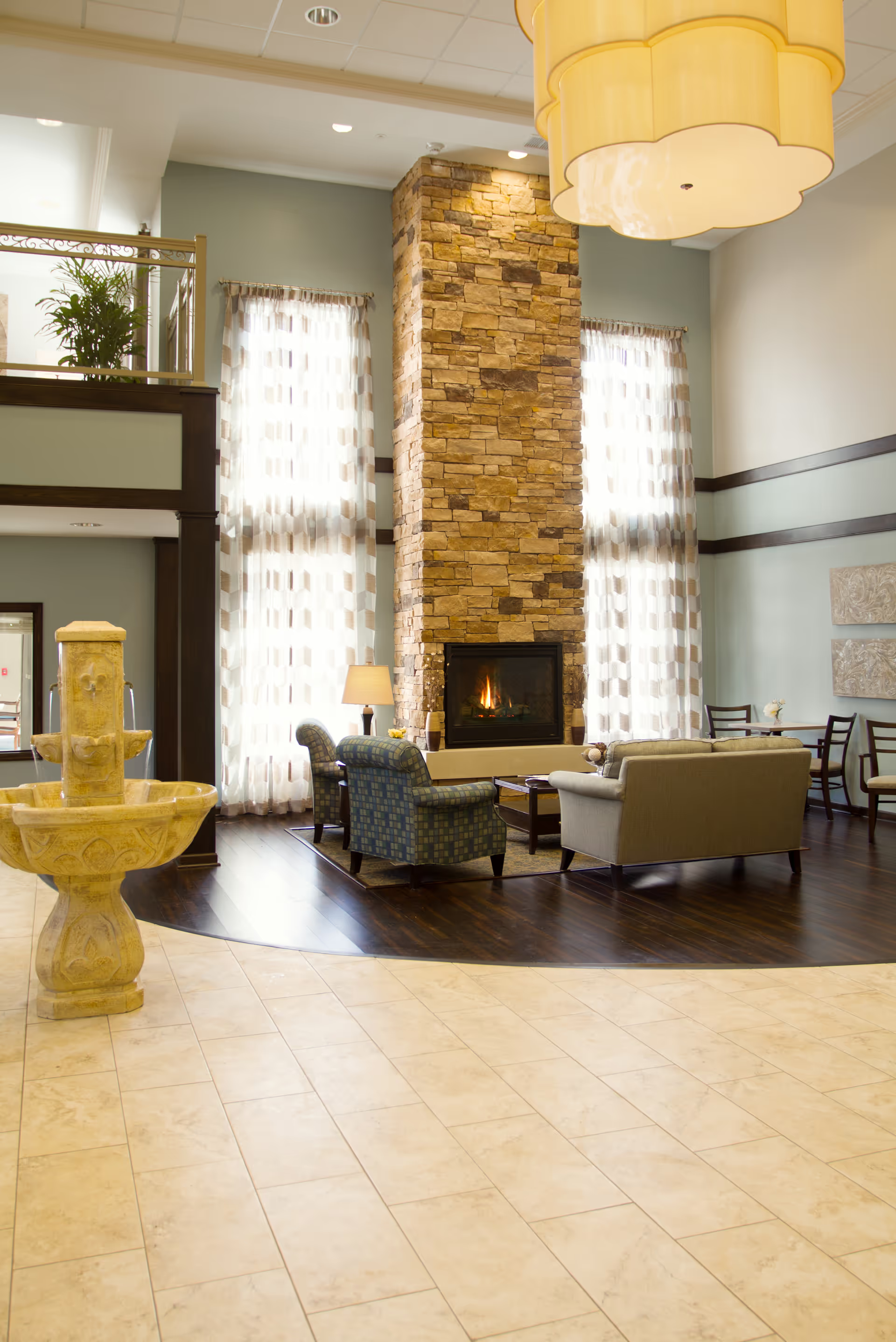
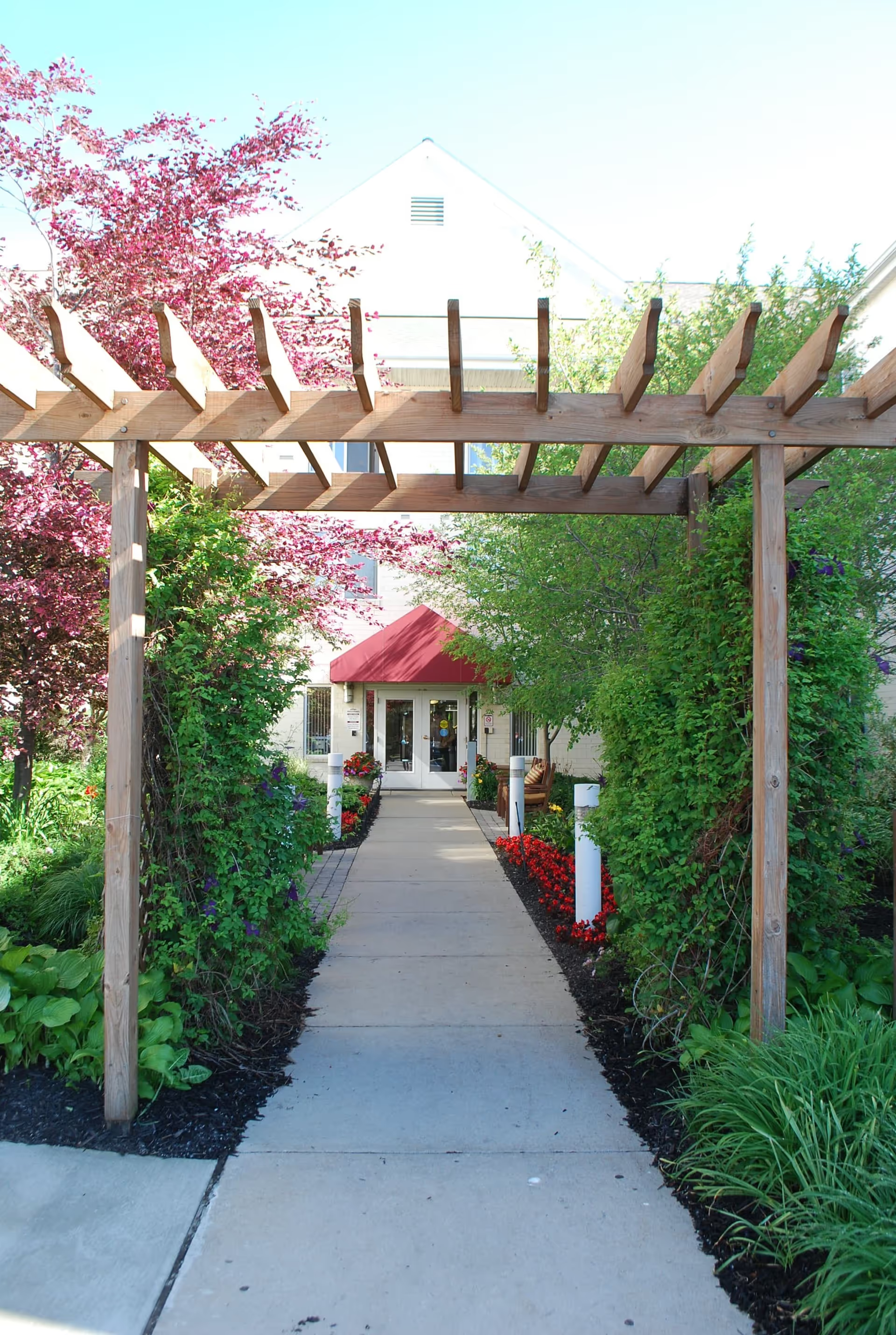
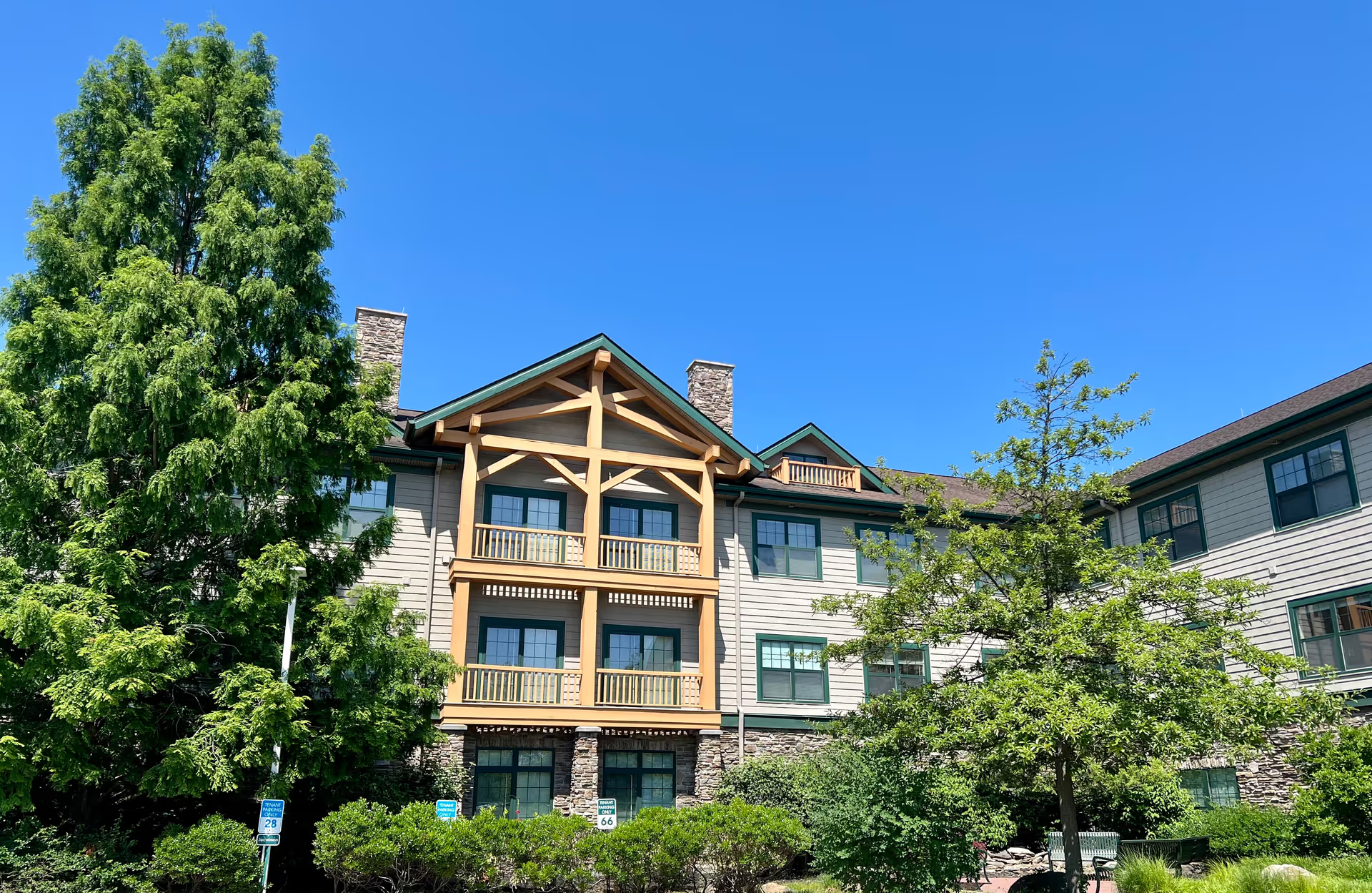
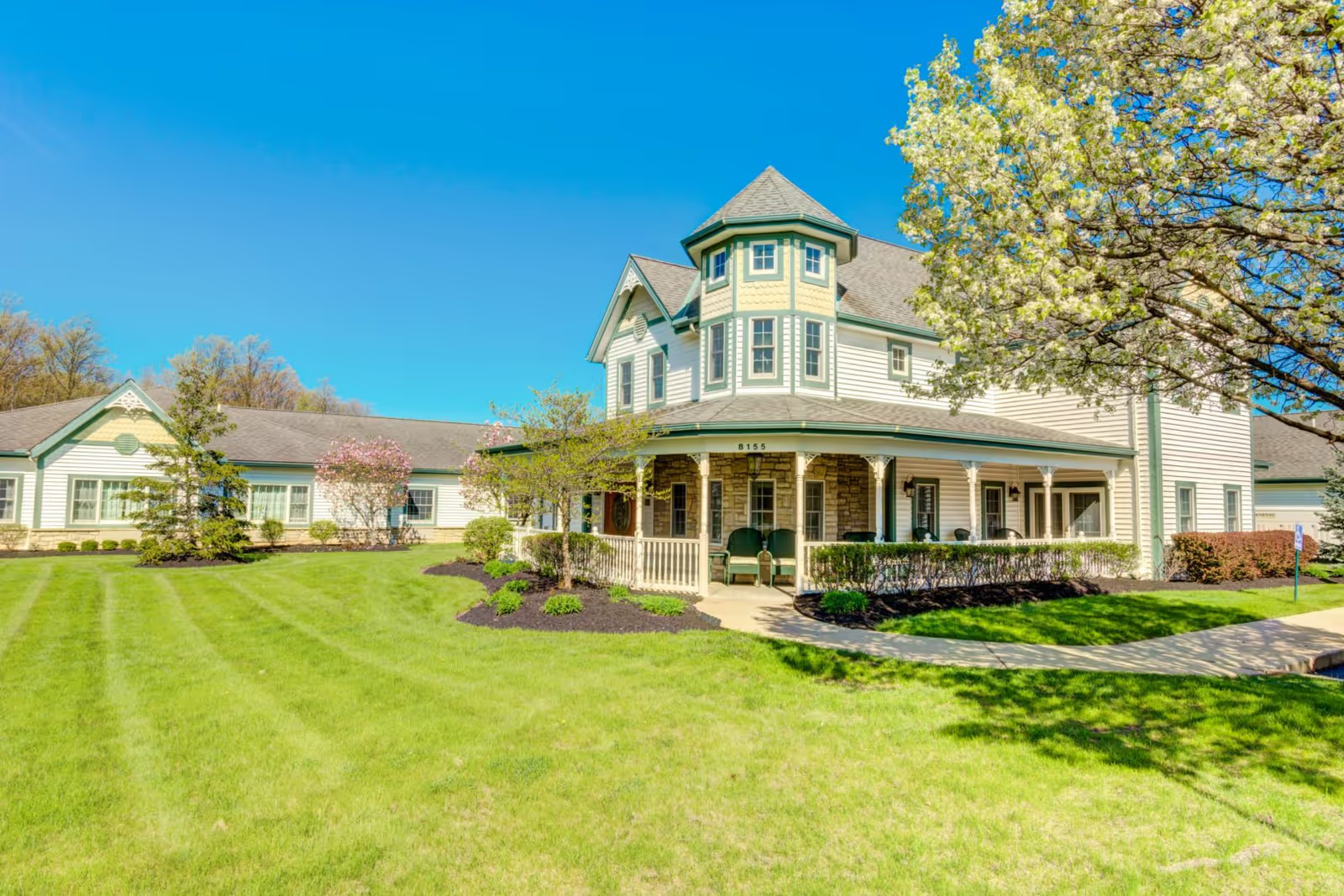
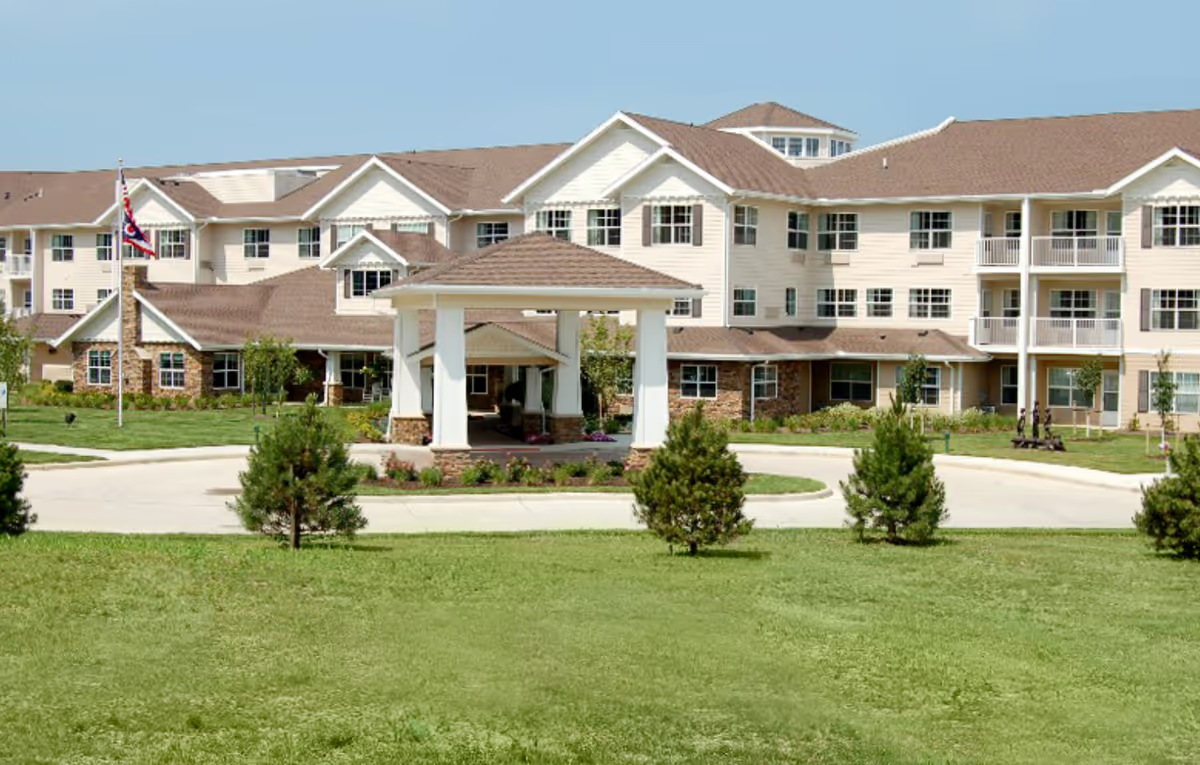
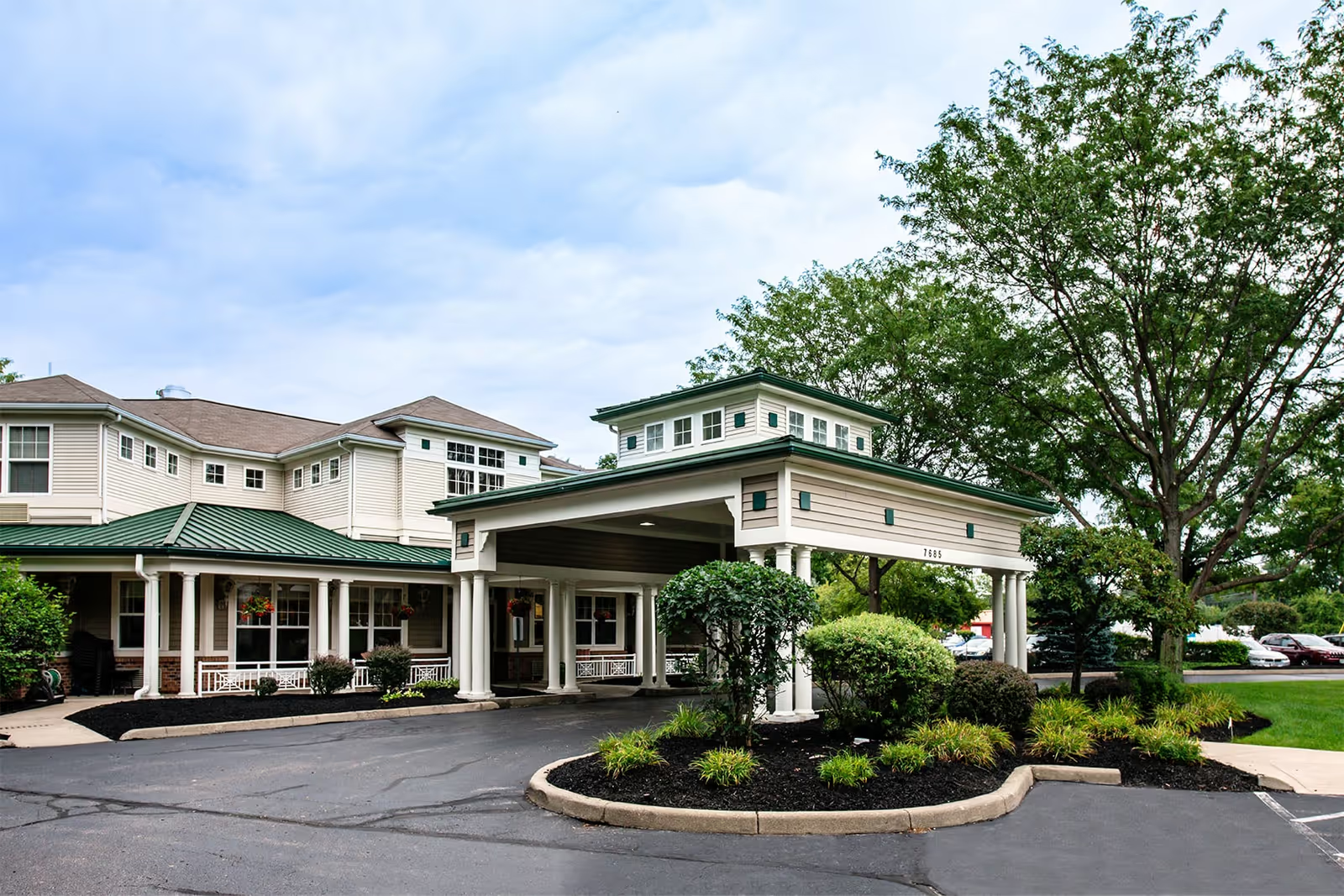
Prosper at Wickliffe elicits strongly mixed impressions in the reviews. Many families praise the facility’s physical environment and amenities: reviewers describe a clean, attractive, recently remodeled building with notable common‑area features (indoor park, cafe, salon, gym) and a range of apartment types from studios to larger one‑bedroom combinations. Unit layouts are generally accessible, with wheelchair‑friendly bathrooms and straightforward circulation in most areas. Admissions and tour staff are repeatedly described as knowledgeable, patient, and helpful, and maintenance and move‑in support receive consistent positive mentions.
Staffing and day‑to‑day care receive the most divergent feedback. Numerous accounts highlight compassionate, attentive caregivers, good family communication, effective hospital coordination, and strong pandemic procedures. In contrast, a distinct pattern of concerns centers on the memory‑care unit: reviewers describe persistent understaffing, inconsistent personal‑care routines (notably bathing/showering schedules), limited engagement programming, and delays or gaps in clinical responsiveness. These operational weaknesses have been associated with safety‑related episodes and family dissatisfaction in memory care, suggesting the facility may be better suited to residents with lower or more stable care needs than those requiring intensive memory support.
Dining and activities are similarly mixed. Several families find meals balanced and nutritious and note pleasant dining options (including weekly beverage offerings and a long daily dining room window), while others perceive limited menu variety and inconsistent food quality. Assisted‑living areas appear to offer a range of social and entertainment options (evening programs, puzzles, outings), but programming in memory care is frequently described as limited or largely passive.
Management and organizational culture present another area of contrast. Some reviewers commend visible leadership, strong clinical coordination, and staff who "lead by example." Others raise concerns about management tone, transparency, and complaint handling, including allegations of retaliatory behavior and problems with communication about incidents. A subset of families also identified operational issues such as inconsistent housekeeping standards, questions about the security and tracking of personal belongings, and additional mandatory fees that affect overall cost of care.
Practical takeaways for prospective residents and families: the community offers an attractive physical environment, robust amenities, and many examples of compassionate, professional staff — particularly in admissions, maintenance, and assisted‑living areas. However, if the primary need is specialized memory care or intensive clinical oversight, the pattern of understaffing, inconsistent personal‑care routines, and gaps in medication/clinical responsiveness described in reviews warrants careful inquiry. Visitors should request current staffing ratios (especially in memory care), written protocols for bathing and medication administration, examples of recent activity schedules for memory residents, the facility’s incident‑notification procedures, and a clear breakdown of all fees and mandatory charges before making a placement decision.