The reviews present a mixed and variable picture of care at this facility. A clear strength across many accounts is the rehabilitation program: physical and occupational therapy staff receive frequent praise for effectiveness, individualized plans, and measurable progress toward discharge goals. Numerous reviewers also highlight compassionate, skilled nurse aides and specific nursing or therapy leaders whose direction produced positive outcomes. Affiliation with local hospitals and on-site dialysis were noted as assets for clinical coordination.
At the same time, there are consistent operational concerns that recur across reviews. Staffing levels are described as inconsistent, with pronounced shortages on nights and weekends; this appears to affect responsiveness to call lights, timely assistance with toileting and bathing, and overall supervision. Several accounts describe delays or inconsistencies in medication administration and documentation, and there are also descriptions of variable wound and IV follow-up. These issues suggest gaps in clinical oversight and handoff processes that can affect continuity of care.
Dining and personal care are another area of divergence. Many families and residents praised specific meals and kitchen staff, but a substantial number commented on cold or low-variety meals, inappropriate substitutions, portions that did not meet needs, and failures to follow prescribed diets. Personal-care scheduling—showers, oral hygiene, and routine bathing—was described as inconsistent, which aligns with reports of uneven aide availability and prioritization.
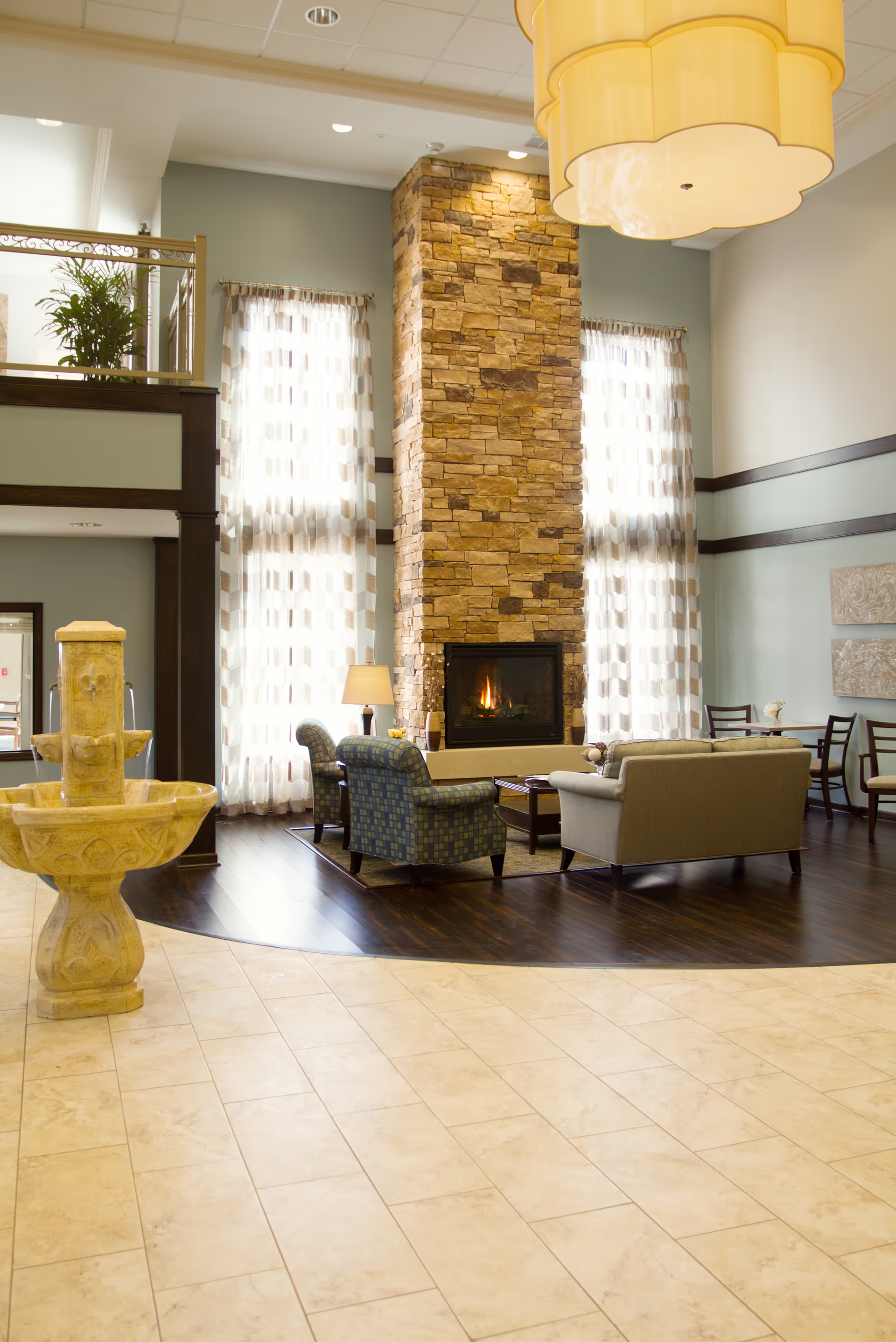
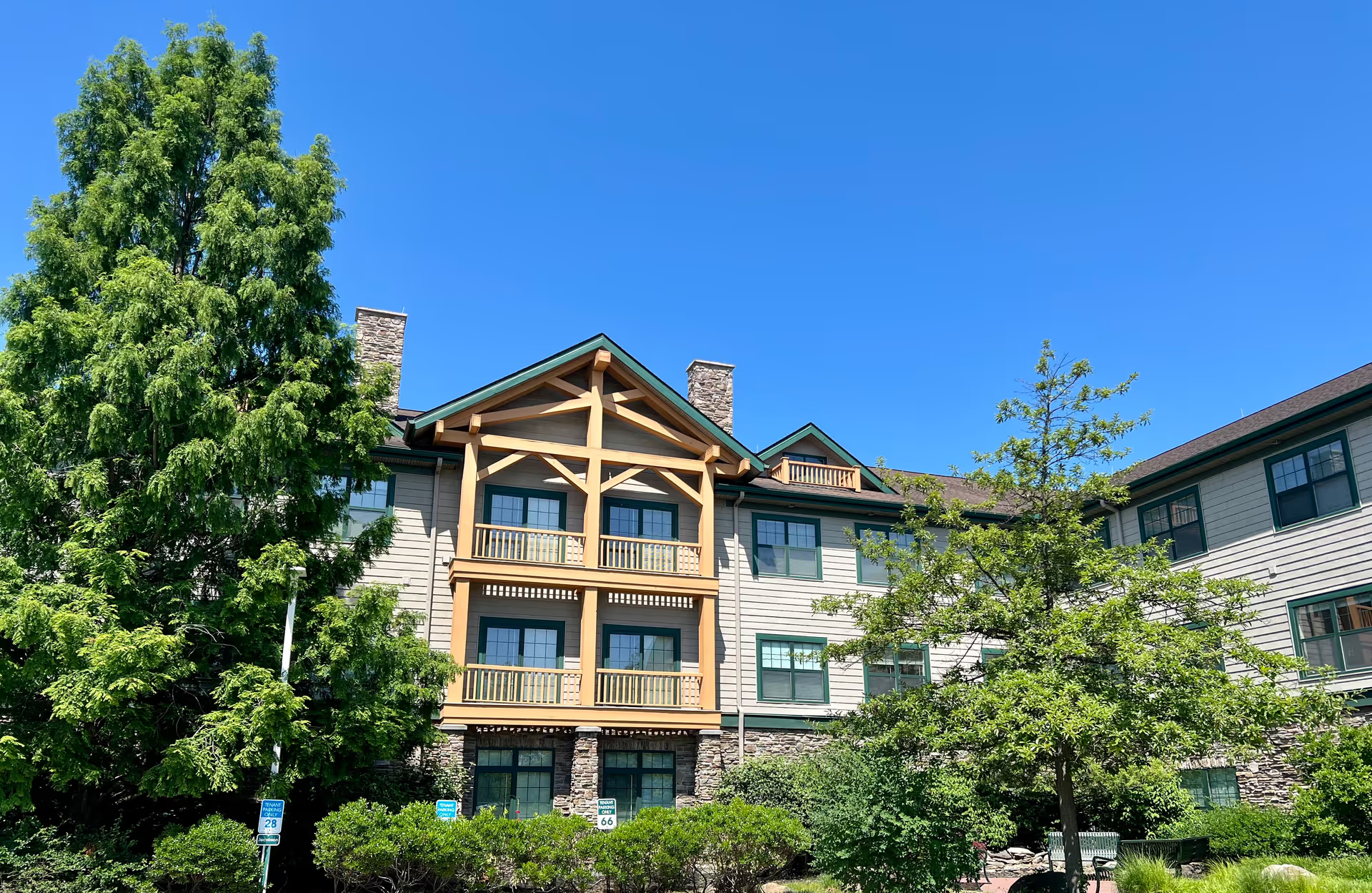
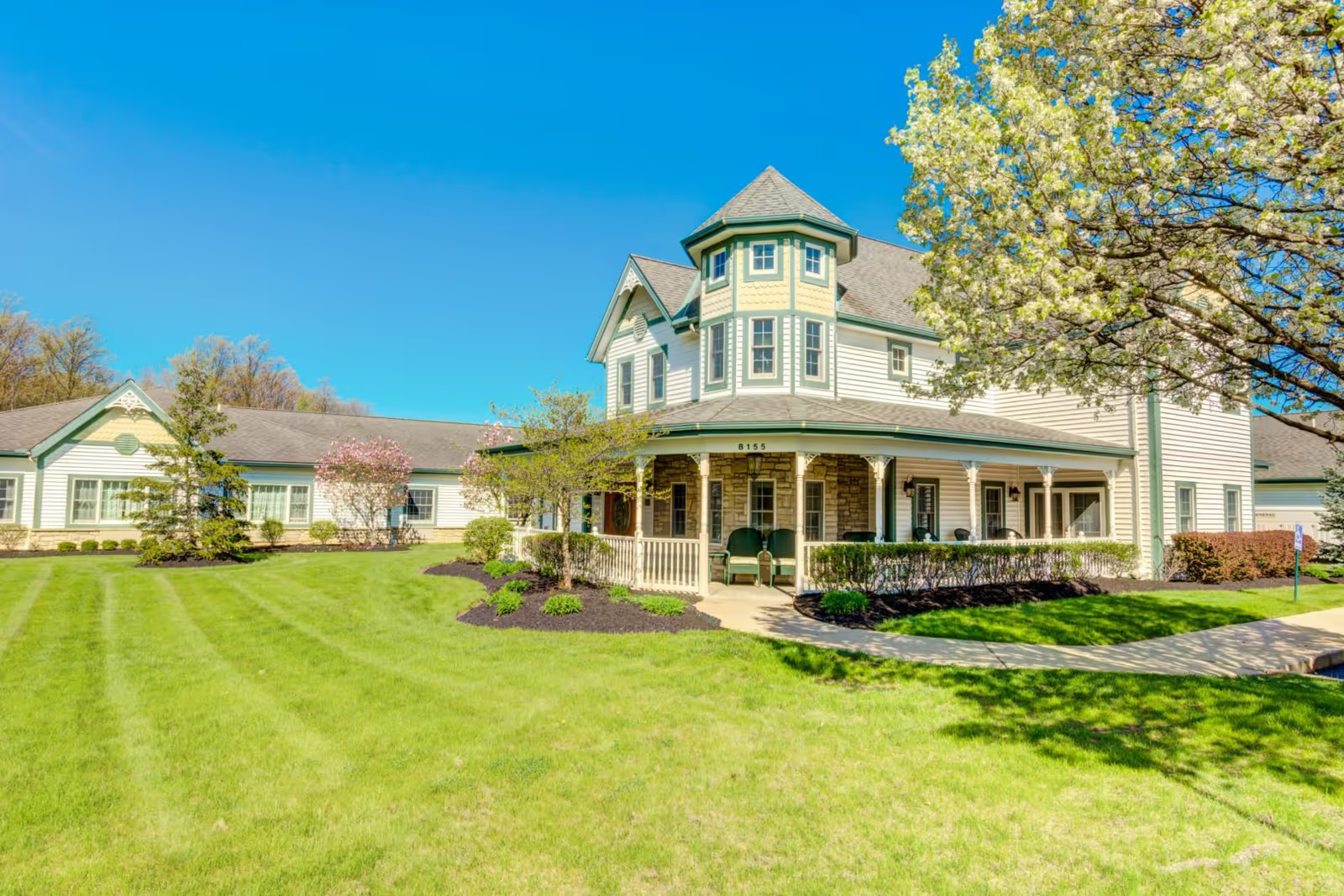
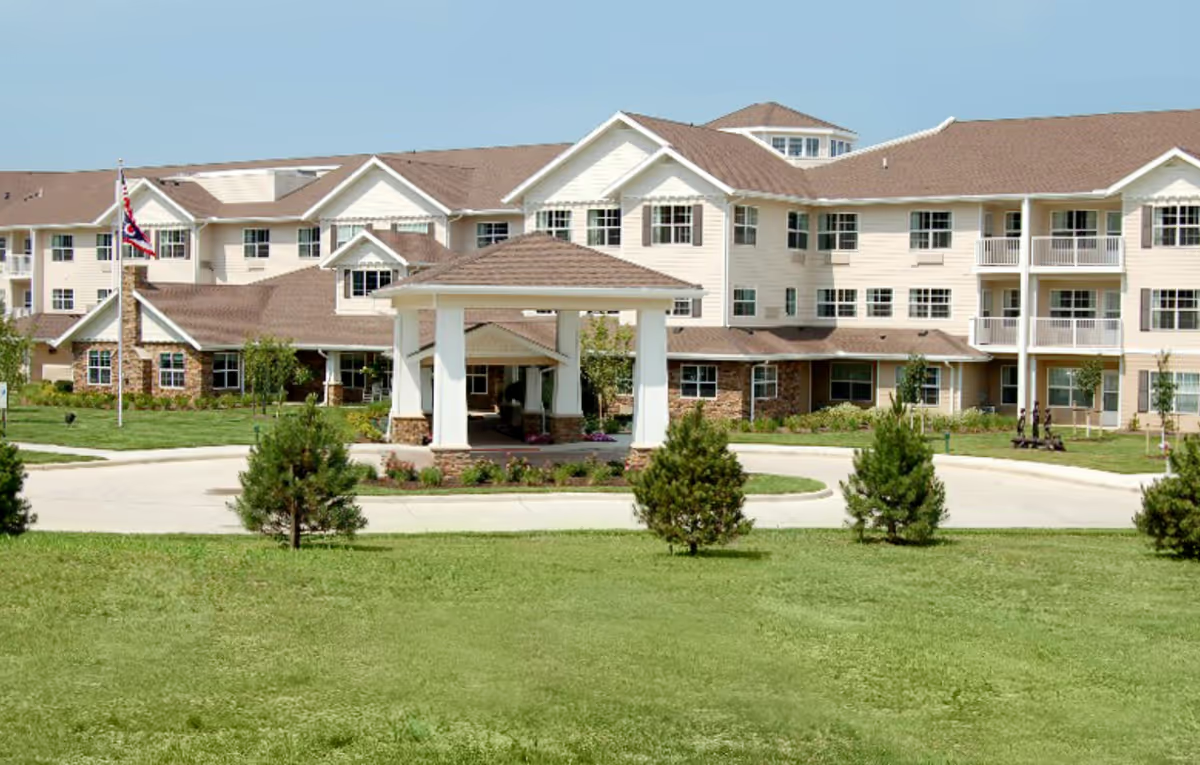
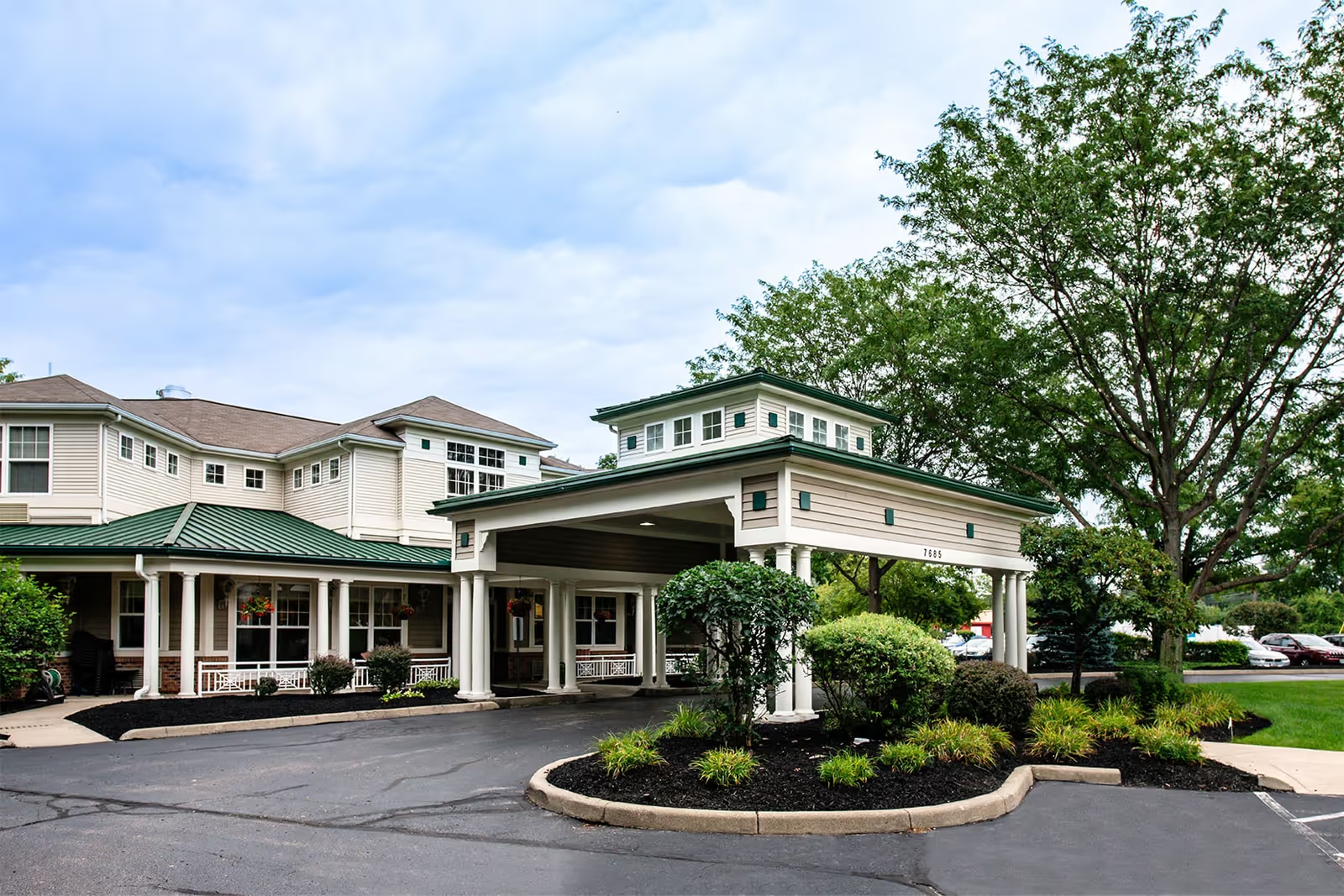
Facility condition and logistics present additional patterns. Some reviewers describe clean, well-maintained outdoor areas and bright rooms, while others report cleanliness and sanitation inconsistencies in corridors and shared rooms, odor concerns in parts of the building, and maintenance lapses such as broken dispensers or sticky floors. Room size and layout for double occupancy were frequently noted as cramped, and multiple reviewers raised concerns about laundry handling and missing personal items, indicating weaknesses in property-management processes.
Communication and management practices appear uneven. Several reviewers praised administrators, social workers, and specific staff members for helpfulness and transparency, yet others describe unresponsive front-desk phones, slow callbacks, noisy or inattentive nursing desks at night, and poor follow-through on promises (admissions setup, paperwork). There are also more serious individual claims, including allegations involving personal property and medication handling; these are cited infrequently but are significant and warrant verification by families and regulators.
Notable patterns for prospective families: the facility's rehabilitation and certain frontline caregivers are genuine strengths and can enable return to assisted living or home. However, variability in staffing, supervision, medication practices, dining consistency, and room accommodations suggests that experience can differ widely depending on unit, shift, and timing. Visitors should verify staffing levels on the intended unit and at expected times of care (including weekends/night shifts), ask detailed questions about dietary accommodations and medication administration protocols, confirm property and laundry procedures, and seek names of the therapy and nursing leaders who will manage care. These steps can help set realistic expectations and identify whether the facility’s strengths align with a specific resident’s needs.