The reviews paint a facility with significant variability in day-to-day experience. Many family members and residents describe direct-care staff and some nurses as compassionate, responsive, and family-oriented; positive comments also single out helpful housekeeping staff and proactive social work/case-management support. Several reviewers expressed satisfaction with individual caregivers who assisted with appointments and treated residents with warmth and respect.
At the same time, there is a clear pattern of operational concerns that affect clinical care and resident comfort. Multiple accounts indicate cleanliness and sanitation problems in rooms and common areas, alongside delays in incontinence care and hygiene management. Reviewers raised odor concerns and reported instances they perceived as inconsistent infection-control and medication-management practices; a few accounts described subsequent hospital transfers following suspected infection-related issues. These patterns suggest gaps in clinical oversight and environmental services that warrant attention.
Staffing and staff conduct were recurring themes. Reviewers described what they experienced as chronic understaffing, which contributed to delayed responses to call lights and lapses in monitoring. Separately, there are concerns about staff professionalism and presentation, including informal attire and conduct perceived as unprofessional. These operational challenges appear linked: when staffing levels are strained, responsiveness and adherence to routine care processes tend to suffer.
Dining and nutrition emerged as another area of concern. Many assessments criticized the quality of meals and the facility’s ability to accommodate dietary needs, and some families reported inconsistent meal service or insufficient portions. Meal-tray management and timely delivery were also cited as problematic in certain situations.
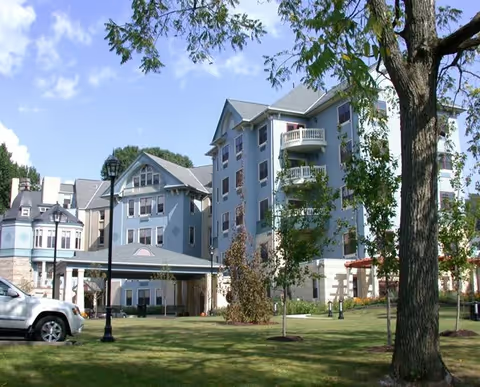
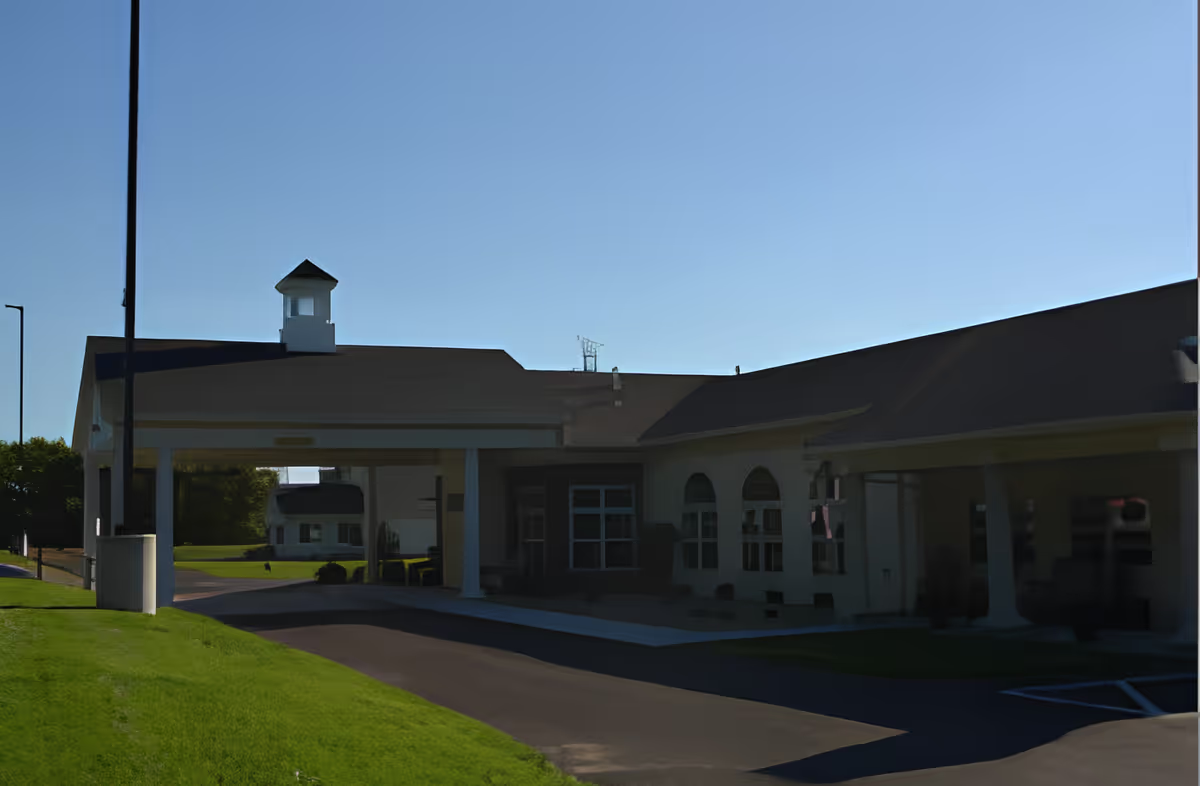
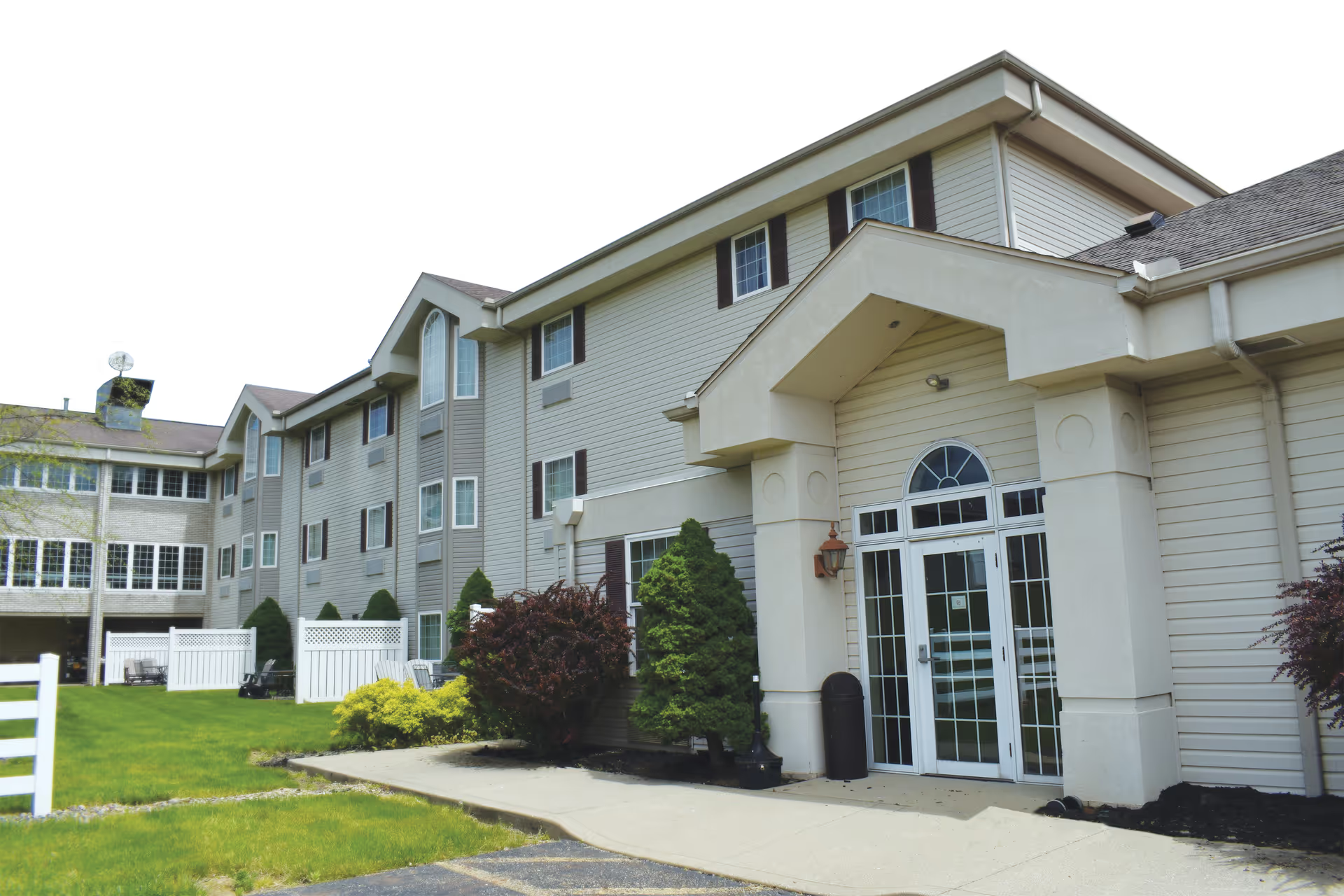
The physical facility is described as older, with limitations in climate control (hall cooling but limited in-room air conditioning) and occasional housekeeping backlogs such as accumulated trays. While a subset of reviewers noted improvements in cleanliness and praised particular staff members for making positive changes, the overall picture suggests the building and operational systems need maintenance and stronger oversight to provide consistent standards of care.
Management and administrative practices were also questioned. Reviewers expressed concern that discharge and admission timing appeared driven by insurance considerations rather than consistent clinical planning, and there are allegations involving financial misconduct and property handling that raise questions about transparency and safeguards. Communication and family liaison processes receive mixed feedback: some families praised specific staff and the social worker for effective collaboration, while others reported poor communication and adversarial interactions during clinical or discharge events.
In summary, Dixon Healthcare Center elicits sharply divided impressions: there are repeatedly named caregivers and teams who receive strong praise for compassionate, family-focused care, and there are systemic weaknesses that several families identify as affecting safety, cleanliness, nutrition, and administrative integrity. Prospective residents and families should weigh the positive reports about individual staff and social-work support against documented operational concerns, and when possible conduct a facility tour, request up-to-date inspection or staffing records, and speak directly with current families about recent changes before making a placement decision.